WELCOME TO THE STEINBEIS-BLOG

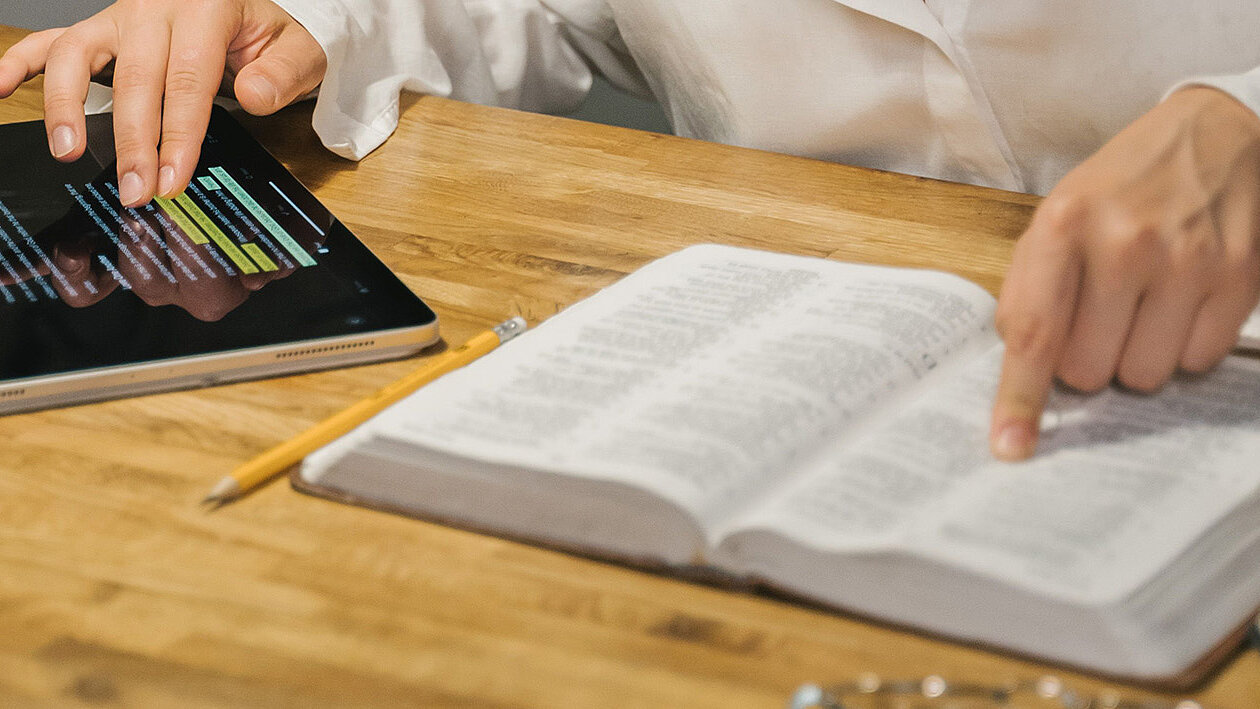
10.11.2026 Do we read differently when reading on paper?

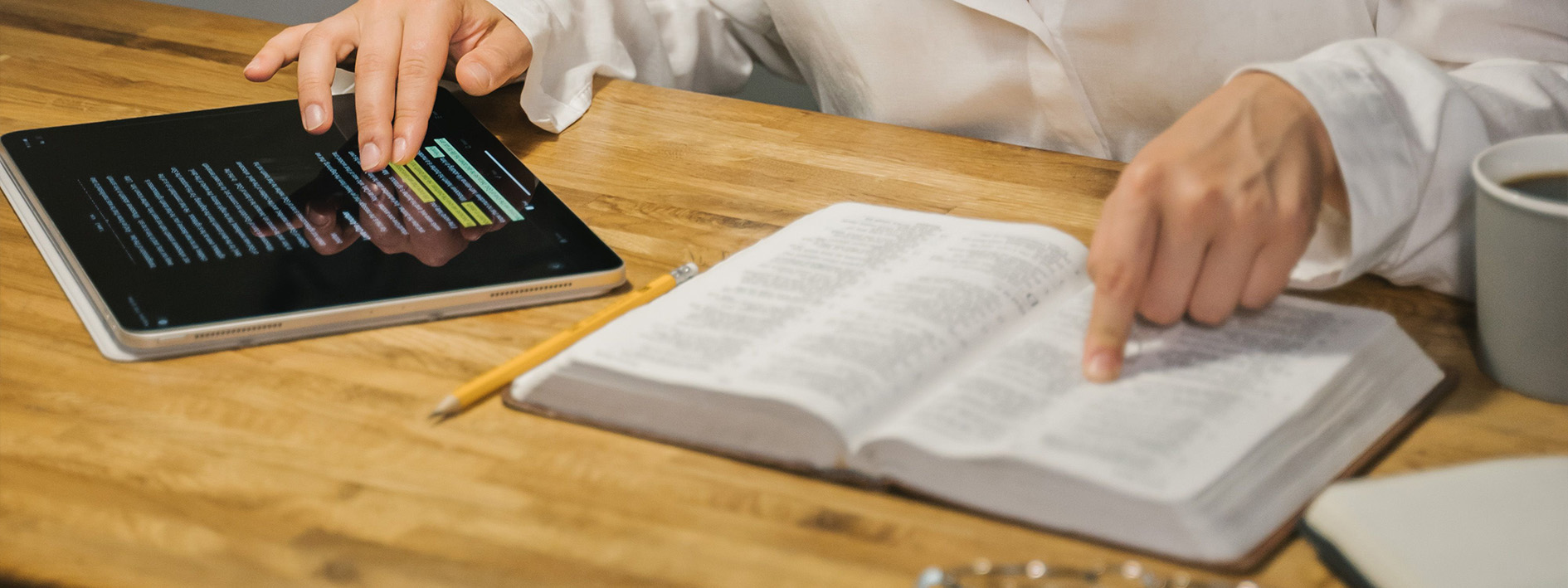
Paper is no longer necessary for reading. Texts can also be read on a screen. Yet despite laptops, tablets, smartphones and e-book readers, there is no sign of paper disappearing as a medium for reading. On the one hand, this is down to people’s personal preferences. On the other hand, reading on paper offers added value that goes beyond individual preferences.
Read more
27.10.2026 Against the Flow: The Journey of Water Through the Paper Mill

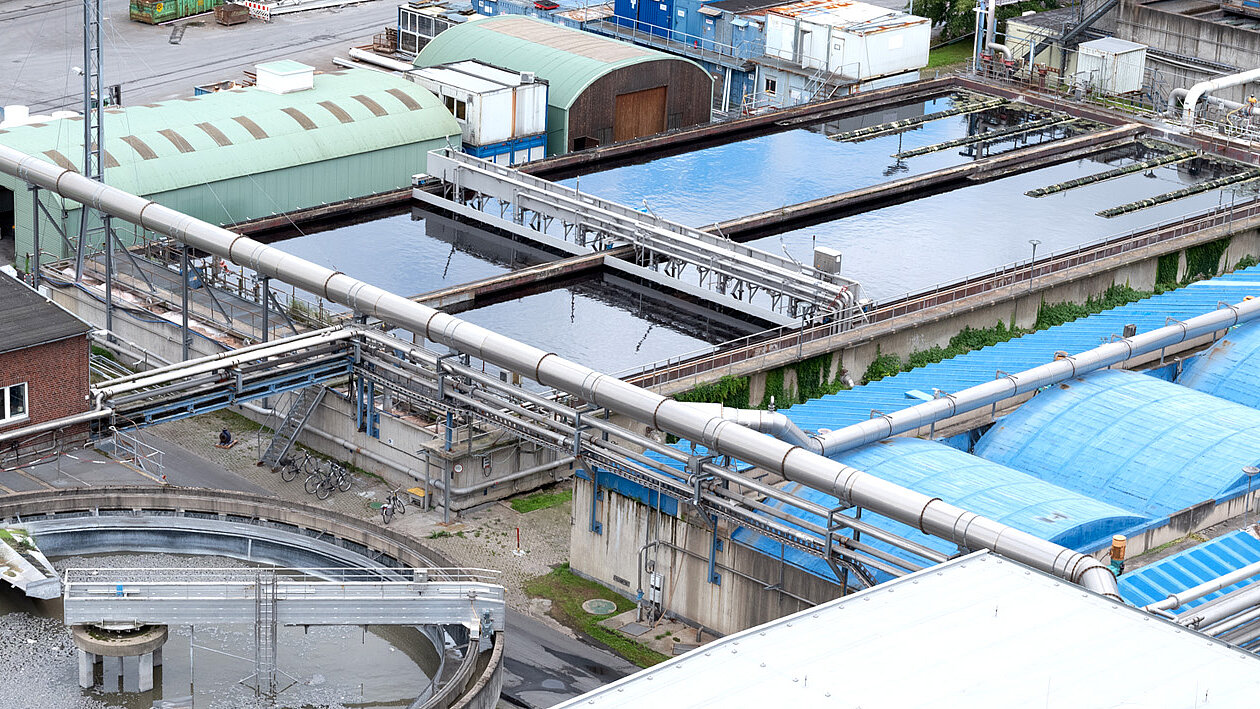
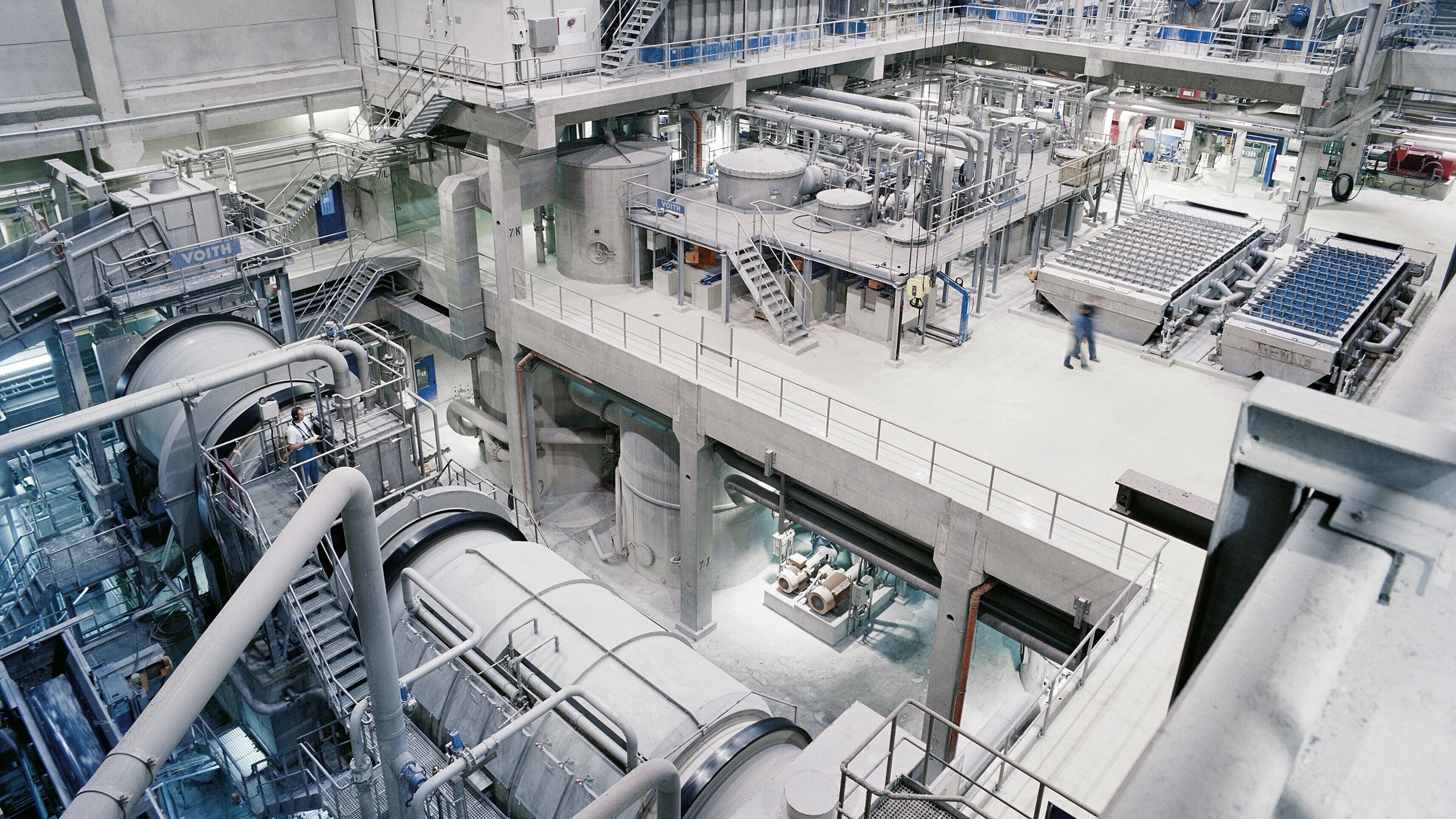
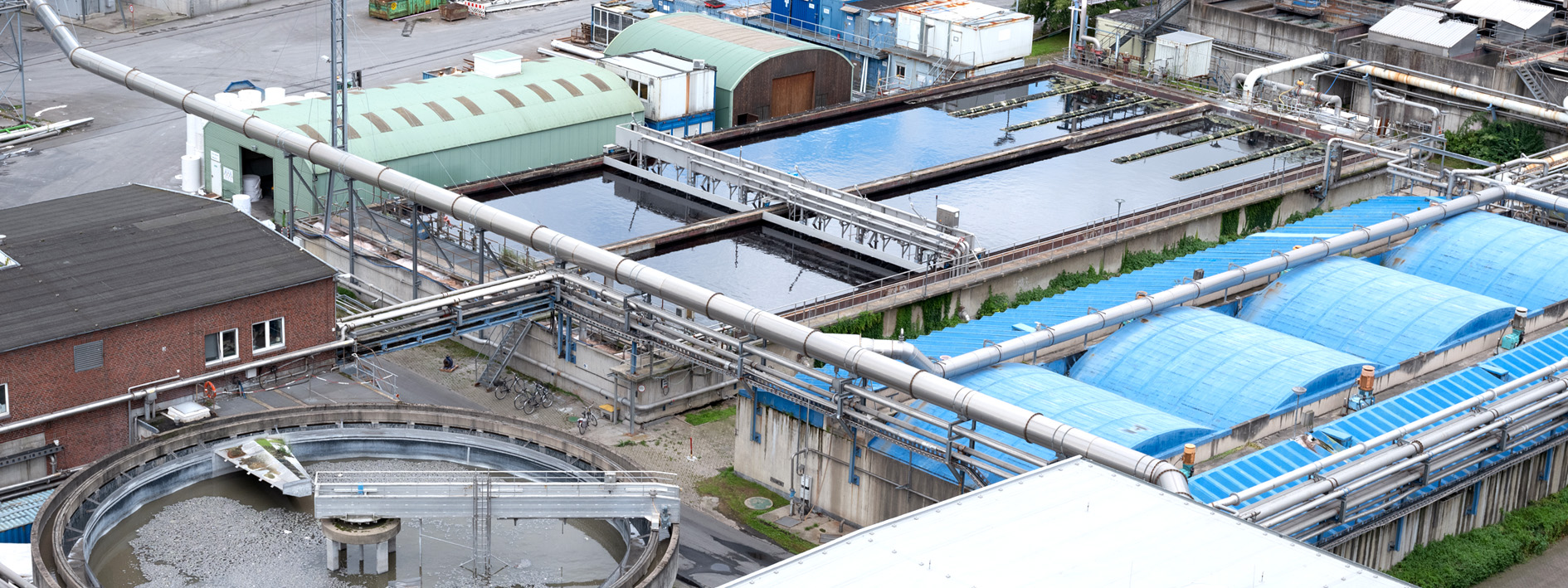
Water is essential for paper production. At the Steinbeis Papier factory in Glückstadt, it is therefore used as efficiently as possible. Only surface water from the River Elbe is used as process water; no drinking water is used. Let’s follow the water’s journey through the paper mill: from the River Elbe, via the paper machine, to the waste paper processing area – with two process and water circuits – and on to the mill’s own fully biological wastewater treatment plant.

Read more
06.10.2026 Between blog and notepad: How different generations use paper

Calendars, shopping lists and meeting notes are moving onto smartphones, into apps and into the cloud. Yet desks are still often littered with notebooks and Post-it notes, calendars hang on the wall and shopping lists are tucked away in trouser pockets, just as they always have been. Why is that, actually? A look at how different generations use paper in their daily lives shows that paper isn’t going away. But when and how we use it is changing.

Read more
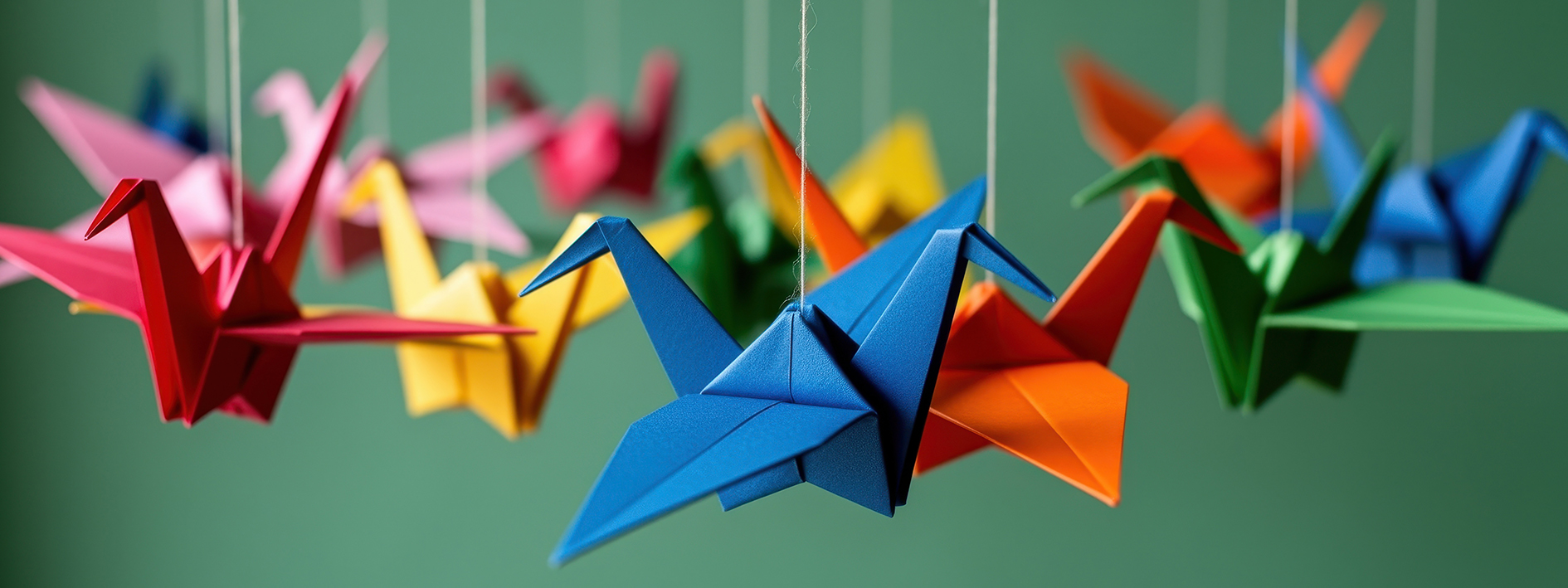
22.09.2026 Origami: From paper cranes to solar panels in space

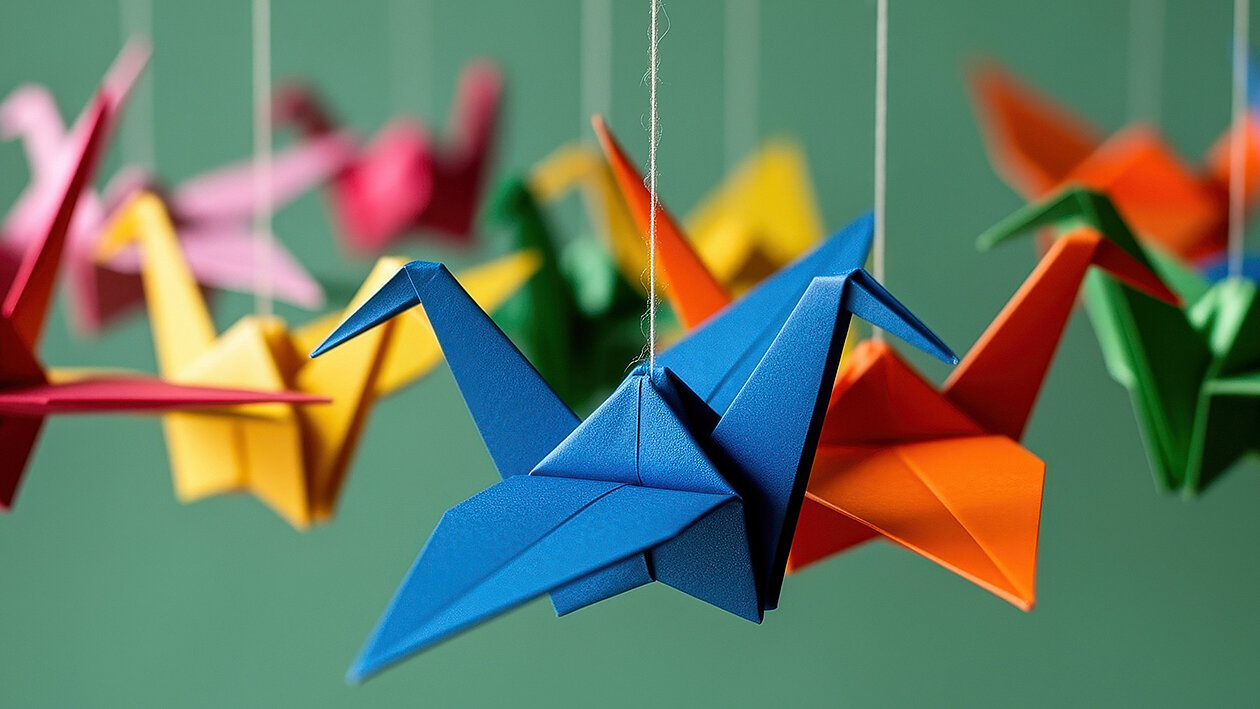
A square sheet of paper, folded a few times – and there’s a crane standing on the table. However, the principles of the traditional Japanese art of origami now extend far beyond simply folding paper. Engineering is making use of these principles for solar panels in space, robots and new technical structures. What makes folding so interesting?

Read more
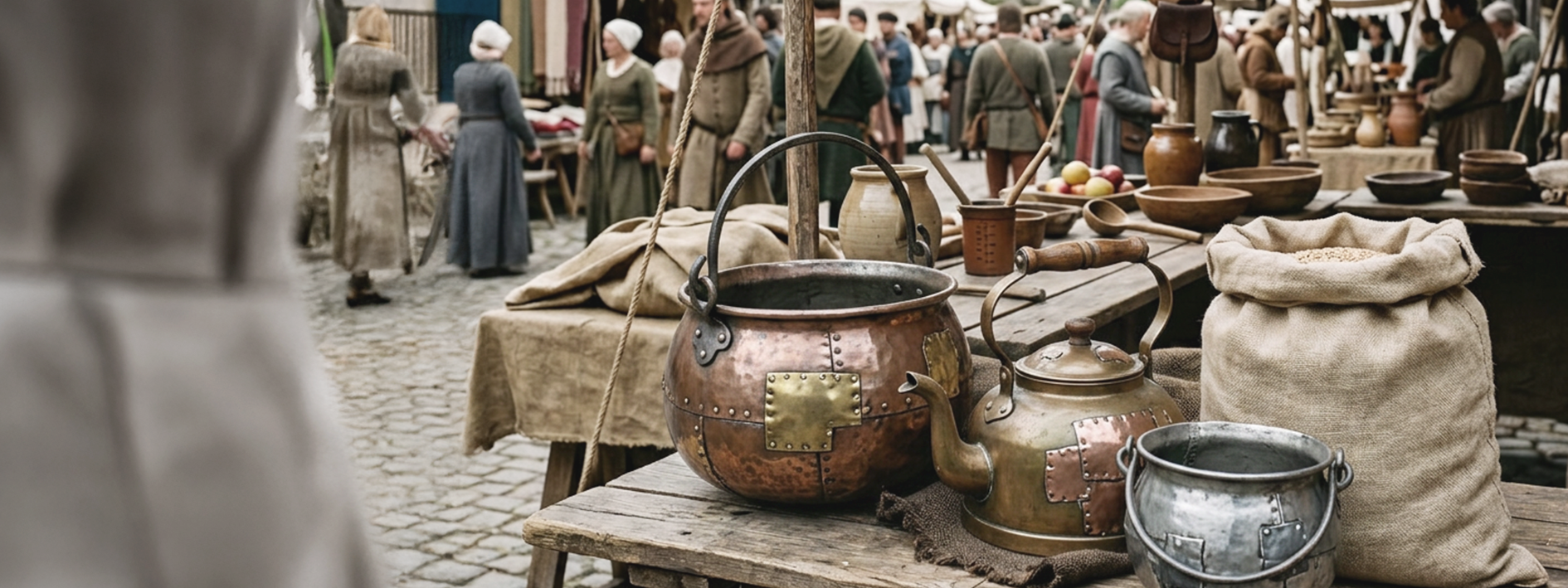
08.09.2026 Why there was hardly any rubbish in the Middle Ages

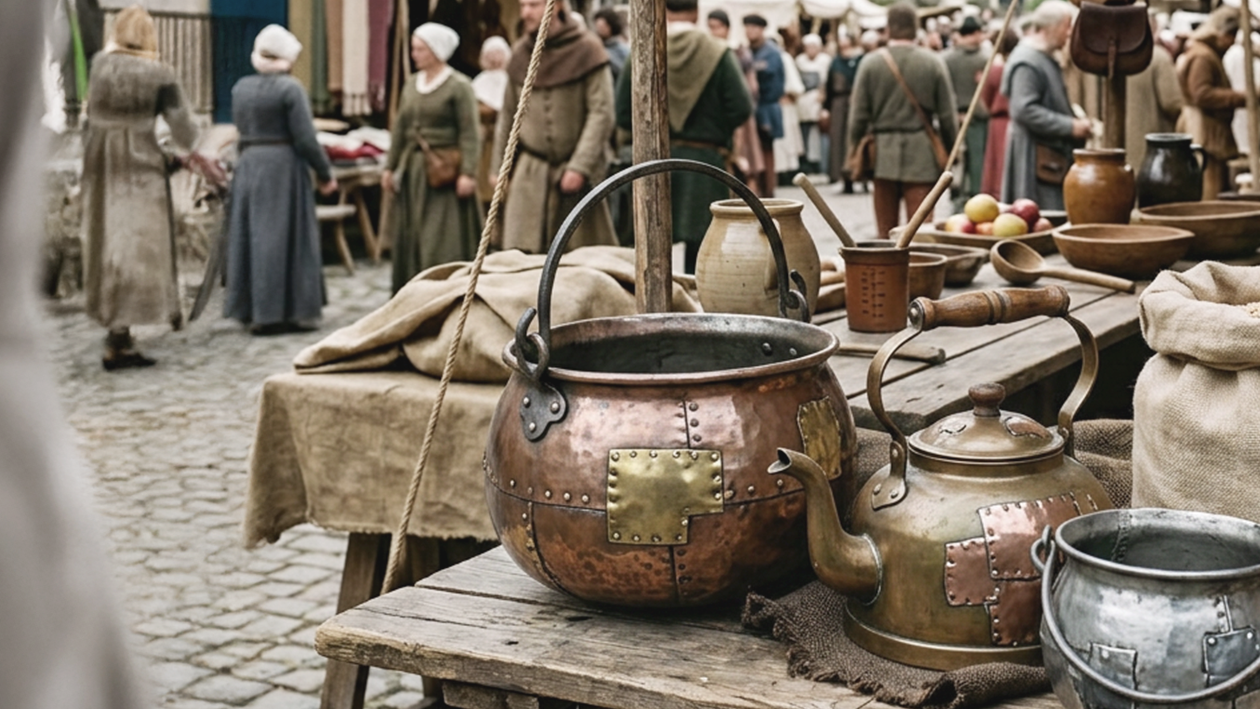
In the Middle Ages, many things were dirtier than they are today. Yet, at the same time, surprisingly little was thrown away. Why packaging was considered a possession back then, how paper was made from old rags – and what we can learn from this today.

Read more
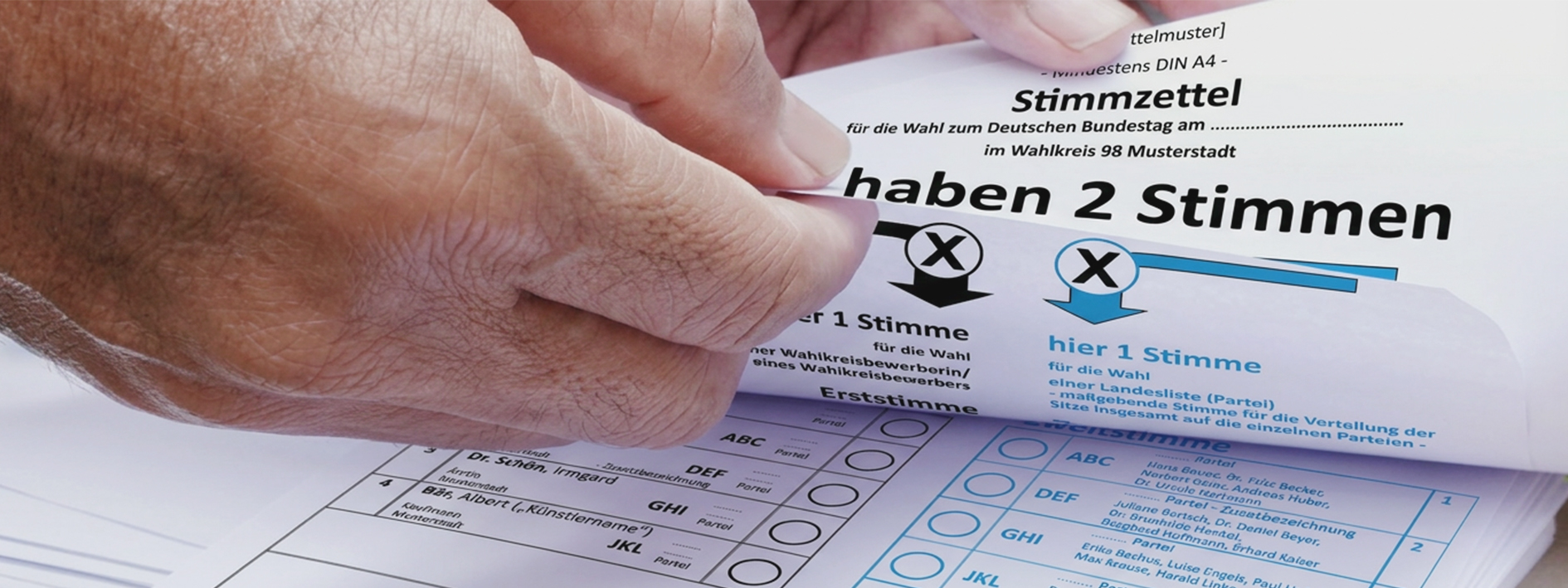
25.08.2026 Elections: Why we mark our ballot papers

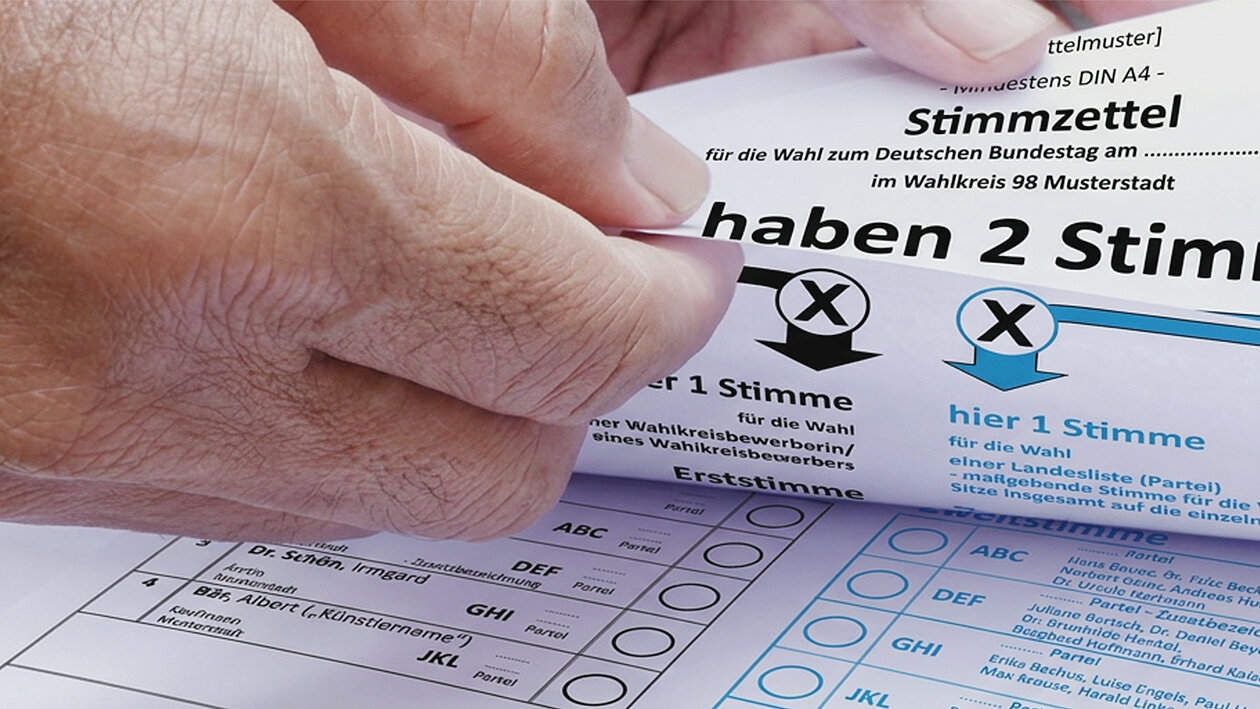
Why do we still mark our ballots on paper? Because paper ballots are visible, verifiable and can be recounted. They create something that digital systems find difficult to guarantee, but which is needed now more than ever: democratic trust.

Read more
Leider verwenden Sie einen veralteten Browser.
×
Unser Internetauftritt wurde auf Basis zeitgemäßer und sicherer Technologien entwickelt. Daher kann es bei der Nutzung eines veralteten Browsers zu Problemen bei der Darstellung und den Funktionalitäten kommen. Wir empfehlen Ihnen, einen anderen aktuellen und kostenlosen Browser zu nutzen:
Mozilla Firefox
Google Chrome
Microsoft Edge