Why there was hardly any rubbish in the Middle Ages
Rubbish – what exactly is it? Put simply: rubbish is created the moment an object no longer serves a purpose, is no longer wanted by its owner, and has no value. This happens all the time nowadays: we unwrap things, empty a drink container, use something up – and straight away there’s something left over that needs to be disposed of, be it packaging, a cup or a straw. A journey back to the Middle Ages reveals that, whilst people back then did not have an environmental awareness in the modern sense, they nevertheless practised many of the principles we now call sustainability as a matter of course. And there is a great deal we can learn from this for the present day.
Let’s imagine a medieval castle. It stands on a hill, with woods, fields and perhaps a stream below, and a village in the distance. The castle is a place of refuge, a seat of power, a storehouse – but of course also a place where people eat, cook, work and slaughter animals. And what is no longer needed? That finds its way out via the shortest route through an opening in the wall and then down the slope. “A rubbish heap would often form right up against the castle walls,” says Dr Karin Kranich, a Germanist from Graz in Austria. One of her main areas of research is how people ate in the Middle Ages – and how they dealt with waste. “And within a settlement, things often weren’t much better in the Early Middle Ages: people would often tip rubbish, faeces and other waste out the front door onto the street,” says Kranich.
However, the more densely built-up towns became, the less this carelessness could be sustained. Stench, rats and polluted water became a problem for communal living. “In the late Middle Ages, towns therefore began to organise waste disposal more effectively: with waste pits, latrines and regulations for particularly dirty trades,” explains Kranich.
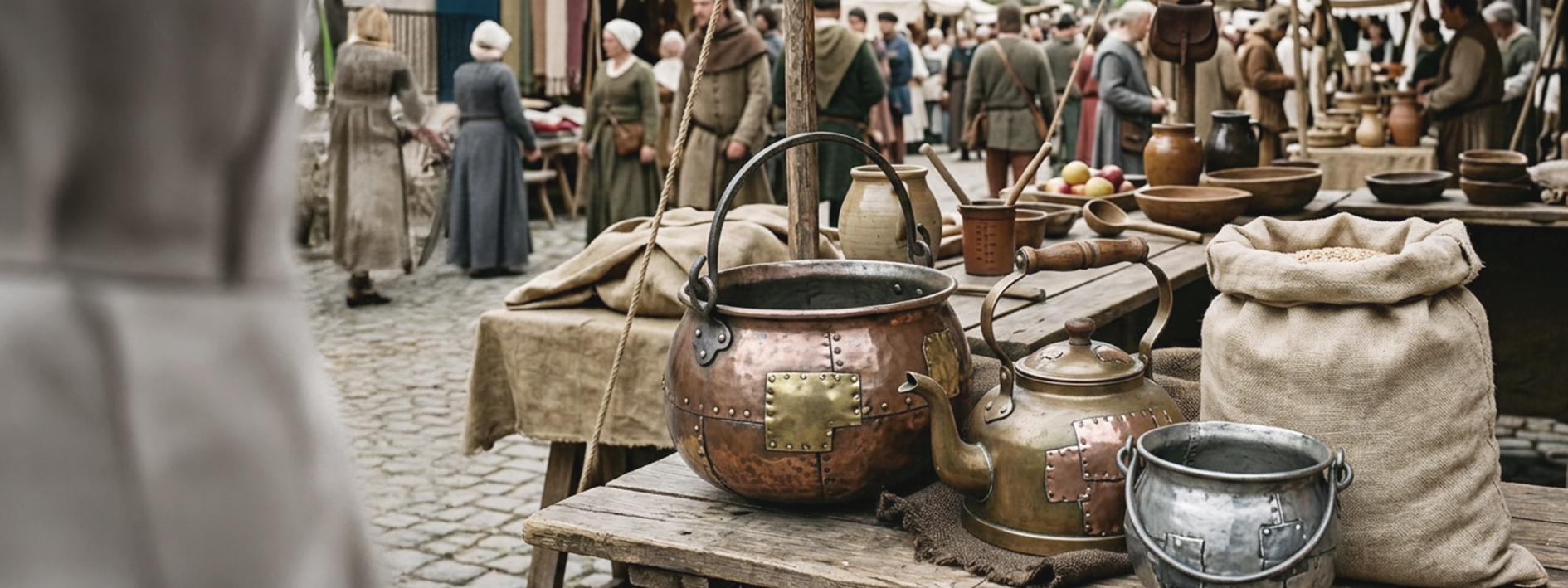
So this world was by no means cleaner than today – quite the opposite, in fact. But in one respect, it was much more sustainable than today. It was more frugal. This is evident even when it came to shopping. When you bought something, you didn’t automatically receive packaging that ended up in the rubbish shortly afterwards. People usually brought their own containers: a basket, a linen sack, a wooden box or a milk jug. “Once you had something, it had a value,” says Kranich. If, for example, a metal kettle had become thin or had a hole in it, it would be mended by a tinker using pieces of metal and rivets – time and again, for as long as it lasted.
This is because, in pre-industrial times, raw materials had a very different value to what they do today. Wood, metal, glass, fabric – all of these had to be extracted, processed and transported, usually involving a great deal of manual labour. That is why it often made more sense to invest time in repairing and reusing items than in procuring new materials.
Even the word ‘rubbish’ tells part of this story. Etymologically, it does not lead first to the bin, but rather to a mill, to the miller and the English ‘mill’. It thus refers to a world of grinding, crushing and pulverising.1 ‘In its basic meaning, we’re talking about crushing. And back then, even the residue left over afterwards was sometimes a valuable raw material,’ says Kranich.
Today, it’s rather the other way round. It is no longer the material that holds great value, but rather our convenience. Things are mass-produced, in huge quantities and at low prices. A shirt that would once have been mended, re-sewn or reused is now quickly replaced. After the Second World War, this mindset accelerated even further: use, consume, throw away, buy new. As a result, many objects that would once have had a second or third life have become waste.
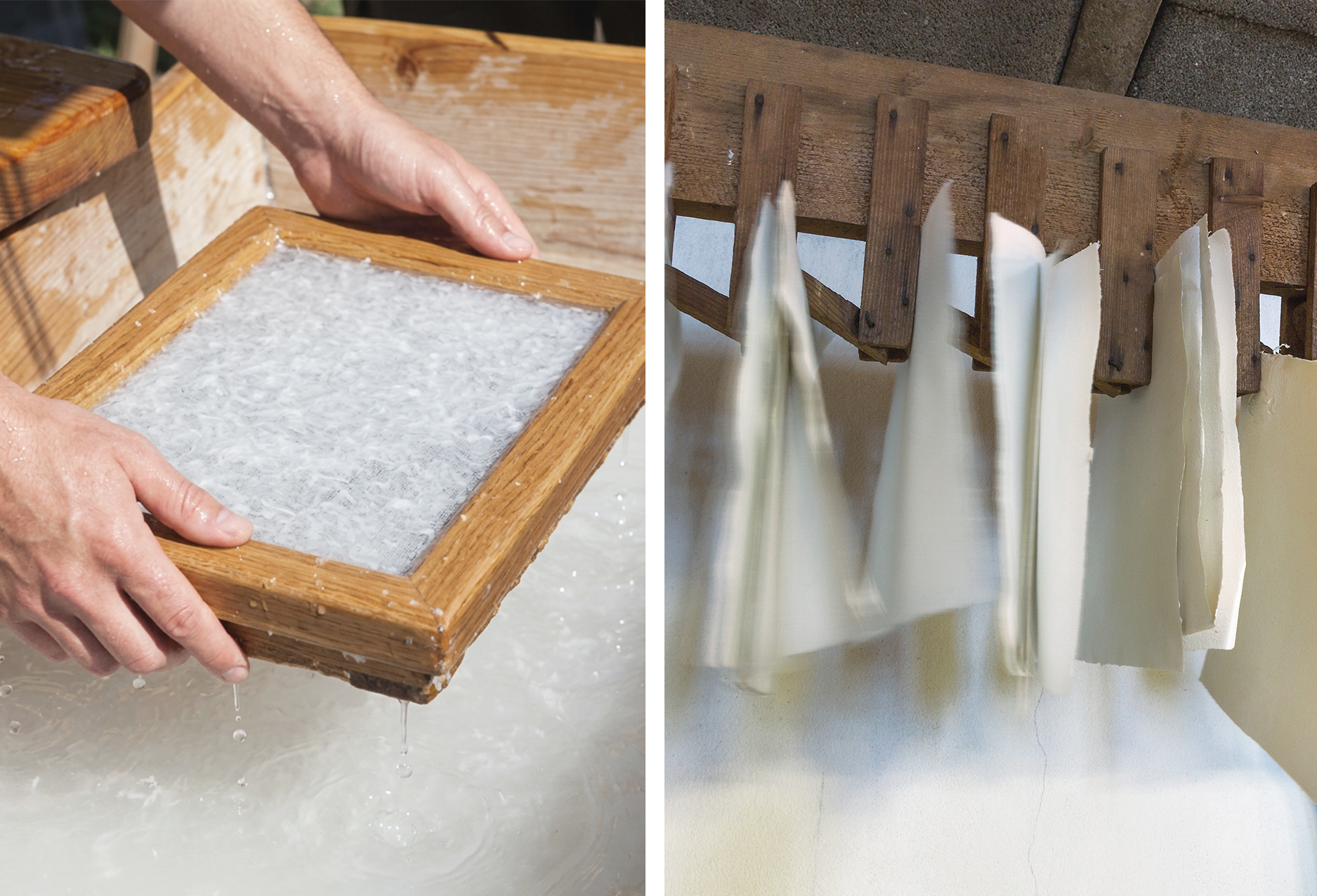
It was quite different in the Middle Ages. Paper is a good example of this. Back then, it was always a product of recycling. Rag-and-bone men travelled from place to place, buying up old textiles and taking them to paper mills. There, the so-called ‘rags’ were pulped and processed into paper. You could say that, back then, paper was the final stage in the life of a textile. Before that, it might have been a shirt, a cloth, a rag – and in the end, a sheet of paper.
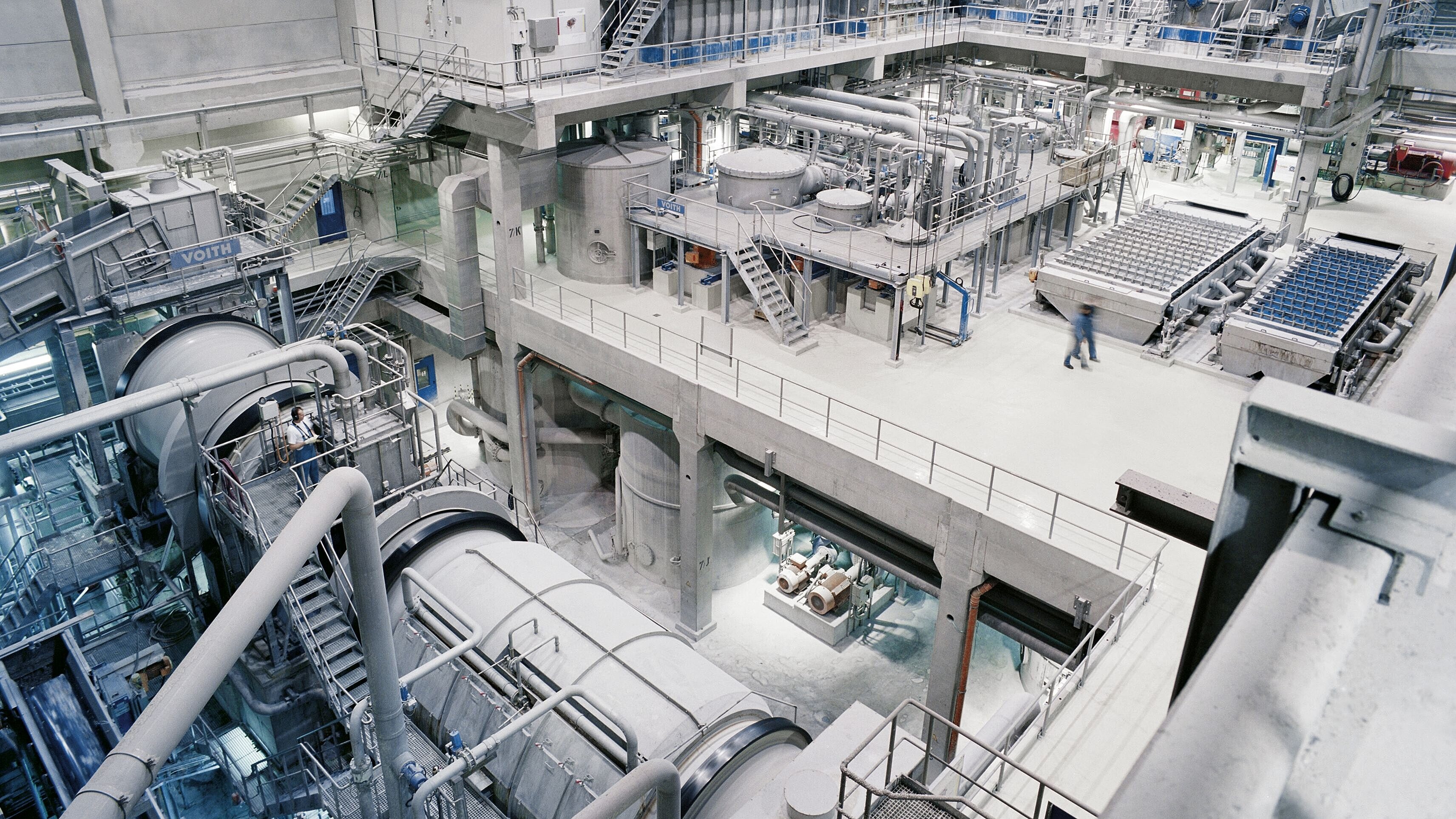
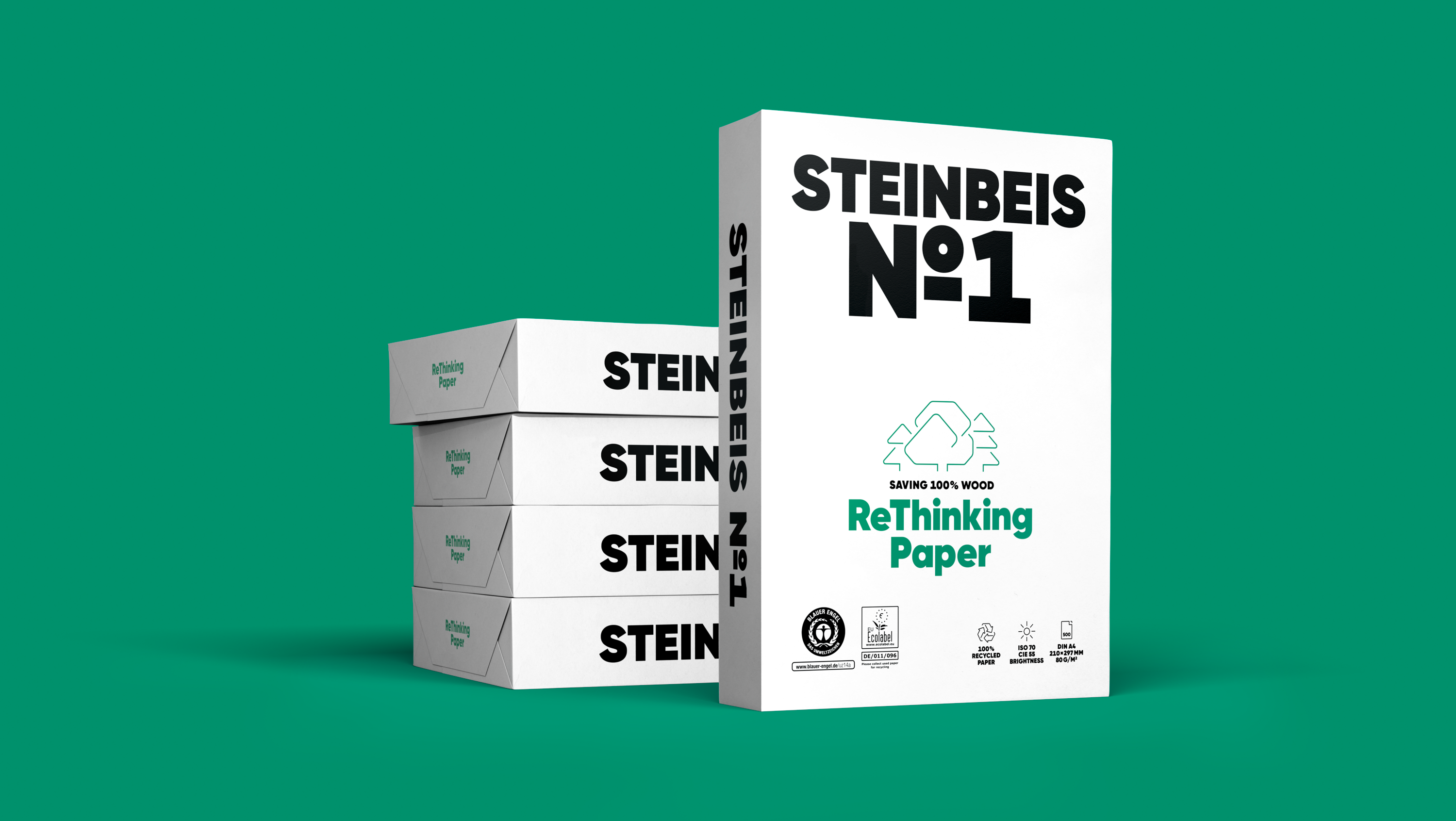
This approach has not disappeared entirely. At Steinbeis Papier, it is in fact part of the core philosophy: waste paper is turned into new paper, water is reused several times during the production process, and energy is generated sustainably on site. Even residual materials that can no longer be recycled do not simply end up in landfill. They are sent to the power station, where they are used to generate energy, and return to the paper mill in the form of electricity and steam. In this context, a circular economy therefore means not just recycling, but keeping as many resources as possible within the system for as long as possible.
In ancient Rome – some 1,000 years before the Middle Ages – even urine was collected – in clay pots and public latrines. In the laundries, known as fullonika, aged urine served as a cleaning agent: The ammonia compounds it contained helped to dissolve grease from woollen fabrics and tobleach clothing.² So even what, from today’s perspective, is flushed away as a useless waste product could still be a raw material – for example, for dyeing fabrics or processing leather.
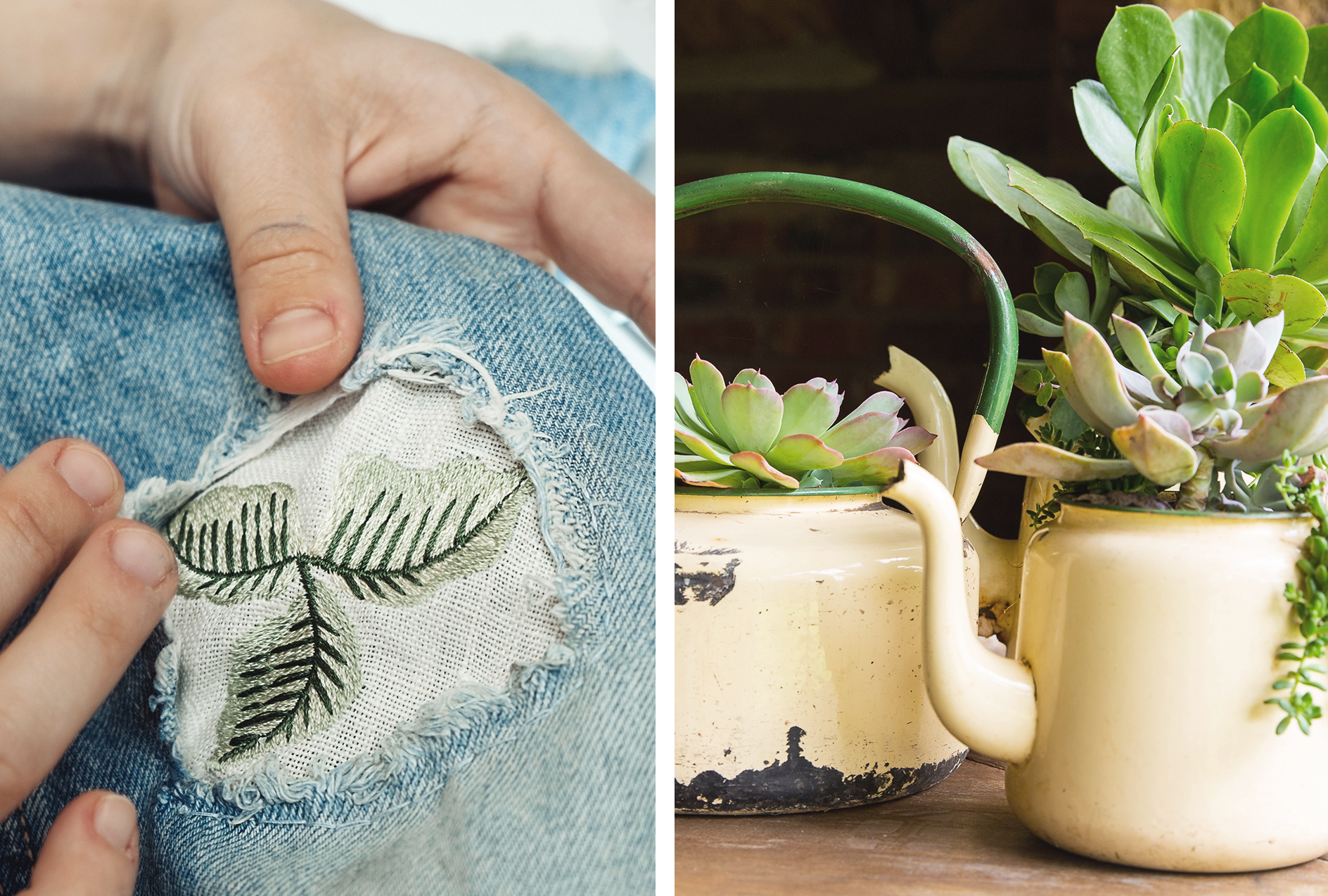
There is certainly no harm in taking a leaf out of their book once again. Not because everything was better in the past. It wasn’t. But because people viewed things differently. Everyday objects were not immediately discarded just because they had served their original purpose. They could be repaired, passed on, repurposed or recycled. “People tried to get as much as possible out of everything they had,” explains Kranich. It is precisely this idea that is, once again, surprisingly relevant today – and important.
The basic concept from the Middle Ages may well be coming back into fashion today: ‘waste’ does not refer to the material itself, but to our relationship with that material. An old milk churn is not waste as long as it is being used. A basket is not waste as long as someone is repairing it. A shirt is not waste as long as it can still be turned into a rag, a patch or paper. Waste only arises when we stop seeing any use in things. And perhaps we would already be making great strides if we were to push that moment back a little further.
1https://www.duden.de/rechtschreibung/Muell and https://www.etymonline.com/word/mill
Header image: generated with AI (Magnific)
Author

Christian Heinrich holds a PhD in medicine and trained as a journalist at the German School of Journalism in Munich. He has been working as a freelance journalist and writer since 2010. Christian Heinrich writes for DIE ZEIT, the Süddeutsche Zeitung, SPIEGEL, GEO and other publications. He is a member of the editorial office nerdpol, a collective of science journalists.