The treasure in organic waste
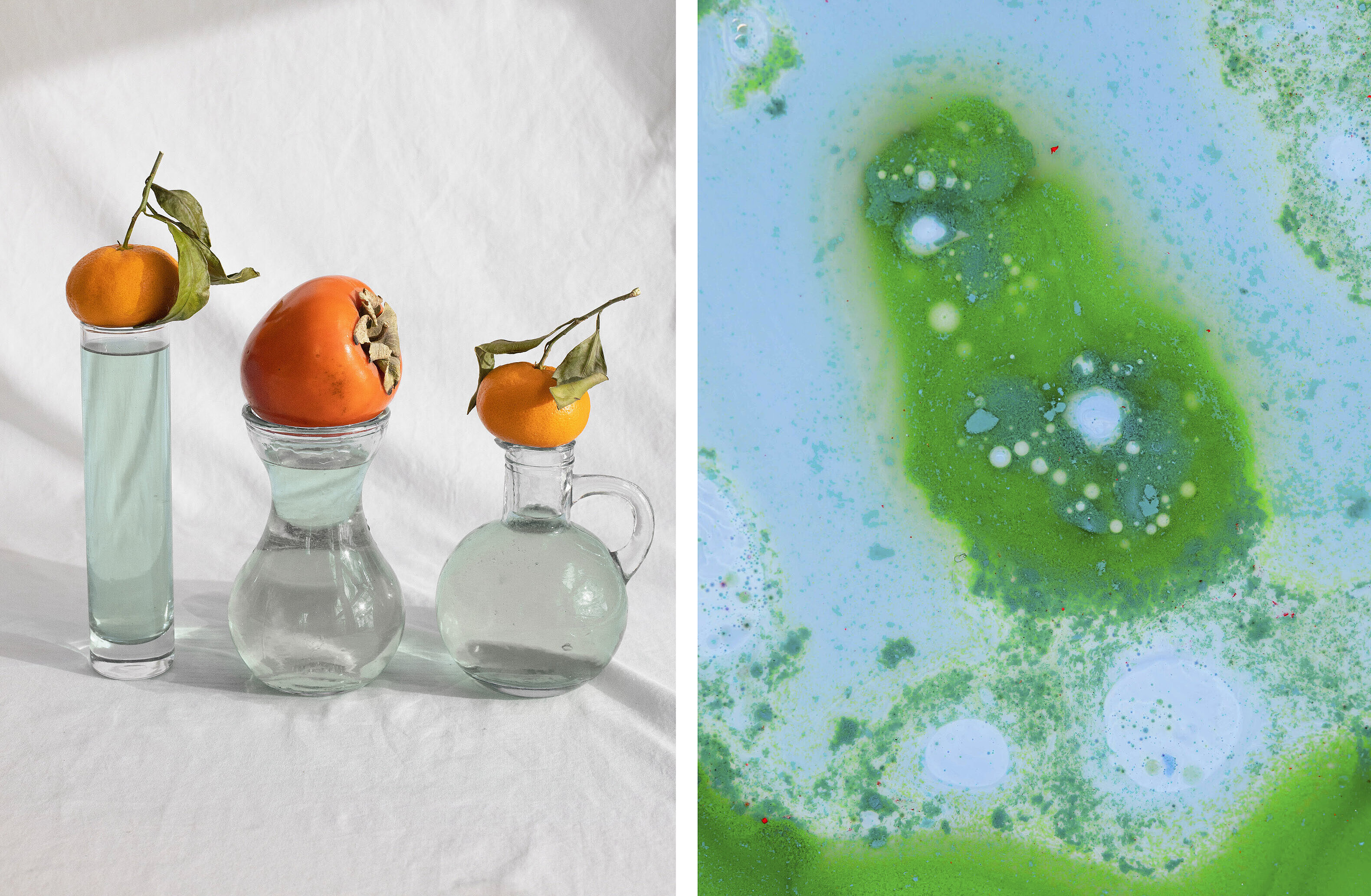
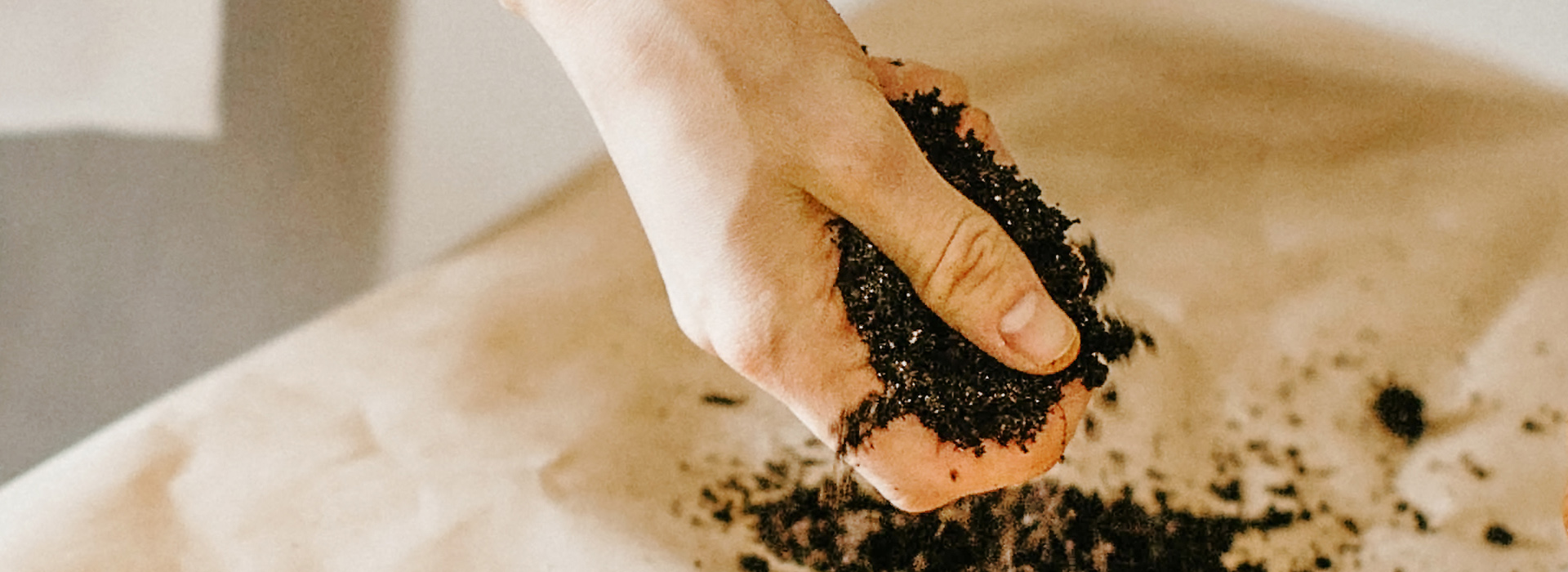
20.12.2022 - For the sake of the environment, great importance is attached to waste separation in Germany. This is primarily for ecological reasons, as some of the separated waste can be recycled. Biowaste can contribute directly to resource and climate protection. Ideally, kitchen and garden waste can be turned into valuable compost, electricity and biogas.
In Germany, a lot of packaging and waste ends up directly in residual waste - and thus usually in a waste incineration plant instead of being recycled. This is a burden on resources and the environment. Properly separated, biowaste is an important component of the energy transition. It can be used to generate electricity, heat and nutrient-rich fertiliser for the soil - in a climate-friendly way.
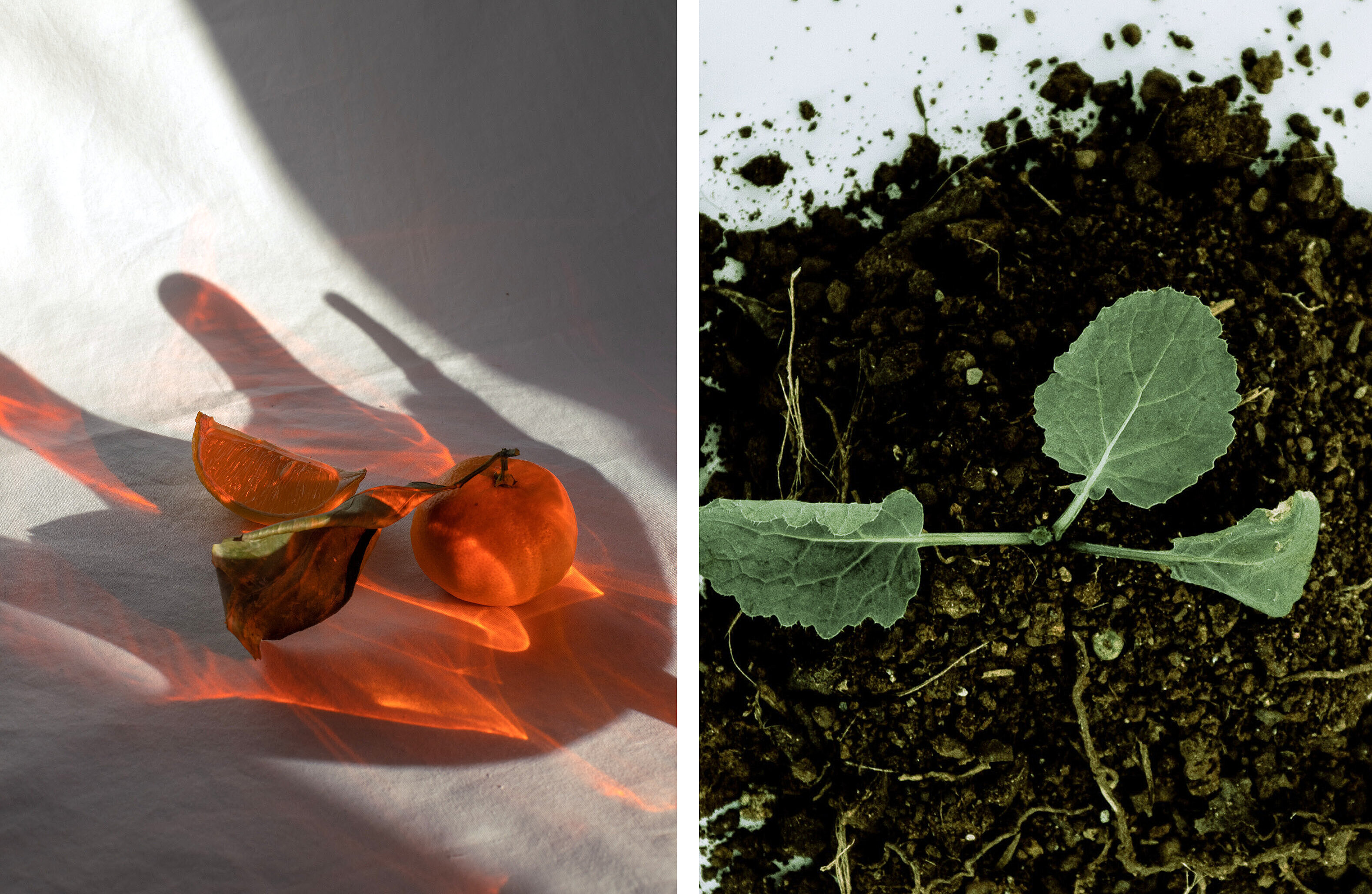
Biowaste is valuable for the environment
In order to utilise the energy stored in organic waste, the organic waste is further processed in a fermentation plant, where it is biologically converted with the help of bacteria. This produces biogas and fermentation residue. What remains in the biogas plant is used like compost as fertiliser on the fields or in the gardens. In this way, conventional fertilisers and peat-containing soils are replaced in an environmentally friendly way. Composting allows materials to be returned to the cycle and the gases produced in the process contribute to the energy supply. The fact is: clean, separate collection of organic waste is the be-all and end-all for recycling. Plastic and other waste jeopardise the quality of the products produced and can endanger the soil used for agriculture.
According to the Federal Statistical Office, almost five million tonnes of compost and around 747 million cubic metres of biogas were produced in 2020. Whether vegetable and fruit waste, food scraps, coffee filters or wilted flowers - organic waste is a real treasure.
Nationwide campaign: Germany's organic waste bin campaign
The importance of organic waste for the environment is also demonstrated by the nationwide campaign "Aktion Biotonne Deutschland" (German organic waste bin campaign) organised by the Federal Environment Agency and the Federal Ministry for the Environment, Nature Conservation, Nuclear Safety and Consumer Protection. They are campaigning for more compostable kitchen and garden waste and less foreign matter in the organic waste bin. During the campaign weeks, the so-called "28-day organic waste bin challenge", many cities and districts are organising campaigns for more separately collected and clean organic waste without foreign matter such as plastic.
Expertise in greentech energy solutions
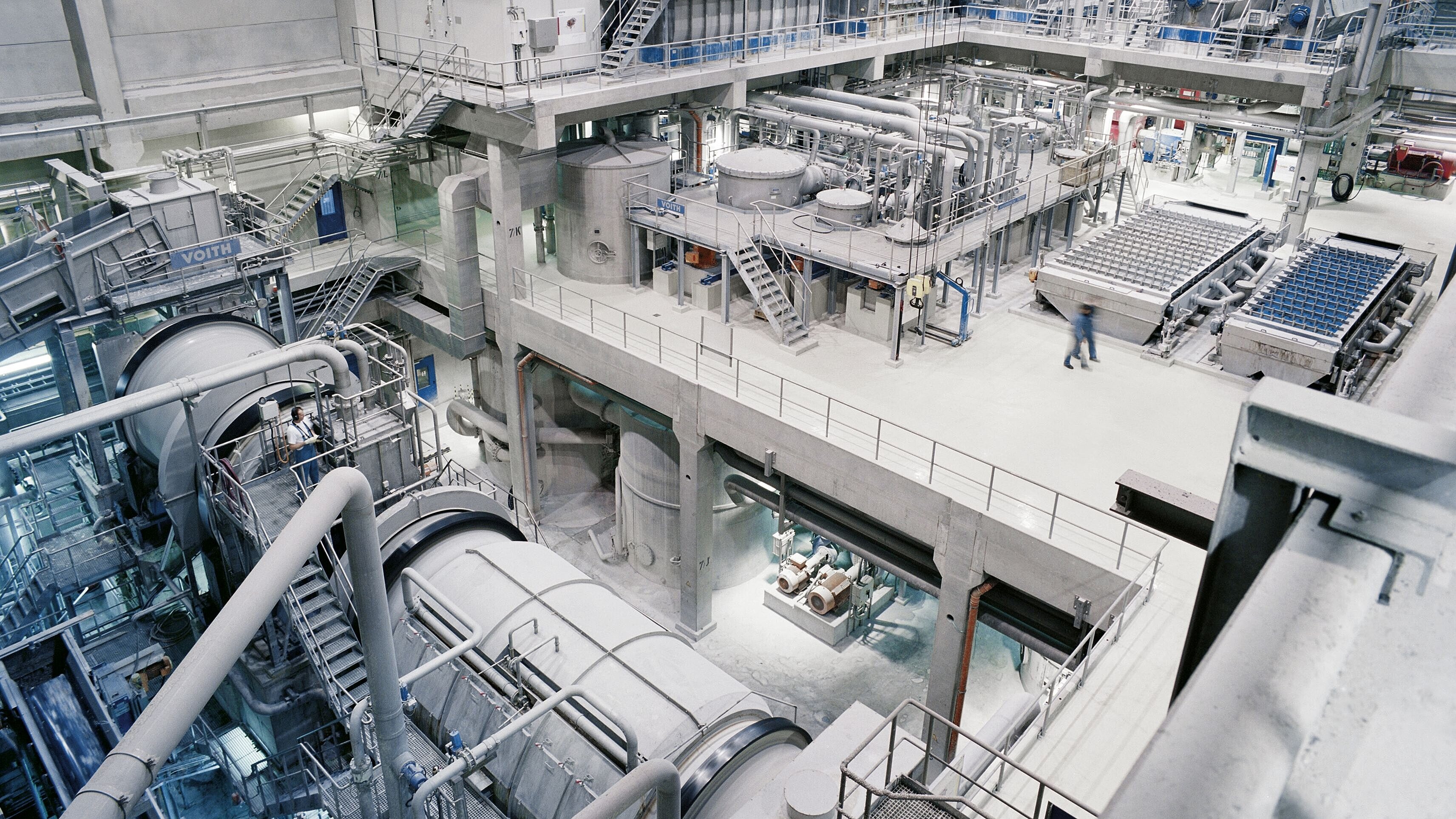
With Steinbeis Energie as its energy partner, Steinbeis Papier is also taking measures to generate environmentally friendly energy. Low-emission, environmentally friendly energy is generated there using modern environmental technologies such as combined heat and power (CHP) plants. The CHP plant covers 100 per cent of the thermal energy required by Steinbeis and around 50 per cent of the electrical energy. However, it not only supplies the paper mill with electricity, but also minimises the use of fossil fuels and reduces the burden on landfill sites.
Cover picture: Valeria Ushakova/Pexels
Author

Nadia Riaz-Ahmed is an online editor. She is most interested in everything to do with digitalization and new technologies.