The next generation
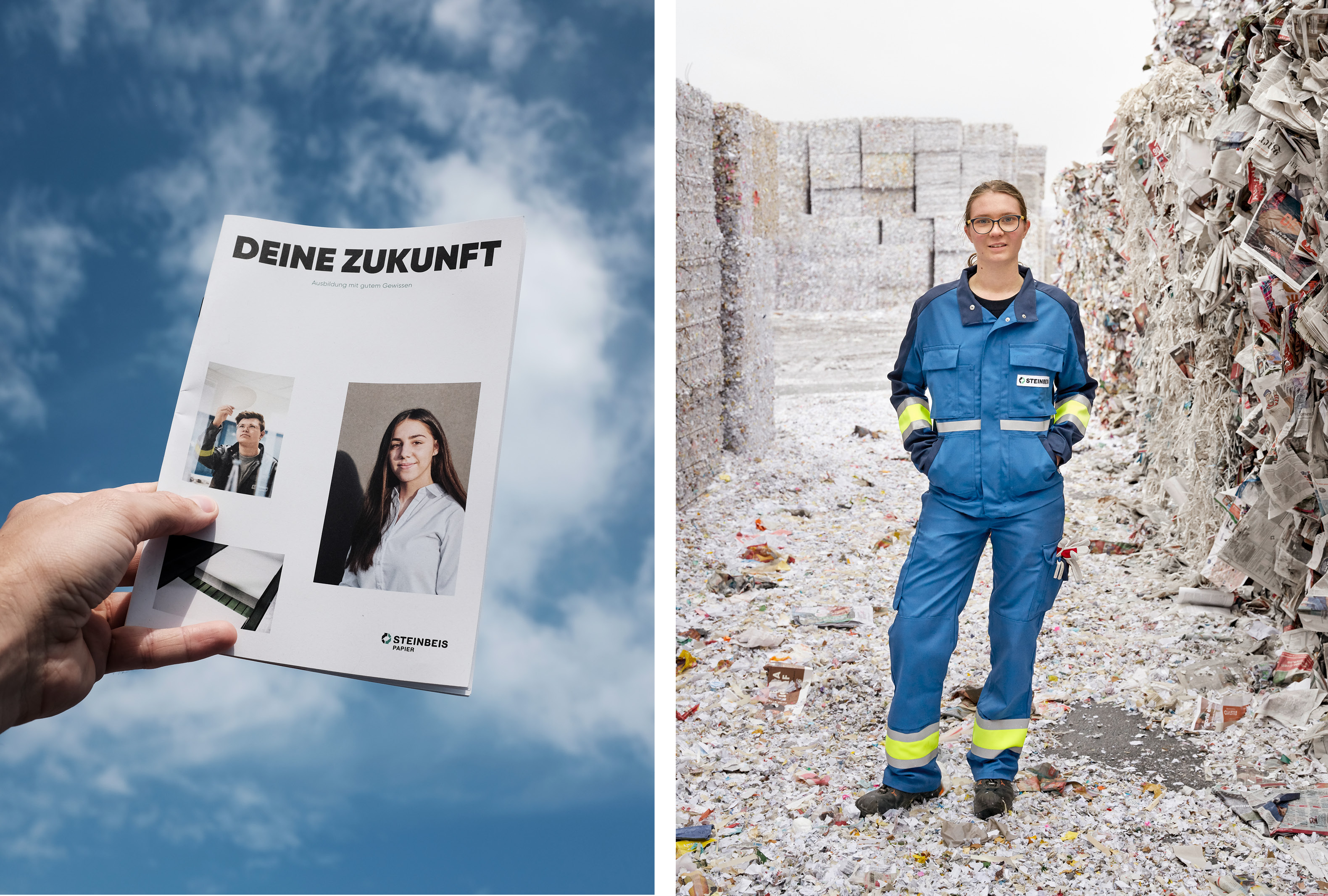
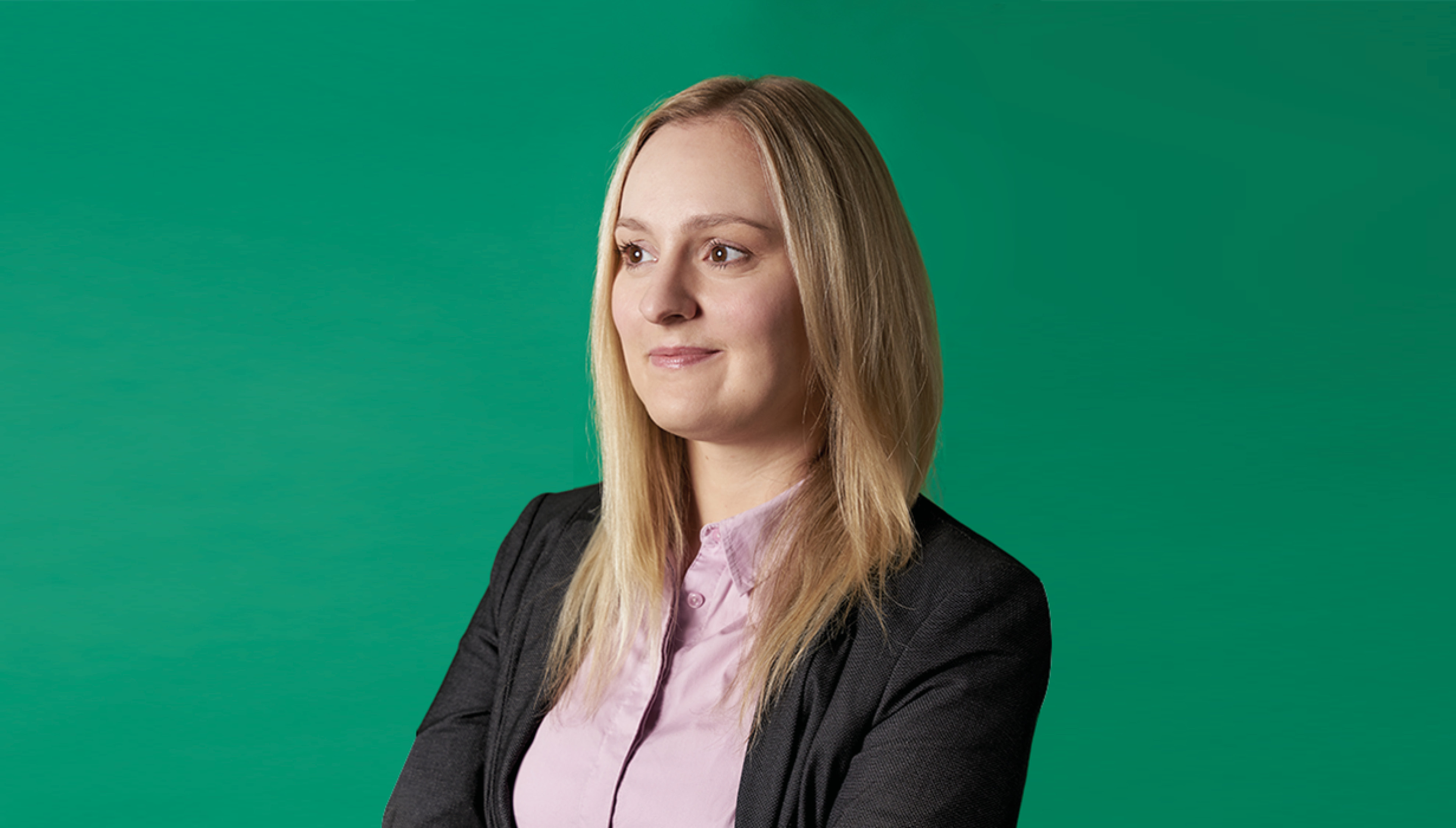
06.12.2022 - They should shape the future of Steinbeis Papier - trainees enjoy special priority at the recycled paper manufacturer. HR Officer Ann-Kathrin Stoldt pursues intensive strategies to secure skilled labour for the company in the long term. In this interview, the 34-year-old, who herself completed a dual study programme at Steinbeis Papier, explains what young people need to bring to the table, what they can expect during their training and what recruiting can look like in the digital age.
What does your day-to-day work as a personnel officer look like?
Very different: one day I conduct job interviews. On other days, I deal with a wide range of employee issues or deal with the many different training topics. I am currently also working on a strategic HR project relating to the holding company and the entire Steinbeis Group. Ultimately, I have a lot of scope to organise my working day and can tackle it according to my priorities.
What are the challenges of an HR officer at Steinbeis Papier?
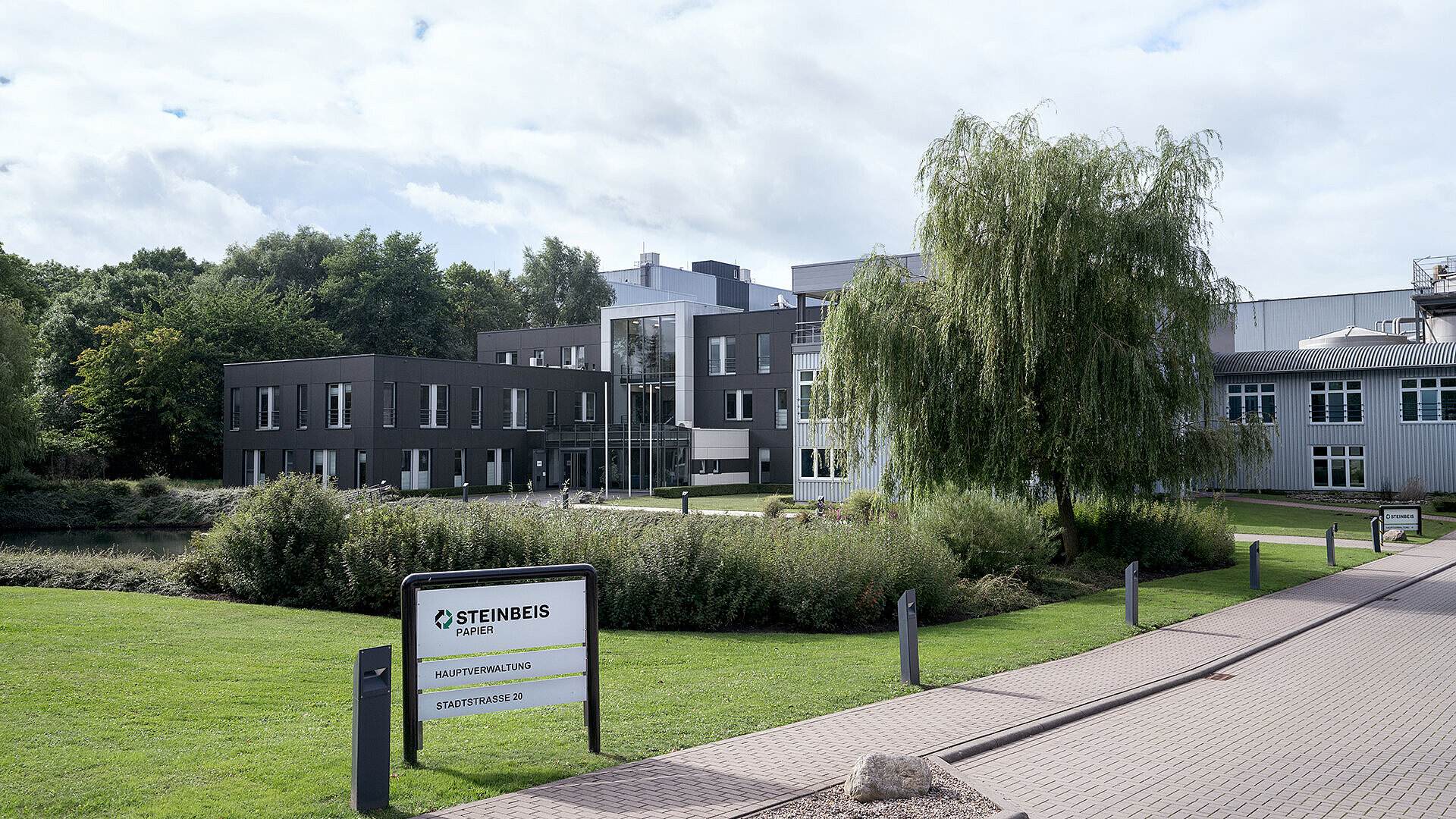
As an HR officer, I am not only responsible for the paper mill, my involvement extends to all parts of the Group. From Steinbeis Energie to EBS Concept, B+S Papenburg or Steinbeis PolyVert Fulda - I have to maintain an overview of all the companies I support and their various concerns. Here at the Glückstadt paper mill, demographic change is playing a major role. In the next ten years, half of the workforce at the paper machines will retire. The challenges posed by the shortage of skilled labour have therefore also reached us.
What strategy is Steinbeis Papier pursuing to combat the shortage of skilled labour?
Firstly, we are pursuing forward-looking succession planning. Here, we bring renowned specialists together with junior staff in order to minimise the loss of knowledge during the generational changeover. We have also almost doubled the number of apprenticeships in order to counteract demographic change. And finally, the recruitment of lateral entrants is intended to significantly reduce the shortage of skilled labour.
How do you recruit young people who are looking for an apprenticeship?
Our training marketing is characterised by various measures. We attend job fairs where our trainees - appropriately trained - can talk to interested parties and report on their experiences at Steinbeis Papier. School co-operations here in Glückstadt with the Detlefsengymnasium, but also with the Elbschule, are important points of contact. Our trainees then present their job profiles there. We also offer job application training in the surrounding areas. Whether business internships or internships in other areas, more than 100 young people a year get to know different areas of our company outside of coronavirus. We also provide an insight into our company with in-house fairs and Girls' Day. Here we think in perspective when young people remember their positive experiences with us in the course of their career orientation.
Steinbeis Papier trainees are active for the company on Instagram and Facebook - what's behind the concept?
We made a conscious decision in favour of this trainee project. On the one hand, we want to place our training programmes exactly where the young target group is and make them known there. We use Instagram and Facebook to show what Steinbeis Papier has to offer future employees. Our trainees are also out and about there and know how to operate there and how to address digital natives visually and in text. Once a week, I have a jour fixe with the social media team where we discuss topics and ideas. Once I have given my approval, our content goes online.
Which apprenticeships are available at Steinbeis Papier?
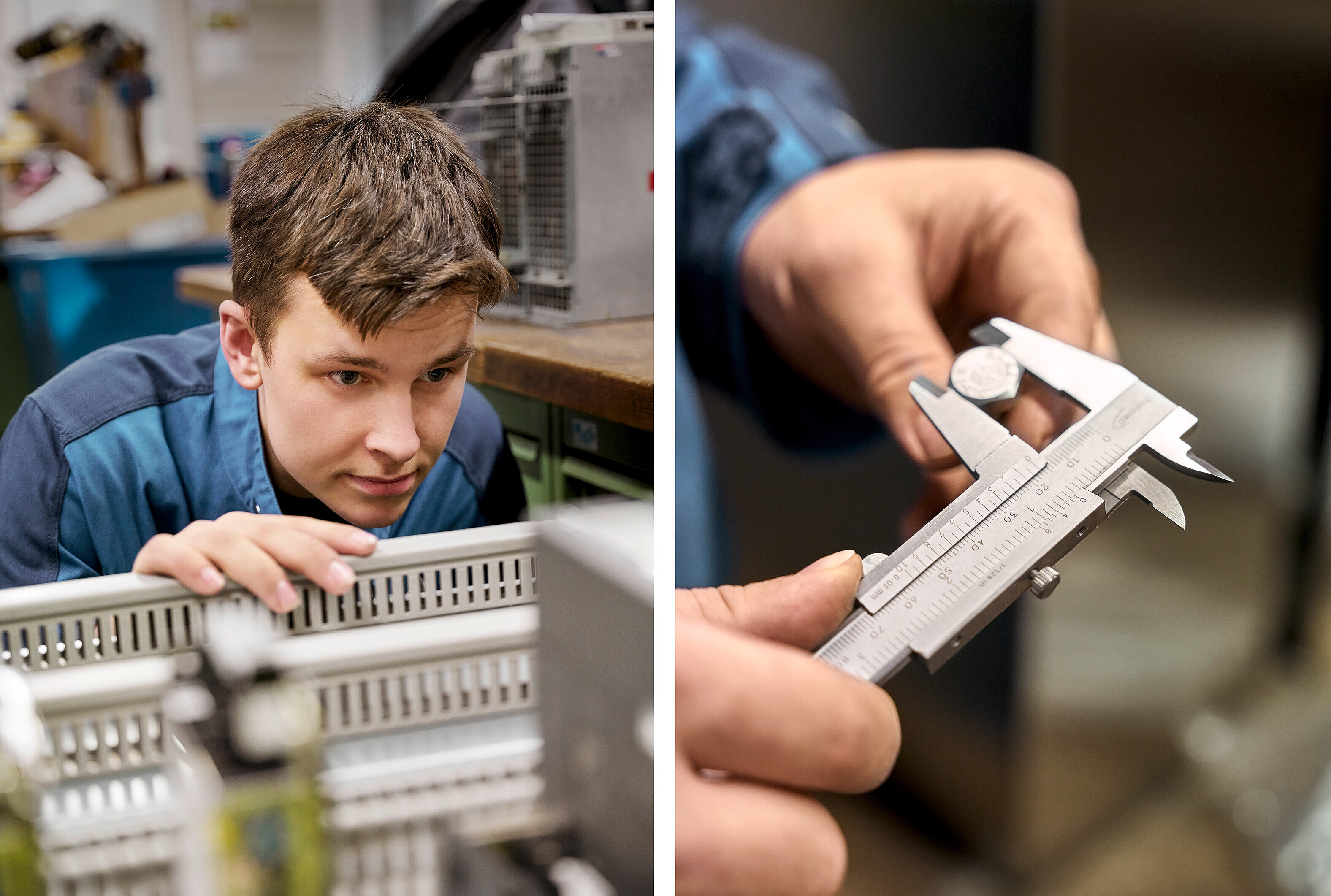
We offer a wide range of training programmes: Industrial clerks, industrial mechanics, electronics technicians for industrial engineering, mechatronics technicians, paper technologists, machine and plant operators, warehouse specialists and the dual study programme in cooperation with the Nordakademie in the fields of business administration, business informatics and industrial engineering. Depending on requirements, there are also other specialised specialists.
Who can apply to Steinbeis Papier?
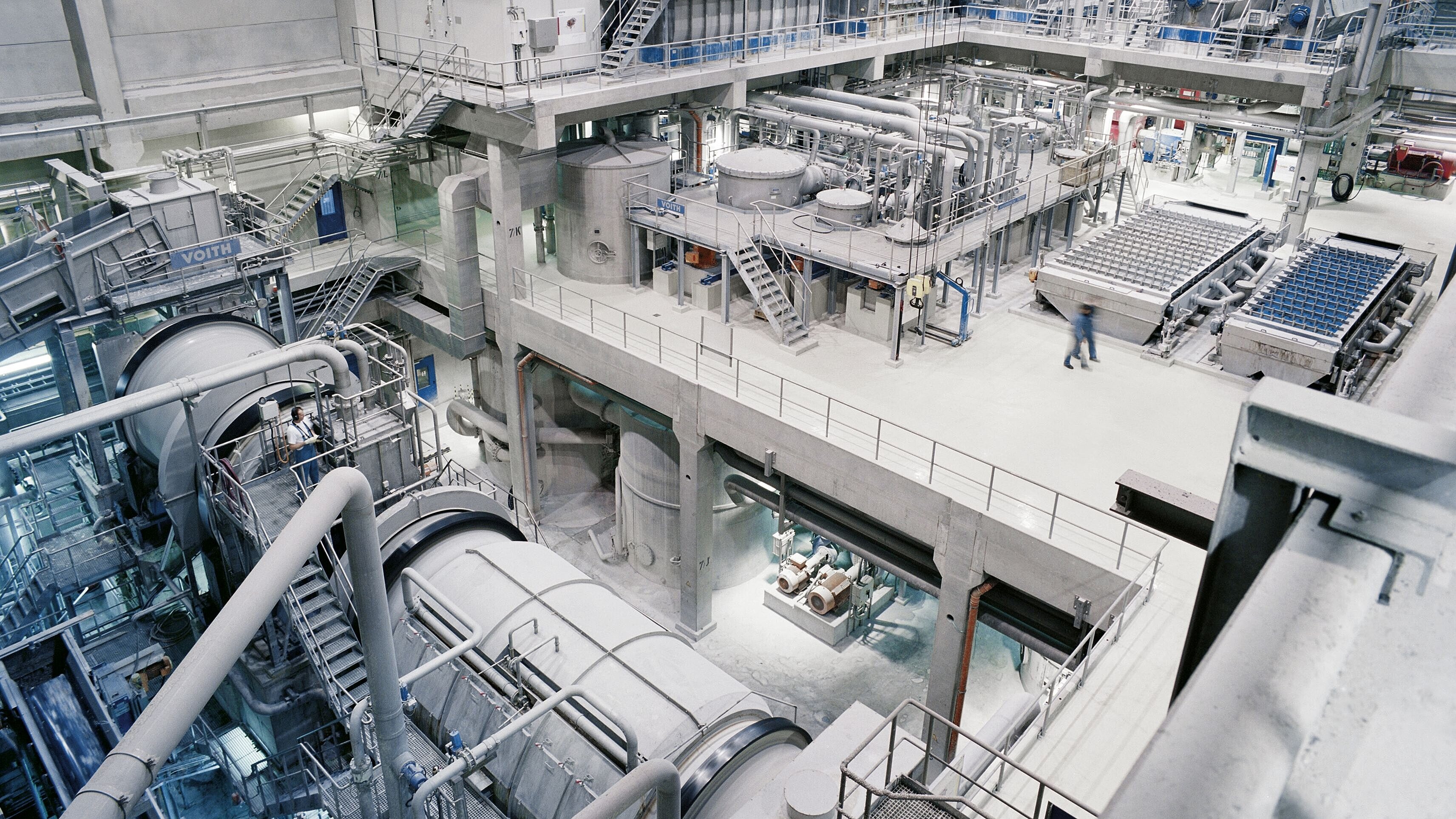
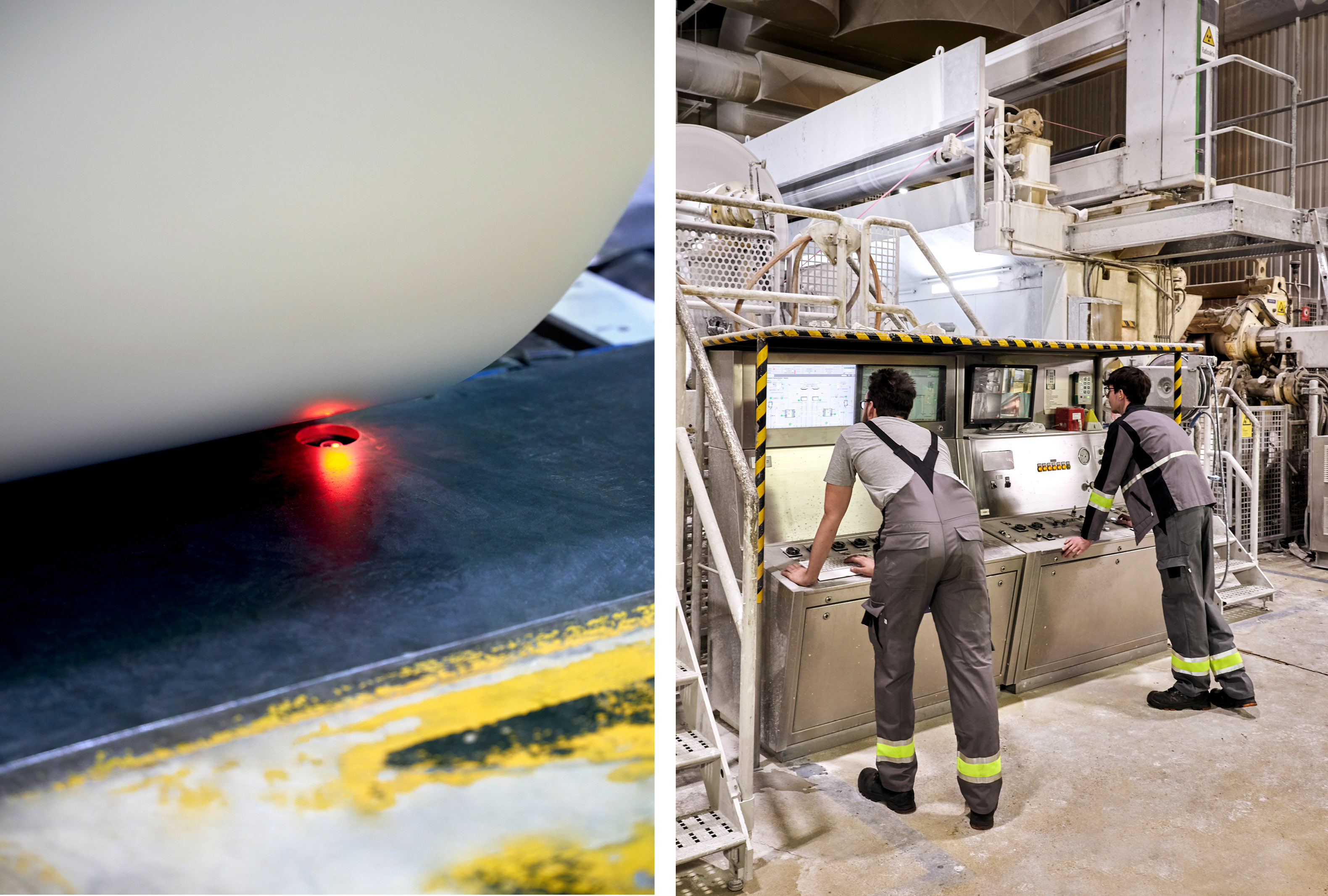
Anyone with a school-leaving qualification should have a chance with us. A university entrance qualification is a prerequisite for the dual study programme. Of course, the job profiles have also changed. Thanks to automation at Steinbeis Papier, we have many more control and monitoring activities in which we provide qualifications. And then, depending on the requirements profile, we look at who is suitable for which training programme.
How is the training period organised at Steinbeis Papier?
Depending on the training programme, the apprenticeships last two, three or even three and a half years. All newcomers, whether for an apprenticeship or a dual course of study, start on 1 August and initially go through two induction weeks. This gives them an in-depth insight into the plant and familiarises them with various committees, such as the plant fire brigade. Team-building activities such as the annual trainee barbecue take place in a relaxed atmosphere so that the trainees get to know each other better. Depending on the training plan of the respective department, there is then an individual agenda for theoretical training in school blocks and practical training at Steinbeis Papier.
How important is the aspect of sustainability in the training programme?
The topic is given special priority from day one. The concept of sustainability and the circular economy, which is so important for Steinbeis Papier, is introduced to the trainees during the induction weeks. In terms of human resources management, we understand sustainability beyond environmental aspects to mean that we want to develop our own skilled labour, which we then retain in the long term for us and the company.
How high is the retention rate?
More than 90 per cent of our trainees stay with Steinbeis after their training. Our training is very needs-orientated and everyone who joins us is needed in the long term. In the industrial sector, we offer scholarships to particularly talented individuals. They can concentrate full-time on their studies, continue to gain practical experience with us and complete their dissertations in the company. We have already been able to win two industrial engineers back for us. We then place our dual students throughout the holding company. They form our future pool of specialists and managers. It is precisely this talent management - getting the right people into the right positions - that is currently my most ambitious project.
What do you think makes working at Steinbeis Papier so attractive?
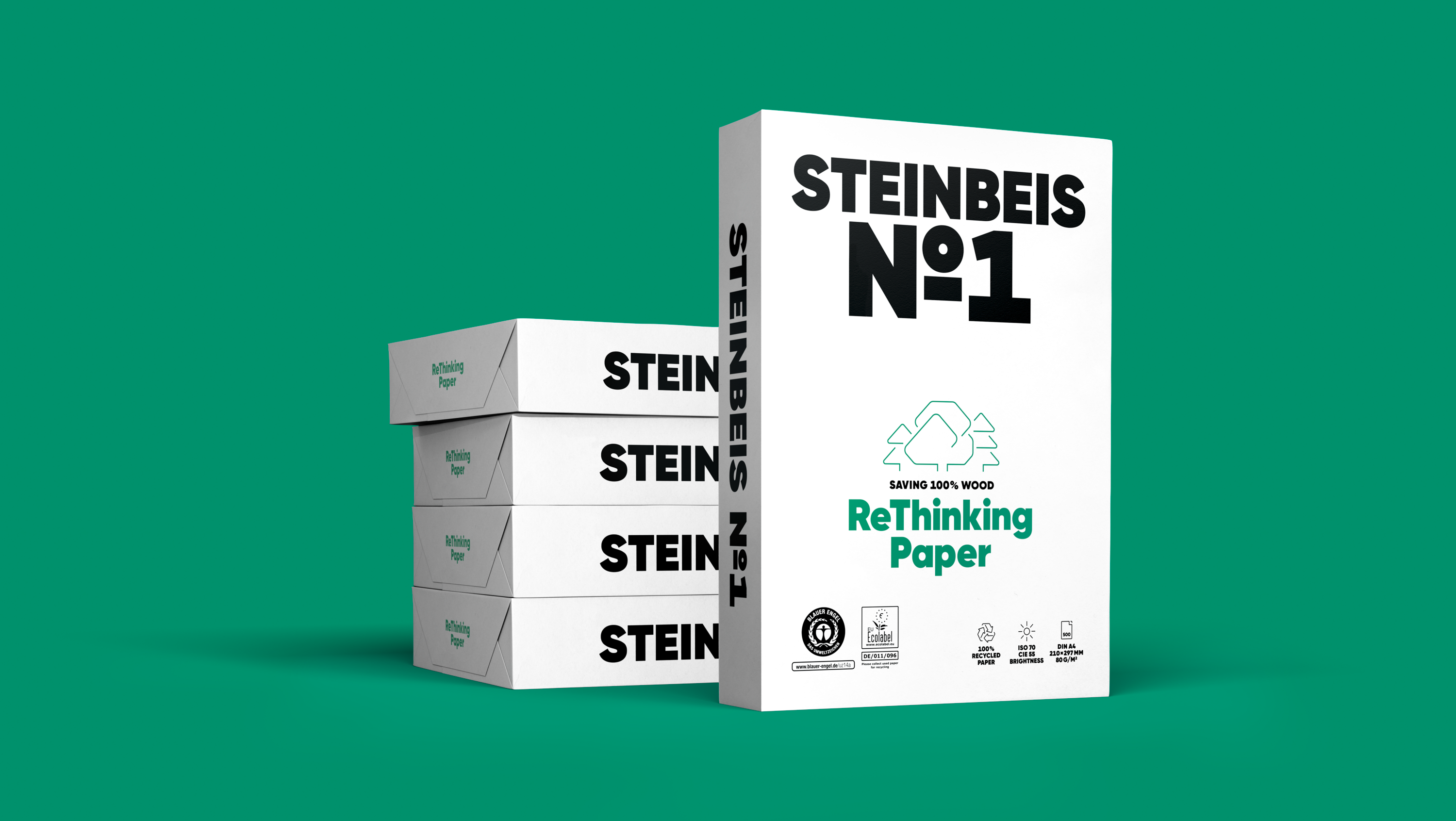
For me, the product is a very decisive factor. It is particularly sustainable, and employees can say with a clear conscience that they work at Steinbeis. The company is also very future-proof. It is constantly investing in new systems and new products. The Steinbeis family is constantly signalling to the team that it is committed to the Glückstadt site. And ultimately, it is the colleagues who make working here even more valuable.
You can find out more about careers at Steinbeis Papier here.
Cover picture: Florian Thoss for Steinbeis Papier
Author

As a senior editor, Benjamin Seibring specialises in developing content on sustainability, mobility, technology and lifestyle. An editorial traineeship at a German media group and his many years of experience in corporate publishing form the basis. With a high affinity for trend topics and innovative AI tools, he implements cross-media storytelling.