The future belongs to sustainable companies

19.10.2018 - The concept of sustainability originally comes from forestry: if you want to preserve a forest, you should only cut as much wood as can grow back. Sustainability therefore means development that is sustainable from an ecological, economic and social point of view, which satisfies the needs of current and future generations without losing sight of the earth's carrying capacity. Sustainable production requires products to be manufactured using processes that are kind to people, animals and the environment.
Never before have companies been required to produce so sustainably and efficiently, both for reasons of competitiveness and profitability, because the more resource-orientated and energy-efficient a company is, the more profitable it becomes.
Numerous studies have come to the conclusion that investments in sustainability and resource conservation are absolutely worthwhile, as a company's reputation today depends more than ever on its drive for innovation and efforts to achieve sustainability. Considering the future scarcity of resources, companies that act sustainably will not only benefit from their actions in terms of their image, they will also have a clear advantage over those companies that are still ignoring the issue of sustainability.
Why knowledge does not equal action
After all, almost 60 per cent of Germans agree with the statement that the environment can only be protected in the long term if everyone adopts resource-conserving consumer behaviour. According to studies conducted by the Federal Environment Agency on environmental awareness between 1996 and 2014, there was a gradual, slow shift in awareness in society, resulting in an openness towards sustainable consumption. In 2018, more and more consumers want "green products" and the will to switch to resource-saving, environmentally friendly alternatives is clearly recognisable.
Nevertheless, a mind-behaviour gap can be identified, as awareness of ecologically correct behaviour does not necessarily lead to its implementation on the part of consumers. Sustainability yes - but this should not mean doing without, but rather adding personal value and saving costs at the same time. After all, frugality and doing without still have a "negative image", even in the social environment of consumers. The procurement channels for sustainable products are also often longer and more complicated for consumers, meaning that the effort involved is not in proportion to the personal benefit.
Another problem is that many consumers are insufficiently informed when it comes to sustainable behaviour in everyday life. Waste separation yes, organic products are also popular, but when it comes to personal convenience and massive time savings, it becomes more difficult. How can it be explained that consumers who are otherwise very interested in environmental issues regularly travel short and long distances by plane? Studies suggest that the rebound effect increases with rising income and higher education and that the ecological footprint is significantly more negative if you are one of the higher earners.
Why companies should not make empty promises
Raising consumer awareness of sustainability is also the responsibility of the economy, but previous approaches by companies have not yet been sufficiently rewarded by the market, which is also due to the fact that most dialogues about sustainability cannot be linked to the needs of consumers.
There is also a lack of clarity among consumers as to which products and services have really been produced in an environmentally and socially responsible manner. For sustainable consumption to be possible, it is important that the decision-making options for consumers remain manageable and that there is no "information overload". Certain incentive systems or choice options based on content (minimum requirements for products) make it easier for consumers to decide in favour of a sustainable product. This has already been successfully implemented as part of the Ecodesign Directive.
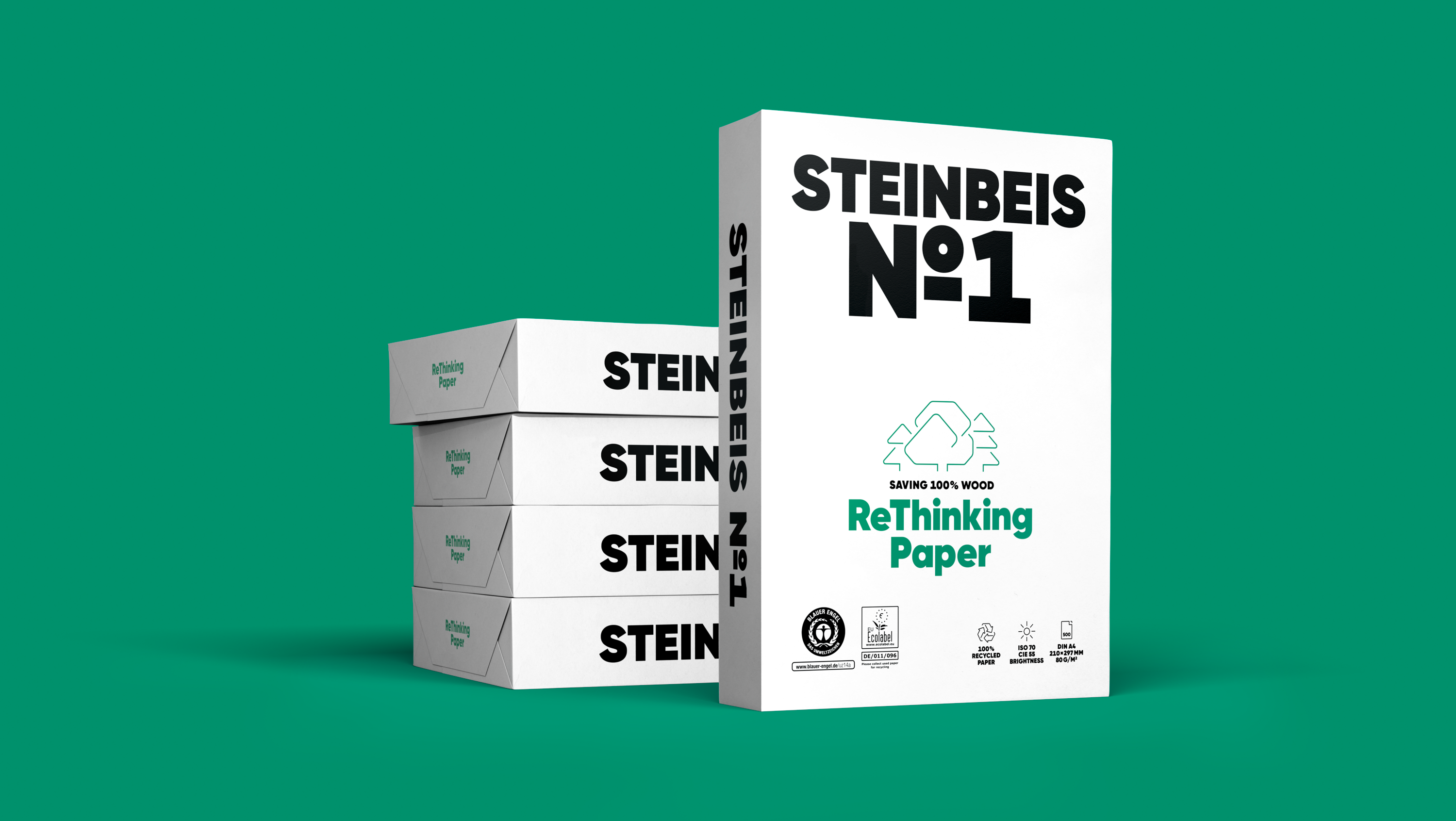
Companies can also use seals and certificates to build trust with customers, as the signalling method bundles positive information and consumers are not confused by the wealth of information - this increases the credibility of producers and identifies the sustainability of products. On websites such as www.siegelklarheit.de, consumers can find out which criteria are used for the seals. Authenticity is extremely important here, as labels and stamps are of little use if they say nothing more and turn out to be empty promises.
Nudge or force?
The limits to growth are finite and studies such as the 2018 World Climate Report and the 2018 Forest Report show us that it is time for a paradigm shift. As the reports show, issues such as global warming, resource scarcity and waste have reached a whole new level of urgency. Buzzwords such as renewable energies, energy saving and efficiency determine political and economic regulations. However, an ecological approach to growth and productivity has by no means reached all manufacturers and industries.
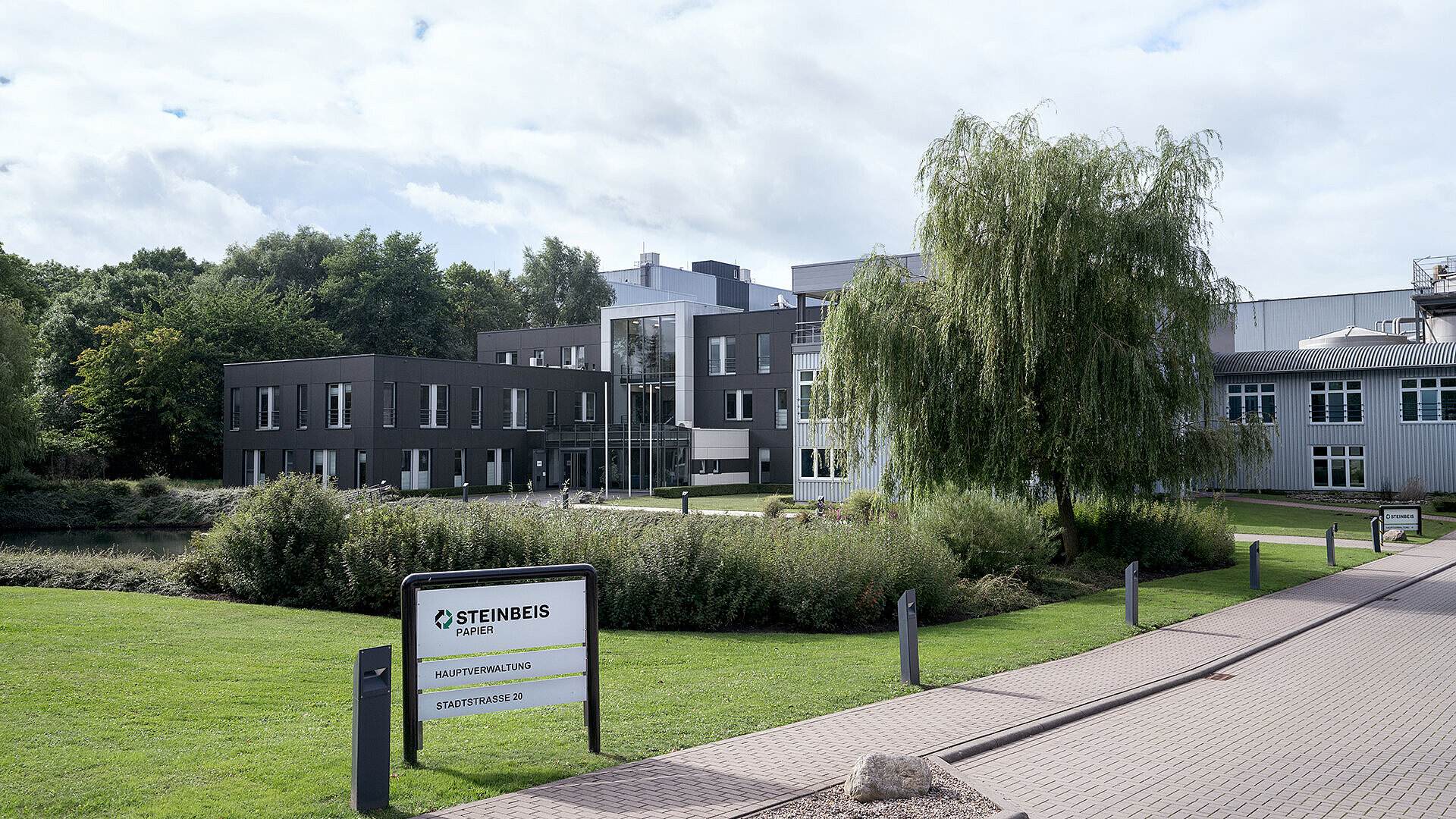
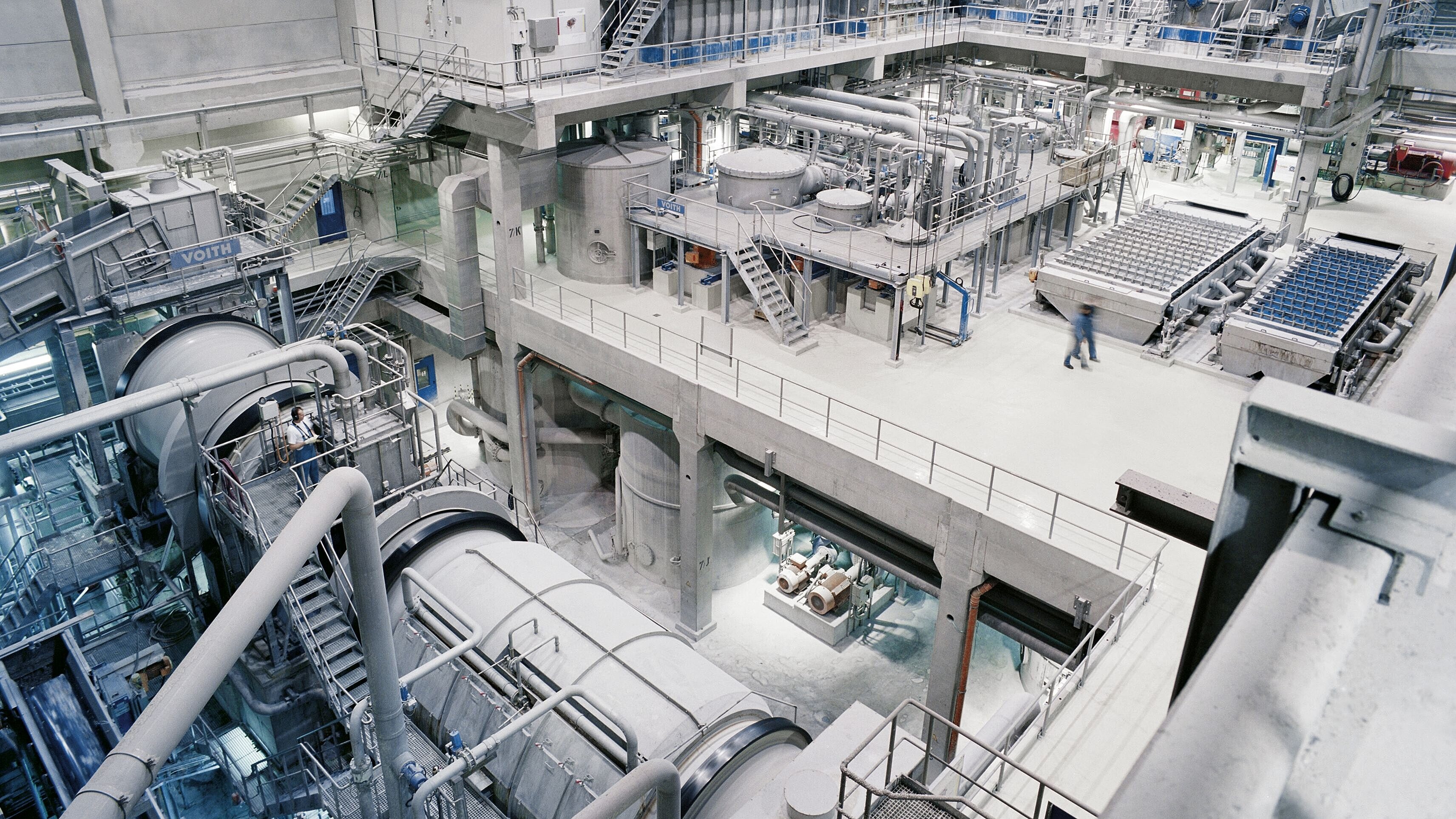
With the help of politics and business, consumers must also be given more opportunities to move within a sustainable consumption chain and not opt out of it. Even if consumers are already aware of this, there is still a lack of sustainable options for action. The concept of "nudging", for example, in which consumers are to be steered in the right direction without any prescriptions or commands from politics and business, is highly controversial. The demand for closed, ecologically sustainable consumer chains is becoming increasingly urgent. A closed recycling concept, for example - as successfully realised by Steinbeis - which is based on a circular economy model, could find its way into a wide range of industries. There is only one alternative for manufacturers and consumers - and it is sustainable.
Green marketing generates likes
First and foremost, companies that want to improve in terms of sustainability should first take stock honestly - for themselves and for their customers. They need to work out where they can still save resources and choose sustainable alternatives and approaches. Transparency is essential, especially when it comes to showing customers where their raw materials are sourced from, for example.
Sustainability should be an integral part of today's communication strategy. Companies can take on a pioneering role here, become "trendsetters" and act as ambassadors for sustainable consumption. They also need to do this in order to adapt to the changing needs of their customers. It is also the task of companies to make the benefits of a sustainable product clear to customers. Responsible consumption should become a selling point per se.
In terms of companies' marketing endeavours, this means fewer figures and statistics and more emotions. Lifestyle no longer necessarily means owning a lot - a particularly high potential for identification and the feeling of belonging have become more important, whether through so-called bloggers and influencers or the community on social media channels, which thrives on likes and comments. Consumers are increasingly becoming prosumers; they want to be involved, have a say and be able to generate influence through their social media activities. Cross-media marketing is therefore no longer a dream of the future: marketing as we have known it up to now is no longer sufficient. Customers need to be addressed in a variety of ways (social media channels such as Instagram, Facebook, YouTube, live events, PoS advertising, company website). This also makes it clear to customers that the company is creative and open to new approaches.
An unconventional partnership
How can it benefit the environment if a nature conservation organisation and a company such as Edeka and WWF work together? Scientists investigated this question on behalf of the Federal Environment Agency. They found that partnerships that focus not only on individual products but also on entire business areas of the company have the greatest potential for sustainable business practices. Transparency, clear, defined objectives, independent controls and publication of the results for buyers are basic prerequisites. The partnership can also have a transformative effect, as it can provide new impetus that goes beyond the partnership.
The social, media and political interest in sustainability campaigns such as the IPR, in which CEOs of leading companies show their colours and campaign for the use of recycled paper and resource conservation, or the German government's Corporate Social Responsibility Award - all efforts by public institutions, associations and educational institutions are essential when it comes to disseminating information. The fact that "social value" plays an important role in the evaluation of companies today is shown by the seal "Germany's most valuable companies", awarded by the Top Money brand 'Deutschland Test'. Steinbeis is one of the 300 companies honoured with the best social value score.
It's never too early for sustainability. It should begin in kindergarten and continue in education and training programmes right through to universities. Various model projects in this direction have already proven to be promising and are increasingly finding their way into the public sphere.
Why uncertainty is part of the process
As with all transformation processes, questioning and changing one's own actions is almost always associated with great uncertainty, obstacles and structural difficulties, both for companies and for consumers themselves. It is important to tread unconventional paths and take on a pioneering role, even if the efforts will only bear fruit later. Or as Harald Welzer aptly describes it:
"Social transformations are uneven; first the so-called "first movers" are seen as cranks, then as avant-garde, then as role models. You therefore don't need majorities to change societies.... Three to five per cent of the population is enough ... to set in motion profound and sustainable social change."
Cover picture: iStockphoto
Author: Sandra Staub
Co-author: Sinem Scheuerer