The engine for sustainable supply

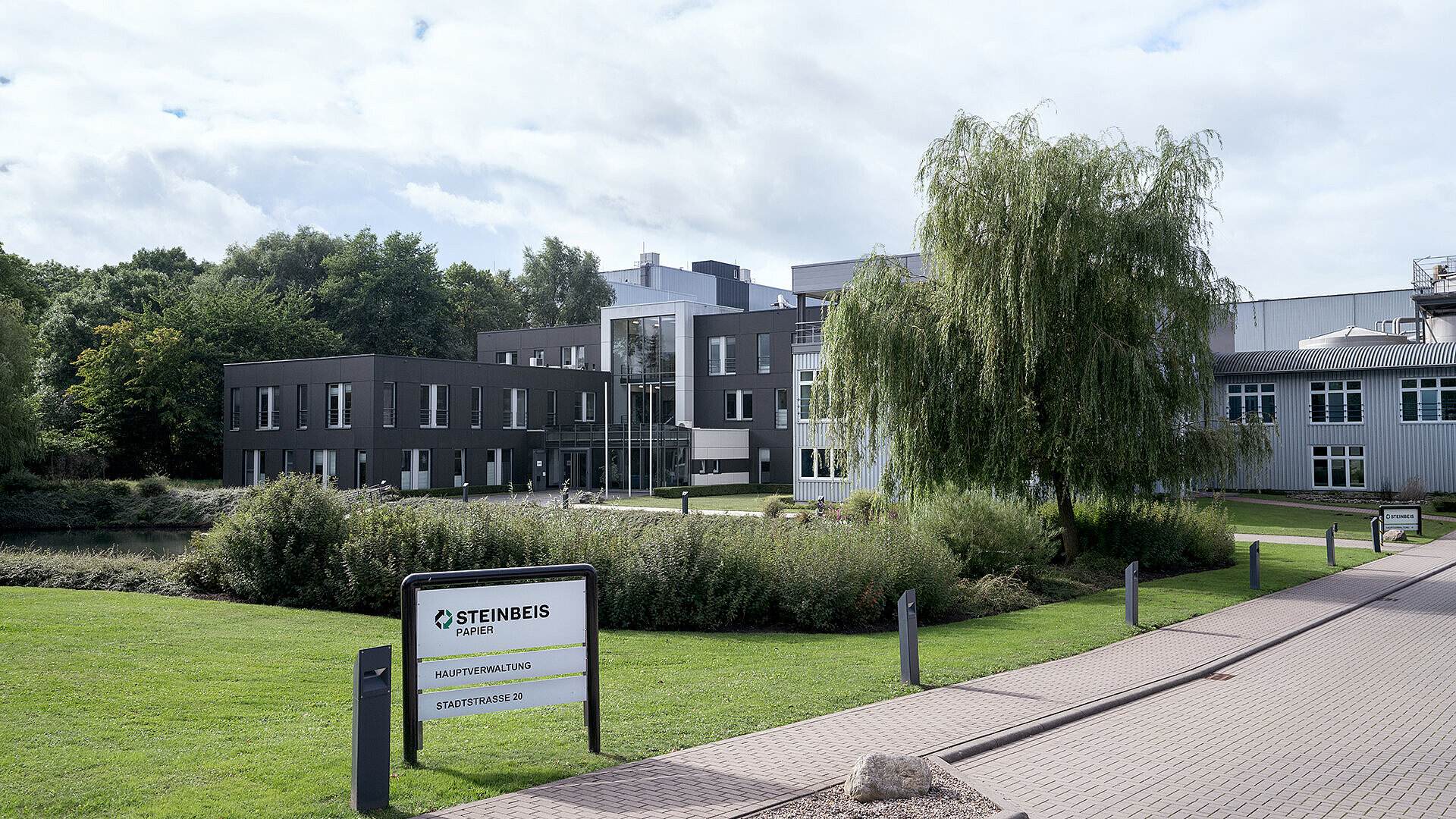
09.07.2024 - AP Concept is an important part of Steinbeis Papier's supply of high-quality recovered paper grades. For 25 years, the Glückstadt-based company has played a central role in municipal waste disposal, in the waste paper trade and in direct customer relationships. With a flexible approach and a focus on sustainability, the company overcomes the challenges of a changing market. Eike Lömker, responsible for Acquisition & Administration at AP Concept, explains in an interview how this process works and where new opportunities arise.
What should companies and private individuals bear in mind when disposing of waste paper?
Firstly, always keep the bin closed so that the material remains dry. The paper should be thrown loose into the waste paper bin, not in plastic bags or similar. It is important that cardboard remains large. They do not need to be shredded. If a cardboard box is DIN A4 in size, this is ideal. Small shredded cardboard is difficult to capture in the sorting process. Waste paper that is shredded to approximately DIN A3 or DIN A4 format fits well in the domestic waste paper bin and can be collected by us in the first sorting steps.
Can you give us an overview of your role and tasks at AP Concept?
Essentially, I am responsible for the procurement of waste paper, which, due to its nature, has to undergo further processing or pre-treatment until it is of a quality specified for the paper mill. We also act as a disposal partner and commission service providers for this. In a secondary function, I perform the tasks of safety officer and waste management officer, and after the office remodelling, I create the new fire protection folder. My area of responsibility is therefore varied and includes both operational and administrative activities.

What services does AP Concept offer and for which customers?
Our waste paper procurement is divided into three areas: Firstly, municipal disposal, where we take part in tenders from districts and local authorities. The aim here is to process the waste paper produced at our sorting plant so that the graphic portion can flow back into the production of high-quality recycled paper at Steinbeis. The non-graphic fraction, the "side stream", i.e. mixed paper and cardboard, is sold to manufacturers of grey cardboard or corrugated cardboard, for example. The second mainstay is waste paper trading, where we buy the required grades from other disposal companies and trading partners, process them operationally or deliver them directly to the paper mill. Last but not least, we also offer a wide range of waste disposal services for commercial customers. This diversified strategy allows us to react flexibly to market developments while ensuring a sustainable supply.

What is AP Concept's business strategy and corporate philosophy?
At AP Concept, we pursue a clear business strategy that aims to remain independent of fluctuations in the waste paper market. The sometimes highly volatile prices are a challenge for us. Our focus is on securing the material flows for us and for Steinbeis Papier and ensuring security of supply in order to avoid waste paper bottlenecks. Since our foundation 25 years ago, we have always managed to remain true to this approach and implement it successfully.
What does the actual sorting process in waste paper processing look like?
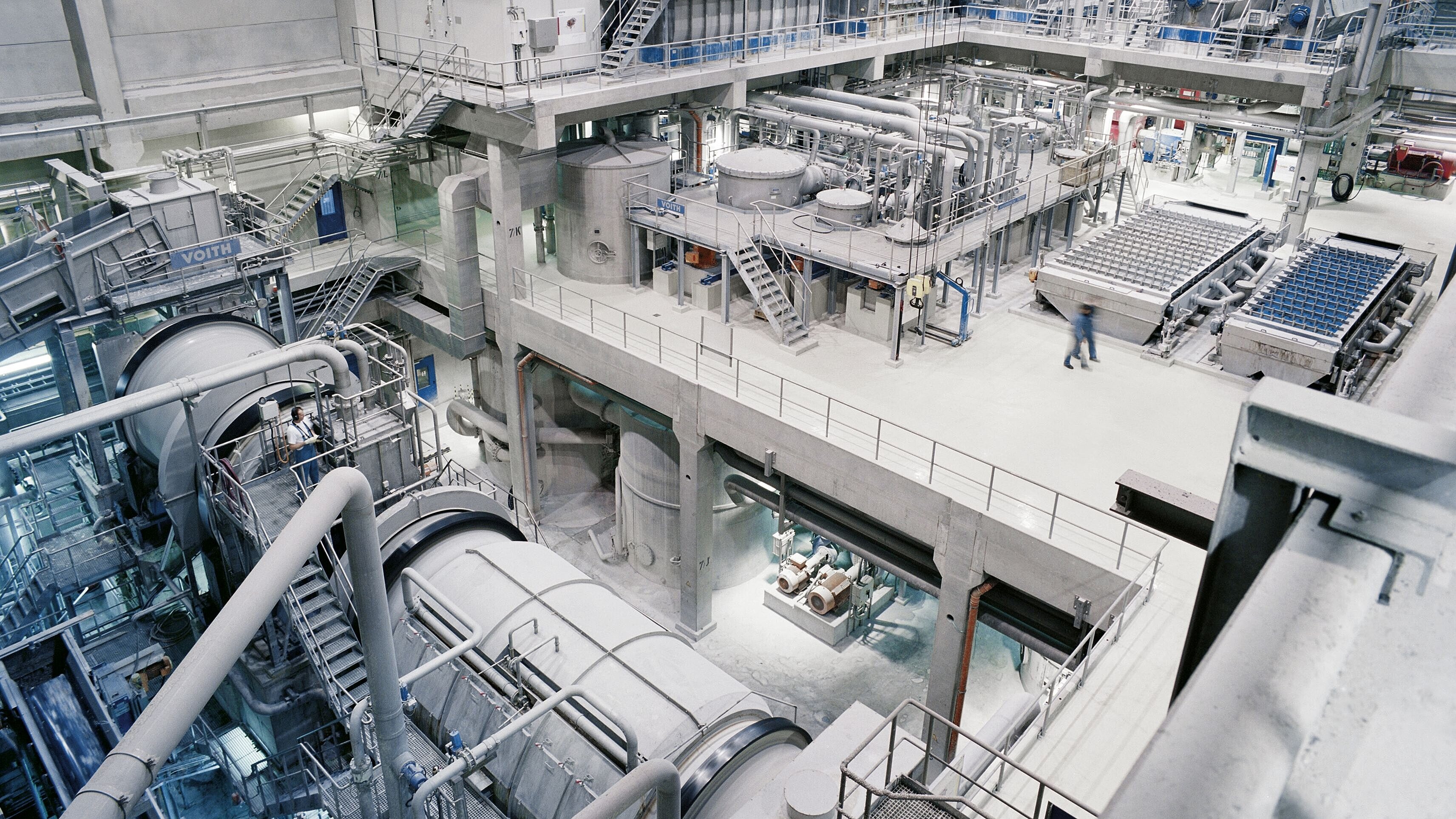
Our sorting process is multifaceted and takes place in several steps. For municipal disposal in our home district, for example, the collected waste paper is delivered to our raw materials warehouse by the compactor vehicles, tipped there and processed in our sorting plant. Our sorting plant consists of several stages: Firstly, coarse cardboard is sorted out, followed by fine sorting for small cardboard and abrasive materials such as broken glass or crown caps. A paper spike then separates any cardboard still in the material flow. The remaining portion is scanned by a near-infrared system in order to remove any remaining non-paper components as effectively as possible. Despite these automated processes, manual sorting is still carried out at the end to ensure that no printed cardboard or other unwanted materials remain in the waste paper. The end product is delivered to Steinbeis Papier as deinked goods for the production of new paper. The mix of purchased paper qualities and our own sorted waste paper is used by Steinbeis to manufacture its product portfolio.
What criteria must be met for paper to be processed into recycled paper?
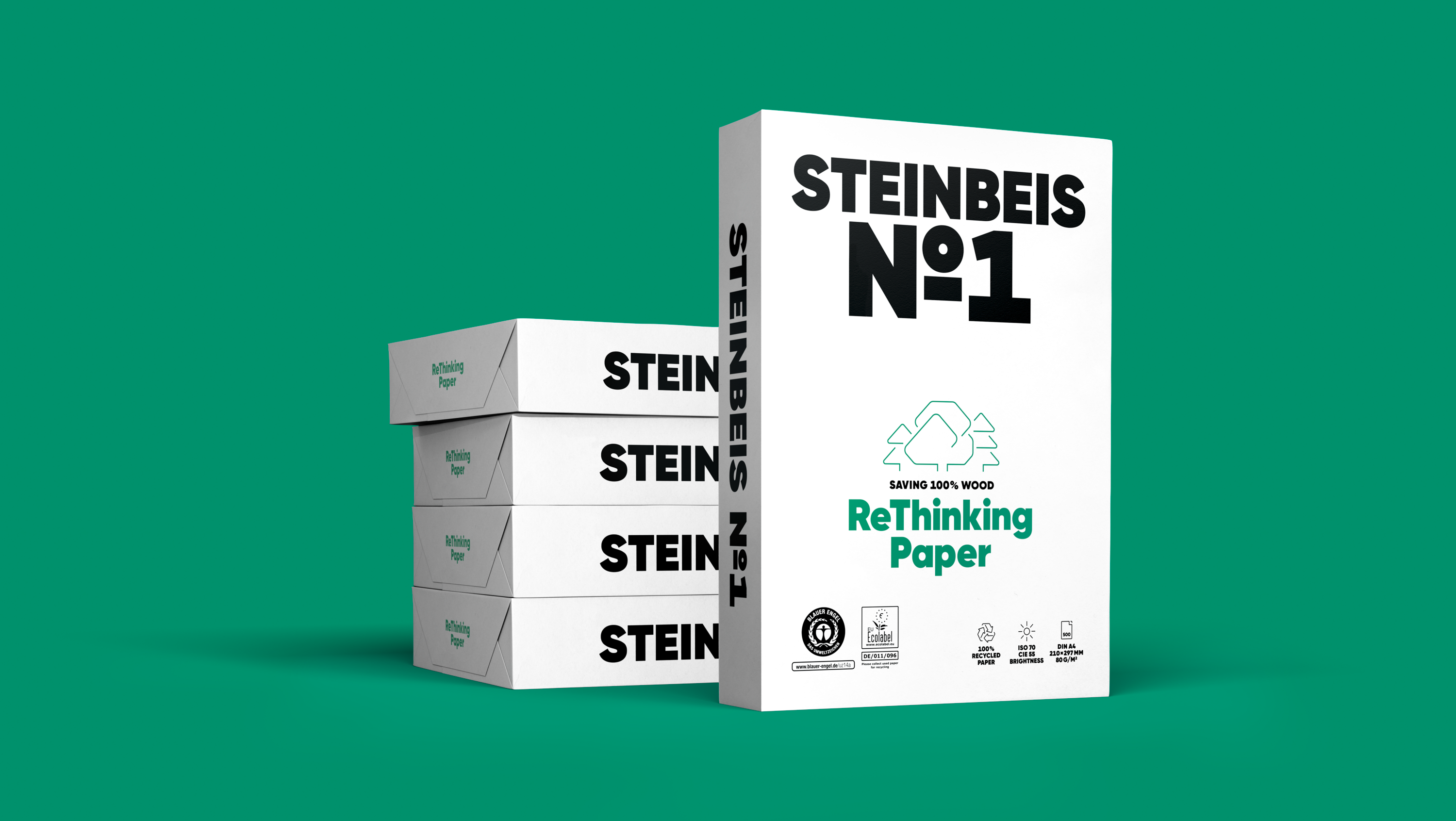
Firstly, it must be paper and not cardboard. In addition, the paper must not be solid-coloured. The colours of certain printing processes cannot be deinked and would have a negative impact on the end product. Magazine production techniques such as hologram printing or UV coatings for visual enhancement make deinking, i.e. the removal of printing colours, more difficult.
How can AP Concept guarantee certain paper qualities?
We work according to clear guidelines and procedures. The basis is the waste paper standard DIN EN 643, which categorises the types of waste paper. Some of these grades are specified for Steinbeis Papier so that we can work according to clear guidelines. Our task at AP Concept is to process the collected waste paper. This process is done mechanically and the final product delivered to Steinbeis Papier is visually inspected and regularly checked. We carry out counts by taking random samples of a certain weight and analysing the impurities in the paper. In doing so, we adhere to defined limits - for example, up to 1.5 per cent impurities are allowed in the paper; if these are exceeded, warnings or complaints are issued. One factor that influences the quality of the waste paper is, for example, rainy weather. The waste paper gets wet in the blue bins or at transfer points, which impairs the sorting process.
What role does AP Concept play in the entire paper cycle?
We are the exclusive waste paper procurer for Steinbeis Papier. If there are new or other usable types of waste paper, we take care of the procurement of samples. These are analysed for their usability in the Steinbeis laboratory. Various factors such as printing process, filler content and paper type play a role here. Once the paper has been tested in the laboratory and found to be suitable, a sample delivery is agreed and sent to the factory. There it is accompanied through the production process to monitor the effects on the end product. This ensures that the waste paper meets Steinbeis Papier's high quality standards and is efficiently integrated into the production process.
What are the particular challenges in sourcing waste paper?
We are experiencing a decline in print runs, and in recent years many print shops, including large ones, have closed or relocated their production sites. The proportion of print media is decreasing and the volume of print advertising such as newspaper inserts and flyers has also fallen significantly. As a result, less waste paper is coming onto the market. To counteract this, AP Concept is focusing on directly approaching companies and sensitising them to sustainability. We are also trying to motivate companies to pre-sort their paper themselves in order to optimise the recycling process. Even if this does not bring us any direct financial benefit, we know that it ultimately contributes to better recycling of waste paper and therefore to a more sustainable cycle.

Can you give us an insight into the cooperation between AP Concept and Steinbeis Papier?
Our main contacts are the purchasing department and, of course, our colleagues from the waste paper processing department. We have regular meetings and coordination discussions about deliveries, support services or even complaints and their consequences. Things can sometimes get controversial. Many of us are former Steinbeis employees, so we know each other well and maintain a collegial atmosphere at all levels. The short lines of communication make many things easier and working together is uncomplicated, even if there are of course points of friction. But these can be resolved quickly and easily. All in all, it's a very good working relationship.
How do Steinbeis Papier's innovations, such as the speciality paper line, affect AP Concept's business?
As part of the Steinbeis innovation programme, AP Concept is working on procuring new types of waste paper and developing additional sources of supply. This varies depending on the source and is done in close contact with our colleagues in Sales at Steinbeis. This stimulates the market because people realise that it is important to think about the disposal and recycling of the respective products and materials as early as the procurement stage and to integrate them conceptually into sustainable management. In this way, we can work with customers to ensure that these special types are also optimally utilised and recycled.
Where does AP Concept see new opportunities for the future, and what perspectives and ideas for new approaches already exist?
We at AP Concept see new opportunities, but also challenges. It will be exciting in the future when Steinbeis Papier develops new products and we take care of the recovery of this material. This also involves conducting innovative research into the development and processing of this material and examining whether it can be reused. The aim is clear: the material that is produced should also be taken back and recycled to a high standard - and not end up in incineration or landfill. Multicomposite materials, i.e. primarily packaging that consists of different materials or layers, for example plastic, and only looks like paper on the outside, pose an increasing challenge. We therefore hope that recycling will become more widespread, or rather that everything we consume will be assessed in terms of its recyclability at the point of purchase.
What is your personal sustainability agenda?
I live in the countryside with my family and think it's important to use resources consciously. We grow our own vegetables and try to be as self-sufficient as possible. That doesn't mean we are completely self-sufficient, but we favour regional products and seasonal food. If time allows, I like to cycle to work, even if it's 30 kilometres. It's exhausting sometimes, but it allows me to do my bit for the environment and stay active at the same time.
Cover picture: Steinbeis Papier
Author

As a senior editor, Benjamin Seibring specialises in developing content on sustainability, mobility, technology and lifestyle. An editorial traineeship at a German media group and his many years of experience in corporate publishing form the basis. With a high affinity for trend topics and innovative AI tools, he implements cross-media storytelling.