The e-bike in the fast lane
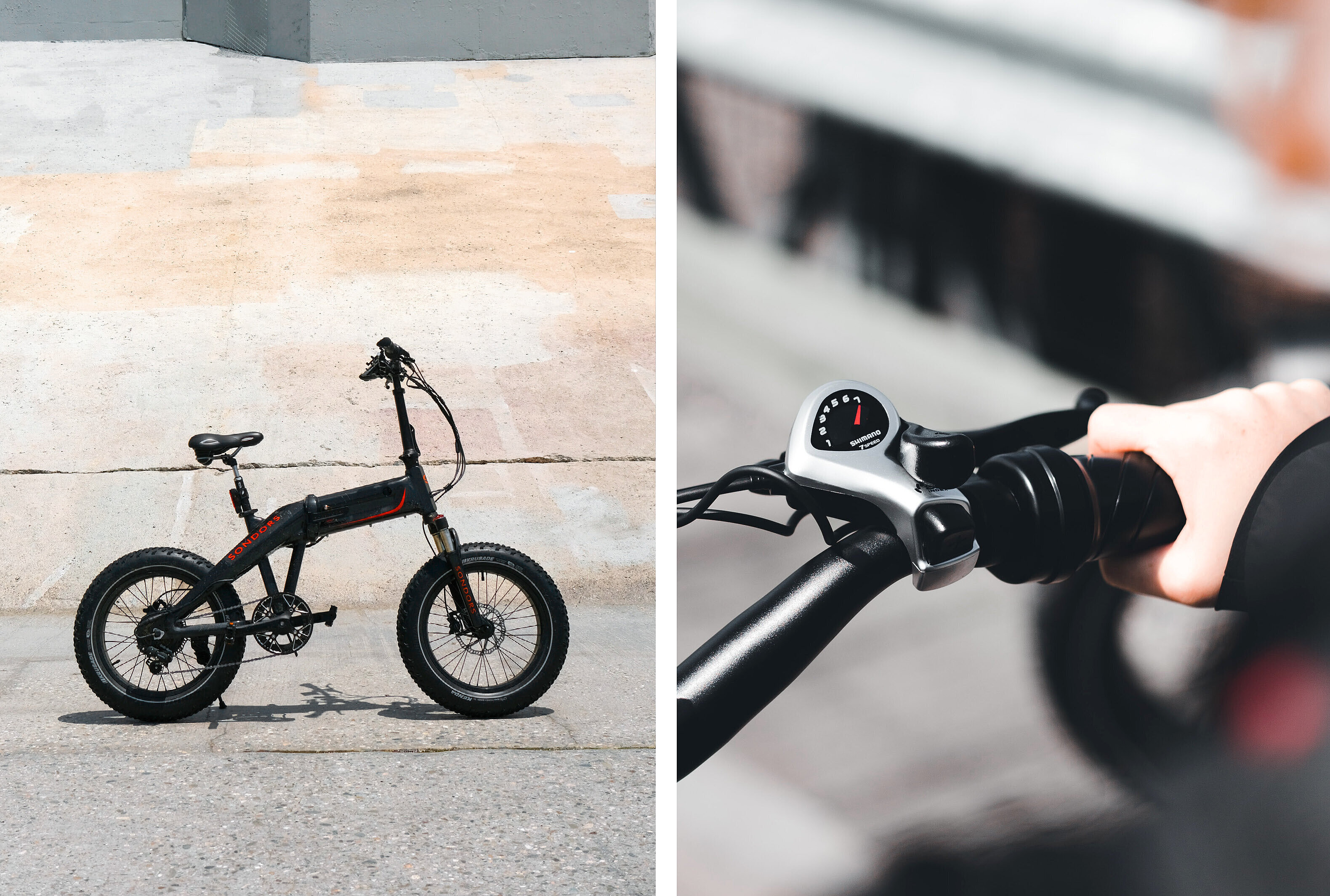
05.07.2022 - Whether in the city or in the countryside, on holiday or in commuter traffic - the e-bike has become an integral part of German roads and cycle paths. This form of transport is not only practical for young and old, but also gives a good feeling of being sustainable. Renowned cycling expert Marcus Degen deals with two-wheeled topics on a daily basis in his online magazine "Velomotion". In this interview, he reveals what is behind the e-bike trend, how sustainable it is and whether the electrified bike represents a paradigm shift for our mobility.
What makes e-bikes so fascinating?
That's obvious: it's simply fun. I've been writing about e-bikes for 15 years and I've often seen people sitting on an e-bike for the first time. Everyone got off with a grin on their face and a wow feeling.
And is this wow feeling also reflected in acceptance?
Our office is in the countryside in the Bavarian Forest, here in the village you've hardly seen anyone on a bike for 100 years. Not to the supermarket, not to school and not to work. But in the last few years - of course, even more so due to coronavirus - I've suddenly seen a lot of people riding around on e-bikes because it's so easy.
What types of e-bikes are there?
You can buy e-bikes for everything from mountain bikes and trekking bikes to city bikes. Even the sportier segments such as racing bikes are available electrified. But these are really niches. This also raises the question of whether it makes sense, as every racing cyclist rides faster than the permitted 25 kilometres per hour for e-bikes on a straight stretch of road. Children's bikes start at 24 inches. If mum and dad ride e-bikes, the ten-year-old child would have to pedal quite a bit on a conventional bike on a weekend trip.
Will the e-bike replace the car, the bus and other mobility solutions?
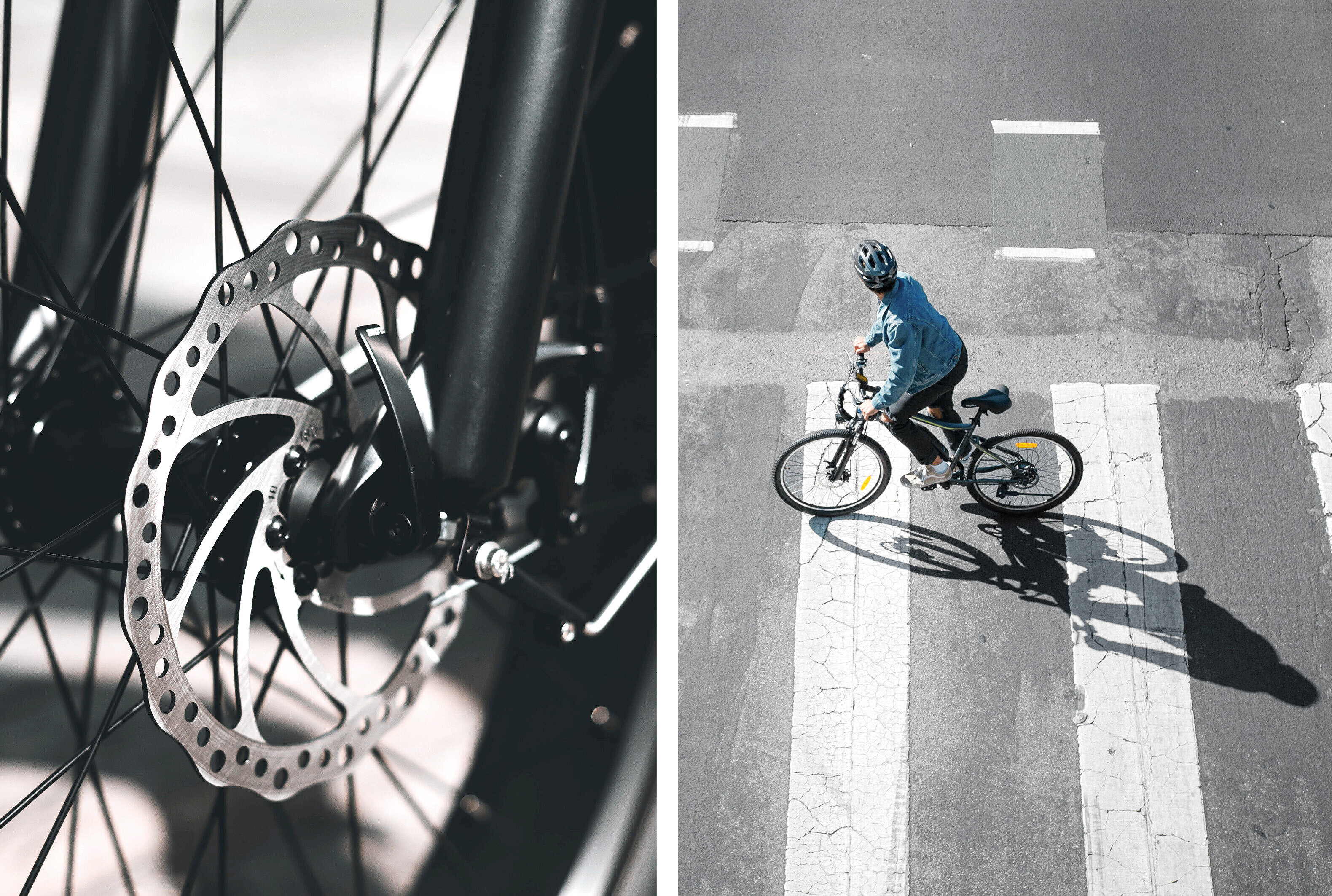
Replacing them is one of those things. The e-bike is clearly a luxury product that you also have in your garage. I doubt that it will replace the car and other means of transport, but only add to them.
How sustainable are e-bikes?
I believe that there is undoubtedly potential for sustainability with e-bikes. Of course, it requires that people actually use them and leave their cars behind. Unfortunately, they are not yet doing this to the extent that they could be. And that brings me to a crucial point: the inadequate infrastructure in Germany. Cycle paths in both urban and rural areas are at the bottom of the to-do list in transport planning. A new three-lane federal highway was recently inaugurated here, but cycle paths are nowhere to be found. And we're talking about an access road into the Bavarian Forest.
What does the life cycle of an e-bike look like, especially when you consider the battery?
An e-bike battery lasts a long time, and that's not the limiting factor for me. Large, reputable battery manufacturers from well-known brands specify a battery life of 500 to 1000 charging cycles. A modern e-bike battery can go 80 to 100 kilometres on one charge. Ergo: You get a mileage of 50,000 to 100,000 kilometres. And after these 1000 charging cycles, the battery is not broken, but continues to run at up to 60 per cent capacity, depending on the manufacturer. Eight million e-bike batteries are currently in circulation in Germany, of which only 320,000 - around four per cent - have been recycled so far. And it is the same with e-bike batteries as with all other batteries - manufacturers are obliged to take back and recycle at least 90 per cent of the materials and raw materials.
Are there sharing models?
They are not yet widespread, but there are models such as Sharea. A combination of the words sharing and area. In future, shareas are to be included in plans for new residential neighbourhoods. Residents of such an area will then have access to, for example, 20 e-bikes, three cargo bikes and perhaps also a scooter and even an e-car. The mobility solutions can then be booked via an internal app. The idea came from Cologne. The ZEG (Zweirad-Einkaufs-Genossenschaft) - to which around 1000 dealers across Germany belong - is currently pushing this sharing model. What is offered relatively frequently, however, are subscription models.
E-bikes are quite expensive purchases. What about leasing models?
This is a very important topic for the entire industry. Leasing has certainly secured the existence of some manufacturers - including Corona. You have to put it bluntly. Because it has been very well received. There are employers who offer e-bike leasing as part of a salary conversion scheme.
Is there a second-hand market for e-bikes?
There is. But you have to be careful when buying privately. There are simply a few factors to consider: The batteries are very sensitive to shocks. And the battery is an expensive part of the bike. We're quickly talking about 700 to 900 euros. I would therefore either buy a used e-bike directly from a specialist shop or at least have it checked by an expert. Labels such as Used E-Bike Check at least give you the certainty that a specialist has looked at the bike with a diagnostic device. This tells you, among other things, how many charging cycles the battery has had. Unlike with conventional bikes, the data on an e-bike can be read out precisely.
Is Germany a pioneer when it comes to e-bikes?
The e-bike is already experiencing a huge boom among the masses. If I look abroad, there are of course also strong markets in the Netherlands, Belgium and Luxembourg. But if you look at the G7, the e-bike is not yet as important there. Italy, France, Great Britain and, above all, the USA are only now really picking up speed. At the moment, the German e-bike market is by far the most important globally. Around two million e-bikes were sold in Germany last year. That's almost half of all bikes sold. The industry had set this as a long-term goal for the end of the decade.
Should the e-bike be seen as a lifestyle product or as a serious mobility supplement?
Family bikes or cargo bikes really do have the potential to at least replace the second car. And that is happening. Five years ago, there was hardly a so-called cargo bike to be seen in Munich city centre. Today, they are part of the street scene. Depending on the region and city, there are even funding programmes that subsidise such an investment. And there are some e-bike owners who are driving the transport revolution here. However, the masses still see the e-bike as a leisure device.
How sustainable is e-bike riding in terms of health?
There is a very large study that the Hannover Medical School has conducted over the last two years with many thousands of test subjects. The results have not yet been published. However, I know from discussions with Prof Dr Uwe Tegtbur, Director of the Institute for Sports Medicine in Hanover, that the study provides clear indications and important findings regarding a healthier lifestyle with an e-bike. The risk of heart attack is reduced, which also means lower follow-up costs for the healthcare system. And an interesting factor that also emerges from this study is that people with e-bikes get on the saddle more often than traditional cyclists do.
What technology trends can be identified in the e-bike sector?
There are many small trends such as GPS. If you buy an e-bike for 5000 euros, you want to know where it is in case it gets stolen. But there are other types of data that can be collected. Health data, for example, which can be shared with health insurance companies and doctors. Well-known manufacturers are currently establishing ABS systems, because the braking effect of e-bikes should not be underestimated. And battery sizes and performance are constantly being developed further. However, this range anxiety is often unfounded. A small battery with 300 watt hours is actually enough to cover a few kilometres in everyday use.
Will the conventional bike be replaced by the e-bike in the foreseeable future?
I would even go so far as to say that - if you look at the relevant areas - the e-bike has actually already replaced the conventional bicycle. Where are these 56 per cent of classic cyclists? Children's and student bikes in the low-budget segment are still in demand. Everyone else can hardly avoid the e-bike.
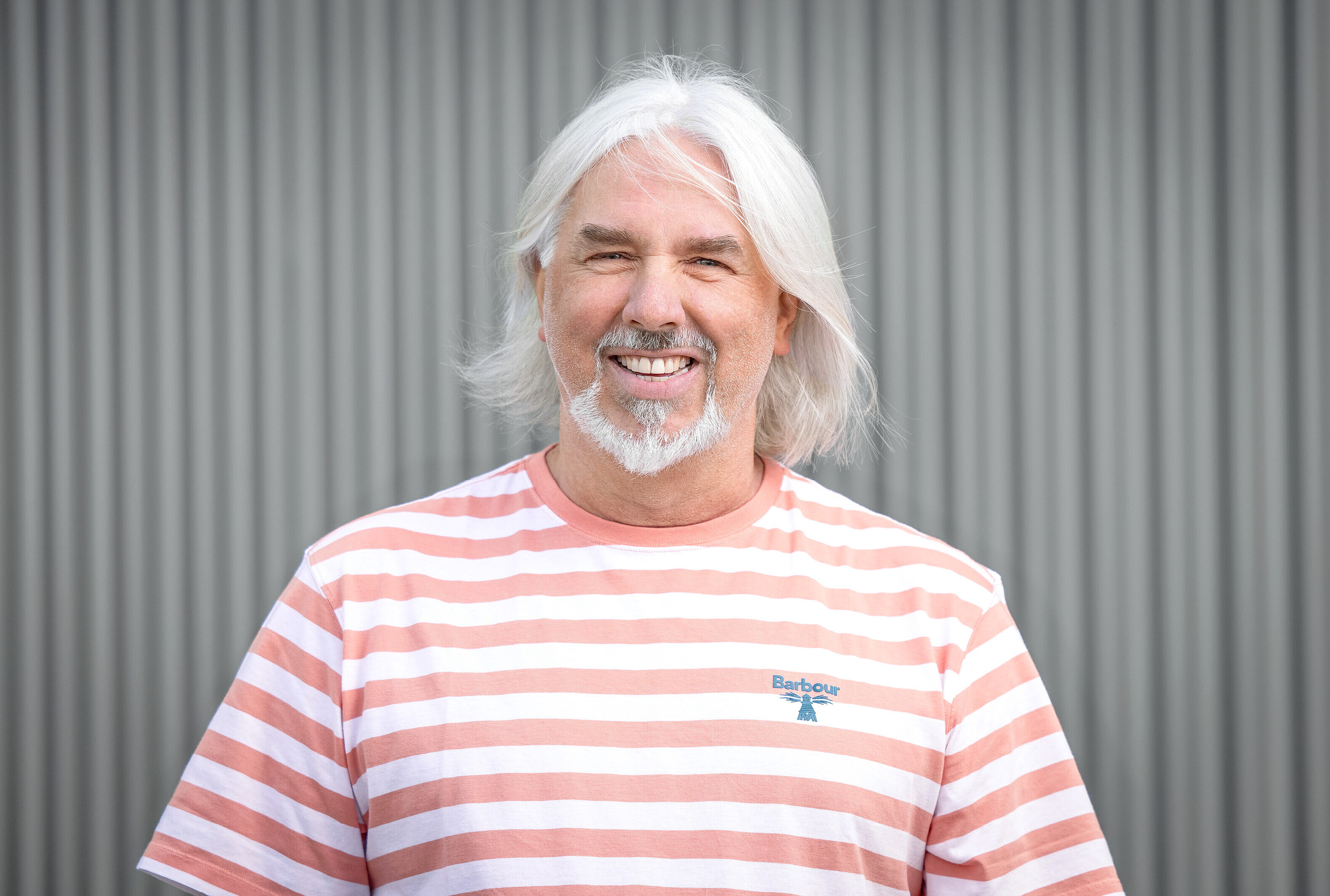
E-bike expert Marcus Degen
E-bike trend at Steinbeis Papier
All employees at Steinbeis Papier are also sustainability ambassadors. They not only drive innovation at Steinbeis Papier, but also personally explore ways to achieve greater sustainability. This naturally includes the topic of mobility. Some of them have discovered the e-bike trend for themselves and explain why they no longer want to do without the electrified two-wheeler:
While on holiday, we were able to convince ourselves of the fascination of e-bikes. We have now got rid of our second car and I ride five kilometres to work every day on my e-bike.
I've been riding an e-bike for four years and the speedometer now reads more than 15,000 kilometres. I combine my journey to work with a perfect fitness session.
Here in the north, the wind always feels like it's coming from the front. The purchase of e-bikes was a revelation for my wife and me. Now we cover twice the distance on our excursions and experience even more nature away from the roads.
I cycle home for lunch between my appointments. With the e-bike, I can do this stress-free and don't arrive at subsequent meetings all sweaty.
My passion for riding an e-bike began back in 2013, when I started at Steinbeis. I have since swapped the first, somewhat clunky model for a sports version and use it for 95 per cent of my commute.
We have only recently become e-bike owners. And the purchase is already paying off: As we travel 52 kilometres to and from work on our electrified two-wheelers instead of by car, we save a lot of fuel.
The topic of sustainability is always on my mind. I've been an e-bike rider from the very beginning and attach great importance to environmentally friendly mobility solutions. I also use a small electric car for work.
As a passionate racing cyclist, I was sceptical about e-bikes for a long time. But I was proven wrong - now I ride 60 kilometres a day on my trekking e-bike. It keeps me fit and feels good too.
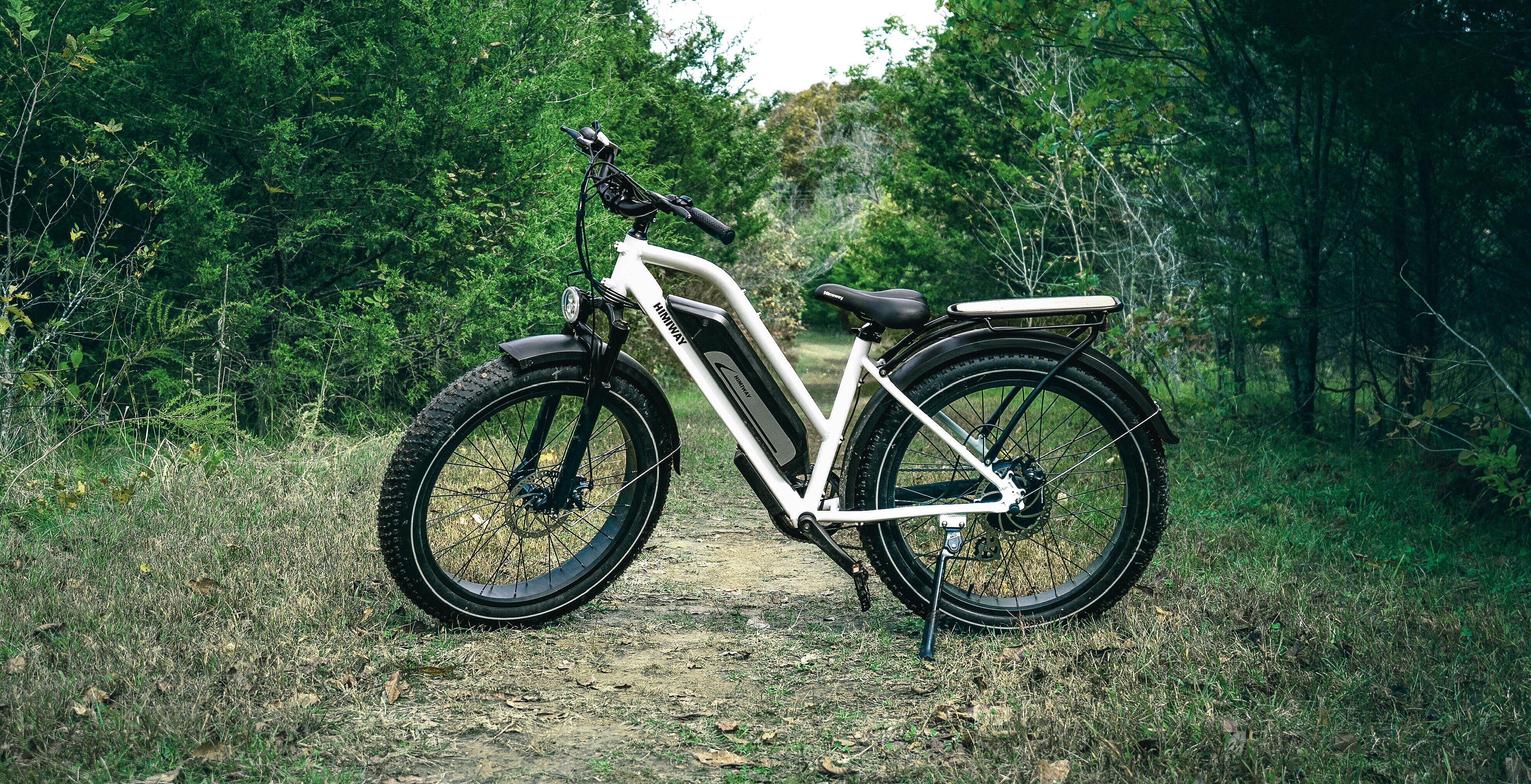
Cover picture: Himiway Bikes/Unsplash
Author

As a senior editor, Benjamin Seibring specialises in developing content on sustainability, mobility, technology and lifestyle. An editorial traineeship at a German media group and his many years of experience in corporate publishing form the basis. With a high affinity for trend topics and innovative AI tools, he implements cross-media storytelling.