From AI to the circular economy: these are the sustainability trends for 2025
The year 2025 will bring exciting developments in the field of sustainability. New technologies and innovative approaches offer the opportunity to utilise resources more efficiently and drive forward climate protection. But which trends will characterise this year? We take a look at the most important developments.
While 2024 was dominated by CO₂ reduction, energy savings and the circular economy, the sustainability trends for 2025 go one step further: new technologies and advanced concepts are paving the way for a sustainable economy and society. The most important trends are comprehensive decarbonisation strategies, networked circular economy models and even greater digitalisation to conserve resources.
Companies on the path to net zero emissions
Net zero is no longer an abstract goal, but a concrete reality. Companies are increasingly turning to technologies such as carbon capture and storage (CCS) to capture and permanently store industrial CO₂ emissions. This solution prevents harmful CO₂ from polluting the atmosphere and is becoming a game changer for emissions-intensive industries. In addition, net-zero buildings and smart grids play a key role: intelligent building technologies reduce energy consumption, while coordinated energy grids make the supply more efficient and sustainable.
Circular economy: digital and networked
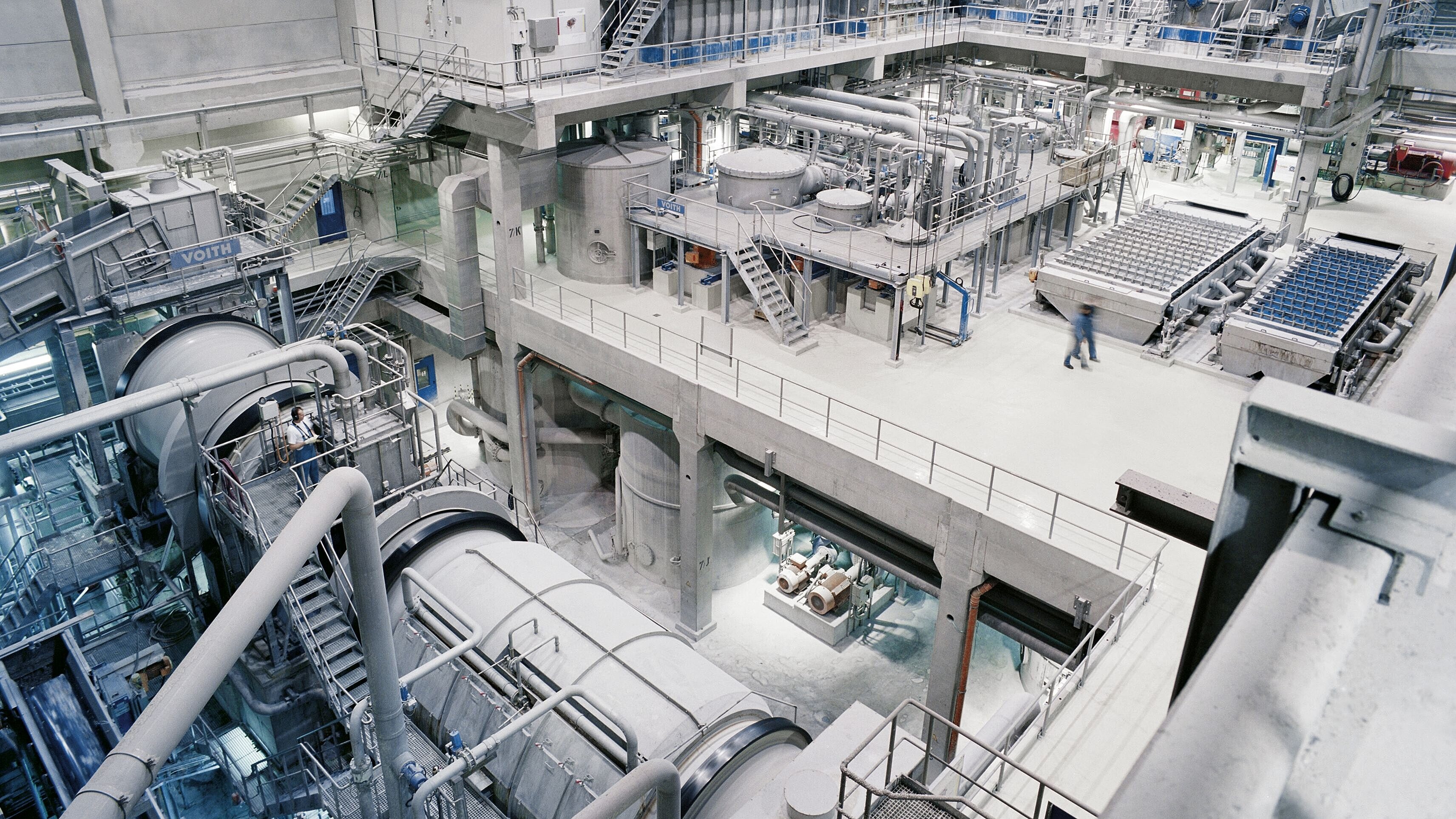
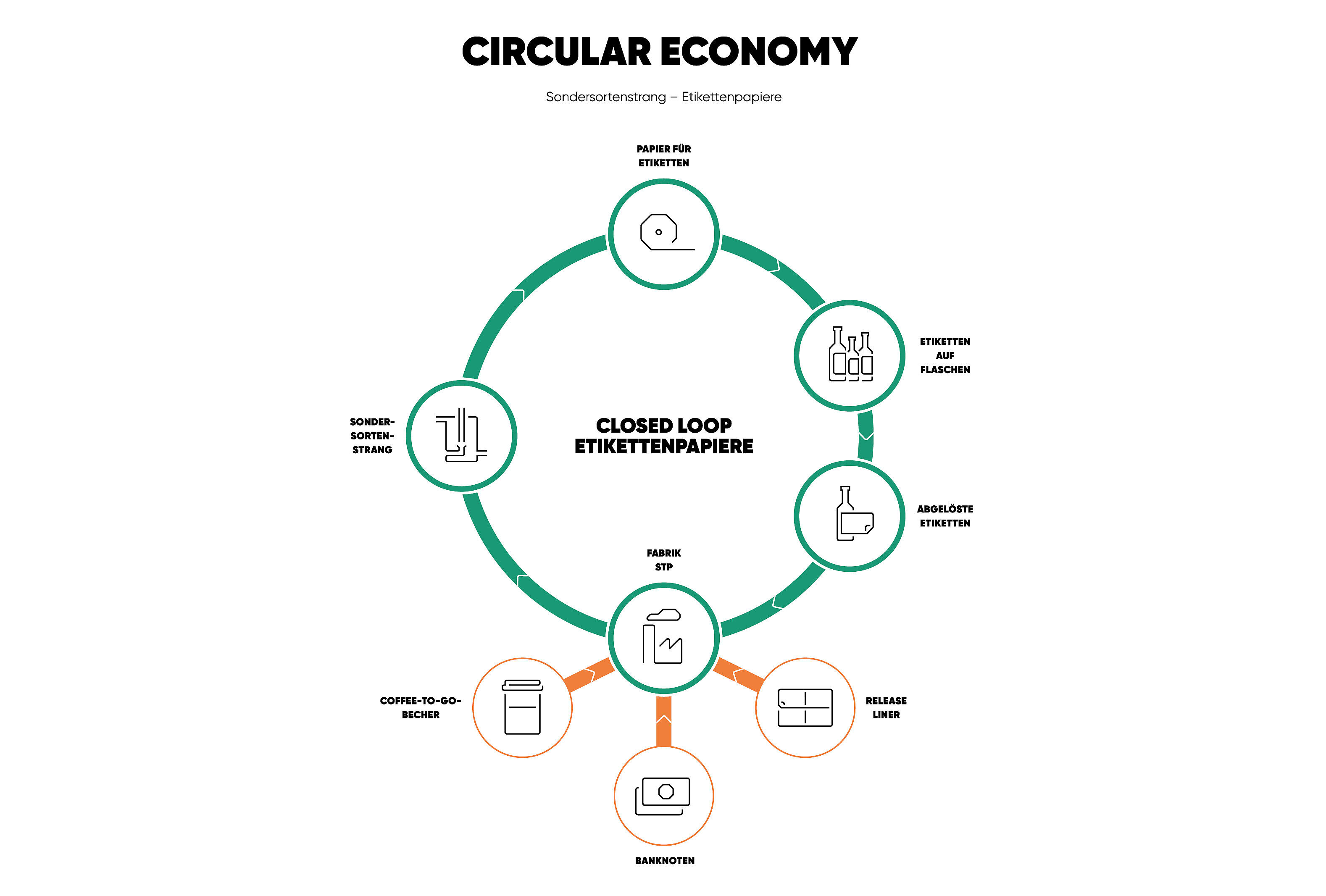
The circular economy will also develop into a dynamic network in 2025. Digitalisation is the decisive factor here: technologies such as IoT sensors, blockchain and artificial intelligence are revolutionising the use of resources. Real-time data makes it possible to seamlessly track the flow of goods, minimise waste and optimise recycling processes. At the same time, collaborative approaches along the value chain are giving rise to new business models that are both ecologically and economically profitable. Whether longer product lifetimes or innovative sharing models: the idea of collaboration characterises the new circular economy and makes it a future-proof concept. Steinbeis Papier also attaches great importance to a digitally networked circular economy. With a philosophy of resource conservation and sustainable solutions, such as the use of climate-neutralSuch as the use of climate-neutral hydrogen peroxide in production and the continuous improvement of CO₂ management, the company shows how digitalisation and the circular economy can go hand in hand to protect the environment and increase efficiency.
Digitalisation: a driver for sustainability
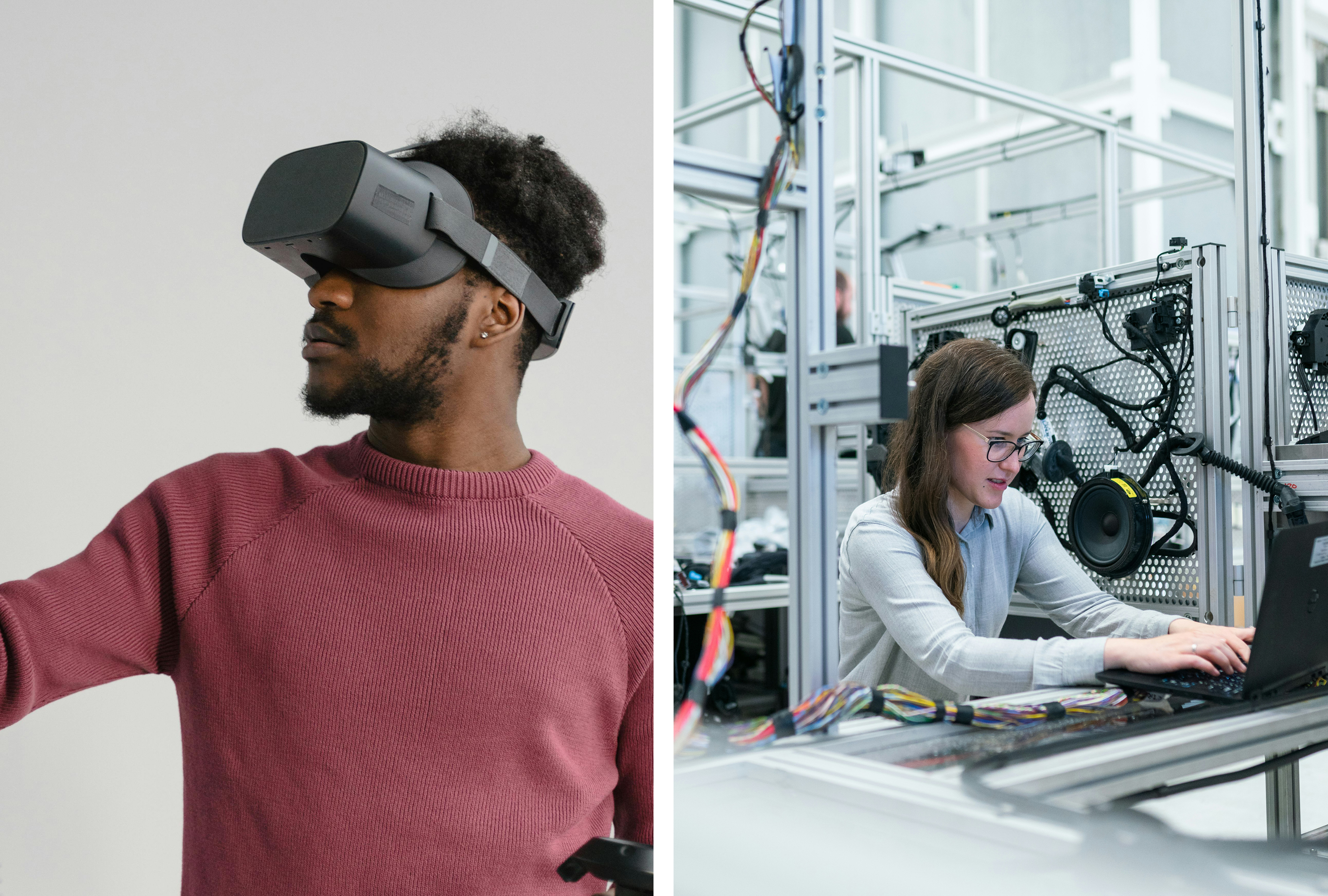
No sustainable future without digitalisation. Technologies such as virtual prototyping, digital twins and smart buildings ensure more precise planning and a more sustainable use of resources.
- Virtual prototyping replaces physical prototypes with digital models - this saves material, energy and time.
- Digital twins, i.e. digital images of physical objects or processes, simulate scenarios in order to make more sustainable decisions.
- Smart buildings use sensors and data analyses to flexibly adapt energy consumption to demand.
As an intelligent pacemaker, AI optimises production processes, supply chains and building technology. It recognises patterns, makes predictions and drives innovation - from environmentally friendly materials to sustainable design solutions.
Increasing efficiency through new technologies
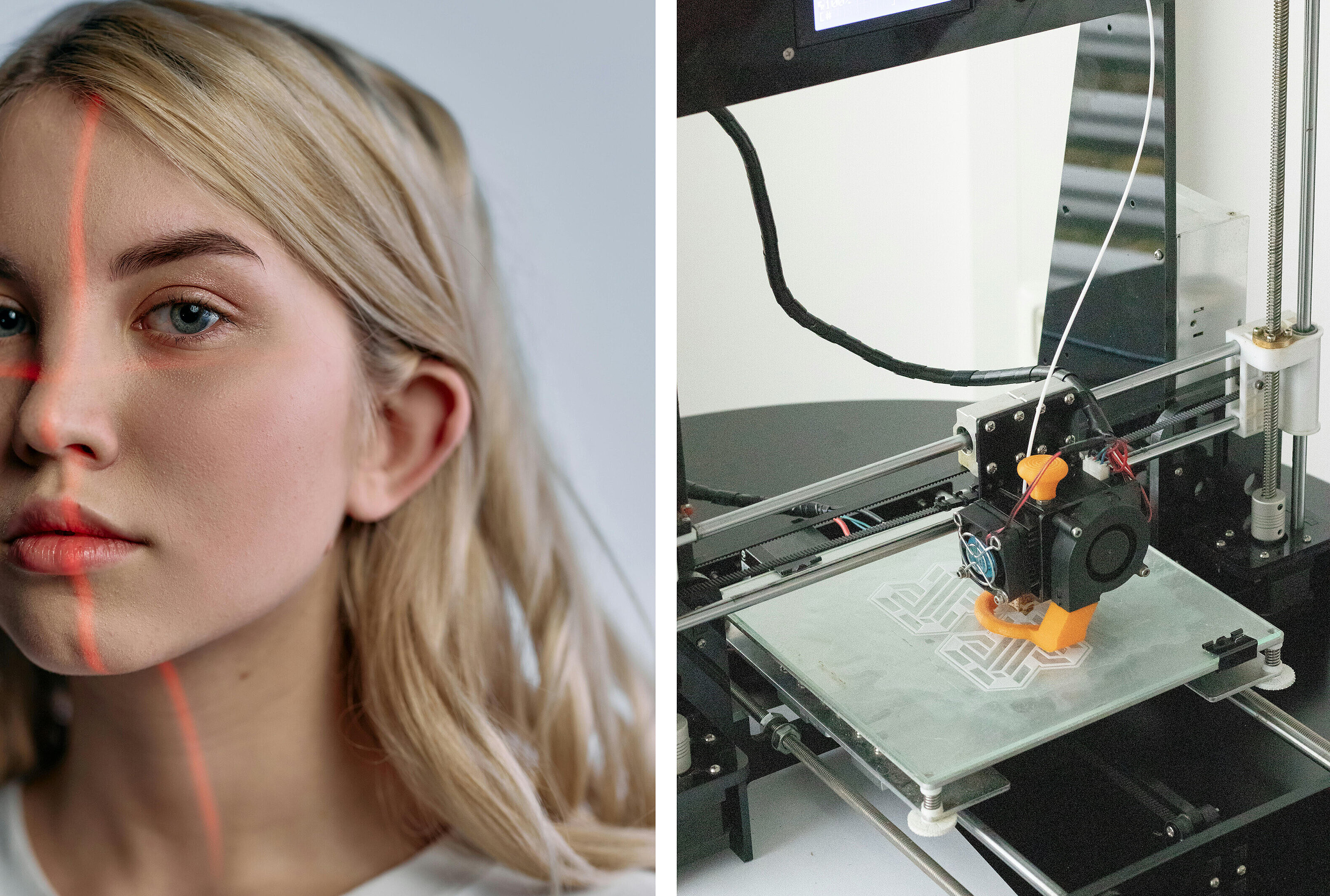
Companies rely on modern technologies to optimise processes and reduce the consumption of raw materials and energy. One example of this is 3D printing, which makes it possible to manufacture products quickly, flexibly and with lower material consumption. Additive manufacturing also makes it possible to realise complex shapes that would not be possible using conventional methods. This opens up new possibilities for the development of lighter and more efficient products. Another trend is lightweight materials, which help to reduce the consumption of resources and the weight of products without compromising on performance.
Neo-ecology: the global identity of the future
The neo-ecology trend will continue to gain importance in 2025 and develop into a holistic approach that permeates all areas of life. Environmental awareness is becoming the core of a global value system that views people and nature as one. Consumers and companies are taking responsibility: sustainable products and services are becoming the standard, while concepts such as zero waste and the circular economy continue to gain momentum. This movement is also shaping the economy. Companies that focus on sustainability, social responsibility and the common good not only secure the loyalty of their customers, but also their place in the future.
Cover picture: Google DeepMind/Pexels
Author

Nadia Riaz-Ahmed is an online editor. She is most interested in everything to do with digitalization and new technologies.