Sustainability - the common denominator of the 21st century

19.01.2021 - Sustainability is not just a trend, it is part of a phenomenon known as a "megatrend". How is this term to be understood? And does the link between the environmental movement and the trend concept mean that sustainability is a fleeting phenomenon and could soon be "out" again? In this article, we provide an insight into trend research and explain why it is wrongly associated by some with superficial topics - and what the megatrend of sustainability is all about.
Many people associate the term "trend" with ephemerality, such as a certain style of clothing that everyone is emulating today and which, to put it bluntly, they will have forgotten about tomorrow. However, trends are often much more than that. They show changes and currents in all areas of society that are sometimes very profound. Trend research describes, documents and analyses these changes and, based on this, can make forecasts for the next five to ten years.1 Within trend research, a distinction is made between strictly qualitative and strictly quantitative trend research. However, as trends are complex, serious trend research has developed methods that combine mathematical-statistical procedures with verbal-logical procedures in order to depict them as precisely as possible.
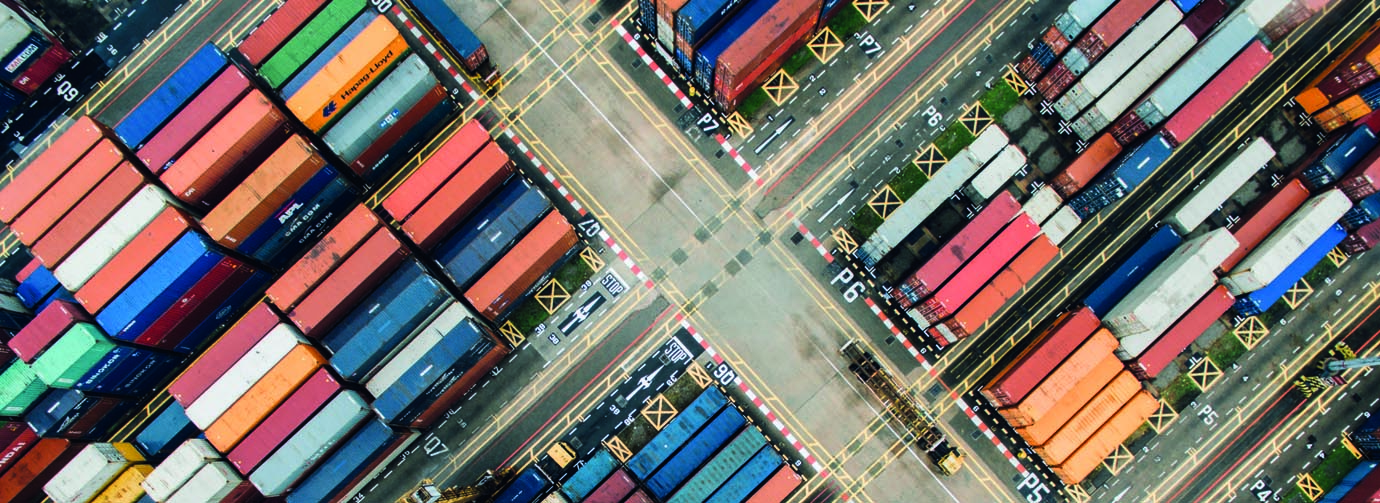
Society at a glance
In Germany, the Zukunftsinstitut (Future Institute) deals with trends on a large scale. It has been in existence since 1998 and is now recognised internationally as a leading point of contact for questions relating to the development of society and the economy. According to its own statements, it works with a journalistic-narrative approach that combines various methods of trend research with procedures from qualitative social research, such as interviews with experts or customers. It uses data that it collects itself in surveys as well as data from other reputable sources such as the Federal Statistical Office. On the basis of all the data collected on a specific topic, the Zukunftsinstitut then formulates assumptions, also known as hypotheses, which it then analyses and tests. The trend is then identified, so to speak. In the next step, it is described in detail and a well-founded assessment of its further development is made. The Zukunftsinstitut attaches great importance to presenting the analysed trend developments in a narrative and visual way so that institutions and companies can easily understand and use them. According to the institute itself, its aim is to motivate companies and organisations to take action and set the right course for the future. And this is only possible if people are touched emotionally and then develop the willingness to change their behaviour.2 Perhaps this is why it calls itself the "Future Institute" instead of the "Trend Institute".
A term that is making waves
So what exactly is a trend and when do we start talking about a social change? The word "trend" has its origins in the Proto-Germanic "trandijaną" (= "to turn") and came to us from the English "to trend", which means "to incline, extend, run in a certain direction". For us today, the term describes a developmental tendency that can be observed and statistically recorded over a certain period of time.3 This means that a trend must show a development curve over time and have a noticeable, measurable number of participants. Definitions of this kind appear to be somewhat vague. In this case in particular, one might wonder why there are no concrete figures on how many people need to participate for something to become a trend - but with complex and abstract topics, it is generally difficult to narrow them down. This is especially true for issues that affect society, because a few people have to look at a lot of people at the same time and turn themselves into outsiders. This situation can be visualised by imagining that you want to look at an entire forest - how far you have to move away from it before it fits into your field of vision!
No flag in the wind
But back to the trend. It can only exist if many people follow it. And what is a megatrend? Exactly what the term suggests: the whole thing is huge. We owe the term "megatrend" to John Naisbitt, a futurologist from the USA. It stands for long-term changes in society, politics and the economy that have a massive impact on people in several areas of life. These can be, for example, cultural identity, education, consumer and leisure behaviour, everyday working life or political engagement. However, a megatrend not only changes the lives of people in one country or region, it changes the lives of everyone worldwide. Of course, its influence is not the same everywhere and does not necessarily take effect at the same time. Sometimes people in different regions deal with the megatrend in very different ways - but it has a direct or indirect effect on everyone. Examples of megatrends are globalisation, digitalisation - and sustainability!4
An idea for the whole world
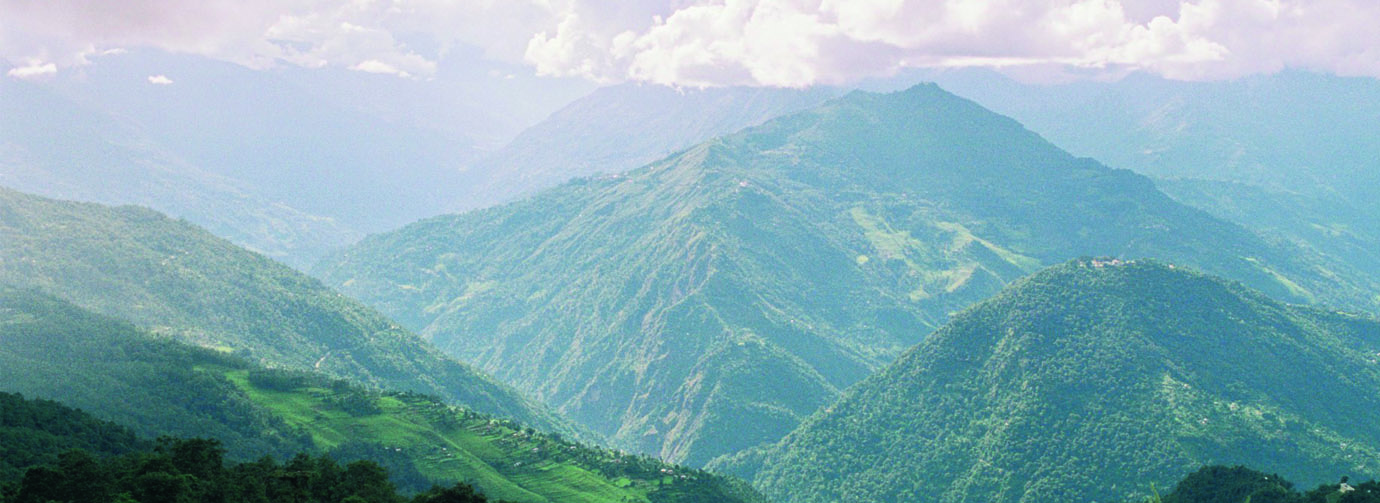
The Zukunftsinstitut has been describing sustainability ("neo-ecology "5) as a megatrend for over ten years - and there is still no end in sight. The new ethic of action in terms of a growing sense of environmental awareness and responsibility is influencing our everyday lives in the 21st century like almost nothing else. People seem to be increasingly realising that their own existence is inextricably linked to the health of the planet. The environmental movement is therefore extremely successful and has united more people over a comparatively short period of time than any religion.6 Contrary to what is often claimed, environmental protection is also no longer a "white people problem", i.e. no longer a luxury issue for the West: the Indian state of Sikkim operates 100 per cent organic farming. Costa Rica already covers almost all of its energy needs with renewable energy. Tourists on the island of Palau have to sign a contract on arrival in which they undertake to comply with the island's strict sustainability criteria. In Bolivia, the sustainable use of resources has been enshrined and prioritised in the constitution.7 And in the Buddhist kingdom of Bhutan, there is the so-called "Gross National Happiness", according to which the well-being of people, the preservation of nature and a just democratic state are the most important social goals.8 Sustainability therefore concerns everyone, even those nations that people in this country are less aware of.
A driver of change
According to the Zukunftsinstitut, neo-ecology is the central driver for four dimensions of change:9
New understanding of nature: health and nature as synonyms
We know that we cannot exist without nature and are looking for compromises in the relationship between nature, people and technology. Our health is important to us, and for us, nature is synonymous with a healthy, good life.
New values: a new global identity
Our young generation in particular shares a new mindset based on ecological values worldwide. This huge collective movement has been made possible by the high degree of networking and growing prosperity.
New markets: post-individualisation
We have evolved; we increasingly feel part of a larger whole and therefore also globally responsible. The good of the community is more important to us than ever. This is why we have begun to critically question our consumer behaviour and thus change the markets.
New economy: post-growth
We see the climate crisis as a major challenge of our time that we must all solve together. To do so, we must change our economy from blind growth, regardless of the cost, to a progressive growth paradigm. We are convinced that the prosperity of tomorrow can only be built on a new approach to growth.
The future is green
Sustainability is a collective movement that, according to all forecasts, will shape our world more than any other megatrend over the next ten years. The difference between today and the past in people's awareness of sustainability is that it is now accompanied less by hostile images and doomsday moods and more by optimism and a strong urge to act. And that's a good thing - because we need both to turn the economy on its head as much as we need to. Companies like Steinbeis Papier show how it can be done and that ecology and economy do not have to be mutually exclusive. They also show how exactly a company can be fundamentally (re)organised in a sustainable way if it is taken seriously. You can find out more about Steinbeis Papier's company history here.
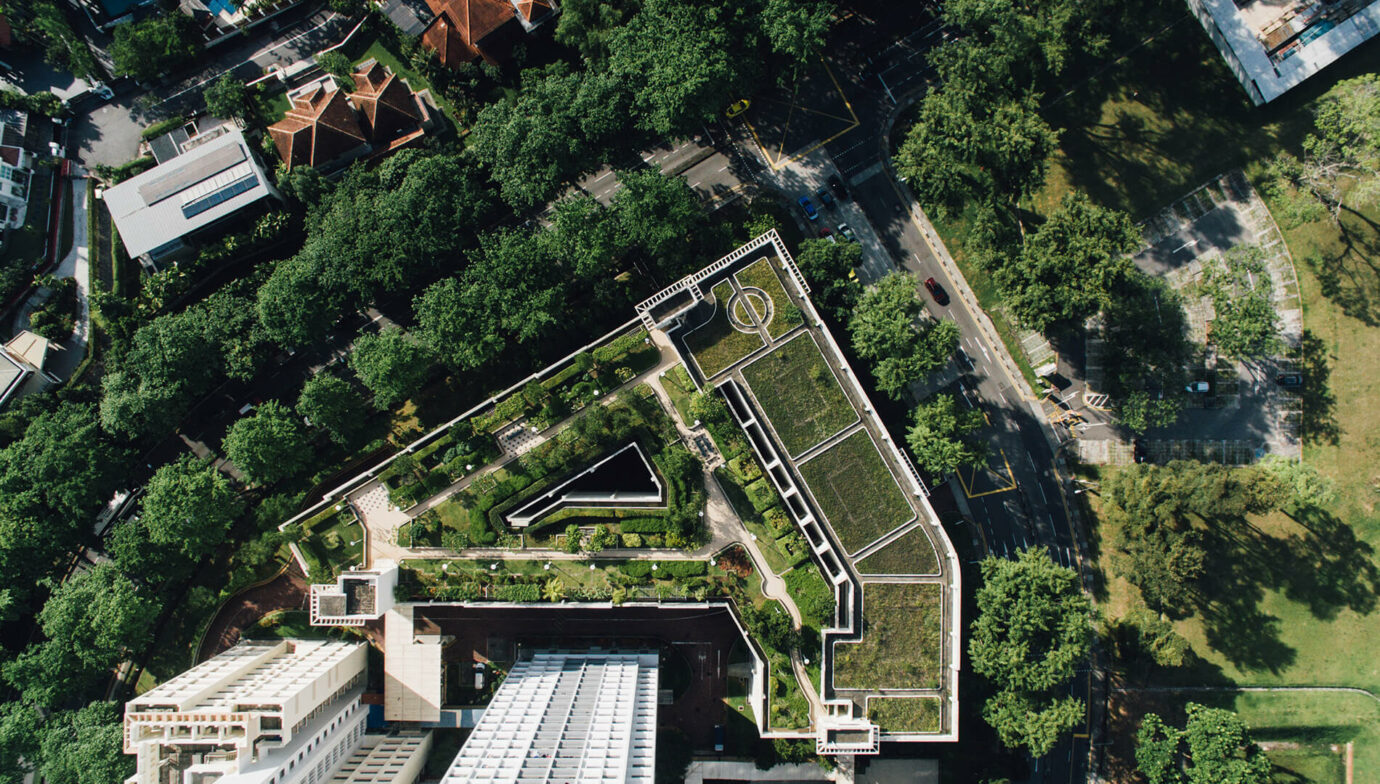
Cover picture: CHUTTERSNAP/Unsplash
Author

Isabella Bigler is an editor and copywriter. Here she writes about sustainable topics, the past and the future - occasionally with the support of her dedicated interns Lumen Nguyen and Liam Jennings.