Strong even in turbulent times
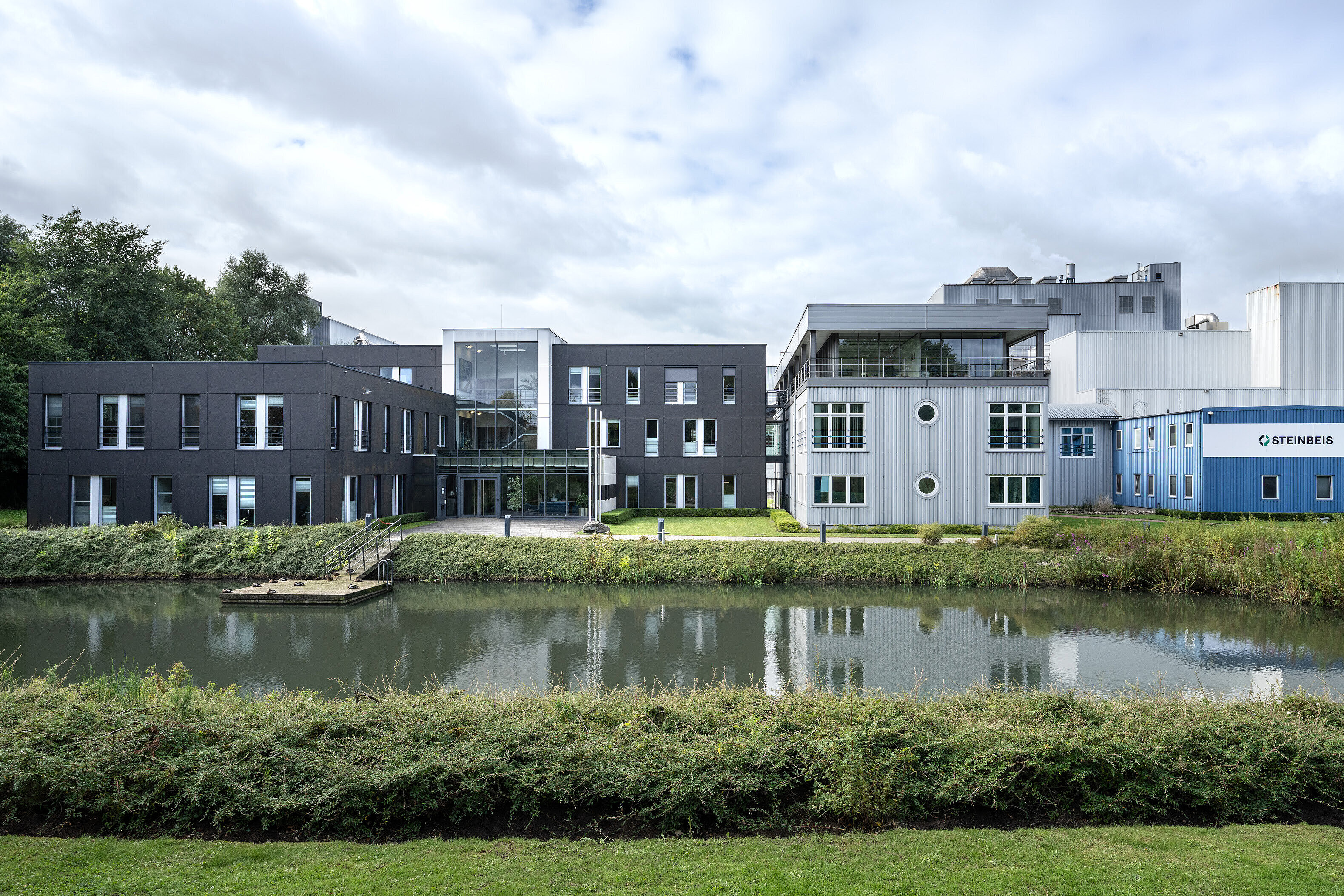
24.01.2023 - The pandemic and energy crisis in Europe have put many companies under enormous economic pressure. At Steinbeis Papier, Managing Director Ulrich Feuersinger is steering the ship of success through the storm. In this interview, he explains how the recycled paper manufacturer has overcome the crises so far, the important role played by its employees and the strategies that will ensure the company's success in the future.
steinbeis Papier closes 2022 with a positive balance sheet - what is the recipe for success behind this?
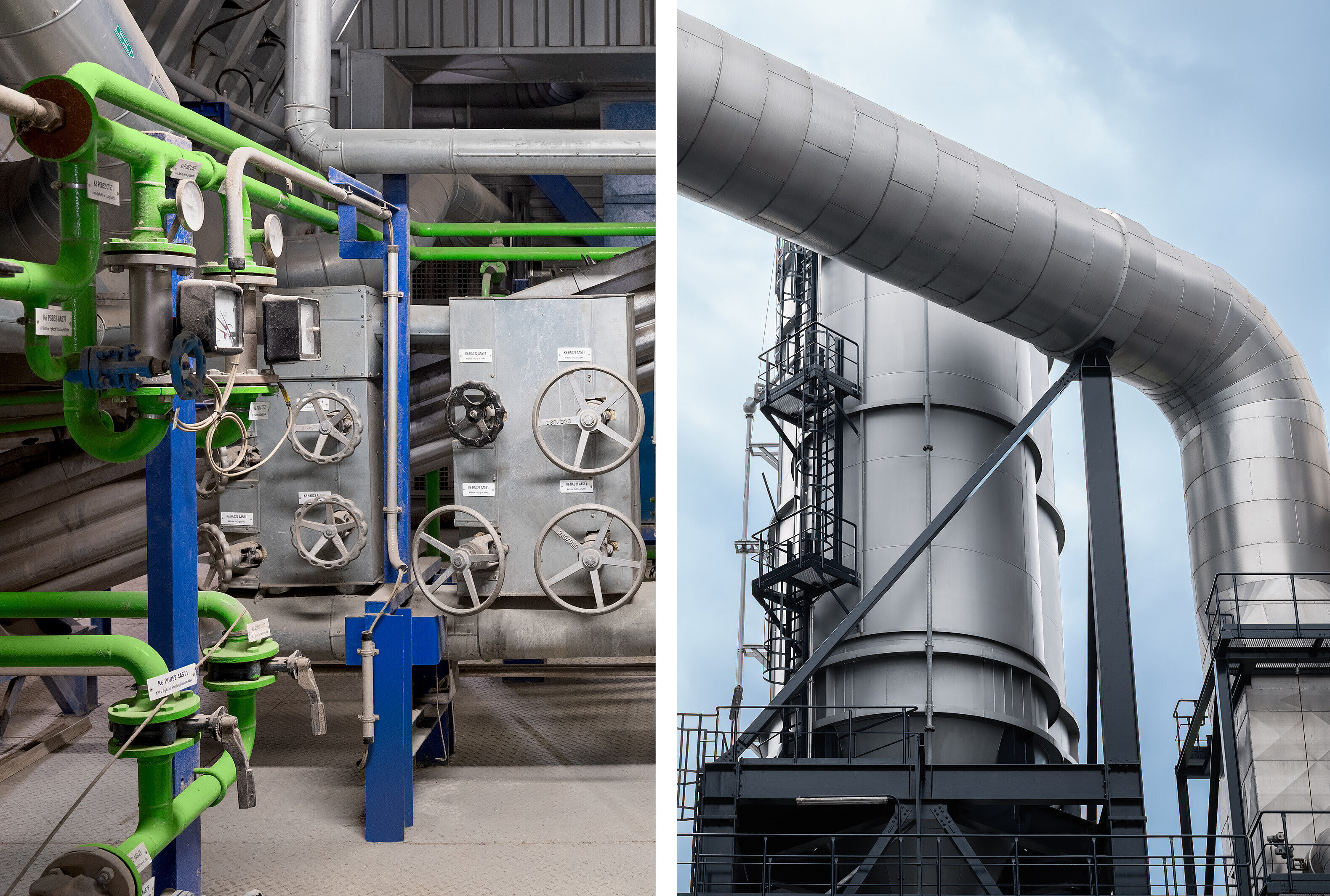
Two key factors were decisive here. After the 2020 pandemic crisis, considerable capacity - five million tonnes of graphic paper - was removed from the market. This turned the market around. A buyer's market became a seller's market. We were able to significantly increase our revenue, but the cost pressure also became more noticeable. Our advantage is that we have always pursued a very long-term energy policy. On the one hand, Steinbeis Papier has its own power plant, which enables us to generate 70 per cent of our energy requirements ourselves. Secondly, we were able to purchase the remaining, externally sourced energy for the long term and very early on at moderate conditions for 2022.
What does Steinbeis Papier do differently from the competition?
Everyone in the industry is struggling with the cost situation. Anyone who hasn't secured their energy supply for the long term and has had to buy on the spot market has had problems all year. Sustainability has always been a high priority for us. Steinbeis Papier is absolutely in line with the trend and demonstrably presents itself with great credibility. And that goes down well with customers.
What made you particularly proud?
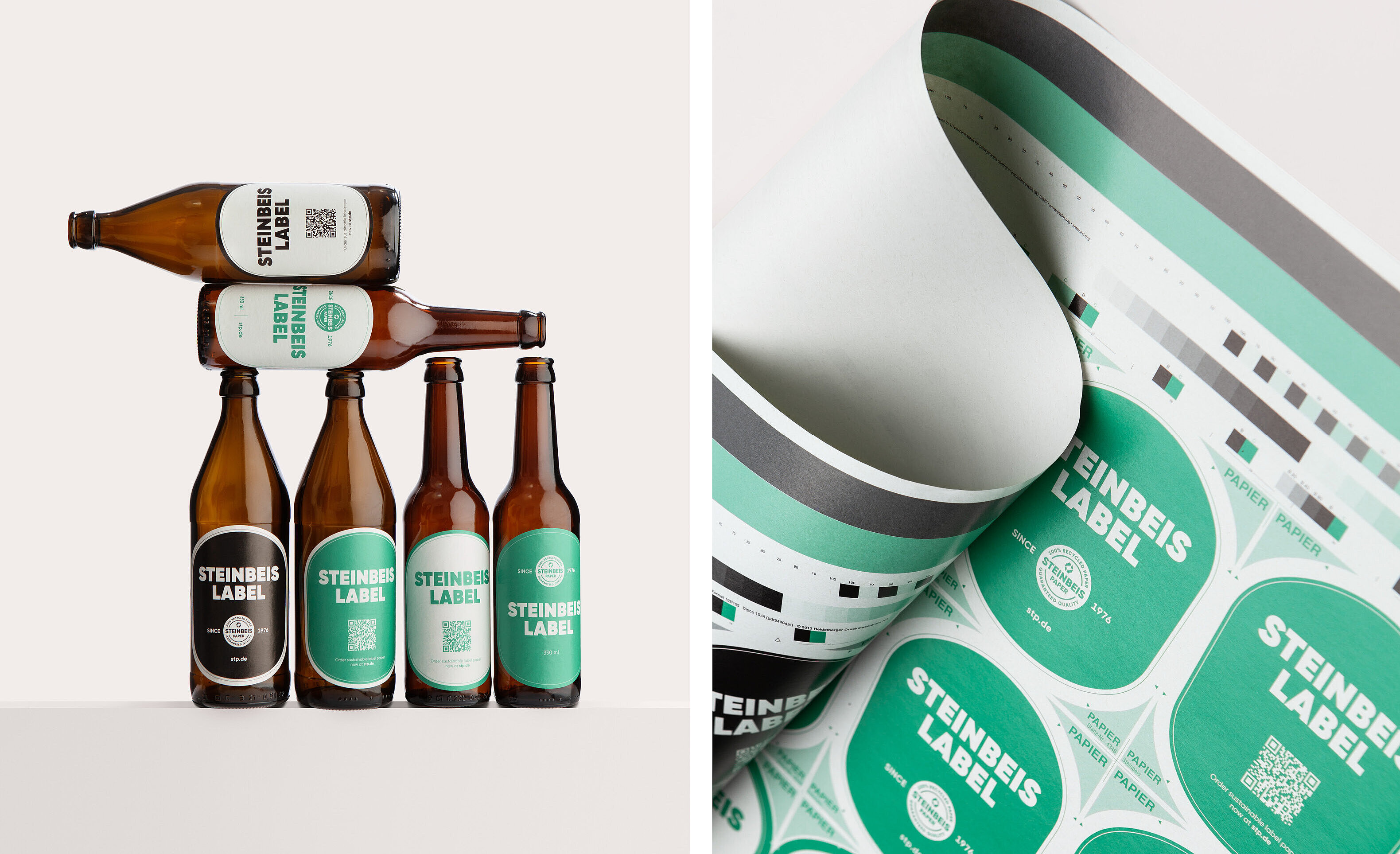
The level of commitment shown by our employees at the height of the pandemic and afterwards was extraordinary. Wearing face masks, especially in production - that demanded a lot from the employees there. The fact that we have always been able to maintain a positive working atmosphere despite many adversities also reflects the great character of this company and the people who work here. Of course, in difficult market times we are measured by our entrepreneurial success. And Steinbeis Papier has never posted losses, even in the most severe crisis, and has always done well. The investments we have made in the past have already paid off. However, I am particularly pleased that we have made great progress with the introduction of the new label paper product. Steinbeis Papier has risen to the technological challenges of a new product implementation and gained a foothold in a new market.
The commitment of our employees during the pandemic was exceptional.
How is the order situation at the moment?
We are noticing a clear slowdown in LWC papers. Advertising budgets are being cut, resulting in lower capacity utilisation. We are already in a recession. It has become much more difficult to create orders. The order situation for our copy paper is stable, but we are working at the limits of our capacity. We need to make further adjustments to our equipment. However, we are clearly focussing on label papers, as a different economic trend is emerging here.
How would you summarise Steinbeis Papier's journey through the pandemic?
We faced considerable challenges in 2020 in particular. Demand for paper collapsed during the first lockdown. However, we were able to bring our business back to normal levels in the second half of the same year and in 2021. The measures we had to take were met with a high level of acceptance by our employees. We were able to achieve a vaccination rate of almost 90 per cent in the company. Everyone has therefore taken responsibility in their own way and made a contribution.
How did Steinbeis Papier emerge from the crisis?
After the crisis is before the crisis. None of us has ever experienced war in the middle of Europe. This fact, with all its consequences, makes business planning all the more difficult. We have experienced the collapse of the energy supply system and a tenfold increase in prices. As a result, it has recently been difficult to make long-term investments in such an uncertain environment and ultimately lead them to success. The pandemic crisis seems to have been overcome, but the economic crisis may be imminent. We need to consolidate and see what the right way forward is.
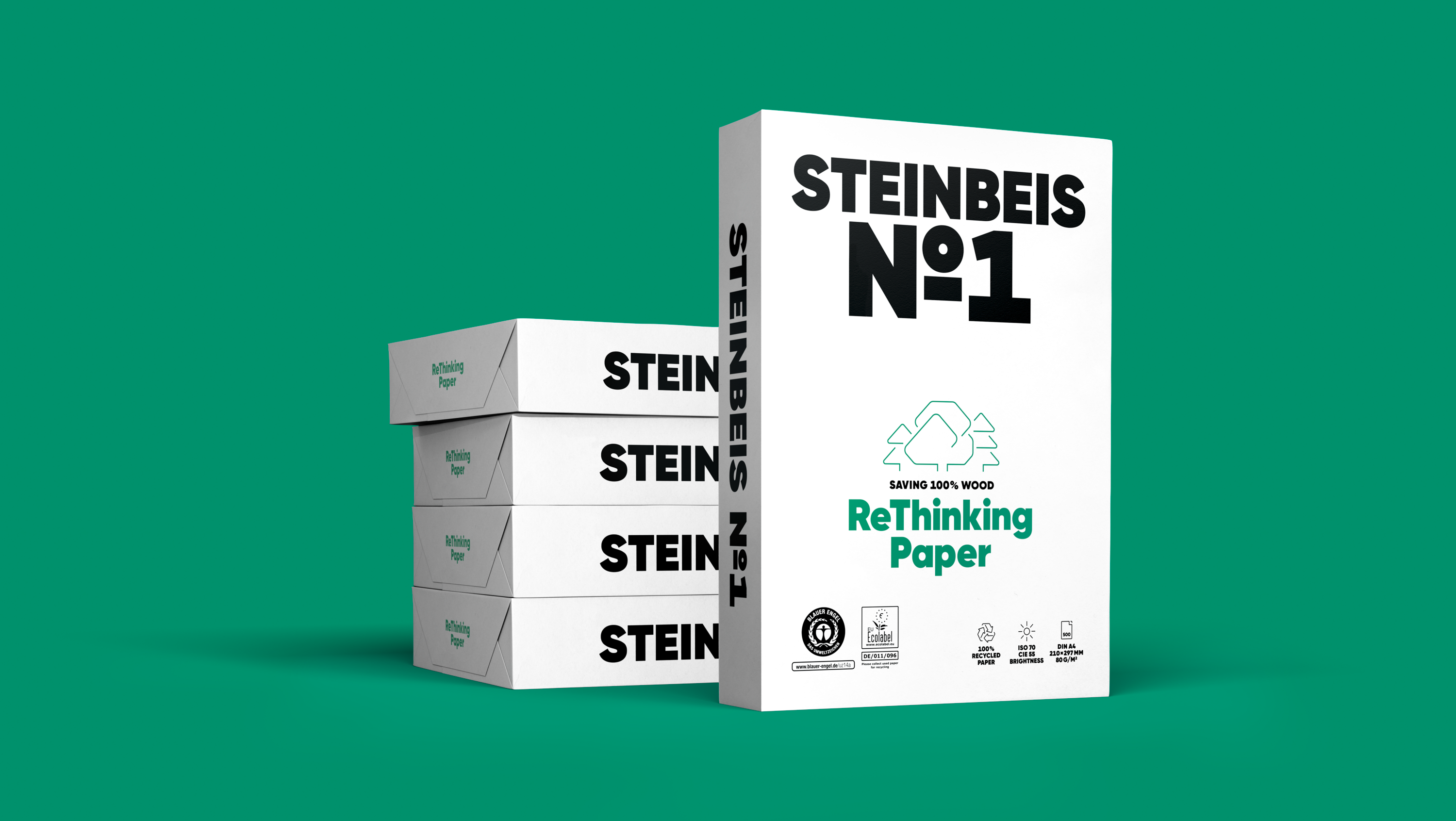
The campaign is a first step towards establishing a brand in the long term and tapping into new target groups.
One way is the campaign to increase brand awareness. What is behind it?
We operate strongly in the public sector and with large companies. Our aim now is to tap into new target groups, to convince smaller companies and also people in the private sector of Steinbeis Papier's sustainability philosophy and ultimately its recycled paper. With the campaign and ReThinkingPaper, we have taken a professional first step towards building a brand.
How would you summarise this?
We wanted to create awareness with the campaign - and we succeeded: More than ten million people have seen the campaign film. We will analyse further data to come to a final judgement. But the response has already been consistently positive. However, as we are not dealing with a task that can be solved in the short term, we need a certain consistency in our measures. There will also be new concepts and formats in 2023 based on our experience with the current campaign.
How important are new markets such as that for label papers?
This product innovation is set to become a new mainstay. Our sustainability philosophy is well received by the label paper target group and Steinbeis Papier's established sales mechanisms can be transferred to this market. In addition, we do not see any substitution competition with digitalisation here, meaning that no digital product could actually replace ours. The economic cycle is also different here than in our traditional business.
Will the traditional core business decline in the foreseeable future and be replaced by new businesses?
We continue to see good growth opportunities for our copy paper - a development that is even clearly bucking the market trend. The Steinbeis Papier agenda also includes opening up new markets, particularly in Eastern Europe. We are already focussing our new business on labels made from recycled paper. In addition, the innovation of further related products and the expansion into new business areas are major topics for us. This is the only way we can compensate for declining markets by opening up new markets with new products.
What are you hoping for in 2023?
More planning certainty would ensure a calmer business environment. We don't yet know what energy costs we can expect. The economy also needs to recover so that the uncertainties in the markets disappear again. This is the only way Steinbeis Papier can achieve economic stabilisation again.
How will Steinbeis Papier continue to tackle challenges such as the energy crisis, the shortage of waste paper and the shortage of skilled labour?
We are looking positively to the future: with the new speciality grades line, which will be launched in March, we will significantly expand our range of raw materials. Other types of waste paper that were previously not recyclable will then also be used. One important project is to increase our own share of energy. We are considering our own solar park in Glückstadt. We would also like to invest in wind turbines, but this is not feasible due to our geographical location close to the city. We also act sustainably with regard to our skilled labour: we doubled our apprenticeships five years ago and are now employing the third generation of apprentices. Every year, we invest 250,000 euros in this area, which will clearly pay off in the future in view of the demographic situation.
What are Steinbeis Papier's plans for 2023?
We have three exceptional years behind us. We will therefore review our original strategy and develop detailed concepts in order to start implementing new measures in 2024. We will have to discuss and clarify where the priorities lie - in expanding capacity or increasing efficiency - over the next six months.
Cover picture: Florian Thoss for Steinbeis Papier
Author

As a senior editor, Benjamin Seibring specialises in developing content on sustainability, mobility, technology and lifestyle. An editorial traineeship at a German media group and his many years of experience in corporate publishing form the basis. With a high affinity for trend topics and innovative AI tools, he implements cross-media storytelling.