Steinbeis commitment in the region

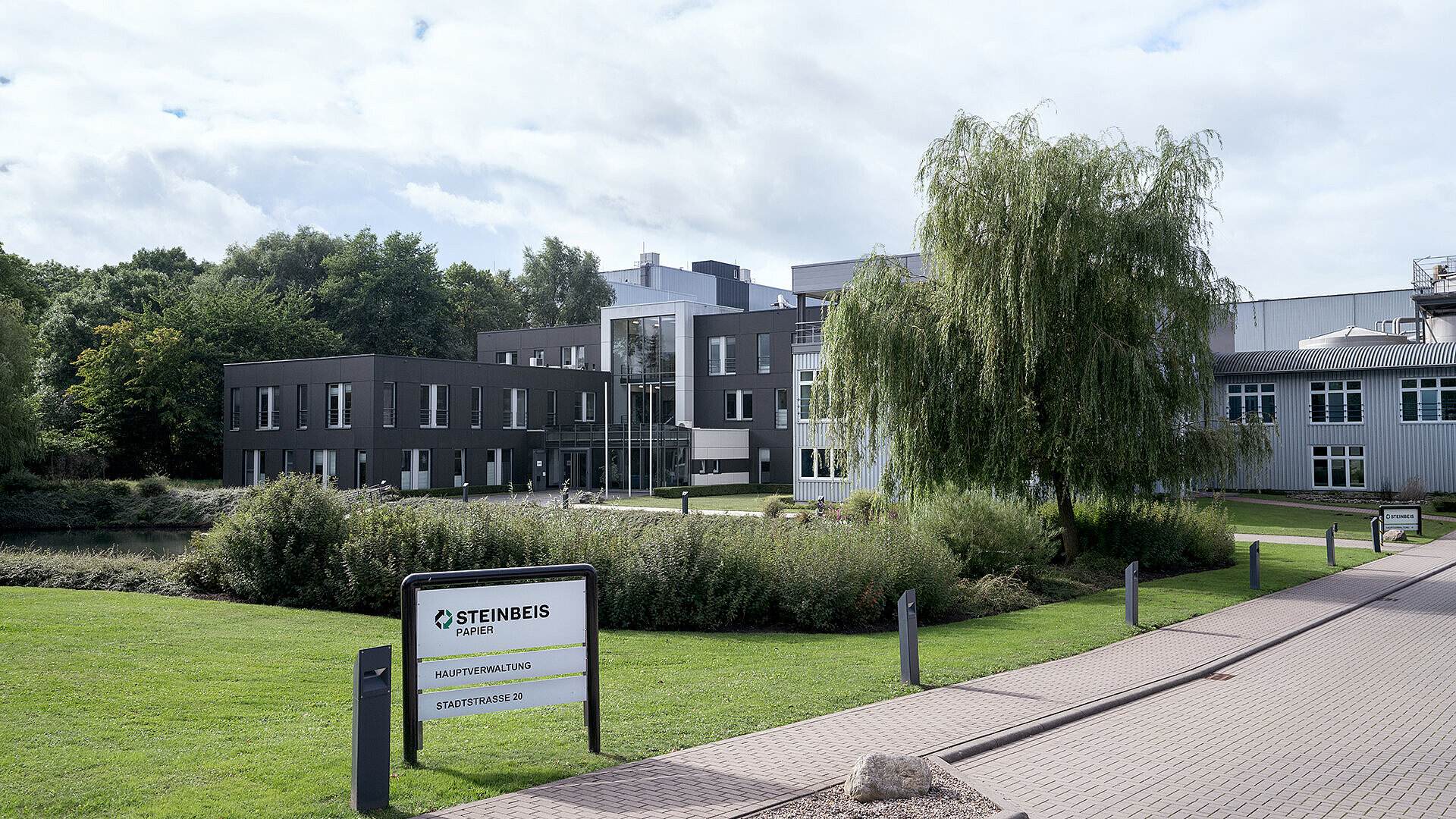
08.03.2023 - As the largest employer in Glückstadt, Steinbeis Papier is of great importance to the city and the region. The company organises and participates in numerous projects. In this interview, Peter Brodersen, external consultant for the Steinbeis Group, explains how the cooperation with local schools and trainees strengthens the small town on the Elbe and what opportunities he sees for Steinbeis Papier in these activities.
As the market leader for recycled graphic paper made from 100 per cent waste paper, Steinbeis Papier enjoys a high level of regional and national recognition. At the same time, the company is the largest employer in Glückstadt. Steinbeis Papier sees it as its duty to support the small town on the Elbe with local sponsorship. "Steinbeis Papier is deeply rooted in the region," says Andreas Rauscher, Technical Managing Director of Steinbeis Papier. "As the largest employer in Glückstadt, Steinbeis Papier has a responsibility to the people who live here." "That's why it's all the more important to get involved in order to strengthen the region and ultimately Steinbeis." The company is involved in projects with numerous associations, including the sports, tennis and riding clubs as well as the music school and the Detlefsen Museum. Another focus is on cooperation with local schools and trainees. External consultant Peter Brodersen is indispensable in this area.
Mr Brodersen, what is your role as an external consultant at Steinbeis Papier?
I have been with Steinbeis Papier for 36 years. Initially, I was employed on a permanent basis as a personnel developer and training manager. After a few years, I fulfilled my dream and became self-employed. Today I work as an external service provider in areas such as personnel development, which also includes talent management. I advise both Steinbeis Papier and individual employees on professional development issues. I organise further training events and am also active as a management trainer within the company.
What challenges does the company face?
Steinbeis Papier has to adapt to new demands on the market and the labour market. Training marketing is an important success factor here. The demographic structure of the company means that many employees will be retiring in the next ten years. This will make it increasingly difficult to fill training and study places. The expectations and values of young applicants have changed.

In what way?
Work-life balance is an important issue for Generation Z. It is often no longer the case that young people are absolutely focussed on their job or career. They have other expectations, such as the desire for a more flexible workplace. The company must adapt to this in order to remain attractive. Employee satisfaction plays an important role here. This is the only way we can create a long-term bond with them.
How important is Steinbeis as an employer and economic factor in the region?
Steinbeis is important in many ways: as an important employer in a rather structurally weak area, as an indirect customer and client for companies in the region and as an important contact for schools. We are the leading provider of internships in particular, with up to 100 places per year. We have always worked well with schools - the cooperation agreements make the collaboration even more binding and emphasise the win-win situation. Pupils from our co-operation schools have priority for work placements and are particularly targeted in school competitions. The schools can also use our job application training programmes. Steinbeis benefits from these co-operations, as direct, personal contacts and references are established and the training and study programmes can be presented. And from my point of view, this leaves a much more intensive impression than other forms of contact. It is not unimportant for us to anchor the topics of recycling and sustainability in the students' minds.
What activities are you planning with schools?
Many schools come to us for visits as part of theme weeks such as waste avoidance, recycling or climate protection. We offer job application training and organise orientation days for graduating classes. During the coronavirus pandemic, we launched the "Steinbeis meets school" project, in which trainees and students visit schools to talk about their careers and show them what everyday life is like at the company. Now we want to increase the number of school pupils coming to our company again to give them an insight into the professional fields. This gives them a better first-hand impression and also allows us to present the rather unknown profession of paper technologist.
To what extent do parents and teachers play a role in the activities?
We see parents as very important advisors for their children when it comes to choosing a career. That is why we are currently considering offering an event format specifically for parents. Teachers are also important multipliers for their schoolchildren. In our "Change of perspective" project, teachers are given the opportunity to visit the company and find out about the various career prospects.
Are there also special campaigns to reach trainees?
We attend trade fairs and are also thinking about organising our own in-house trade fair. The aim and opportunity is to inspire potential applicants through personal contact with trainees and students. The trade fair stands are always supervised by our trainees and students. They are trained to actively approach trade fair visitors and tell them at eye level what their personal training occupation or everyday life is like. It is often the trigger for applications when trade fair visitors get to know the company and its training opportunities by talking to trainees and students.
You also take part in the nationwide "Girl's Day" campaign, a future day on which girls can gain an insight into everyday working life.
That's right, we have been involved in the Girl's Day concept for many, many years. We usually make eight to ten places available. The participants are still very young, so we are not interested in presenting specific job profiles.
We simply want the participants to spend a great day in an industrial company and break down the stereotype that it is mainly boys who work in industry. Our aim is to get girls interested in technical professions. The girls meet with young female engineers, paper technologists and other skilled workers, who simply present their day-to-day work and thus draw attention to professions that are otherwise not a priority for female school leavers.
When we started doing this, I didn't expect it to actually have a long-term effect. But for a few years now, we have regularly read in job applications that the young women took part in Girls' Day and had their first contact with our company in this way. So we've done some things right.
Can you tell us how you attract applicants?
We are looking for committed and intrinsically motivated applicants who are enthusiastic and willing to get involved and help shape the company. School grades are important because we have to set a certain standard, but our ideal image of a trainee is above all someone who is committed, e.g. who has done voluntary work or acted as student or class representative or has gained initial experience in their job or in their free time. These indications are an indicator for us that we have potentially found the right applicants.
Mr Brodersen, thank you very much for these insights into Steinbeis' commitment to schools in the region and good luck with your activities in the area of young talent.
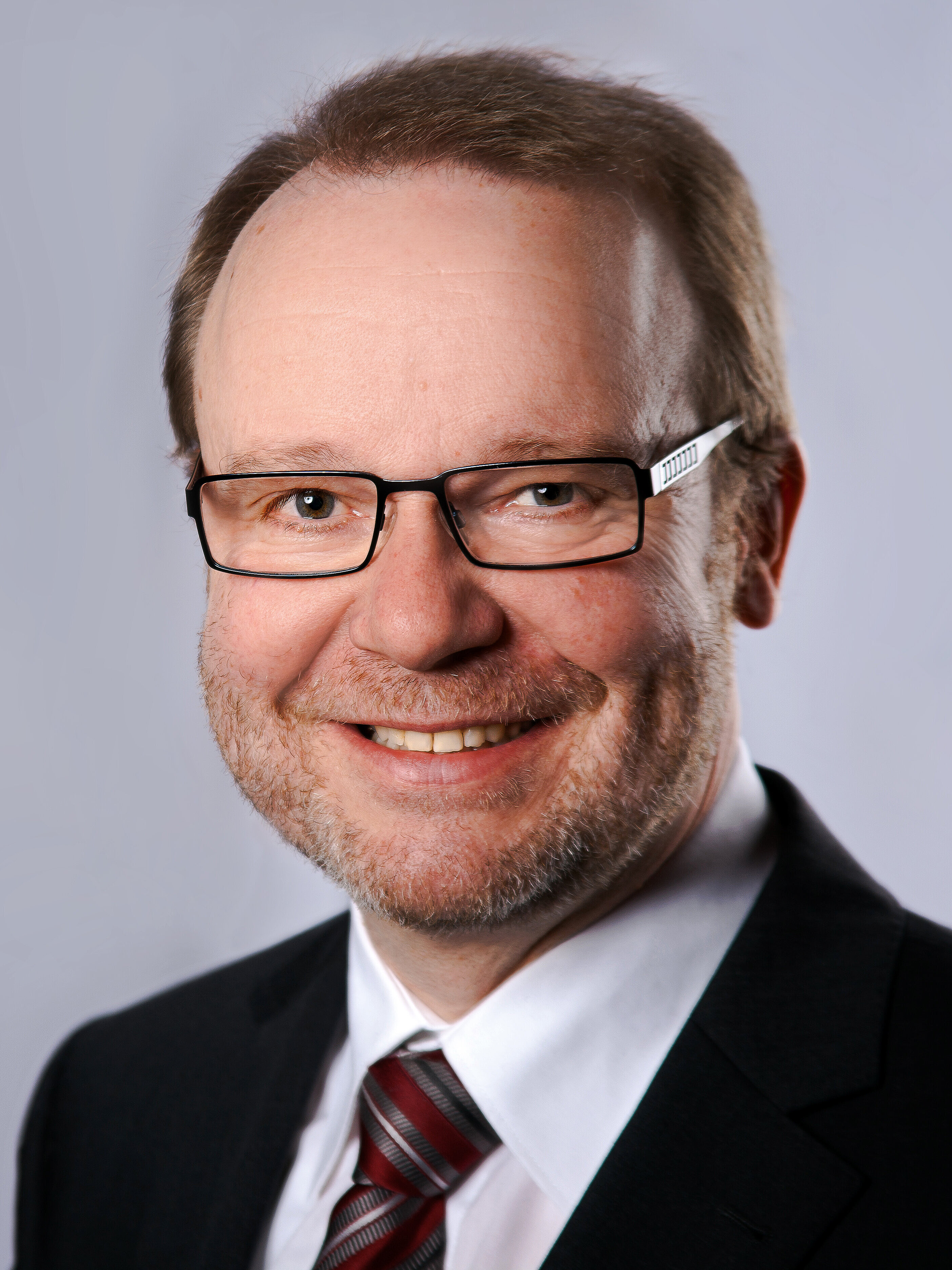
Peter Brodersen - Steinbeis Beratung GmbH
Peter Brodersen is an experienced business economist and industrial clerk with many years of experience as a personnel developer and internal trainer in various industrial companies. Through his diverse activities, he has been able to acquire extensive knowledge in corporate training and further education. In addition to his work in industry, Peter Brodersen was also a lecturer at the Wirtschaftsakademie Schleswig-Holstein (WAK), where he was able to pass on his knowledge to prospective specialists. His practical and goal-orientated approach enables him to develop individual training concepts and implement them effectively.
Cover picture: Anna Shvets/Pexels
Author

Nadia Riaz-Ahmed is an online editor. She is most interested in everything to do with digitalization and new technologies.