Sailing with soul: Maritime highlight off Glückstadt

In the golden light of late summer, an armada of proud traditional sailing ships rises up on the Elbe and heads towards an impressive highlight of the maritime calendar: the 50th edition of the "Rund um die Rhinplate" gaff regatta will take place in Glückstadt on 28 September 2024 and promises to be an unforgettable spectacle for participants and spectators alike.
"Around the Rhinplate" is more than just a race - the regatta is a celebration of maritime tradition, a tribute to the seafaring of days gone by and a celebration of the heritage of gaff sailors. Originally launched by Hamburg enthusiasts as a private pleasure, the regatta now attracts numerous skippers, crews and their historic ships as well as sailing enthusiasts from all over Germany and neighbouring countries every year. The event, which is regarded as the oldest of its kind for traditional sailing ships in Germany, offers a rare opportunity to see historic ships in action. Up to 40 gaff-rigged sailing ships will be in Glückstadt this weekend.
Historic art of sailing
But what makes this type of sailing so special? The name "gaff sail" comes from the horizontal piece of wood, the so-called gaff, which wraps around the mast like a fork. The sail is attached to this piece of wood. As the gaff sail has an angled shape and is pulled up the mast along the gaff, it is more flexible than other sails. It is easier to adapt to changing wind conditions. The lower end of the gaff sail is fixed with another piece of wood, the so-called boom. Originating in the 17th century, gaff rigging was the leading technology at sea until the first half of the 20th century, when it was replaced by the more advanced high rigging. Today, gaff sails lend ships a nostalgic air of adventure and pioneering spirit.

The programme: A maritime weekend
The regatta weekend begins on Friday with the arrival of around 40 traditional sailing ships in Glückstadt's outer harbour. There, the manoeuvres and the maintenance and care measures by the crew can be observed. Over the course of the afternoon, a unique atmosphere is created around the ships, and one or two accordions make an appearance and the first shanties are sung. The first highlight of the weekend follows on Friday evening: The Glückstadt Sailing Association, the local club that organises events and activities for sailing enthusiasts, provides romantic moments with a lantern cruise, when colourfully decorated boats sail through the inland harbour. This is followed by an atmospheric party at and in the historic harbour restaurant "Nettchen", accompanied by live music. The cult restaurant offers a maritime ambience and is known for regional specialities such as Glückstadt matjes, which is produced in-house.
The regatta day
The regatta day begins on Saturday morning with a breakfast for all participants on the harbour's sun terrace. During the subsequent skipper's briefing, the exact course for the circumnavigation of the Rhinplate is announced and the participants prepare for departure.
The starting signal sounds at 11 am. The sailing ships, including impressive flat-bottomed vessels, English smacks and Cornish crabbers, set sail and set off on their journey around the Rhinplate. The regatta is more like a squadron race, a friendly competition that is less about winning and more about experiencing and presenting the ships together. Participants are required to follow the rules of the maritime shipping route regulations and give way to commercial shipping on the busy Elbe, which requires experience and sailing skills. As the gaff sailors round the Rhinplate, spectators are treated to a breathtaking view of the Elbe.
Conclusion and award ceremony
After the return of the ships, an award ceremony will be organised at the Rigmor shipyard. Participants and guests are invited to celebrate this special moment and honour the winners of the regatta. Even if the sporting competition is not the main focus, there will be prizes for particularly beautiful manoeuvres or the best maintained ships. Of course, the events of the day or other sailing adventures are also discussed and plenty of yarns are spun.
Between history and modernity
The Gaff Regatta not only stands for the joy of sailing, but also for the preservation of maritime cultural heritage. At a time when modern technology is dominating seafaring, these ships are a reminder of how important an understanding of wind and water, the art of navigation and the craftsmanship on board still are. Now in its 50th edition, the regatta remains true to its original idea: community, tradition and love of the sea take centre stage. And of course, the regatta is not just an event for sailors, but a celebration for the whole town of Glückstadt. With its decades-long tradition, it is an important cultural heritage that keeps the maritime history of the region alive.
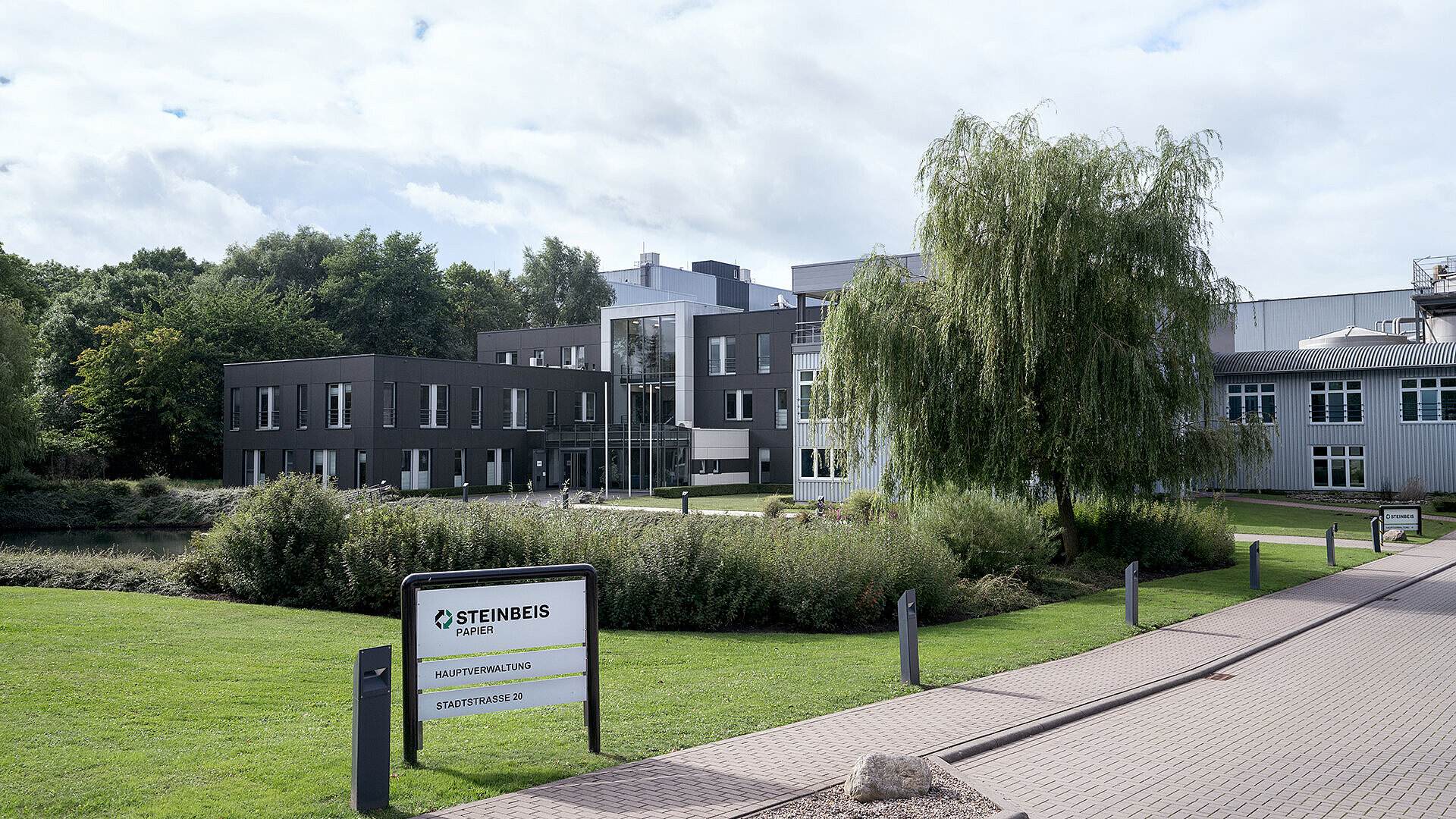
This attachment to tradition is also reflected in the local economy, as the example of Steinbeis Papier shows. The company combines decades of experience with a clear focus on sustainability in order to minimise its ecological footprint while ensuring the highest quality standards. For Glückstadt, this means that old craftsmanship and modern innovations are harmonised to secure the future of the region. Both the gaff regatta and Steinbeis Papier epitomise the principle that tradition and progress together can create a strong basis for sustainable and responsible development. This makes the regatta not only a maritime highlight, but also the symbolic highlight of a place that lives the balance between history and modernity.
Cover picture: cottonbro/Pexels
Author

Since his editorial traineeship in Hamburg, Jan Strahl has worked as a journalist, editor or author for almost every large and small publishing house in the city. He writes for consumer media and corporate publishing publications on art, fashion, lifestyle and knowledge topics.