Natural gardening: tips for a healthy and flourishing garden

19.03.2024 - Sustainable gardening is not only an environmentally conscious choice, but also a way to create a thriving and healthy garden that is in harmony with nature. From efficient water management to the targeted promotion of beneficial insects, creative approaches and practical tips offer the opportunity to design an outdoor area in harmony with nature.
Just like at Steinbeis Papier, where circular and recycling processes help to conserve resources and reduce environmental impact, sustainable gardening aims to use existing resources and minimise waste. This creates a harmonious ecosystem that sustains itself and thrives. With the start of the new gardening season and the first warming rays of sunshine, amateur gardeners are once again drawn out into their green oases. But before they start planting and tending, it's worth taking a long-term look at their garden. Because now is the perfect time to consider a few environmentally friendly tricks that not only protect nature, but also contribute to a thriving and healthy garden:
Efficient strategies for sustainable water requirements
The first step is to analyse the garden's individual water requirements. A lush lawn, for example, requires a considerable amount of water to maintain its fresh green colour. Many plants suffer from periods of drought and require regular watering during the summer months. But there are alternatives: Flower meadows and plants that tolerate heat and drought well are an attractive option. They require less water and adapt better to the climatic conditions. The use of rainwater is a good way to reduce water consumption. It can be collected efficiently, ideally in cisterns or rain barrels. This technique makes it possible to save precious drinking water while providing plants with a natural and abundant source of water.
The natural choice for thriving wildlife
Native plants are familiar to animals because they have adapted to each other over thousands of years. This natural adaptation means that animals can recognise and use native plants. For many insect species in particular, exotic plants are often unattractive or even unusable. They may not recognise the growth form, colours or scents that they need to find food or reproduce. Choosing native plants creates an insect-friendly environment, helps preserve local ecosystems and supports biodiversity. They also generally require less maintenance and are better adapted to local climatic conditions, making them a sustainable and low-maintenance choice.

Sustainable sowing pots - also made from recycled paper
Instead of buying large quantities of small pots, we can use creative and resource-saving methods to make our own sowing pots. One simple option is to fold recycled paper or newspaper into small seed pots. Another option is to use cardboard rolls of toilet paper. These can simply be cut into small sections and filled with growing soil to serve as pots. The cardboard rolls are biodegradable and can be planted directly into the soil as soon as the plants are big enough. For those who don't feel like making their own pots, there are also ready-made sowing pots made from fully degradable materials such as plant fibres or jute that are commercially available.
Avoid plastic for a healthy soil structure
Plastic mulch films and embankment nets can have a serious impact on soil health. These products prevent the natural exchange of oxygen and water in the soil, which can destroy the soil structure in the long term. They also contribute to environmental pollution as they are often not disposed of properly and accumulate in nature. Alternatives, for example organic mulch materials such as shredded bark, straw or compost, are not only more environmentally friendly, but also promote soil health by returning organic matter and nutrients to the soil.

Cycle of the garden: sustainable use of materials and waste
A sustainable garden should function as a closed cycle in which the materials and waste produced in the garden are reused. Instead of disposing of them, they should remain in the garden and be converted to a useful purpose. Brushwood, plant residues and other organic waste can be turned into valuable compost by composting. Compost is an excellent fertiliser and soil conditioner that is rich in nutrients and improves soil structure. Adding compost makes the soil more fertile, increases its water retention capacity and stimulates soil life. Composting can be easily done by collecting organic waste in a composter and turning it regularly to allow for optimal decomposition. The resulting compost can then be applied to the beds in autumn to prepare the soil for the next gardening season. By treating the garden as a cycle and reusing the organic materials, we not only help to reduce waste, but also promote healthy soil quality and sustainable plant growth.
Natural water management: the art of open joints for sustainable infiltration
The idea is not to seal every surface with concrete and not to close every joint completely. Instead, open and permeable joints should be used to allow rainwater to slowly flow back into the ground. This promotes natural soil moisture penetration and at the same time reduces the risk of flooding and erosion. It is important to recognise that not every paving or path needs to be impermeable and sealed. By using permeable materials and creating open joints, we allow rainwater to find its natural way into the ground. This replenishes the groundwater naturally and reduces the sealing of surfaces.
Creative sustainability: upcycling for a unique garden charm
Instead of throwing them away, old materials can be given a new lease of life and lend our gardens and outdoor areas a unique charm. Pallets, for example, can be transformed into versatile raised beds or seating furniture that are both functional and provide a rustic accent. Old tree trunks can be used as retaining walls or decorative elements that bring natural structures and textures to the garden. Even brushwood from pruning shrubs can be piled up to form brushwood fences, which are not only decorative but also act as a natural boundary. Often we simply have to ask ourselves whether it is really necessary to remove old coverings or materials. Sometimes a thorough cleaning is enough to give old surfaces a new lustre and restore their functionality.
Natural balance: specifically promoting beneficial organisms in the garden
By choosing the right plants, we can attract beneficial organisms such as insects, birds and other small animals that help to control pests and promote plant health. A variety of habitats in the garden such as dead wood piles, dry stone walls, flower meadows, dense groups of shrubs and tall grass meadows act like magnets for beneficial insects. These areas provide shelter, food and nesting sites for a variety of insects and other animals that are important for the balance in the garden. It is often not necessary to "clean" the garden too much. Leaving leaves under the trees or not removing all plant debris in autumn can help to create habitats for beneficial insects. A little courage to be messy is the first and most important step in attracting beneficial insects to the garden and promoting a healthy ecosystem. Wild bees and bumblebees are particularly important for pollinating plants. By creating habitats for these important pollinators and supporting them with the right choice of plants, we can maintain fertility and diversity in our garden.
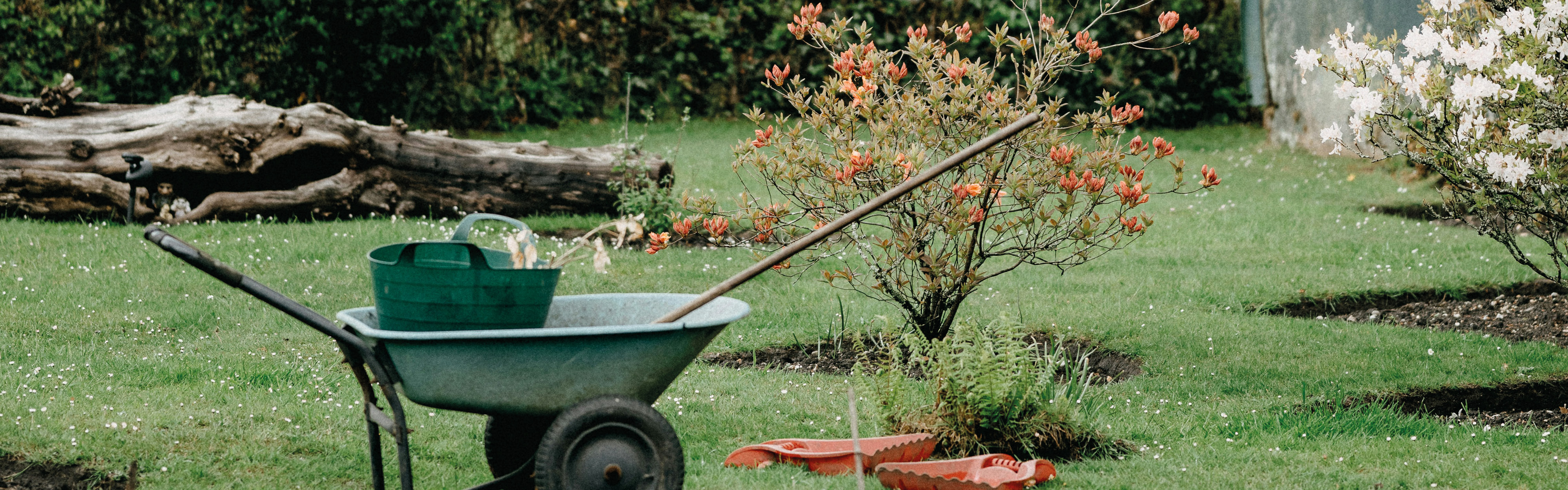
Cover picture: Annie Spratt/Unsplash
Author

As a senior editor, Benjamin Seibring specialises in developing content on sustainability, mobility, technology and lifestyle. An editorial traineeship at a German media group and his many years of experience in corporate publishing form the basis. With a high affinity for trend topics and innovative AI tools, he implements cross-media storytelling.