If you want to, you can - a doer at Steinbeis
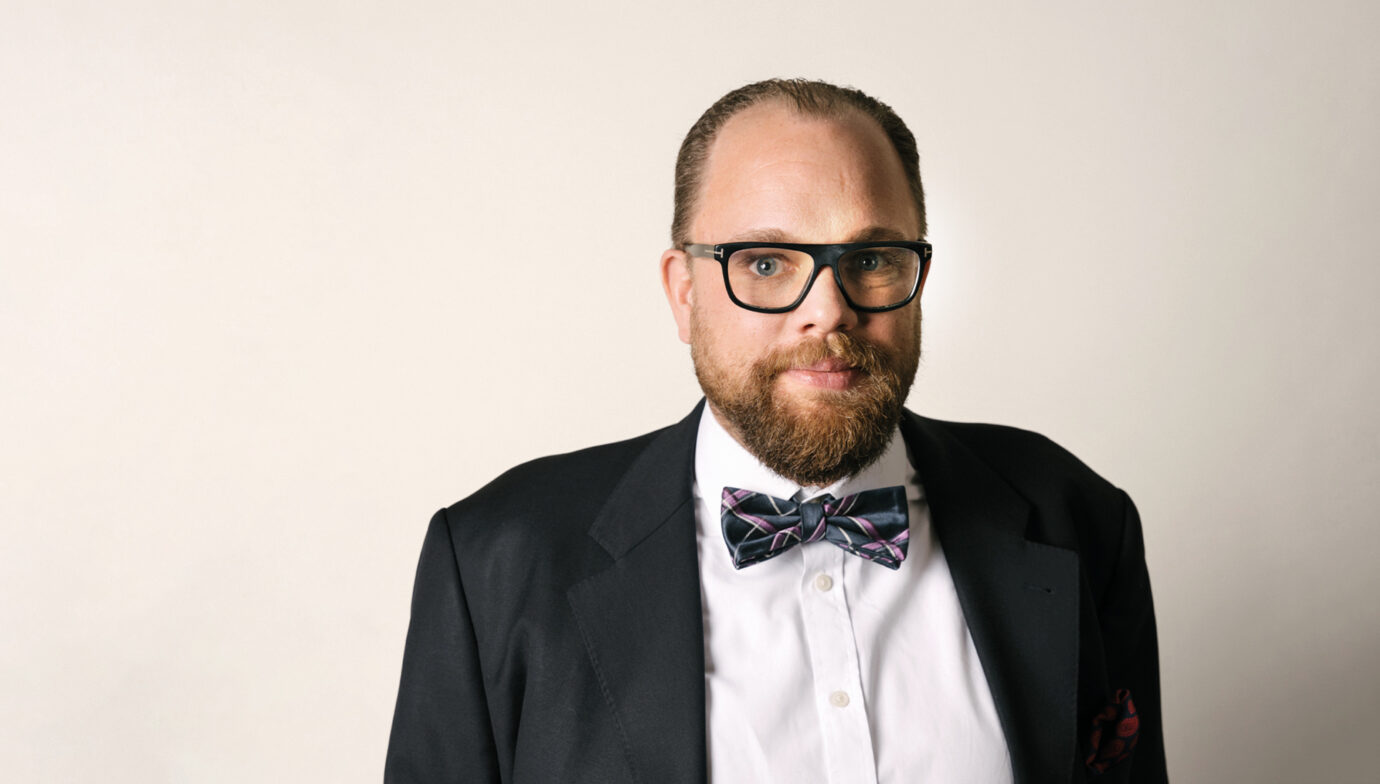
07.06.2022 - Sales is a multi-faceted playground. That's exactly what makes the job so exciting for Jan Bergmann. As Key Account Manager for Retail and New Products, he always knows the right contacts - or knows how and where to find them. At the same time, he is an animator, marathon runner and lawyer. This complexity makes his job a vocation that he pursues with heart and soul.
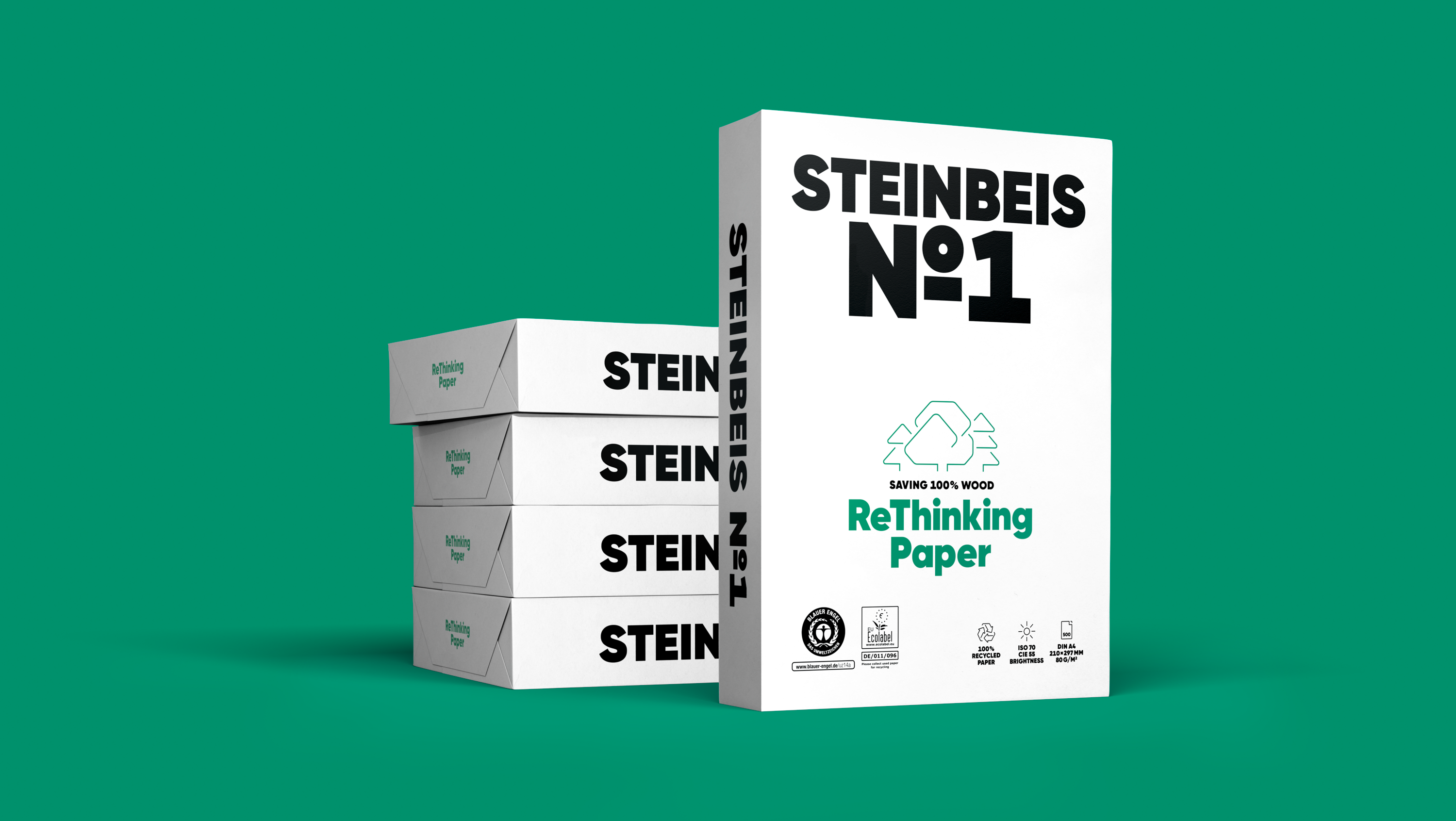
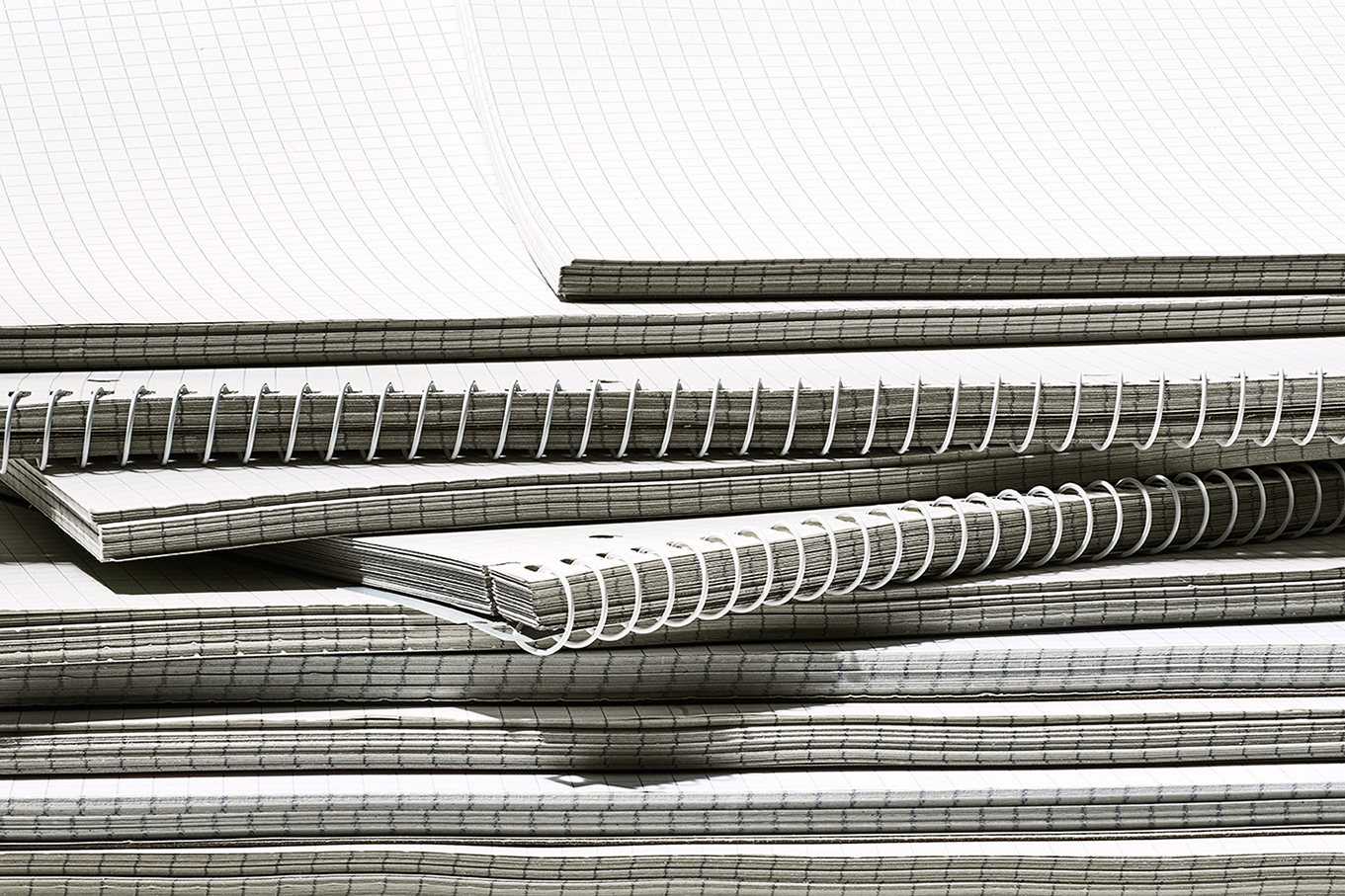
Label paper, college pads, return labels. Steinbeis Papier is not only the market leader for recycled graphic paper made from 100 per cent waste paper, but also a pioneer in product development and the circular economy. To keep it that way, Jan Bergmann, Key Account Manager for Retail and New Products, is always on the lookout for new customers, untapped sales markets and innovative concepts. In this interview, he gives an insight into his day-to-day work and reports on how he is arming Steinbeis Papier for the changes in the market with forward-looking ideas.
Mr Bergmann, what do you like about your job?
In sales, every day is different. I love the fact that you never know what's going to happen. You have the chance to meet new people, but you can also retreat into your little room and hatch ideas - whatever you feel like. Of course, there are also situations and phases that are stressful. For example, when I have to reduce customer volumes. I've learnt one thing in particular: if something goes wrong, sort it out first thing in the morning and don't wait until after work, otherwise you'll ruin your whole day. For example, if you lose orders, go to your boss first thing in the morning. He'll be in a good mood again by lunchtime.
What was your career like at Steinbeis Papier?
I started 22 years ago in the fine paper wholesale business, working purely in the field. i then joined Steinbeis Papier in 2012 as a key account manager - initially for the classic office paper range. I was passionate about what I did. Three years ago, my Sales Director Benjamin Höckendorf said to me: "So, Jan, you're doing something new now. We want to expand the retail area with you and develop new products."
How did you deal with the new tasks?
At first I asked myself: "Why me of all people? Am I even capable of building something new? However, I found it hardest to give up my customers - I suffered a lot from that. But in my job, you also have to be open to new things. Important technical questions had to be clarified. What does retail mean for us? What do we want to achieve? We hadn't seen our products in retail for years. The problem was that although recycled paper was sold, it was not positioned correctly. Above all, we had to free ourselves from the image of grey eco-paper. Over time, perceptions have changed and the ecological arguments have become much more important.
What is the current composition of Steinbeis Papier's customer portfolio?
We are now represented on many channels with our printing and copying paper. We serve the retail sector, mainly food retailers, specialist retailers, all office suppliers and our traditional paper wholesalers. Our products are also available via digital channels - for example on platforms such as Amazon, eBay or Mercateo or in our own web shop.
What role does the New Products division play in this?
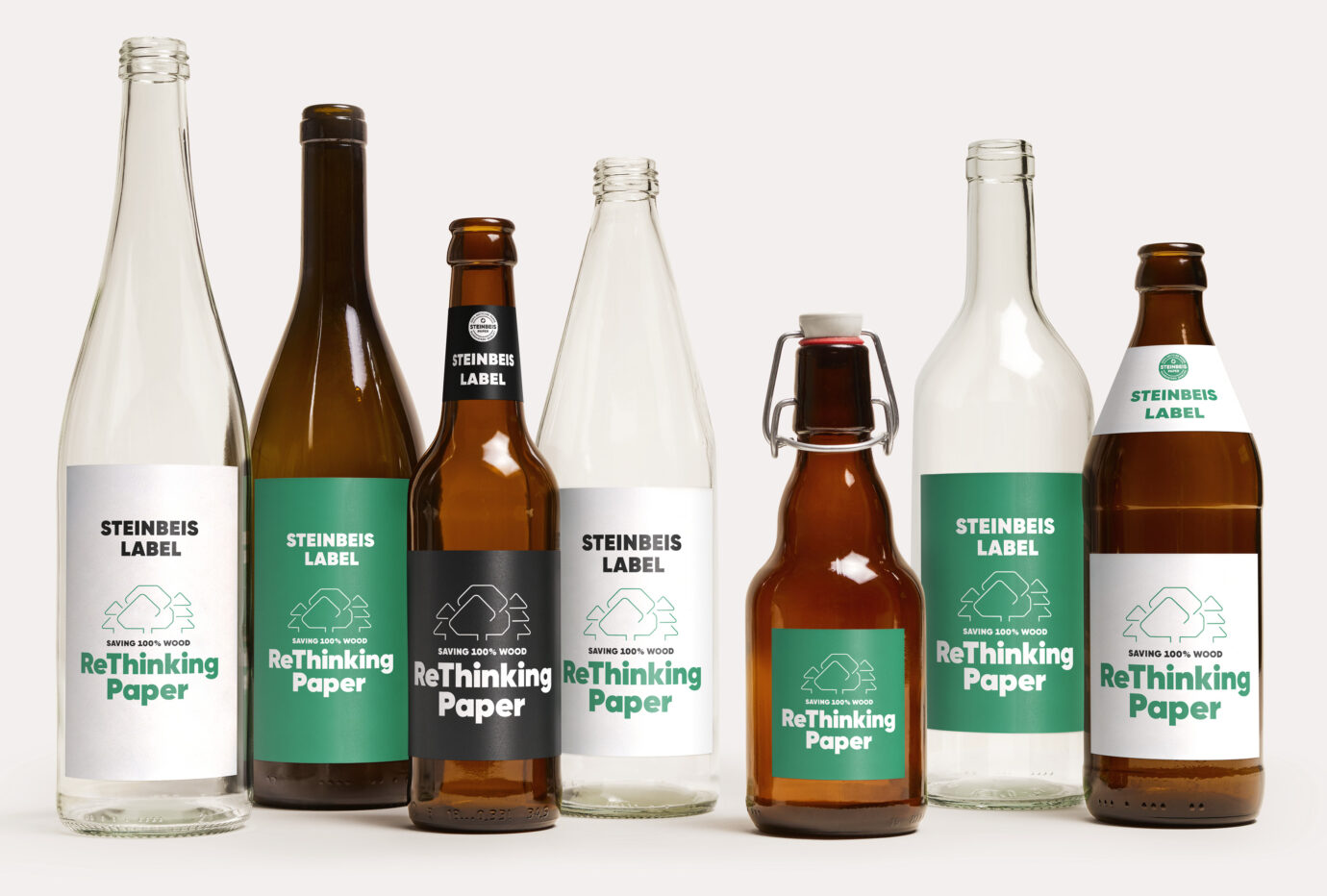
A big one, because we have been seeing far-reaching changes in our traditional markets for several years now. We have therefore analysed many additional markets, such as those for paper bags or cardboard packaging. In the end, we stuck with label papers and immediately set our sights on the supreme discipline: wet-strength label papers. At first, all the technicians threw up their hands in disbelief - but we did it. After three years, we have reached the point where our competitors are recognising us. It makes me proud that we are recognised as equals by the global players in Europe. That's a real team effort.
What criteria play a central role for you in brand positioning?
I always ask myself which partner is the best fit for us. Where do I want my brand to be found by customers? That is crucial for me. I believe that sometimes it's better to do without a placement before you force yourself into a corset or get involved in price discussions.
Then the question is: How strong is this company positioned? Do medium-sized companies also have a succession plan? After all, what is the point of building up a customer if it is foreseeable that the business cannot be continued? In my view, co-operations are very interesting. Although they won't always achieve large production volumes, they do bring other benefits, such as a whole new level of brand awareness among customers. I can't measure something like that in terms of sales.
What does a typical working day look like?
Too much structure is not good in my job - you have to remain flexible. But of course I follow certain routines in my day-to-day life. For example, I get up between half past five and six in the morning and sit at my computer at a quarter past seven. Then I think about what goals I want to achieve and why. I always spend part of my day making phone calls and acquiring new customers. However, if I realise first thing in the morning that today is not my day, I don't do it. Then I prefer to focus on who I would like to approach. This research in internet forums is relatively dull, but no less important. Otherwise, I phone existing customers, prepare and follow up my appointments and cultivate my contacts. I also regularly enquire about what is happening in the factory and whether everything is running smoothly in production - after all, I am also my customers' advocate to a certain extent.
To what extent do you work as part of a team?
I am in constant dialogue with my boss and my colleagues, but since the change of role, I also often liaise with the Research and Development department and Production. I've learnt a lot about production over the past few years. I really enjoy it and I have realised that I would have liked to be an engineer: I would have liked to be an engineer too.
What role does digitalisation play for you at work?
I'm more of an analogue type who prefers to look at nature rather than the television. The same applies to work. Outlook is an exception - it's my world and a world that helps me a lot in everyday life. Especially when it comes to contact details. I sometimes update them on a cosy Sunday afternoon. With a good 3,000 existing contacts, it keeps me busy for a while.
What changes has the pandemic brought to your day-to-day work?
Of course there are challenges. For example, finding decision-makers who are willing to make a decision. Overall, however, the pandemic is causing me fewer problems professionally than you might think. Funnily enough, I always get my appointments, even during the pandemic. Instead of meeting customers in the office, I meet them for a walk through the park. What's more, many people were even easier to reach by phone or video chat than before. What has really changed is my own mobility. I think it's good when society evolves and says: "Work is not a place anymore". In my view, however, the question is how to organise the opportunities for mobile working fairly. My colleagues at the paper machine can't leave. That's why it's very important to me to show my presence.
What is your vision for the Retail and New Products division?
I would like to see a closed-loop system, i.e. closed cycles with our customers. Because - what do they produce? Lots of waste paper, of course! Why doesn't it come straight back to us? We are currently working on concepts to realise this idea in the retail sector.
What's more, we can do much more than just sell paper. Under the umbrella of Steinbeis Holding, we produce recyclate and generate environmentally friendly energy. There are certainly many more opportunities and possibilities waiting for us.
What qualities are particularly important for your job?
The retail business is like a marathon. Most people give up in the last 300 metres. But that's exactly when you have to grit your teeth and keep going. You only lose if you give up. Perseverance is important. And: curiosity about life, other cultures and people. It's exciting how many intercultural differences there are in Germany alone - if you can even experience this internationally, there's nothing greater in life.
Do you take work home with you?
I usually go home on time for the weekend. As much as I enjoy my job, I'm really grateful when I don't have to talk to anyone. But I do have phases when I'm up at night and start brooding. Sometimes I write an email straight away with crazy new ideas. My colleagues at work are already familiar with this.
Jan Bergmann makes everything possible at Steinbeis Papier and does all sorts of things - and he loves it. Just for fun, he had IT set up an e-mail address especially for this purpose. But that's another story. The salesman doesn't take everything else seriously either. For Jan Bergmann, good humour is part of the programme: "I may not be the best salesman, but I'm definitely the most flexible and funniest. Better is always possible, but funnier..." In his spare time, he enjoys being out in nature, building beehives, saving ant colonies and lamenting the fact that more is not being done in Germany to protect titmice, snipe and the like.
Cover picture: Florian Thoss for Steinbeis Papier
Author
Valerie Bachert is a journalist, chief of staff and sustainability officer. She is interested in the areas of organic farming, conscious consumption, species extinction, social injustice and sustainable nutrition.