How is the Elbe actually doing?

11.04.2023 - At almost 1,100 kilometres, the Elbe is one of the ten longest and most important rivers in Europe. The river is also of central importance to Steinbeis Papier and its Glückstadt site. Reason enough for us to ask about the state of the Elbe.
One river - many facets
It is almost impossible to give a generalised or comprehensive answer to the question of the ecological health of the river. From its source in the Czech Giant Mountains to its mouth in the North Sea near Cuxhaven, the Elbe is too diverse, the ecosystems on the individual stretches are too varied and the environment is too complex, ranging from relatively unspoilt nature to agricultural land and large cities.
Low point and recovery
However, some facts on this topic are clear and indisputable, especially when it comes to the connections with historical developments. Before the start of industrialisation, the Elbe was considered one of the rivers with the most fish in Europe. Around 1900, the yields of Elbe fishermen were still unusually high at around 100 kilograms per hectare. One reason for this was migratory fish such as the sturgeon, whose specimens, up to three metres long at the time, moved back and forth between the river system and the open sea. However, the first river development measures, bank stabilisation and the removal of gravel banks caused a decline in stocks as early as the 19th century. The condition of the river then deteriorated dramatically in the second half of the 20th century. Between the end of the Second World War and the reunification of Germany, the smelting, mining and chemical industries, particularly in the former GDR, caused extremely high levels of pollution and left the river in a catastrophic state. Mercury, cadmium, chlorinated hydrocarbons and even the super toxin dioxin contaminated the Elbe. Anyone who spent their childhood near the Elbe in the 1980s will remember that their parents strictly forbade anything more than splashing around with their feet in the "toxic broth", as it was called back then.

Since the mid-2000s, swimmers have been venturing back into the water. Fish stocks, for example flounder, plaice, asp, finfish and even rare species such as barbel, hazel and ide have returned. Even salmon have been sighted again. Mammals such as the Elbe beaver and bird species ranging from cormorants and grey herons to kingfishers and ospreys are once again using the banks of the river as a habitat. The Elbe's surprisingly rapid recovery, even for experts, was made possible by the collapse of the above-mentioned industries in East Germany, but above all thanks to the very rapid and efficient expansion of sewerage systems and sewage treatment plants after 1990. Technical advances in these processes and stricter legal requirements on discharges into water bodies for industry and agriculture played their part in the Elbe's transformation from "ecologically dead" to at least a patient with a good chance of recovery.

Old burdens remain - new worries are coming
But there are even more hidden dangers lurking in the sediments of the Elbe and its banks. These layers of sand form the river's memory, so to speak, and can release large quantities of contaminated material under extreme conditions. This was the case during the flood disaster of 2002, when heavy metals, for example, were washed up and transported away. Some of these toxic substances originate from the Second World War, but also from industrial regions such as Bitterfeld and even from the toxic waste dumps of the former GDR.
Overall, after the great success stories of 15 years ago, the state of the Elbe seems to be taking a turn for the worse again. Climate change plays a major role here, as hot summers and low water levels in the Elbe lead to increased algae formation and, as a result, reduced oxygen saturation in the river. This has already led to a significant increase in fish mortality in some regions, such as in the Hamburg area in the summer of 2022. Environmental protection organisations also blame the controversial deepening of the Elbe and the measures that are intended to prevent siltation of the Elbe navigation channel in summer conditions and further dramatise the oxygen situation by stirring up the sand layers.
Stabilising the Elbe as an intact ecosystem despite its use as a drain for agriculture and industry, as a transport route and all the straightening, deepening and development measures remains a huge challenge. Especially since Germany has committed itself to the EU Water Framework Directive. This requires, also for the Elbe, a largely natural occurrence of plants and fish, the continuity of streams and rivers for all living creatures, rehabilitated, near-natural and natural bank zones as well as pollutant concentrations within the limit values. There is still a lot for those responsible to do to achieve the required values, which differ significantly from the current ones. And the clock is ticking - the deadline for implementing the EU Water Framework Directive is 2027.
Steinbeis makes a contribution
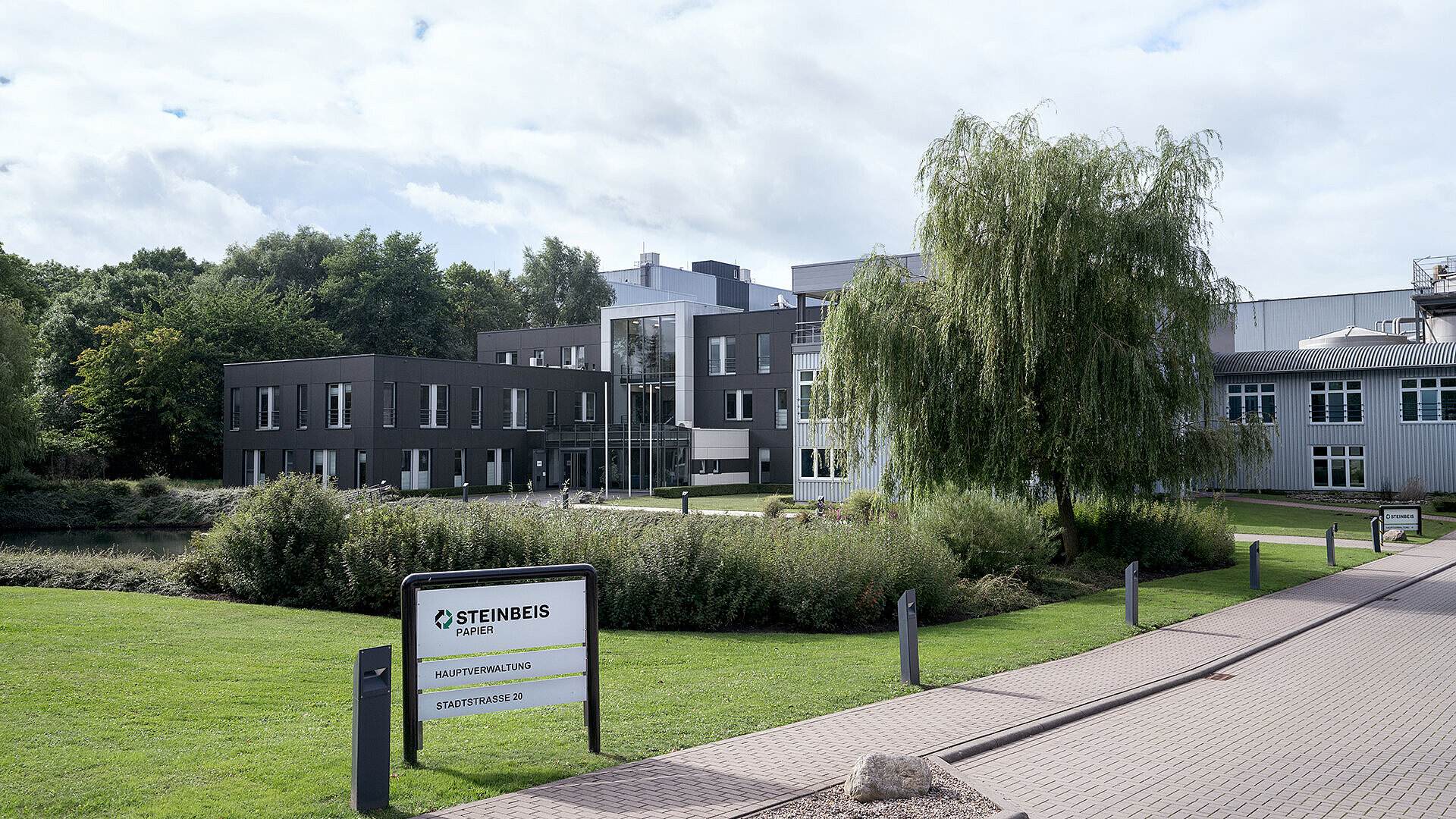
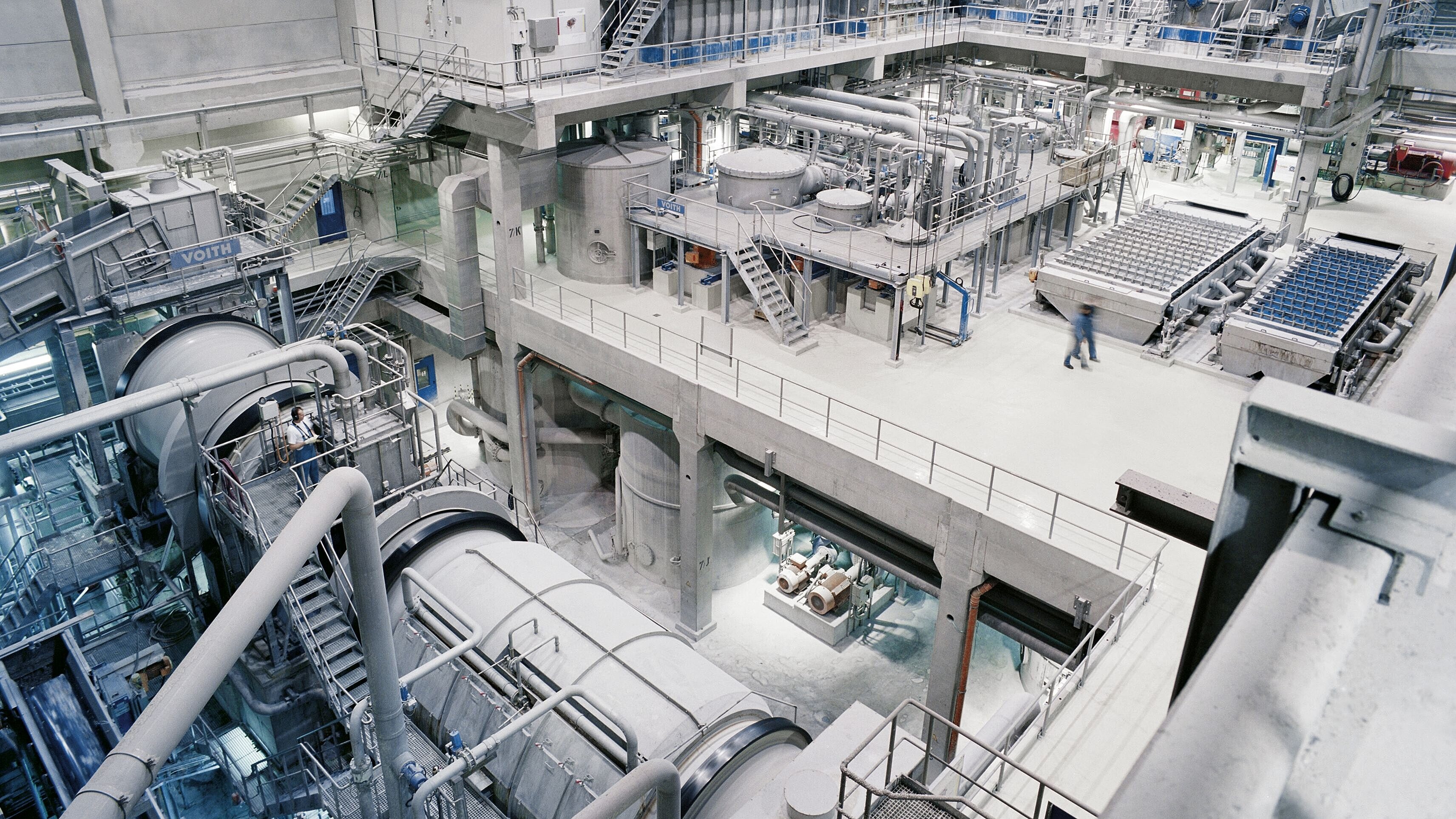
Steinbeis Papier operates its own fully biological wastewater treatment plant, which purifies the company's water using state-of-the-art technology. During the process, so-called raw water (surface water) is first siphoned off from the River Elbe and made available to the paper mill in a slightly treated form as process water. Steinbeis Papier has small water treatment systems at every paper machine and waste paper processing plant that make contaminated process water reusable for production. Only the water that can definitely no longer be used ends up in the wastewater treatment plant. This water is treated in the company's own wastewater treatment plant so that it can be returned to the Elbe with sufficient oxygen saturation. You can find more information about the plant and how it works in the article "Two million employees for clean water".
In this way, Steinbeis is making a small contribution to the responsible use of water as a resource and the ecological balance in the Elbe, with the hope that it will hopefully never again have to be labelled a "toxic broth".
Cover picture: Iaroslav Zhukov/Unsplash
Author

Since his editorial traineeship in Hamburg, Jan Strahl has worked as a journalist, editor or author for almost every large and small publishing house in the city. He writes for consumer media and corporate publishing publications on art, fashion, lifestyle and knowledge topics.