Diversity means life
20.04.2021 - We are on course for ecological Armageddon. This was the conclusion of a 2017 study conducted by experts from the Netherlands, the UK and Germany. The number of insects had shrunk by more than 75 per cent over the past 27 years.1 Since then, the alarm signals have become increasingly clear - and with them the media presence of the climate crisis. This is a good thing, because our ecosystems are suffering and biodiversity is dwindling. But how is all this connected? What is causing bees, butterflies, birds, lizards and grasses to disappear from forests and meadows? And what are the consequences? We dedicate ourselves to the FAQs on biodiversity, because only those who understand the problem can look for solutions.
What is biodiversity?
Biodiversity or biological diversity refers to the totality of all living organisms, habitats and ecosystems on land, in fresh water, in the oceans and in the air. In scientific terms, it is made up of three different aspects: the genetic richness of species, the diversity of species and the habitats of species. So when we talk about the loss of species richness, we are referring to one aspect of biodiversity.
How is biodiversity measured?
Measuring biodiversity is not that easy. No wonder, as it is embedded in an extremely complex system. Because it will never be possible to record the entire biodiversity, we must therefore be content with measuring representative aspects when assessing its status. These allow us to make statements about the development of biodiversity. In the case of cultivated plants, for example, the diversity of varieties, the number of species on a certain area or the population size can be measured. In particular, conspicuous and easily identifiable groups of organisms such as plants or birds are taken into account.2 We therefore have a much better picture of how many of the world's second largest land predators still exist (around 22,000 to 31,000 polar bears), but not how many ants.
Why is biodiversity important for a functioning ecosystem?
Every living being is networked with other living beings - with those of its own species, but also with those of other species. They all form a biotic community. The totality of all these communities together with their inanimate environment forms what is known as an ecosystem. Each species plays a specific role in this. In the forest, for example, trees protect the soil from erosion by slowing down the falling rain with their leaves.3 A single earthworm pulls an average of 20 fallen leaves into the soil every night, thus ensuring that humus reaches the mineral soil layers instead of remaining on top.4 The list of these ecological dependencies could go on and on.
This construct can be compared to a flat-sharing community in which everyone has their tasks: Washing up, shopping, taking out the rubbish. The shared flat ecosystem only works in the long term if everyone fulfils their part - otherwise there will be no lunch, the washing up will pile up and the rubbish will start to stink. It's no different in nature: just like every flatmate, every living organism, be it a plant, animal, fungus or bacterium, has a role to play - whether in the forest, on a meadow or in a lake. If species die out, biodiversity declines and gaps appear in the cycle that stabilises the ecosystem. The more gaps, the more the biological balance is shaken.
Isn't the extinction of species part of the history of evolution?
Definitely, it can even be the motor for change and development. It was the extinction of the dinosaurs that allowed mammals to develop in all their diversity. The major difference? The speed at which the loss of species diversity and with it the loss of biodiversity is progressing. Today, hundreds of times more vertebrates die out every year than would be the case under normal conditions without human influence. Around 600 vertebrate species have become extinct in the wild since 1500, including around 500 since 1900, and as many bird species have disappeared in the last hundred years as in the 3,000 years before.5 Of around 134,000 animal and plant species on the IUCN Red List, 37,480 (2021) are currently threatened with extinction worldwide.6 This is despite the fact that the IUCN list mostly only includes mammals and birds. Invertebrates, which make up 99 per cent of the global biomass, are not included.7 They are dying in obscurity. We will probably never get to know many of these species - they have disappeared so quickly that we have not even classified them yet.8
What is the cause of biodiversity loss?
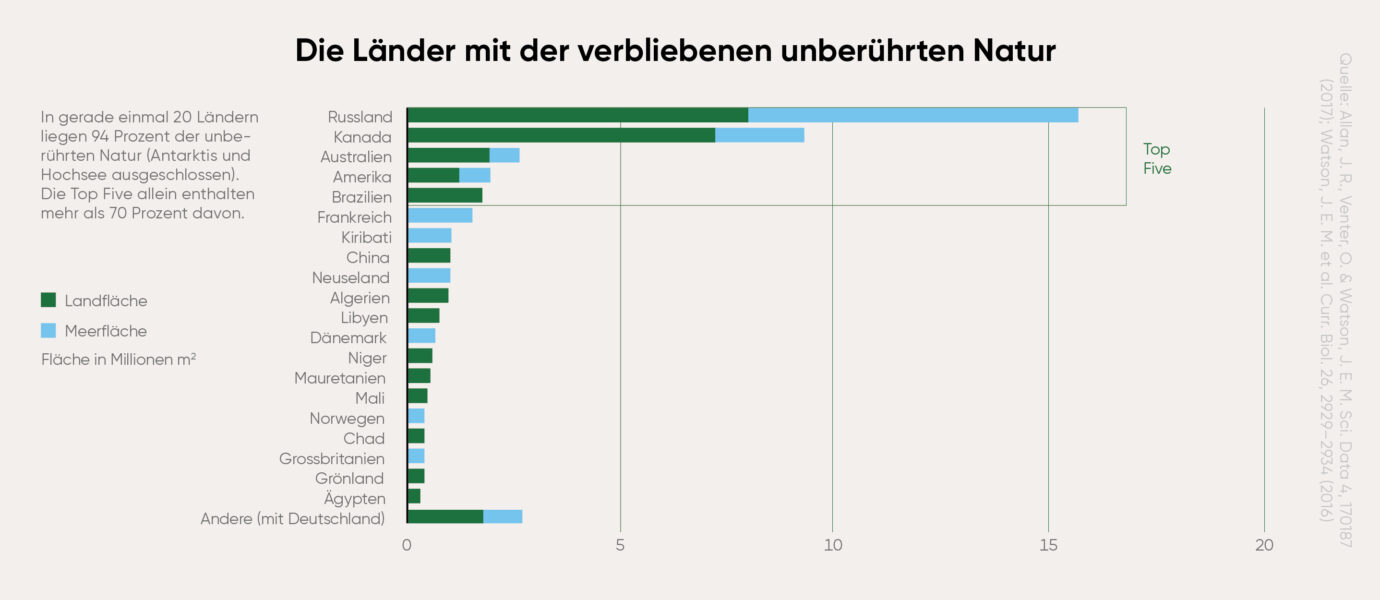
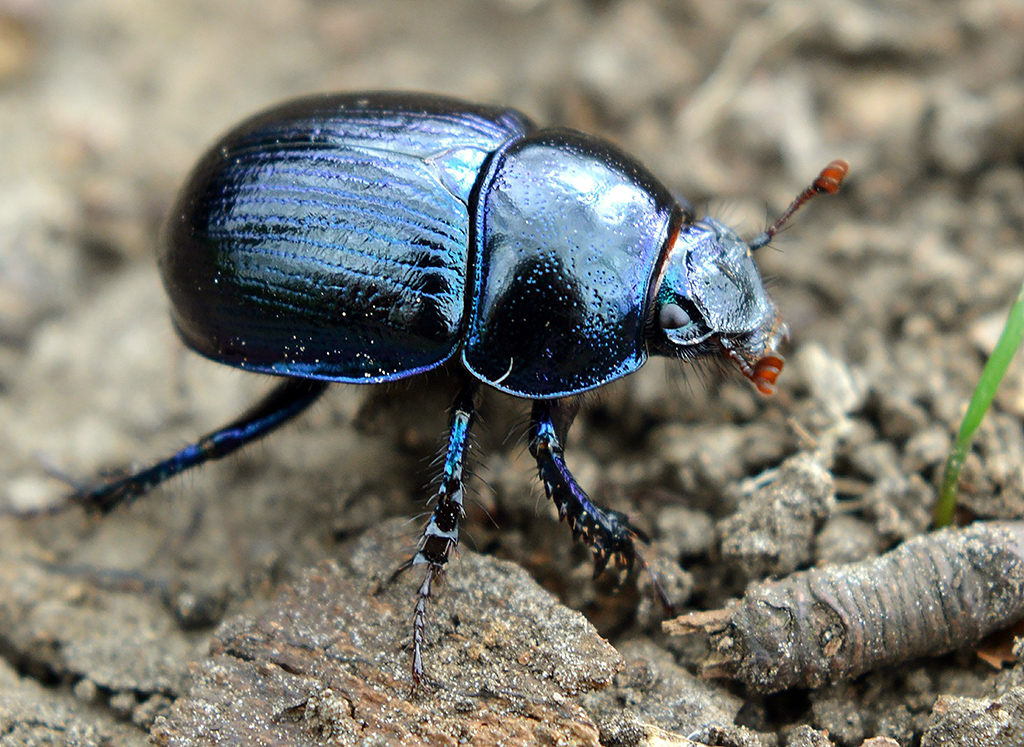
What leads to the loss of biodiversity in individual cases varies greatly. But all causes have one thing in common: us humans. We have massively changed the world, especially in the last 50 years. Global trade has exploded and with it consumption. Both have gone hand in hand with enormous population growth, urbanisation and rural exodus. Until 1970, humanity's ecological footprint was smaller than the Earth's rate of regeneration. The lifestyle of the Western world, however, has exceeded the Earth's biocapacity by at least 56 per cent - the reason why we have to celebrate Earth Overshoot Day a few days earlier every year. At the same time, there is hardly any unspoilt nature left in the world. Instead, a network of cultural and industrialised landscapes spans the entire planet. 75 per cent of the Earth's ice-free land area has already been significantly altered, most oceans are polluted and more than 85 per cent of wetlands have been lost.10 In the process, numerous habitats - home to billions of living creatures - are being destroyed. This plundering of the planet does not fit into the concept of ecological balance and has nothing to do with the natural process of existence and decay.
What consequences does the loss of biodiversity have for humans?
The WWF's "Living Planet Report 2020" clearly shows how the increasing destruction of nature is affecting human health and all aspects of our lives.10 For example, our diet: if there are fewer pollinating insects, our most important staple foods such as maize, rice and wheat are not (yet) in danger, but fruit and vegetable harvests will be poorer. And it is precisely these crops that provide the human body with vitamins and nutrients. Experts estimate that around six per cent of the total amount of cultivated plants would be lost if the extinction of species continues at the current rate. Some vegetables such as cucumbers or pumpkins would hardly exist any more. In addition to the nutritional damage, the economic damage would be considerable: producers in Germany alone would lose 1.3 billion euros per year.11
What do biodiversity and the climate crisis have to do with each other?
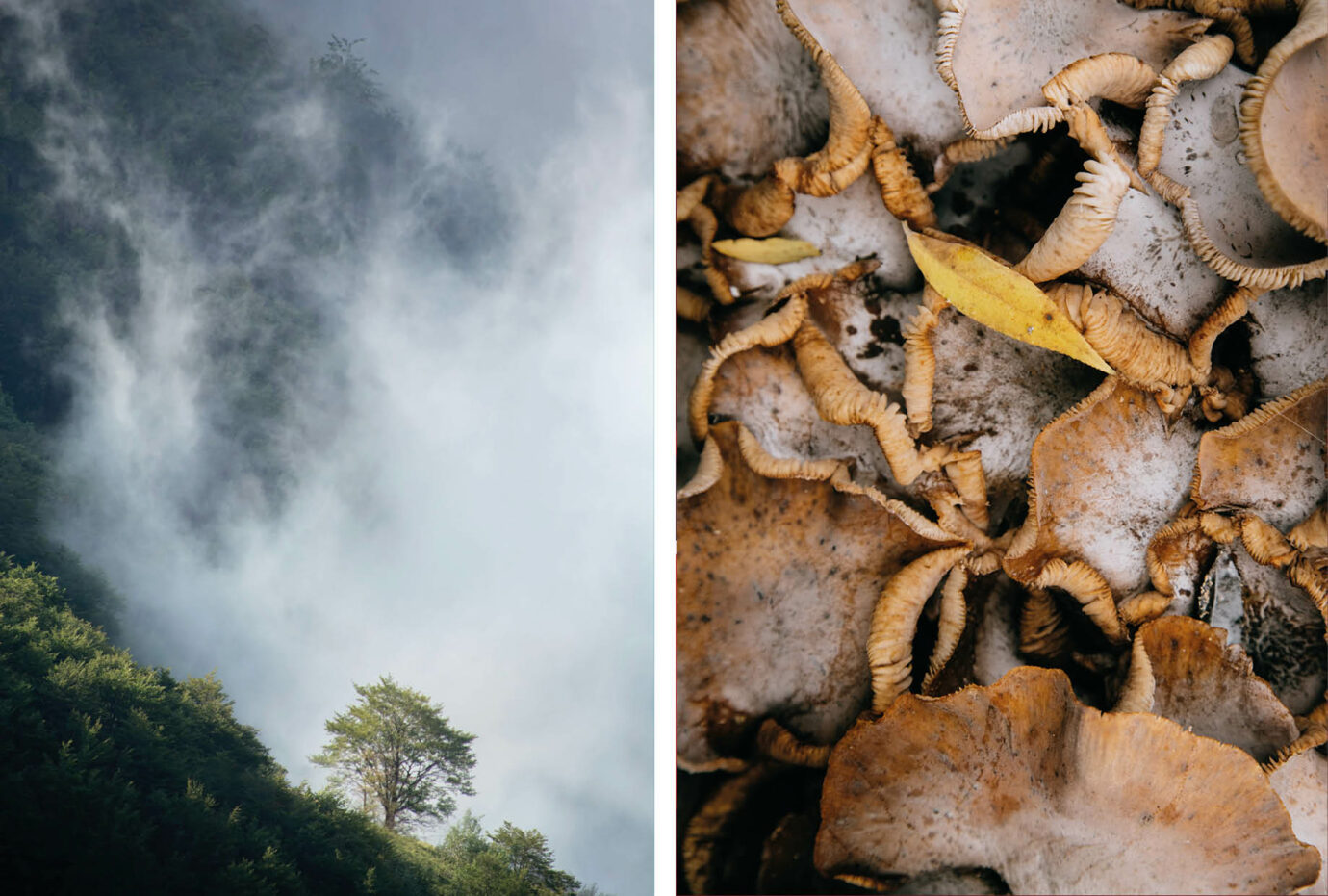
Biodiversity and climate are closely linked and influence each other. If it is hotter or colder, if it rains more or less, this influences the behaviour, reproduction and nutrition of living organisms. Triggered by this ecological pressure, there can be strong spatial shifts in their distribution areas and thus changes in the species composition of entire ecosystems.12 This means that if the habitat is lost in one place, the animals migrate - naturally, they have to go somewhere.
Stable ecosystems with high biodiversity have a favourable effect on our global climate. For example, species-rich subtropical forests can absorb twice as much carbon as monocultures. A similar effect can be seen in meadows. In this context, microorganisms in the soil such as fungi and bacteria play a key role for the meadow ecosystem. They convert plant and animal biomass and thus ensure that nutrients are stored in the soil. Even pollutants are rendered harmless by the microbes.13
What needs to change?
As diverse as the causes of biodiversity loss are, so too are the possible levers. You can find a comprehensive overview here, for example. All of them are based on the need for a profound cultural and systemic change, which our civilisation has so far failed to achieve. This includes, for example, the transition to a social and economic system that values nature, no longer takes it for granted and recognises that we are more dependent on nature than it is on us. One way, for example, is the economy for the common good. In addition, more and more companies are launching environmentally friendly products on the market, such as pläin, myBoo, Wikkelhouse and jausnwrap. They are all part of a corporate landscape in which new paths are being sought with innovative strength and courage, as is the case at Steinbeis Papier.
At the same time, it is important to create more space for biodiversity. For example, through flower strips or areas. They offer pollinators and insects in particular a diverse range of food. These include many beneficial agricultural insects, which in turn contribute to biological pest control. They also provide important food, reproduction and refuge biotopes for other animals. A win-win-win.14
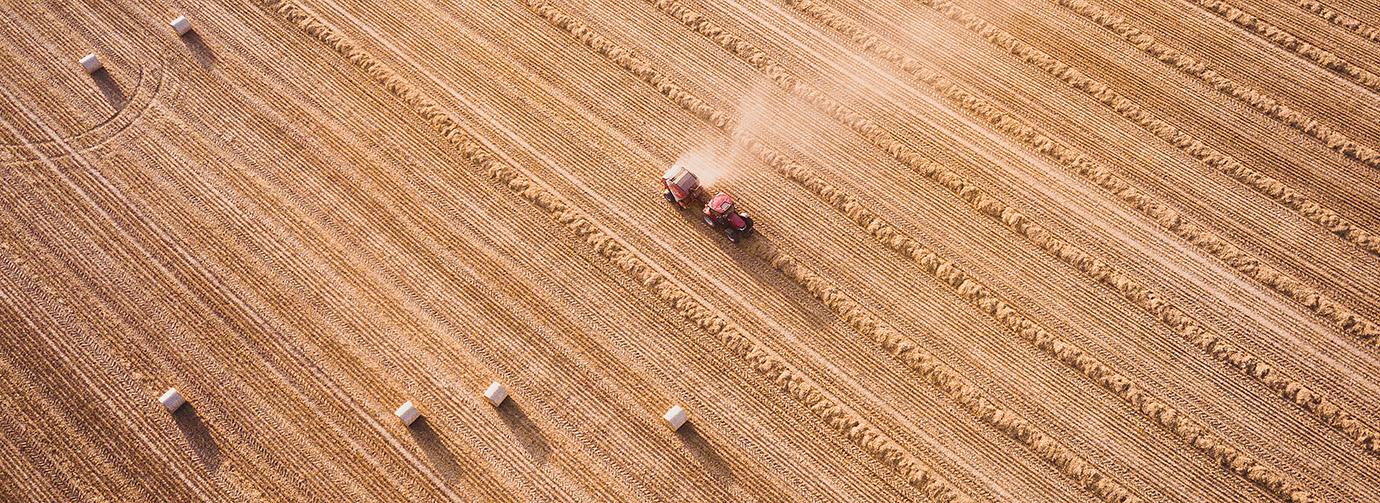
Another lever is the reorganisation of our global food system. Stricter cultivation guidelines and eco-labels ensure sustainable cultivation and can provide more transparency for consumers. At the same time, however, there is also a need for political and economic promotion and support for producers who want to make a change. Here too, innovation drivers could accelerate change, such as Frischepost. The digital farm shop brings farmers and regional producers together with consumers. A transshipment centre is set up at each location to put together the shopping baskets. Deliveries are then made several days a week using electric delivery vans. Producers who are accepted by Frischepost must fulfil strict criteria. This kills several birds with one stone: the supply chains are shorter, organic cultivation is favoured, small, local businesses are strengthened and even city dwellers without access to the weekly market can easily obtain regional products.
What can everyone do?
The first step towards healing is to get informed. This is possible through NGOs, foundations, relevant websites or local climate protection groups such as FFF or Extinction Rebellion, to name just a few possibilities. From then on, it is up to everyone, because even if politics and business must be held accountable, every citizen can become active, so that environmental protection is no longer a question of political currents or personal interests, but becomes an integral part of our society.
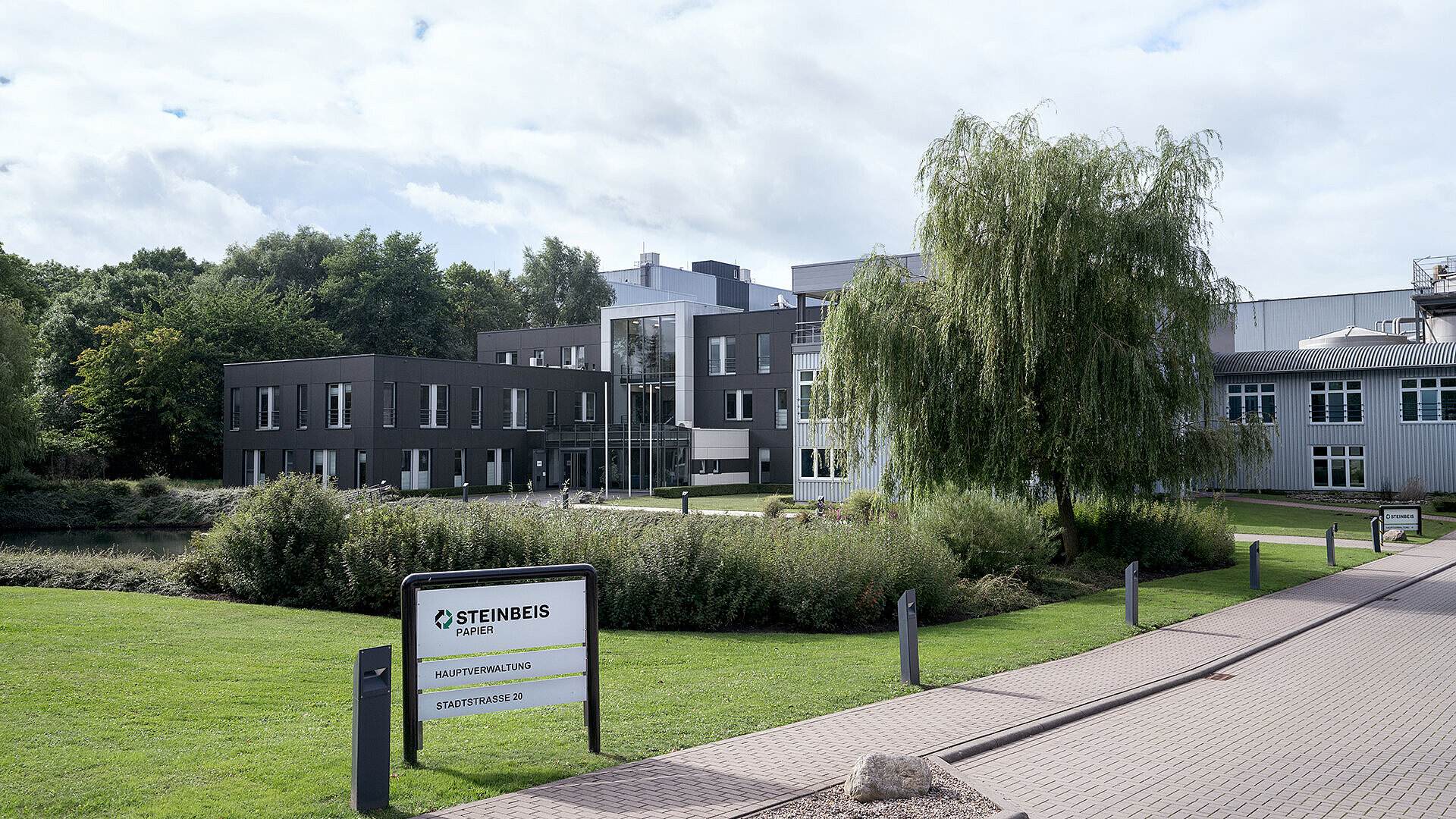
How does Steinbeis Papier contribute to the preservation of biodiversity?
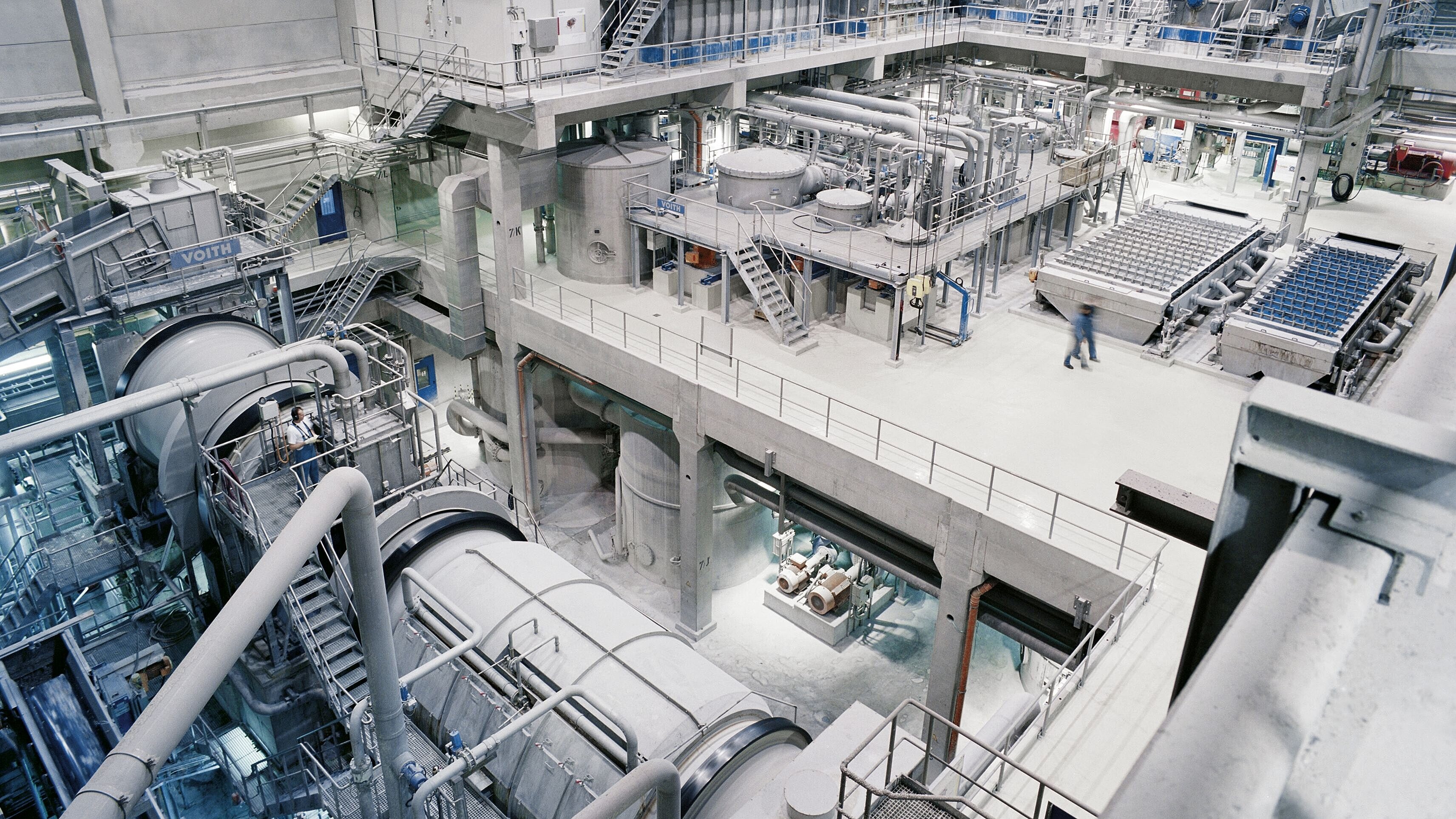
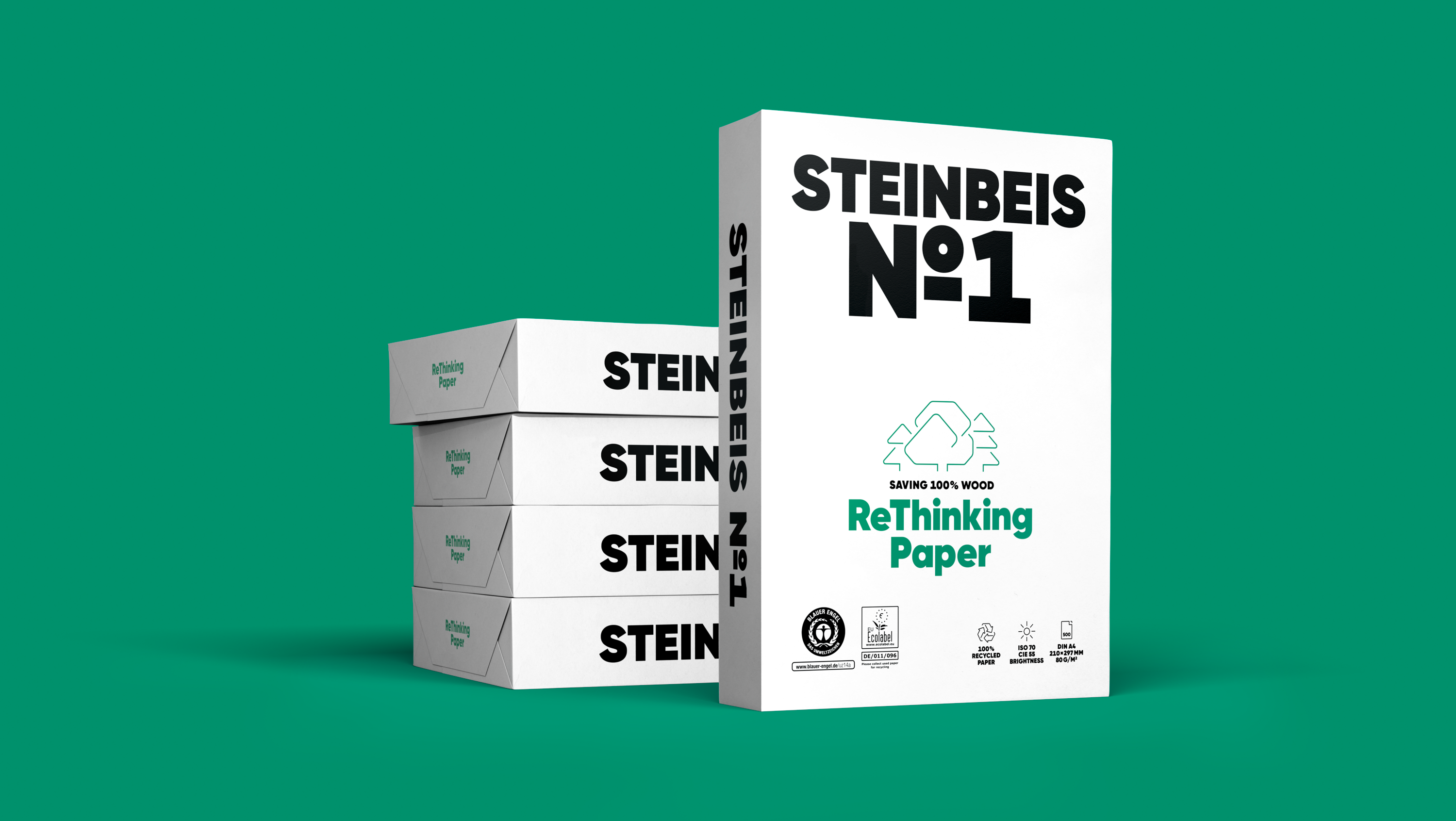
Steinbeis Papier produces 100 % recycled paper and thus conserves the natural resources of our planet. In addition to water and energy, this also includes wood, as only waste paper is used as a raw material. The raw materials for virgin fibre papers are obtained from softwoods such as spruce and pine as well as hardwoods such as birch, beech and eucalyptus. 80 per cent of this wood does not come from Germany, but is imported - including from the primeval forests of South America, one of the most species-rich and water-rich ecosystems on earth. By using recycled paper, these areas can be saved from deforestation.
Cover picture: Gilberto Olimpio/Unsplash, picture info: Sydney NSW, Australia
Sources:
- Plos One magazine: More than 75 per cent decline over 27 years in total flying insect biomass in protected areas
- Information from the Swiss Biodiversity Forum: Measuring biodiversity
- Ecosystem Earth: Biodiversity
- NABU: A portrait of the earthworm
- Science Advances: Accelerated modern human-induced species losses: Entering the sixth mass extinction
- The Red List is an indicator of the state of biodiversity. The Red List is published at regular intervals.
- FAZ: Species extinction even greater than assumed
- Heinrich Böll Foundation: Global insect extinction. A crisis without numbers
- Only last year, thanks to corona, did the numbers look a little different.
- WWF: Living Planet Report 2020
- Heinrich Böll Foundation: World without insects. When technology is supposed to help
- Federal Agency for Nature Conservation: Climate and weather
- Heinrich Böll Foundation: Insect atlas.
- Max Planck Society: Biodiversity
- LBV: FAQ. Flowering areas, flowering strips, flowering sponsorships in farmland
Author

Valerie Bachert is a journalist, chief of staff and sustainability officer. She is interested in the areas of organic farming, conscious consumption, species extinction, social injustice and sustainable nutrition.