Clean eating: fresh, wholesome and sustainable

23.01.2024 - The way we eat is subject to constant trends. In today's world, where environmental awareness and health are playing an increasingly important role, the clean eating trend is becoming more and more important. The focus here is on the use of fresh, wholesome and sustainably produced food. We provide an insight into the world of clean eating, from the sustainable concept to special recipe blogs.
Clean eating as a sustainable lifestyle goes beyond purely personal health and actively contributes to environmental protection. By making a conscious decision to avoid processed foods and their often expensive packaging, followers of this trend not only reduce their own ecological footprint, but also support the conservation of natural resources.
This is how sustainable clean eating works
A central aspect of clean eating is the emphasis on regional and local products. Favouring food from the local area not only promotes short transport routes, but also strengthens local agriculture. This helps to minimiseCO2 emissions caused by transporting food and at the same time supports the diversity of regional produce.
Avoiding ready-made products and focussing on unprocessed food also means acting in an environmentally conscious manner. This is because the production of processed food often requires a lot of energy and pollutes the environment through packaging materials and production waste. Clean eating therefore promotes sustainable food production that conserves resources and produces less waste.
Another important environmental aspect of clean eating is the reduction of plastic packaging. The overuse of plastic has a significant impact on the environment, especially on the flora and fauna in the oceans. By opting for unpackaged, fresh food and consciously avoiding plastic-packaged options, clean eaters are making an important contribution.
Clean eating thus becomes a holistic approach to wellbeing that protects both your body and the planet.

Clean eating vs. vegetarian/vegan
In contrast to a purely vegetarian or vegan diet, clean eating allows the consumption of meat and fish. However, the degree of processing and the freshness of the food are decisive. Clean eating can easily be combined with a vegetarian or vegan lifestyle, which explains its flexibility and broad acceptance. Clean eating is basically a wholefood diet. However, the focus on environmental aspects, particularly in relation to packaging, broadens the scope and makes clean eating a holistic nutritional concept with a high level of sustainability.

Basic rules of clean eating
Clean eating has a few basic rules that define the lifestyle:
- Natural foods: buying unprocessed produce where possible.
- Avoid packaging: No products in plastic or elaborate wrapping.
- Avoid white flour, sugar and sweeteners: Reduce trans fats, colourings and artificial additives.
- Sustainable meat and fish production: If meat or fish, then low-fat and sustainably produced.
- Inclusion of superfoods: chia seeds, goji berries, tempeh, soya, quinoa and local superfoods.
- Several small meals: Favouring small meals over a few large ones.
- Plenty of water: Daily consumption of two to three litres of water, accompanied by a strong restriction of alcohol consumption.
Quick effects and long-term changes
The effects of clean eating can be seen relatively quickly, often within just a few days or weeks. Changes in hunger, weight, sleep requirements and skin appearance are typical examples. To achieve long-term effects, constant implementation of the clean eating lifestyle is required.
Versatile clean eating recipes
Clean eating originated in the USA, and the term itself was adopted from there. Tosca Reno, an internationally renowned nutrition expert and bestselling author, is considered one of the figureheads of this movement, which has also popularised clean eating in Hollywood. In Germany, blogger Hannah Frey and her blog Project: Healthy Living is a well-known representative of clean eating, especially the vegetarian version. Specific instructions and recipes are particularly helpful for beginners. Specialised blogs offer support and inspiration:
- Clean eating - natural, healthy and delicious by Bianca Zapatka
- Eat this! by Nadine Horn and Jörg Mayer
- Minimalist Baker by Dana Shultz (English)
- The Healthy Foodie by Sonia Lacasse (English)
- Green Kitchen Stories by David Frenkiel and Luise Vindahl (English)
Clean eating is more than just a diet - it's a sustainable lifestyle that promotes health and raises environmental awareness. The flexibility and variety of foods make clean eating a trend that has many followers, not only in the short term but also in the long term. The focus on freshness, quality and environmental compatibility makes clean eating a holistic and forward-looking nutritional philosophy.
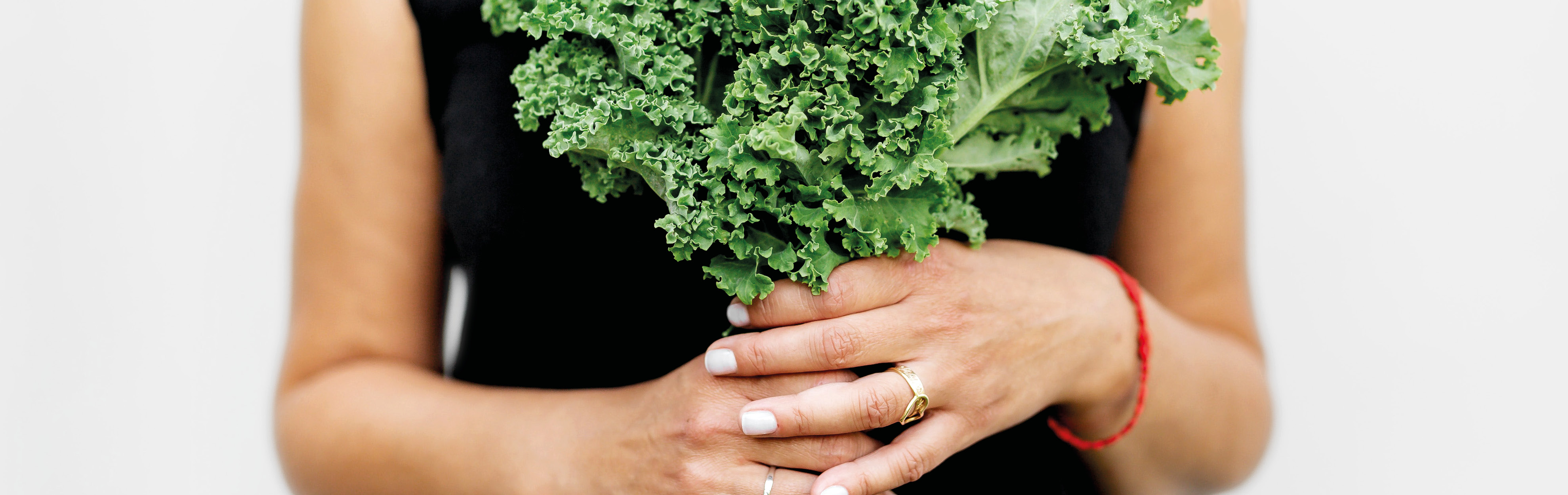
Cover picture: Karolina Grabowska/Pexels
Author

As a senior editor, Benjamin Seibring specialises in developing content on sustainability, mobility, technology and lifestyle. An editorial traineeship at a German media group and his many years of experience in corporate publishing form the basis. With a high affinity for trend topics and innovative AI tools, he implements cross-media storytelling.