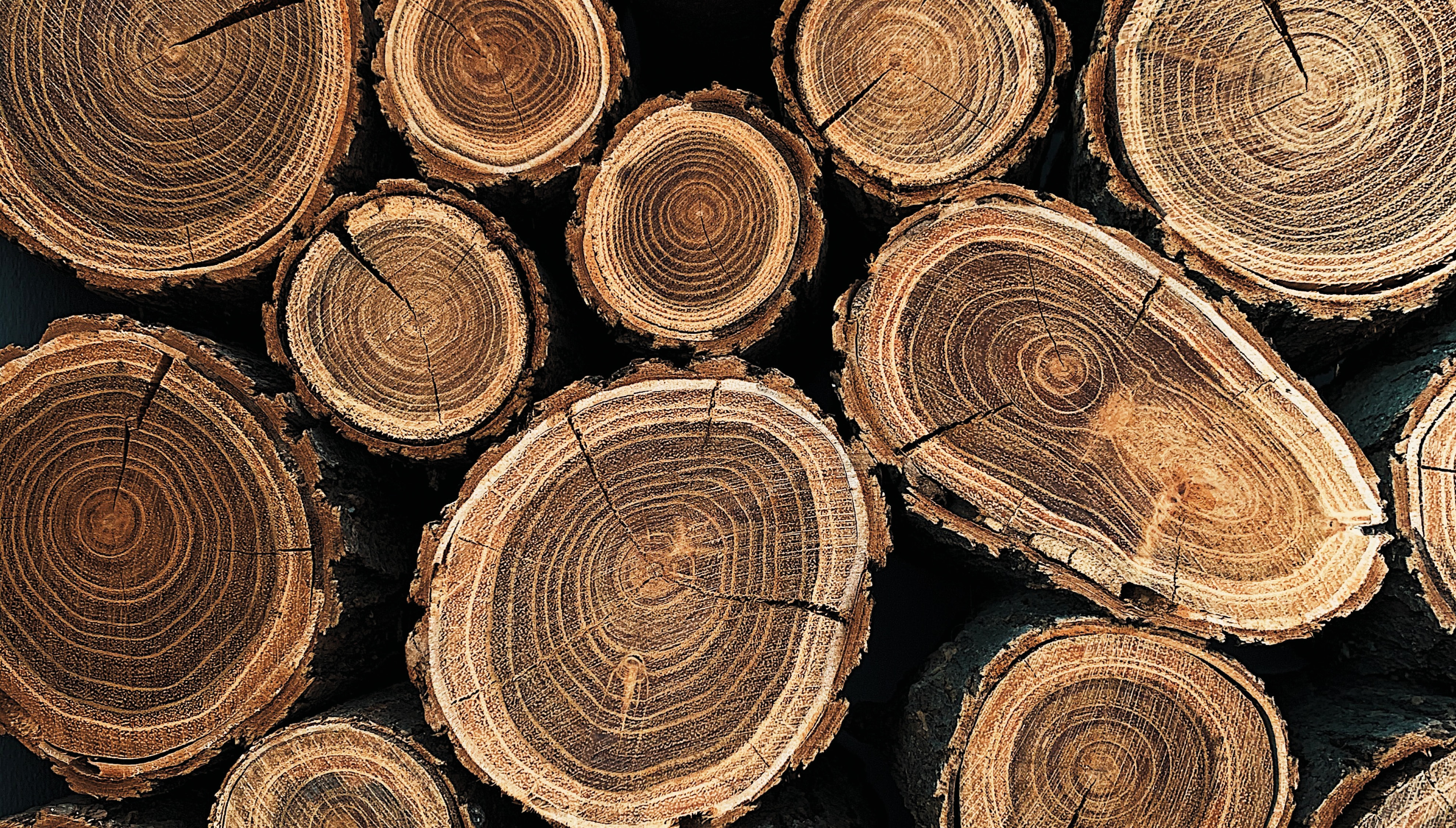
A tribute to the natural material wood
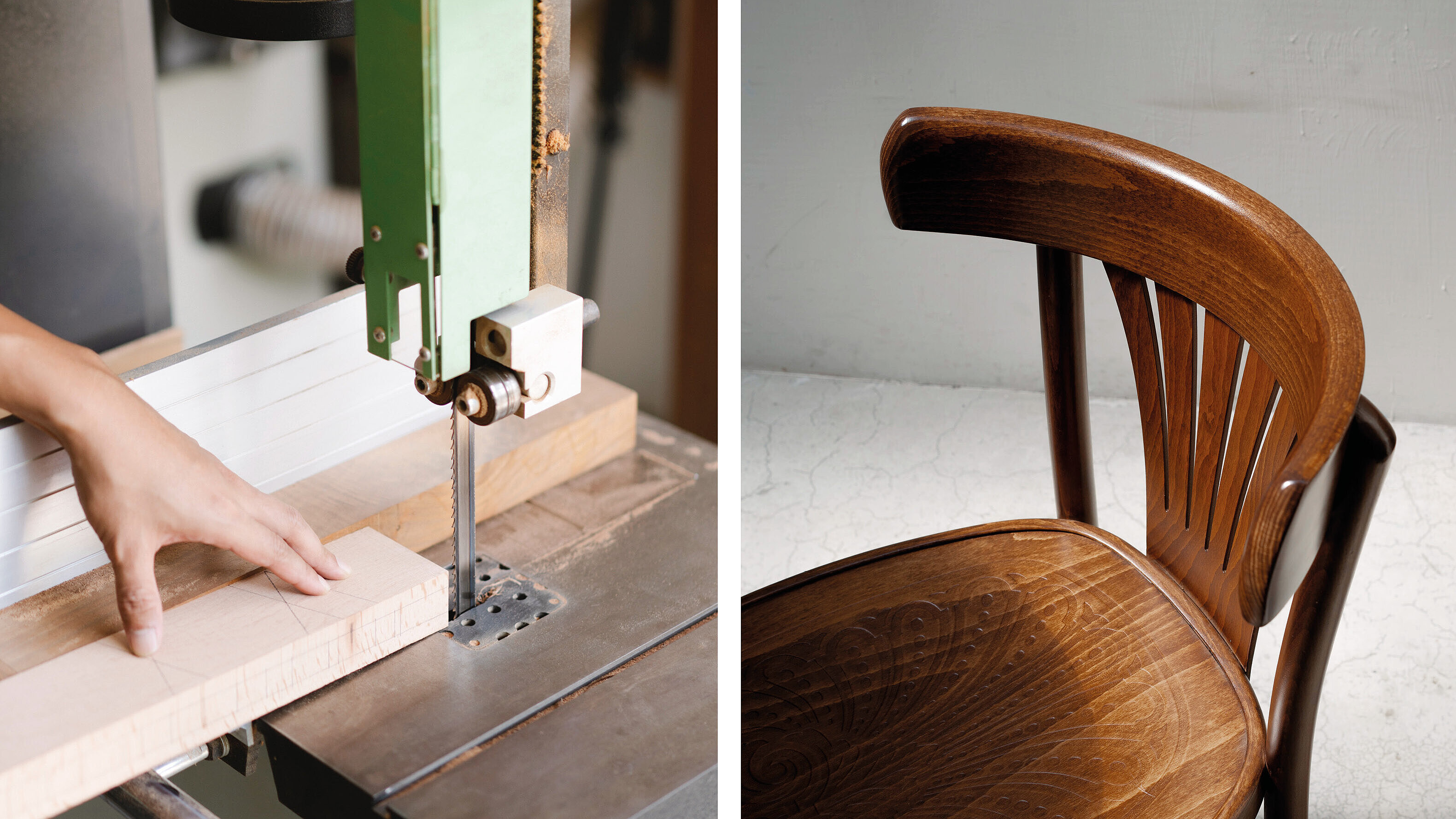
10.05.2022 - Wood is an all-rounder: it provides energy, is suitable for construction and plays an important role in climate protection. No wonder it has been used by people since time immemorial. We take a closer look at this versatile natural material, show how versatile wood is, what relevance the material has in our society and what the situation is regarding its main source - the forests.
Wood over the centuries
We knock on wooden tables when we want to keep good luck or avert misfortune. And sometimes we are on the wrong track or can no longer see the wood for the trees: wood as a material has made it into the idioms of our language. It is one of mankind's most important raw materials - and has become an important part of our society over the last few centuries.
In early history, wood was primarily used as a tool and firewood. At some point, almost everything was made from this material: Houses, cars, ships, toys, musical instruments and much more. It was only with industrialisation that other materials such as steel and later plastic gradually replaced wood as a multifaceted raw material. However, the production of steel and plastic releases more carbon dioxide and uses fossil fuels such as coal and oil. And that is harmful to our climate.
Wood - a versatile raw material
No other material has such a good ecological balance as wood - provided it is obtained through careful and sustainable forestry. As an active carbon store, this natural material has a positive impact on our environment and is therefore the number one climate protector. And that's not all: nowadays, wood is used in many different ways. Depending on the quality and type of wood, the material is used in construction, the furniture industry, energy generation and paper production, for example. This makes it all the more important to protect our forests, as they are the lungs of this world.
The state of our forests
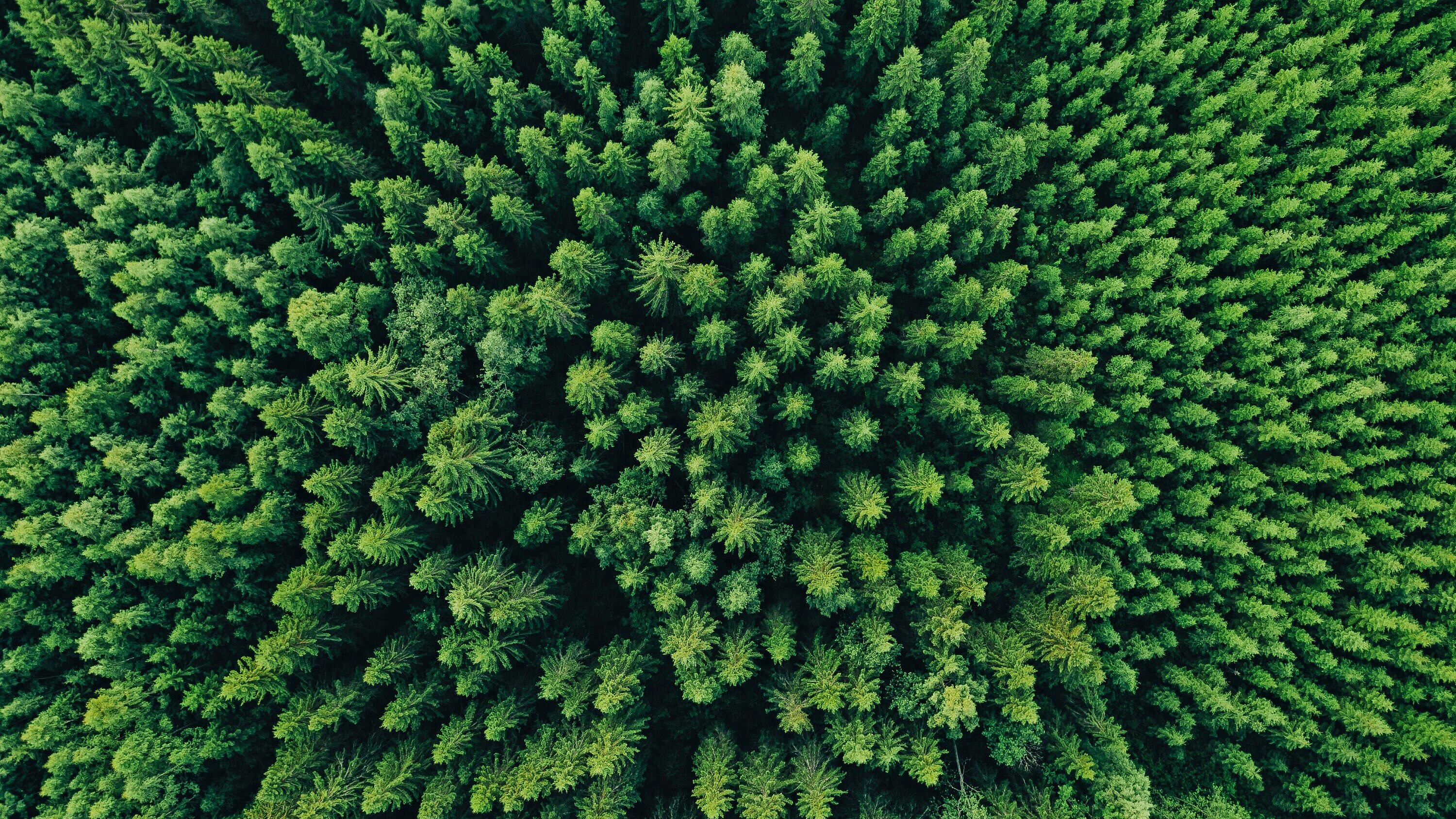
Forests are the main source of wood and are under increasing pressure due to the high demand for the raw material. Forests cover almost a third of Germany's surface area. That's around 11.4 million hectares. Why they are so important: Forests bind greenhouse gases and stabilise the climate. One hectare of forest binds around 13 tonnes ofCO2 every year. However, according to experts, the forest has never been in such a bad state as it is today. Logging and industrial forestry are gradually damaging or destroying the forest. Climate changes such as storms, heatwaves and drought or insect infestations caused by bark beetles are also contributing to forest decline. Another problem is fast-growing tree species. These are planted as monocultures and displace the mixed forest. They also leach out the soil and do not provide enough food for forest animals. As a result, the habitat of endangered animal species is increasingly restricted. In the meantime, 277,000 hectares of German forest have been destroyed.
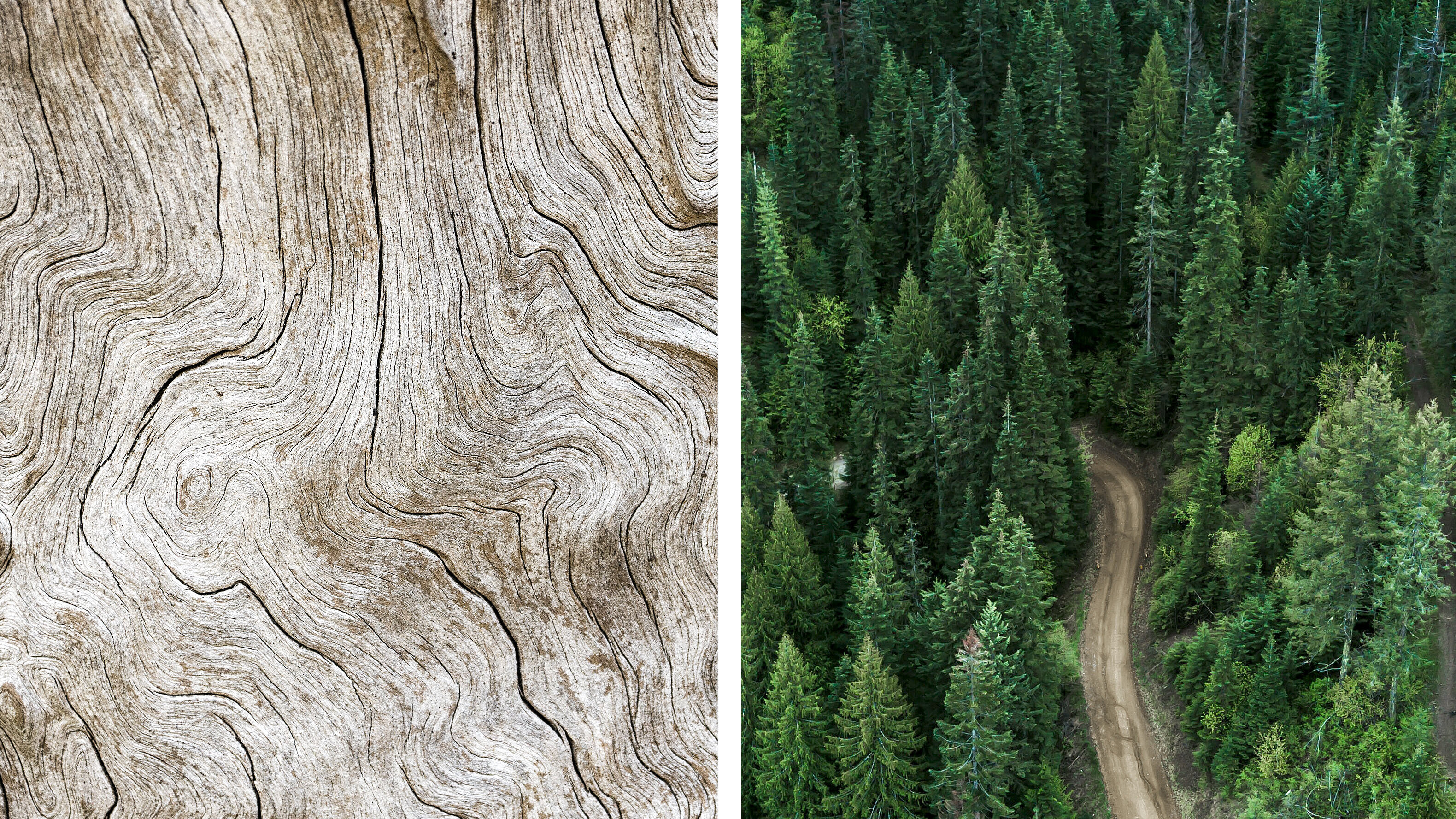
5 everyday tips on how we can protect the forest
- Shop offline: Many shipping parcels are made of virgin fibre paper and are not recycled.
- Take part in tree planting campaigns.
- Be careful when buying wood products: The FSC seal shows that the wood used comes from sustainable forest management.
- Shop in packaging-free supermarkets: Here you can find goods that are available "open" or in reusable (deposit) containers.
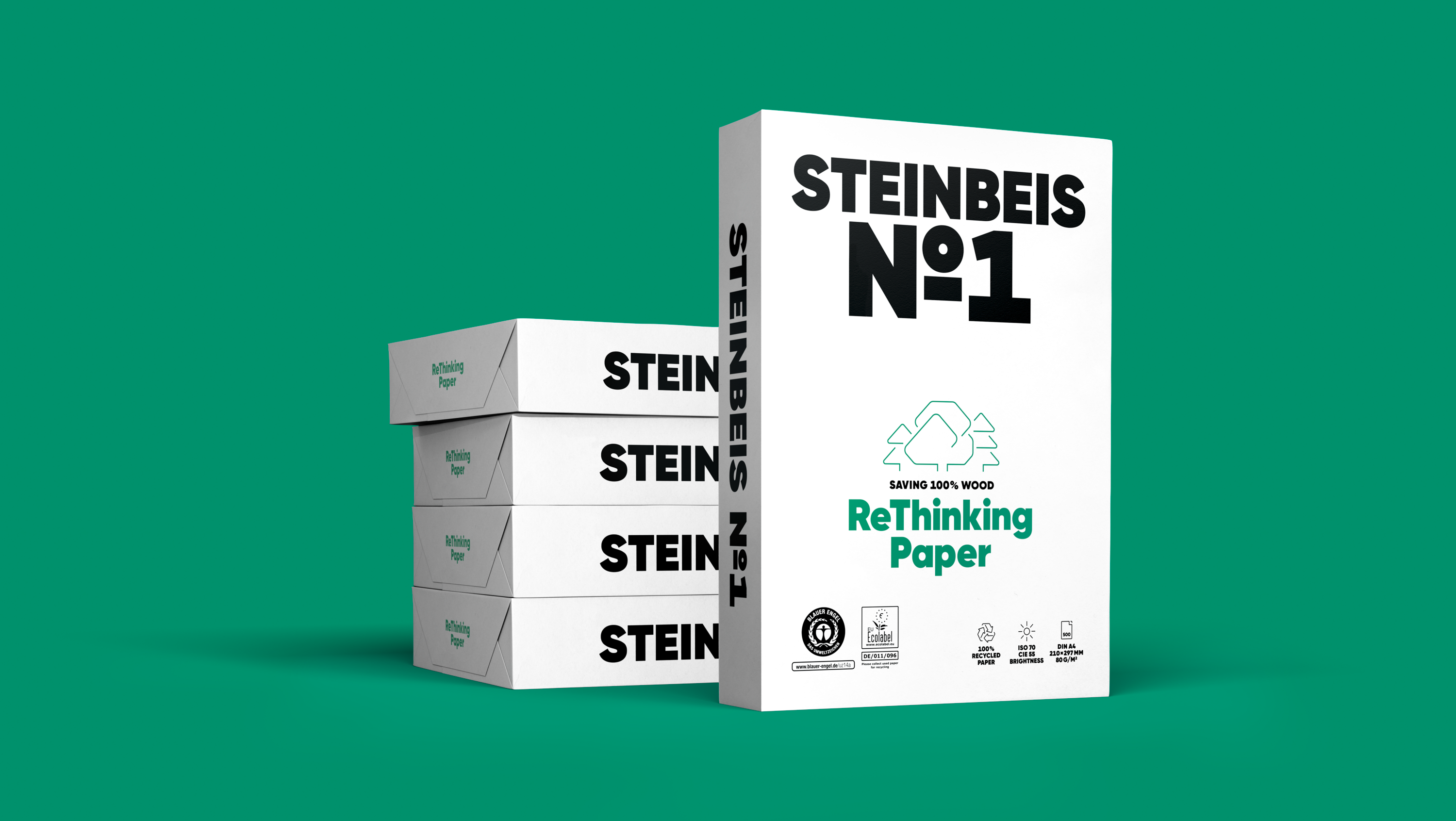
- Use recycled paper: Sustainable paper carries the "Blue Angel" eco-label - as do our products at Steinbeis.
The German hunger for paper
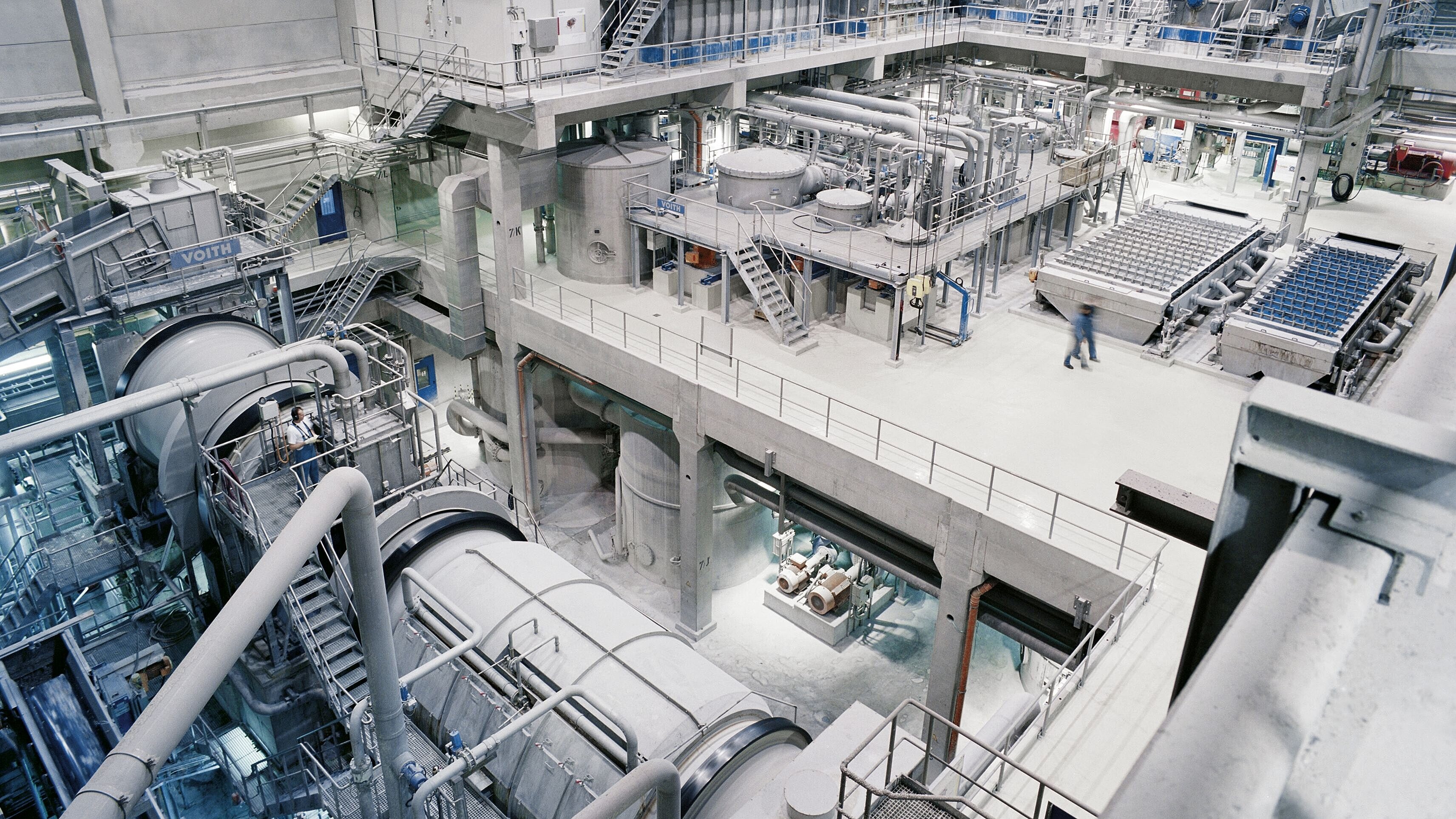
Paper production alone consumes 20 per cent of the world's wood. The German hunger for paper is huge: Germany is four times the global average, which, according to the Federal Environment Agency, equated to 219 kilograms per citizen in 2020. At the beginning of the 1950s, the figure was just 30 kilograms per capita. This means that Germany is one of the world leaders in paper consumption. This makes it all the more important to switch to recycled paper. Our portfolio at Steinbeis is made from 100 per cent waste paper and is produced in an energy-efficient, low-emission and resource-conserving manner.
Cover picture: Stanislav Churikov/Unsplash
Author

Nadia Riaz-Ahmed is an online editor. She is most interested in everything to do with digitalization and new technologies.