A success story without end
07.02.2023 - Historians agree that our history would have been different without paper. As a mobile carrier of knowledge and information for centuries and as a central component of the first mass media, it contributed to education and enlightenment and thus significantly to the progress of mankind. The printing press is rightly recognised as a millennia-old invention - but what would movable type be without paper on which to print the letters?
Precursor of paper
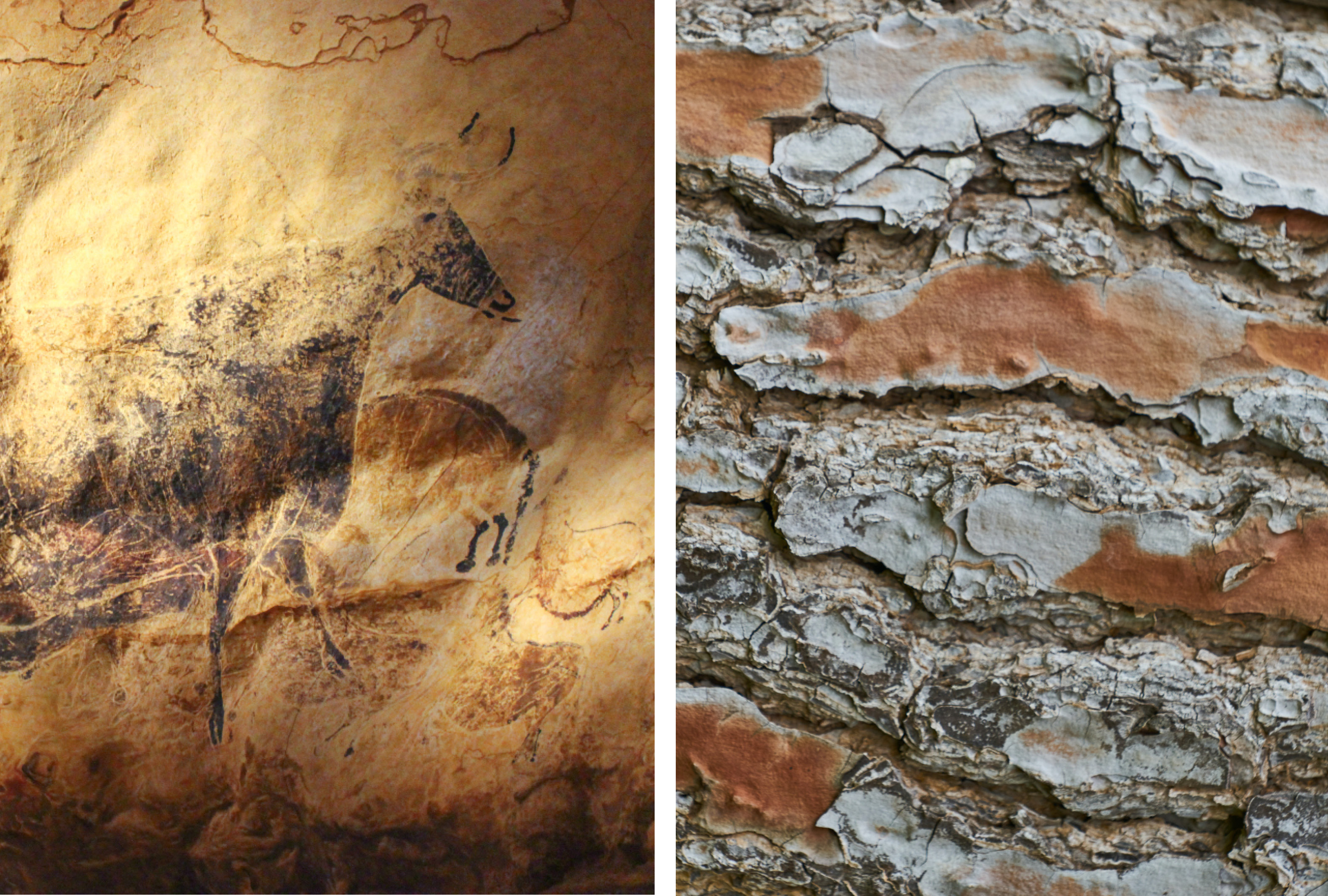
It has always been an essential desire of Homo sapiens to record important messages, information or stories for fellow human beings or posterity and thus to decouple them from the dubious performance of our memory. Over 40,000 years ago, our ancestors were already recording images, signs or their handprints on cave walls for this purpose. As reliable and durable as this "rock face medium" still is today, for example in the Lascaux cave in France, it was rather immobile and impractical, especially for nomadic hunter-gatherers. For this reason, prehistoric and early historical people began to carve their characters into bones, shells, wood or (mammoth) ivory. In the early advanced civilisations, parchment made from animal skin was added, which maintained its leading position as the most commonly used writing medium in Central Europe until the High Middle Ages.
Elsewhere, people were already using plant fibres for this purpose, although these were not yet completely ground up, but rather used as large pieces or strips. This was also the case with papyrus from Egypt, fragments of which are over 5,000 years old and have been found in pharaohs' tombs. The stems of the reed grass, which grew abundantly on the banks of the Nile, could be processed into a writing material by drying them in strips, one on top of the other, and pressing them together on a board to form a sheet-like fibre surface. The plant's own glue-like sap played an important role in this process. Several of these leaves were then glued together to form a papyrus roll - the favoured storage medium of North Africa and the Middle East for many centuries. Other cultures in Central Africa, Polynesia and Central America also achieved useful results with similar approaches, sometimes using tree bark.

Invented in China 2,000 years ago
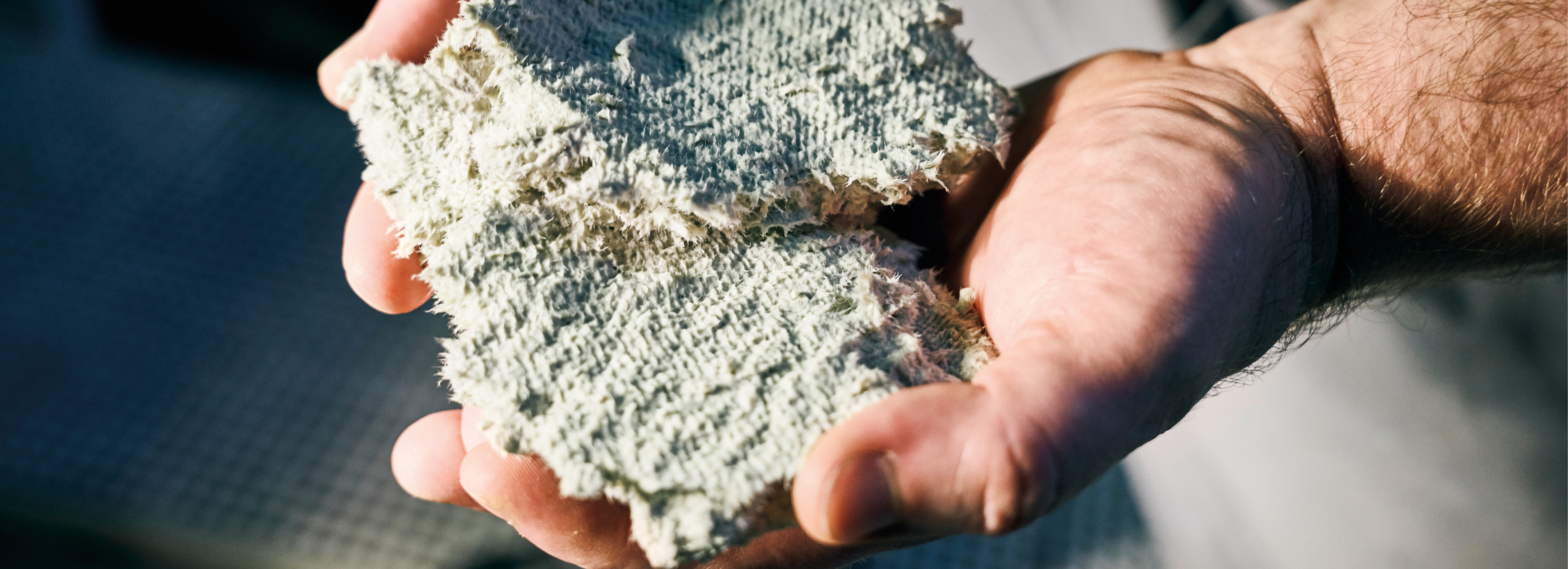
The main difference between these precursors and what we define as paper today is the absence of a crucial process step during production. In the paper manufacturing process, plant fibres are completely shredded and processed with water to form a viscous pulp. The water is then removed from the pulp using a sieve. When the substance, which has been ground into a thin layer, dries, the fibres bond, felt and stick together to form a smooth material that is excellent at absorbing paint and ink and can be folded, cut or torn.
The oldest paper produced in this way was found in China and is dated to the Early Han dynasty (207 BC to 9 AD). However, the inventor of paper and the modern papermaking process is considered to be an official at the court of the Emperor of China named Tsai Lun (also spelt Cai Lun), who first set down the manufacturing process in writing in 105 AD. Whether the dignitary actually devised this process, in which a mixture of silk and hemp scraps, old fishing nets and mulberry tree fibres were boiled down to paper pulp, or merely documented it for the first time, remains unclear.

The long road to Europe
What is certain, however, is that the Chinese were able to preserve and conceal the secret of how paper was made for several centuries before it reached Japan in the 6th century and spread further in the Far East. It took even longer for Europe to come into contact with the process for the first time. Initially, the Arabs appropriated the secret technique by kidnapping Chinese papermakers in 751 AD and forcing them to establish the process in a paper factory near Samarkand. In addition to the (now) Uzbek city, Baghdad and Damascus also became strongholds of Arab paper production. The reason for this was the abundance of hemp and linen in this region, which allowed the original Chinese recipe to be further refined.
With the conquest of Sicily, Portugal and Spain by the Moors, paper finally reached Europe from the 11th century onwards. The first mention of paper production on European soil dates back to 1144 in Xativa near Valencia, where the first European paper mill is also documented. However, European aristocrats continued to favour parchment, as a decree issued by Frederick II in 1221 proves. The Hohenstaufen emperor forbade the use of paper for public documents. The reason for this was probably the application of a layer of rice starch to refine the sheets, which in turn turned out to be a tasty treat for insects and thus drastically shortened the lifespan of the documents. Only the resourceful papermakers in the Italian town of Fabriano succeeded in eliminating this flaw by using animal gelatine instead of starch and curbing insect damage. These medieval innovators also introduced paper with watermarks and optimised the shredding technology in the manufacturing process by using hydraulic hammers. In the meantime, fishing nets or silk remnants were no longer used as textile additives to the paper pulp mixture, but rather discarded items of clothing collected by rag pickers and delivered to the manufactories. These sometimes very robust materials could hardly be crushed in the paper mills with the grinding stones that had been used up to then, and hammer hydraulics made it possible to mechanise the crushing process.
From craft to industrial production
The invention of letterpress printing by Johannes Gutenberg around 1440 and the associated possibility of producing books in large quantities also increased the demand for paper. Nevertheless, the supply remained limited, as the art of papermaking was only possible by hand until the 19th century, at least as far as the final creation process was concerned. This was until the Frenchman Nicholas-Louis Robert solved this problem in 1798 with a Fourdrinier paper machine that could produce whole sheets instead of individual sheets, and this technology was further refined by the Englishmen Bryan Donkin and Henry and Sealy Fourdrinier to create the "Fourdrinier machine". The bottleneck was no longer in the production process, but in the raw materials. The rag collectors could not collect as many old clothes as the new paper mills wanted to process - a new paper raw material had to be found.
The breakthrough came from a Saxon weaver named Friedrich Gottlob Keller, who was inspired by wasps that mixed wood fibres with saliva to build their nests, creating an interesting cardboard-like substance. In 1843, Keller used ground wood as the basis for his paper pulp recipe for the first time. Initial problems such as rapid yellowing and high brittleness of the paper obtained were subsequently solved by English chemists who supplemented Keller's method. Boiled under high pressure and mixed with certain additives such as sodium bicarbonate or soda, cellulose, the main component of plant cells, could be isolated from the wood pulp. From then on, this cellulose served as the sole ingredient (alongside water) for paper production, and trees established themselves as the sole supplier of raw materials. The price of the coveted material fell rapidly and paper became a product of daily use for newspapers, but also as packaging or toilet paper.
Paper from paper
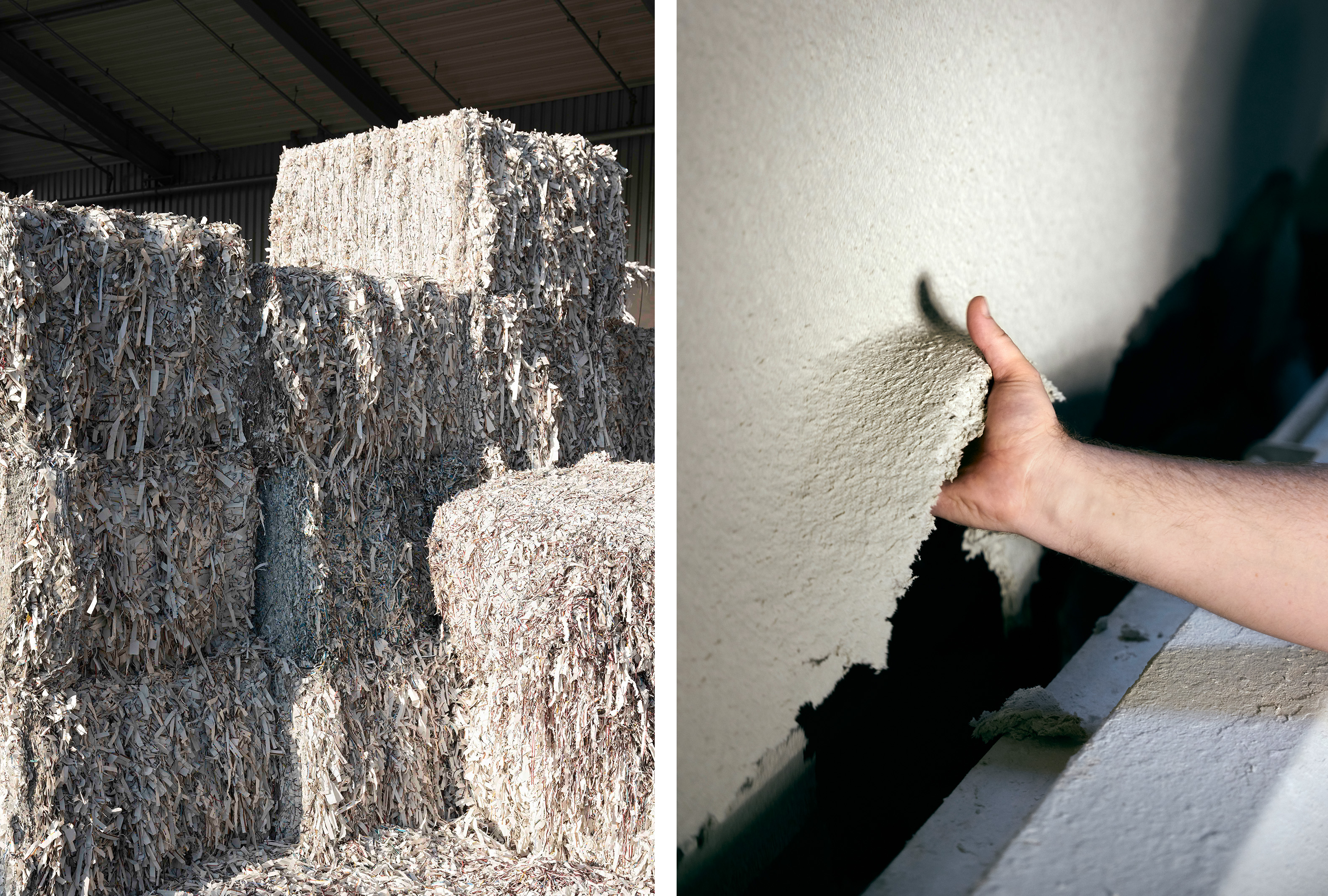
In England alone, paper production increased by almost 700 per cent between 1860 and 1900, and in the middle of the 20th century the question of the use of raw materials and resources in paper production came back onto the agenda. The environmental movement, which grew and gained influence in parallel with the economic rise of the industrialised nations, emphatically raised the question of whether there were no alternatives to deforestation and high water consumption. The solution to this challenge, the so-called deinking process, had already been developed by Justus Claproth and Johann Engelhard Schmid in 1774. Using mechanical processes and with the help of certain chemicals, the two succeeded in turning printed waste paper back into a raw material pulp and separating it from the used printing ink. However, a truly practicable result for the mass production of writable paper with an appropriate degree of whiteness from waste paper was not achieved until the 1950s.
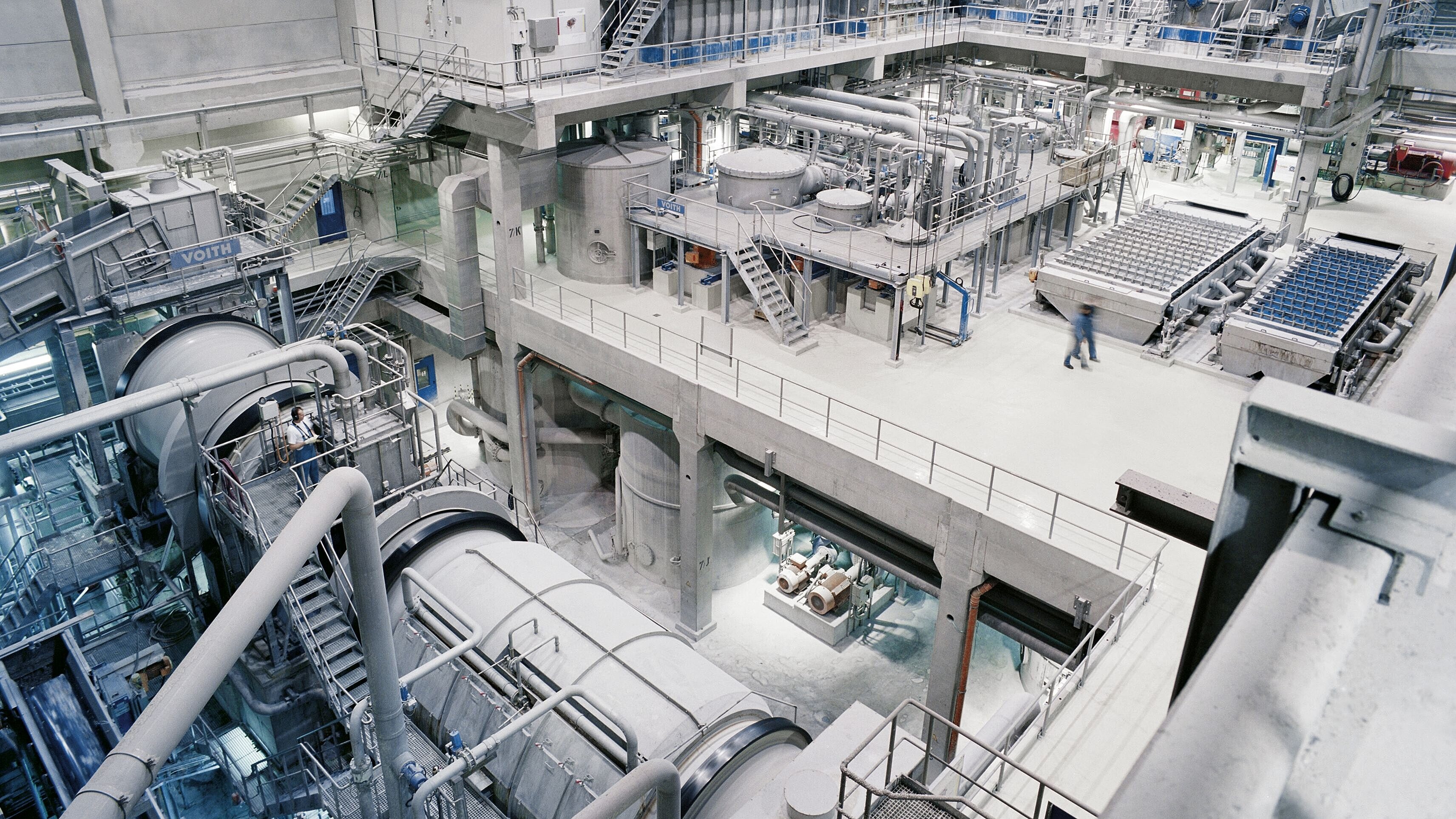
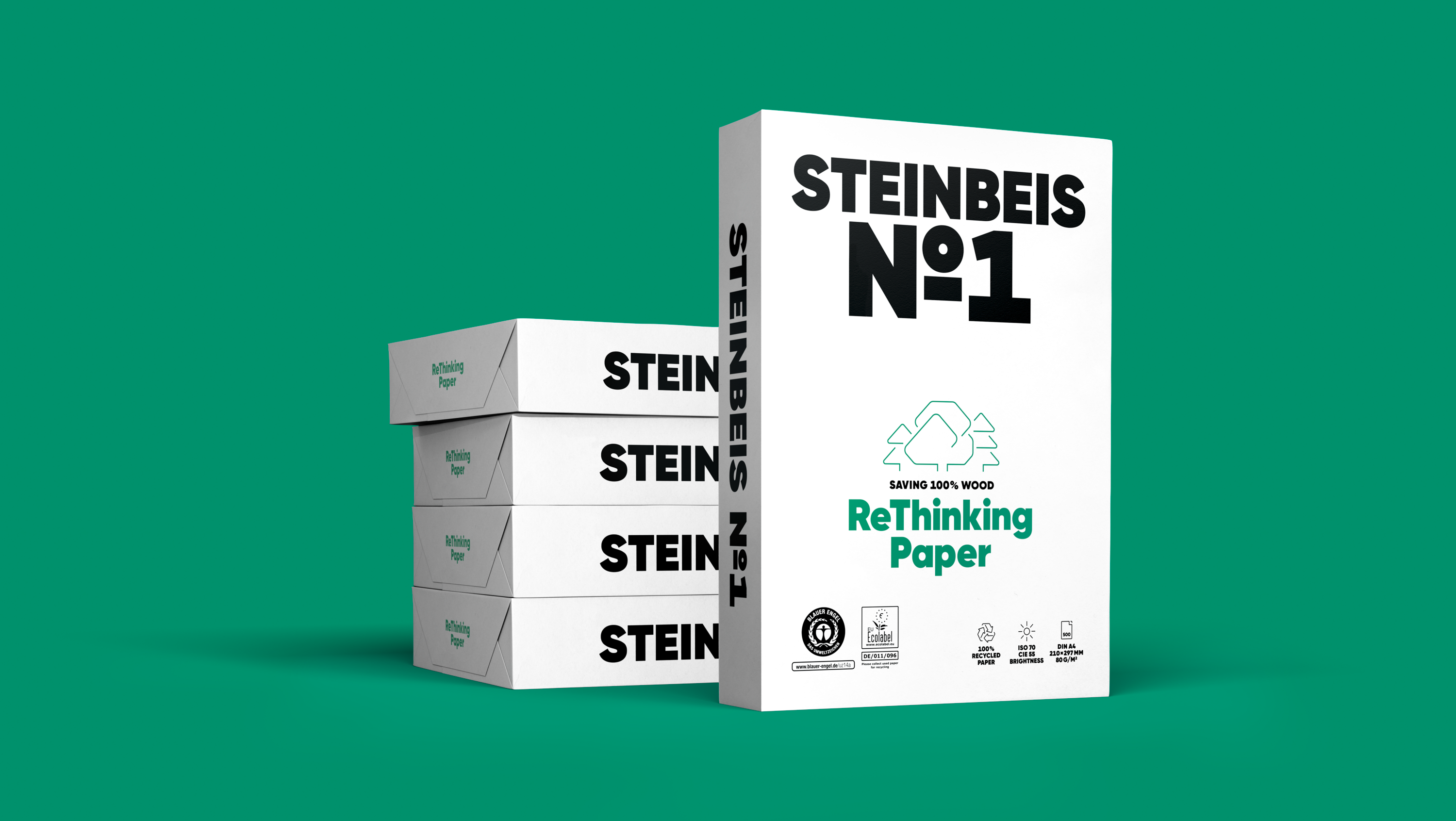
As early as 1976/77, still in a pioneering phase in the recycling of waste paper, Steinbeis decided to switch to 100 per cent recycled paper at the Glückstadt mill and to gradually make the production process more and more sustainable (fully biological waste water treatment plant, power plant with fluidised bed technology and combined heat and power generation). With the well-known successes: Recycled paper from Steinbeis requires almost 27 kg less wood (namely none), around 500 litres less water and almost 120 kWh less energy to produce one box of A4 paper (2,500 sheets) than the production of virgin fibre paper requires for the same quantity. With an annual production of more than 300,000 tonnes of paper, as Steinbeis does in Glückstadt, this adds up to quite a lot.
Paper already has a long success story behind it, and the chapter on recycled paper could be a happy ending, but even in the digital age, the story of paper is far from over. Work is already underway to utilise other agricultural and household waste products as raw materials for paper production. The merging and interaction of paper and the digital world is no longer a dream of the future either. QR codes, augmented reality and chips built into paper products were just the beginning. So let's look forward to the next 2,000 years and the future of paper.
Cover picture: Florian Thoss for Steinbeis Papier
Author

Since his editorial traineeship in Hamburg, Jan Strahl has worked as a journalist, editor or author for almost every large and small publishing house in the city. He writes for consumer media and corporate publishing publications on art, fashion, lifestyle and knowledge topics.