A breath of fresh air for the environment
09.04.2024 - This is what a fascinating fusion of culinary enjoyment and ecological responsibility looks like - HanseGarnelen's innovative idea goes beyond conventional shrimp farming by establishing a sustainable production method. By utilising renewable energy and innovative water filtration technologies, HanseGarnelen is setting new standards for environmentally conscious business practices. The cooperation with Steinbeis Papier also enables a new type of cycle that not only revolutionises shrimp farming, but also makes an important contribution to the circular economy and the use of resources.
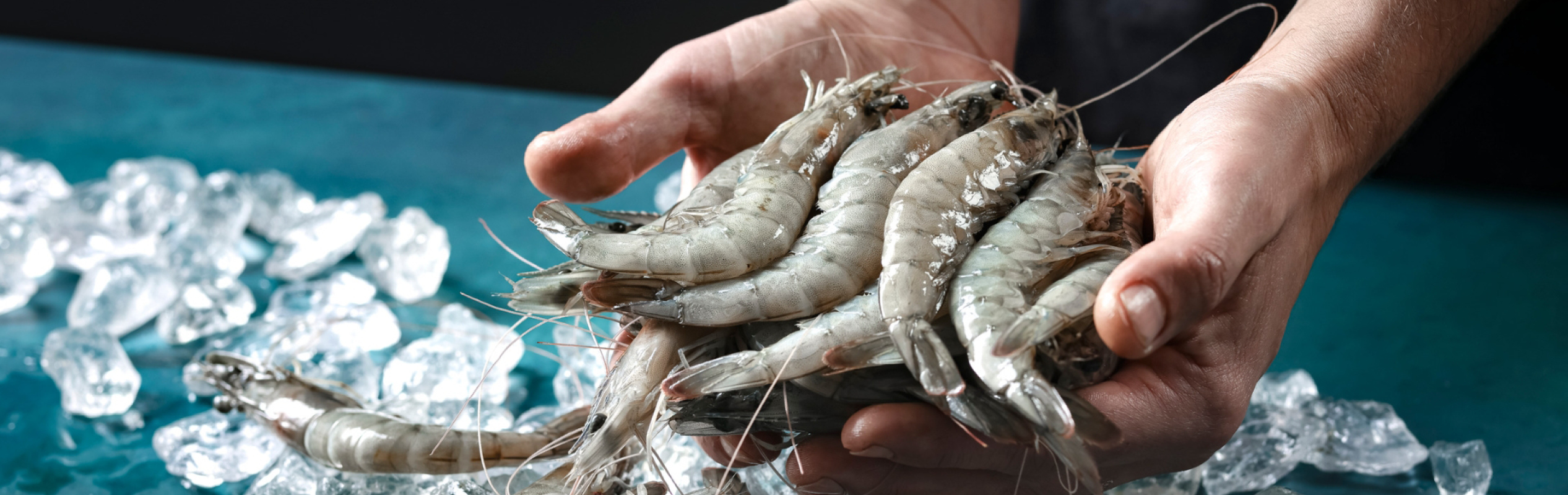
Prawns have become an integral part of our diet and are used in a wide variety of dishes and cuisines. Whether in exquisite seafood menus in upscale restaurants, as a popular ingredient in street food specialities or as a delicious snack for a cosy evening at home - the versatility of prawns is impressive. But there is often more to this delicacy than just culinary enjoyment. Companies such as HanseGarnelen have recognised the popularity of prawns in the kitchen and are also focusing on sustainable production in order to meet the growing demand for the coveted seafood. HanseGarnelen operates a state-of-the-art shrimp farm in Glückstadt. The facility consists of a total of 13 tanks, each of which is designed for the optimal rearing of white tiger prawns. Each tank is harvested four times a year to ensure continuous production and one tank is available for harvesting every week.
A personal path of innovation and sustainability
Rupert Baur, CEO of HanseGarnelen AG, highlights a key figure that illustrates the sustainability of HanseGarnelen compared to conventional methods: "Up to three tonnes of diesel are used to catch one tonne of shrimp. This is an enormousCO2 footprint that conventional shrimp fishing vessels leave behind. In comparison, HanseGarnelen's 4000 cubic metre water cycle only requires 20 kW of power, less than the power requirements of many private households." HanseGarnelen relies on renewable energies. The use of photovoltaic systems is an important part of the sustainability strategy. Another key difference lies in the way HanseGarnelen has designed its water treatment system. In contrast to conventional methods, where the water is filtered through drum filters and chemically or physically disinfected, HanseGarnelen uses innovative ultrafiltration technology. This mechanical filtration not only removes bacteria and viruses, but also sieves microplastics out of the water - an aspect that has been neglected in the industry to date.

From the idea to a sustainable business concept
The story of HanseGarnelen is no ordinary business start-up. It is the result of a personal journey by Rupert Baur, who combined his passion for mechanical engineering and environmental protection into a unique concept. Crucial to HanseGarnelen's success was its focus on fresh prawns of the highest quality. In contrast to many other suppliers of frozen products from the Far East, HanseGarnelen delivers fresh prawns within 24 hours of harvesting. This quality standard has made the company a preferred supplier for private customers, catering and retail. Despite the regional focus, HanseGarnelen delivers throughout Germany, with Rupert Baur emphasising that the definition of "regional" takes into account theCO2 footprint compared to imported shrimp: "Our advantage over shrimp from Bangladesh is that the transport here alone causes significantly moreCO2 emissions than we do in the entire production process, which is almost climate-neutral."
Win-win situation for HanseGarnelen and Steinbeis Papier
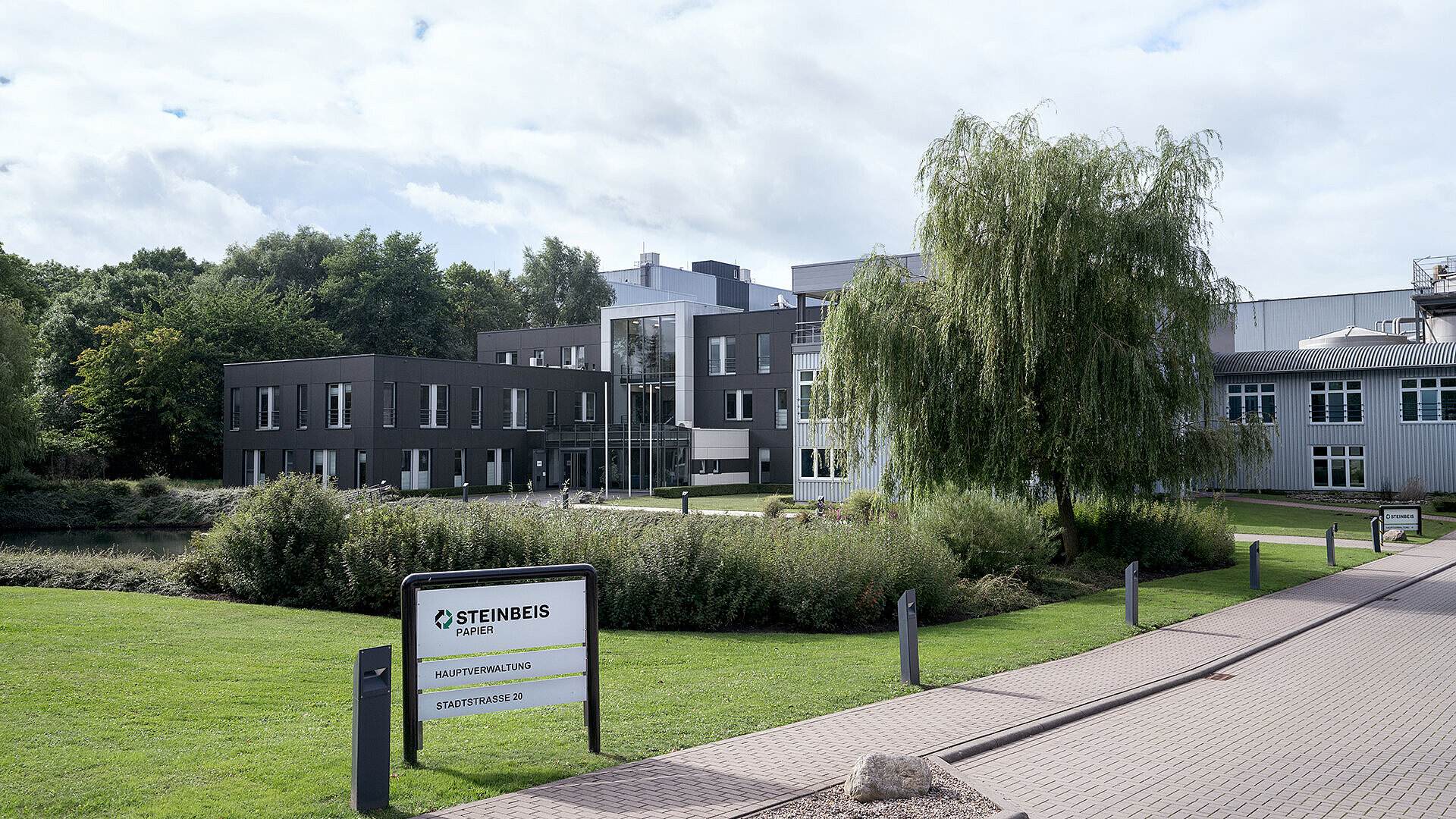
HanseGarnelen in Glückstadt is not only the result of a visionary business idea, but also of a strategic choice of location and an innovative collaboration with Steinbeis Papier. "A key criterion for the infrastructure of the factory was the availability of water, which had to be as warm as possible and later drain away without any problems," explains Rupert Baur. The search for a suitable location ultimately led him to Steinbeis Papier. Here it was possible to obtain warm water and return the waste water from the shrimp farming to the company. The quick agreement with the European market leader for recycled paper enabled HanseGarnelen to secure the site and start building the plant. "We started talking in February 2020 and signed the purchase agreement for a plot of land from Steinbeis Papier in the summer," recalls Rupert Baur, recalling how the partnership came about.

New cycle for Glückstadt
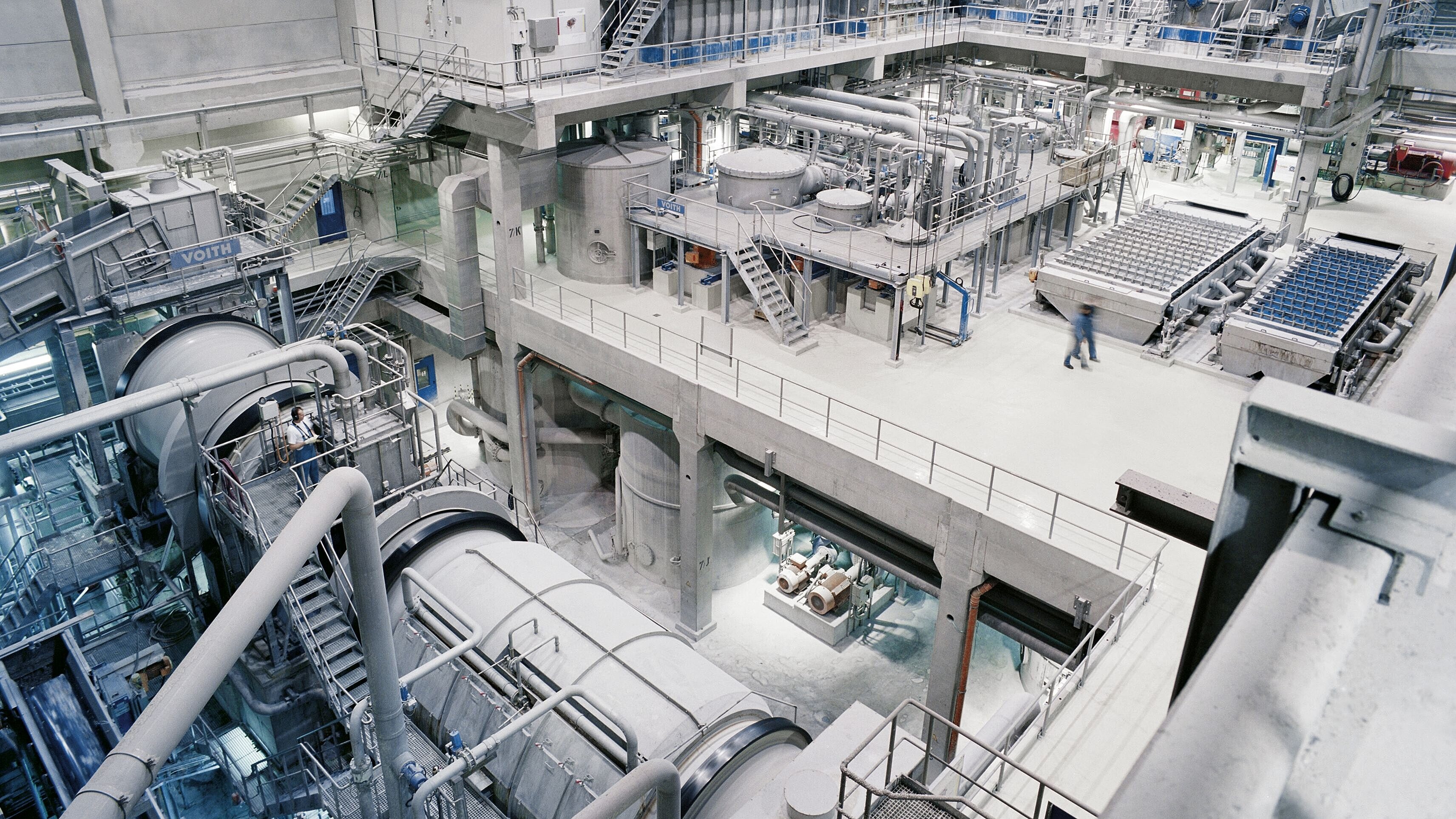
The first tanks were gradually put into operation in May 2023. The water cycle between HanseGarnelen and Steinbeis Papier is an outstanding example of the integration of the circular economy and sustainable resource utilisation in industrial processes. "At the beginning of the cycle is the warm wastewater from Steinbeis Papier, which is a by-product of the production process. This pre-heated water is then used in the shrimp farm to keep the ambient temperature constant at 29 degrees and thus create an ideal climate for the growth and development of the shrimp. Purely biological residues from shrimp production are fed back into the Steinbeis Papier production process, thus closing the cycle," explains Rupert Baur. The co-operation between HanseGarnelen and Steinbeis Papier creates a win-win situation for both companies. While HanseGarnelen gains access to low-cost thermal energy, Steinbeis Papier can efficiently pass on its waste heat and thus improve its environmental footprint. This innovative approach shows how companies can work together to protect the environment through partnerships and creative solutions.
HanseGarnelen's production fulfils an impressive 13 of the 17 sustainability goals of the United Nations (UN). These goals, also known as the Sustainable Development Goals (SDGs), cover areas such as food security, clean water, sustainable energy, decent work, climate protection and marine conservation. Rupert Baur emphasises that this is not a strategic decision, but rather his personal conviction as an environmentally conscious engineer: "We need to produce food for ten billion people in the future. Sustainably farmed shrimp and other marine animals can play an important role in this."
Cover picture: HanseGarnelen AG
Author

As a senior editor, Benjamin Seibring specialises in developing content on sustainability, mobility, technology and lifestyle. An editorial traineeship at a German media group and his many years of experience in corporate publishing form the basis. With a high affinity for trend topics and innovative AI tools, he implements cross-media storytelling.