Young people fight for climate protection and political consistency

26.02.2019 - Greta Thunberg from Sweden initiated it and tens of thousands of pupils and students in German and European cities are following her example, the Friday demo for more climate protection. An affront to politicians and resolutions. A young generation is making it unmistakably clear what it thinks of current climate policy, national environmental targets and global climate conferences: not enough. What can young people achieve? Can they set politicians straight and finally push through the Paris climate protection agreement? Are the demonstrations just a "fad"? How deeply do they identify with the issue? And what can reassure young people who see their future threatened by the climate?
Sustainability is not an unknown quantity among the young target group
As political as the issue for which the pupils are demonstrating may seem and for which they are putting their basic democratic right above compulsory education, it serves a much higher purpose - the preservation of the Blue Planet. The appeal to finally take climate protection seriously and enforce it consistently is aimed at all those who, in the demonstrators' view, are responsible for it. The media are already interpreting the Friday demonstrations as counter-evidence that Generation Z is not as apolitical as it is said to be and is not just centred around itself. This must be contradicted at this point. It is becoming apparent in the media where young people see an urgent need for solutions and change in terms of securing the future and quality of life. Climate protection and sustainability are part of this, as the 2018 youth study published by the Federal Ministry "Zukunft? Ask young people! Sustainability, politics, commitment - a study on young people's attitudes and everyday lives" shows. We quote: "However, they (young people) are aware of what is happening around them, are interested in social developments and are keen to help shape them. They recognise a functioning democratic community as a valuable asset. With a generally very pragmatic attitude, they are particularly willing to get personally involved if they believe they can make a direct impact. The majority of them are very distanced from 'big politics'."
Why young people don't see what eco-politics has long been achieving
The "school strikes" for climate protection are the democratic means by which young people are currently making their voices heard. Sociologists see the solidarity with the action initiated by Greta Thunberg as being rooted in the unconventional form of political commitment. The fact that the strikes are taking place during school hours fits into this pattern: "Breaking taboos and civil disobedience are what attracts young people," the Augsburger Allgemeine quotes a sociologist in her article "Thousands of pupils demonstrate: Fridays are about the future." Regardless of all attempts at interpretation, "Fridays for Future" has become a worldwide commitment by schoolchildren to climate protection. When a 16-year-old and thousands of young people around the world take to the streets to demonstrate against "business as usual!" in climate policy, this must be seen as a special kind of political vote of no confidence. Anyone who does not reach young people sufficiently or no longer reaches them need not be surprised that they turn their backs on politics. Both the study by the Ministry of Education and the 2017 Europe-wide study "Generation what?", which involved almost one million participants from a total of 35 countries, came to the conclusion that young people have little trust in democratic institutions. What a pity, really! Unfortunately, gambling away young people's political interest also blocks their view of the environmental policy programmes and measures put in place by the German government. These programmes and measures pursue the same goals that pupils and students are currently demonstrating for: reducingCO2 emissions, resource efficiency and resource productivity, reducing the ecological footprint.

Companies set standards in environmental policy
In the corporate landscape, too, ecology has long since become more than just a guiding principle; it extends across the entire value chain in numerous companies in a wide range of sectors. the ecological and sustainable innovation models in SMEs, the German government's resource efficiency programme, the commitment to the sustainability index of companies, the CSR reporting obligation of corporations, the efforts to achieve a positivecarbon footprint of municipalities and Germany's leading role in environmental technologies, recycling and circular economy, ecologically integrated production - all these are pragmatic models and solutions for environmental and climate protection and the preservation of biodiversity. Measured by the global development of the markets for climate and environmental protection products, Germany is one of the driving forces behind solutions, products and consumer goods for environmental and climate protection. Here are a few significant figures:
- Germany's global trade share for environmental protection goods is 13.5 per cent (second only to China).
- In 2015, companies produced environmental protection goods worth 83 billion euros.
- Goods that can contribute to climate protection account for over 40 per cent of total production.
- The Renewable Energy Sources Act (EEG) has created the basis for the expansion of renewable energies, which have become one of the main pillars of Germany's electricity supply.
- The share of renewable energies in Germany has risen from around six per cent in 2000 to around 36 per cent in 2017.
- According to the Federal Environment Agency, the share of renewable energies in gross electricity consumption rose from 31.6% (2016) to 36.0% (2017).
- Biomass is the most important renewable energy source, accounting for around 55% of the energy supply.
Have these facts reached young people? Have the government's messages and companies' CSR strategies penetrated the target group? Or do companies need to position ecological content marketing much more strongly in the perceptual focus of young people? Multi-channel communication offers the best conditions for being present at the touchpoints.
Climate protection has a global, but also a regional focus
It's good that young people around the world are demonstrating in favour of climate protection. This legitimises companies, ministries and local authorities to advertise their sustainable services and solutions much more proactively. Keyword employer branding. This emphasises that Germany is leading the way when it comes to environmental and climate protection. Even if the current diesel debate and the hype surrounding plastic waste may paint a different picture. What do students know about the modern recycling industry, the circular economy, environmentally friendly energy production and the opportunities to contribute to reducing their own ecological footprint? One thing is clear: climate change cannot be stopped without loyalty and a change in consumer behaviour. It is not a singular task of politics, as Mahatma Gandhi once said: "We must be the change we wish to see in the world." Climate protection is not possible without the commitment and rethinking of consumers. The prerequisites are in place. According to the BMU's youth study, which was conducted in 2017 as part of a representative survey of over 1,000 young people between the ages of 14 and 22, 86 per cent of the young people surveyed believe that an intact natural environment is part of a good life. The economy supports this consumer interest. It realises that there can be no "business as usual".
Ecology, circular economy and sustainability promote climate protection
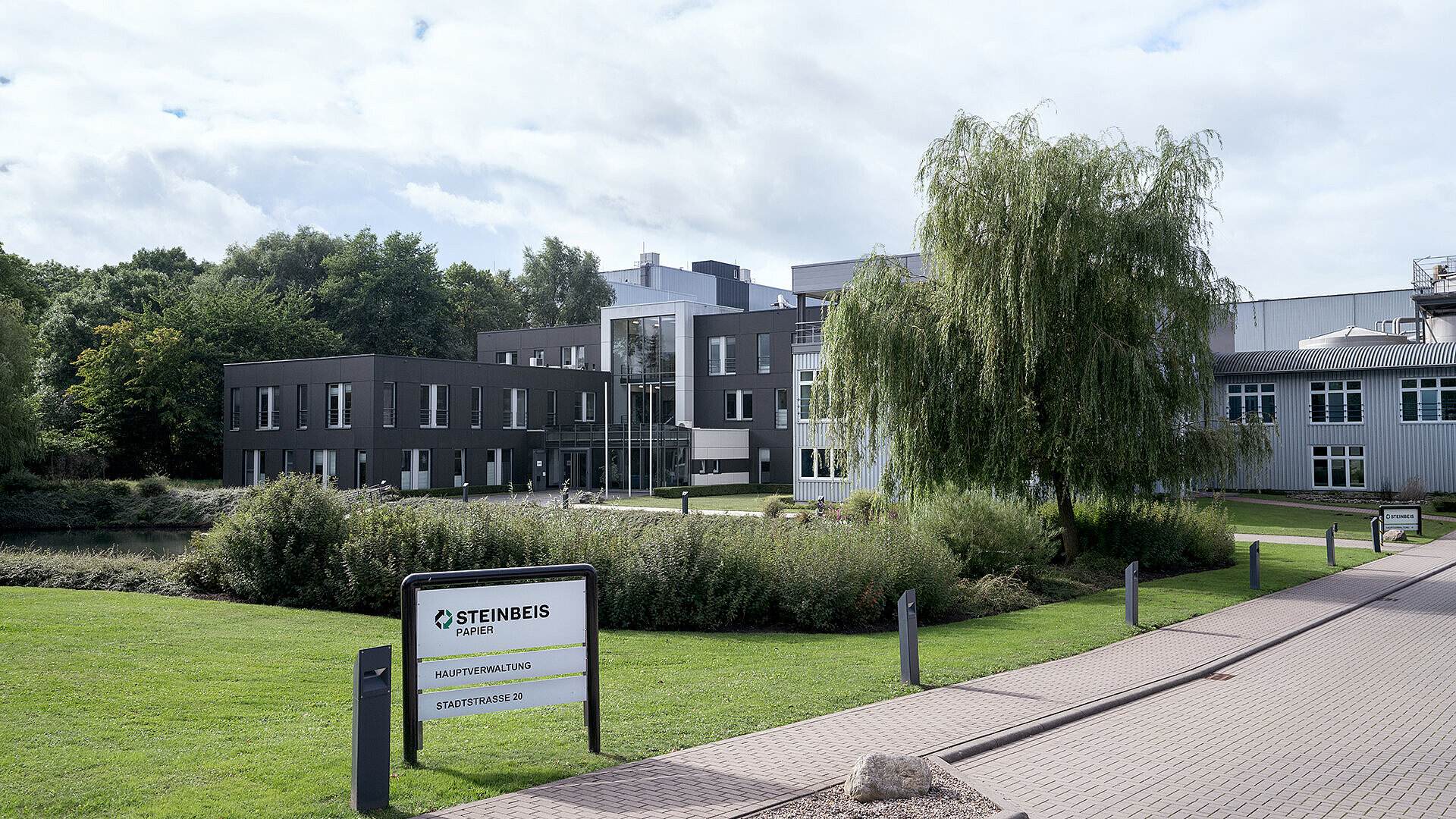
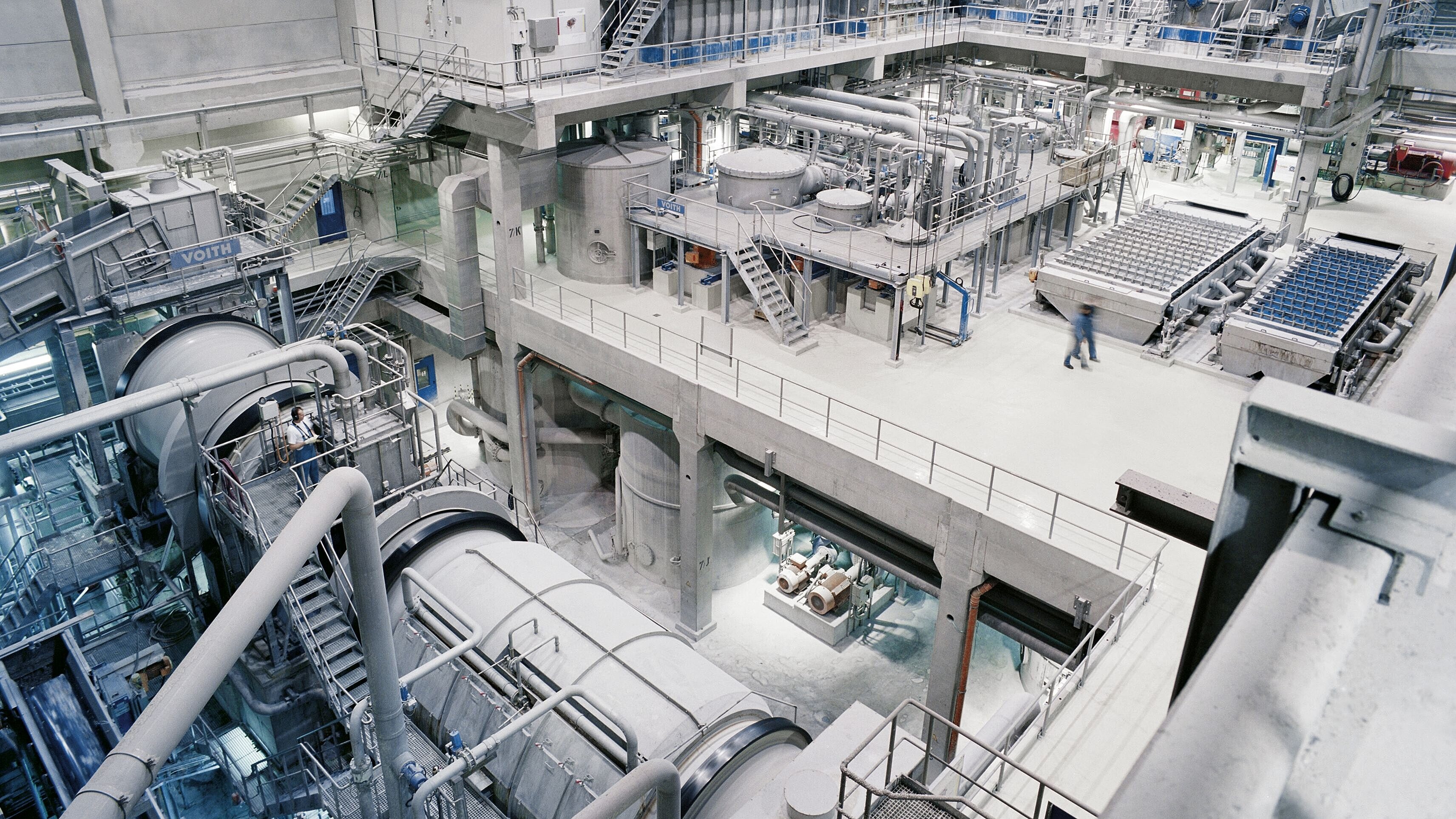
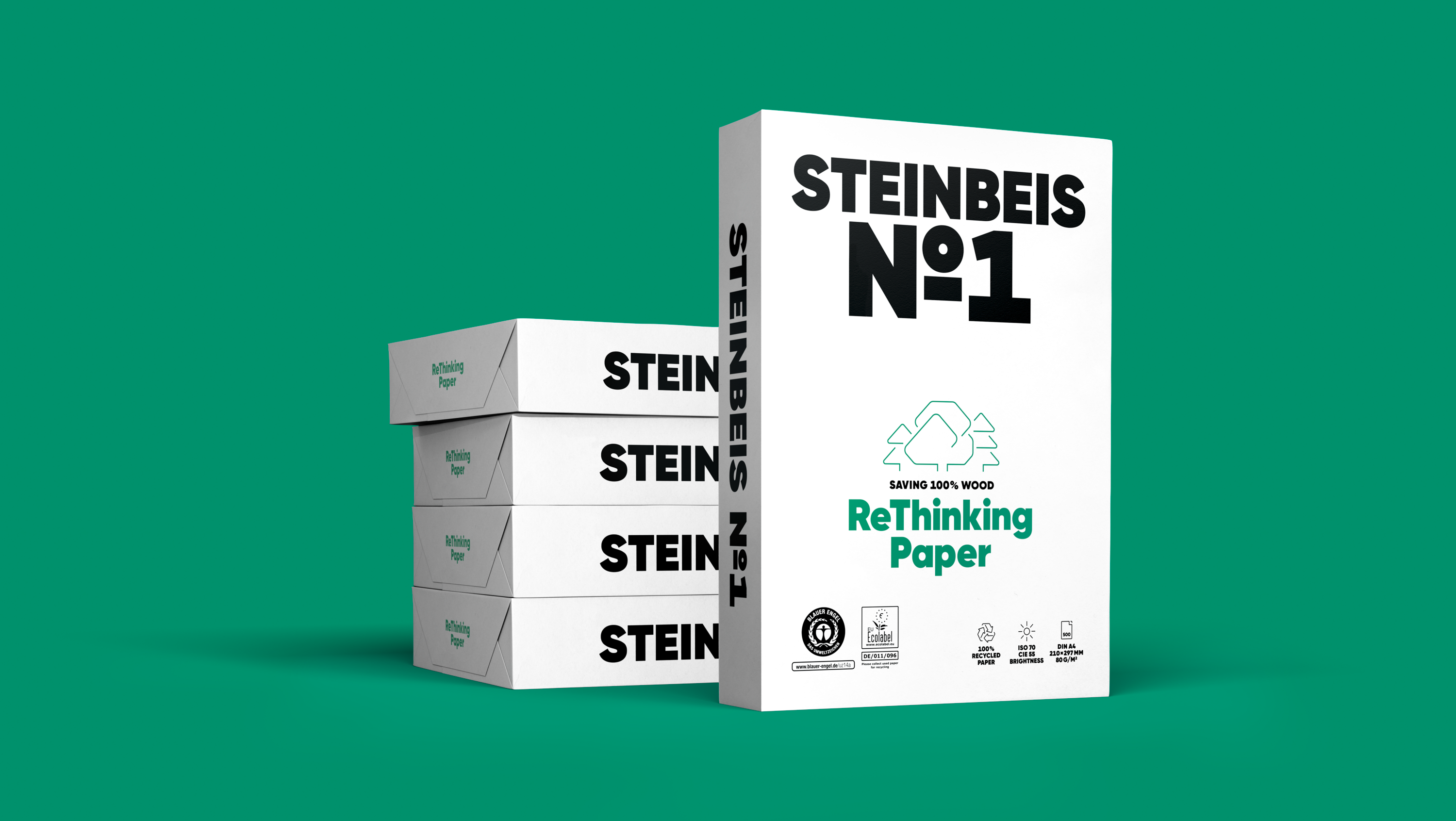
Ecological modelling using the paper industry as an example: Steinbeis Papier is one of the companies with an ecological mandate to reduce its carbon footprint. At Steinbeis, the principles of sustainability, circular economy and resource efficiency extend across the entire value chain. In the mid-1970s, the medium-sized company decided in favour of an ecological turnaround: towards resource-efficient,low-CO2, climate and environmentally friendly production. The switch from primary to secondary raw materials necessitated new production methods and technologies. The company invested in new environmental technologies. It uses 100 per cent waste paper as a secondary raw material in production and generates environmentally friendly energy with a CHP (combined heat and power) plant on site. The ecological savings compared to conventional paper production: 72% less energy, 53% lessCO2, 83% less water, 100% resource conservation (no use of wood).
Author: Klaus E. Jopp
h ttps://www.jopp-communications.de/