Without toxins and microplastics - the anti-ageing effect of sustainable papers
15.05.2018 - In times of extensive self-promotion on social networks, the topic of ageing is probably more topical than ever. The neurotoxin Botox is supposed to eliminate wrinkles, numerous beauty tutorials and beauty products promise eternal youth. Healthy and environmentally friendly looks different. It is well known that toxins are not good for the body and many beauty creams contain microplastics that pollute the oceans and therefore the environment. Paper recycling is a good example of sustainable and ecological renewal.
Correct disposal in the recycling cycle
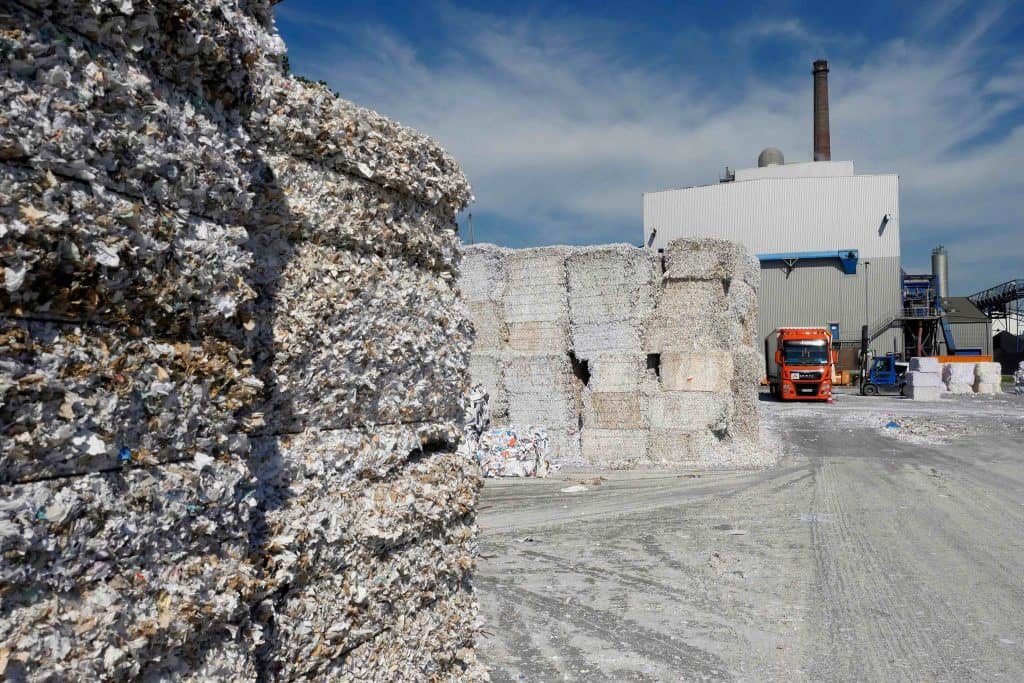
The basic prerequisite for the successful recycling of paper is, of course, correct disposal. A note from a business meeting, a small scribble and the piece of paper ends up in the waste paper basket. The paper continues on its way - ideally into the waste paper container. Together with cardboard, cardboard packaging and various foreign materials, it ends up at the sorting centre of a waste disposal company. After several sorting processes, the paper ends up as a valuable raw material in the yard of a paper mill together with other magazines, journals and office waste.
Water, peroxide, lye and soap - the elixir of eternal youth
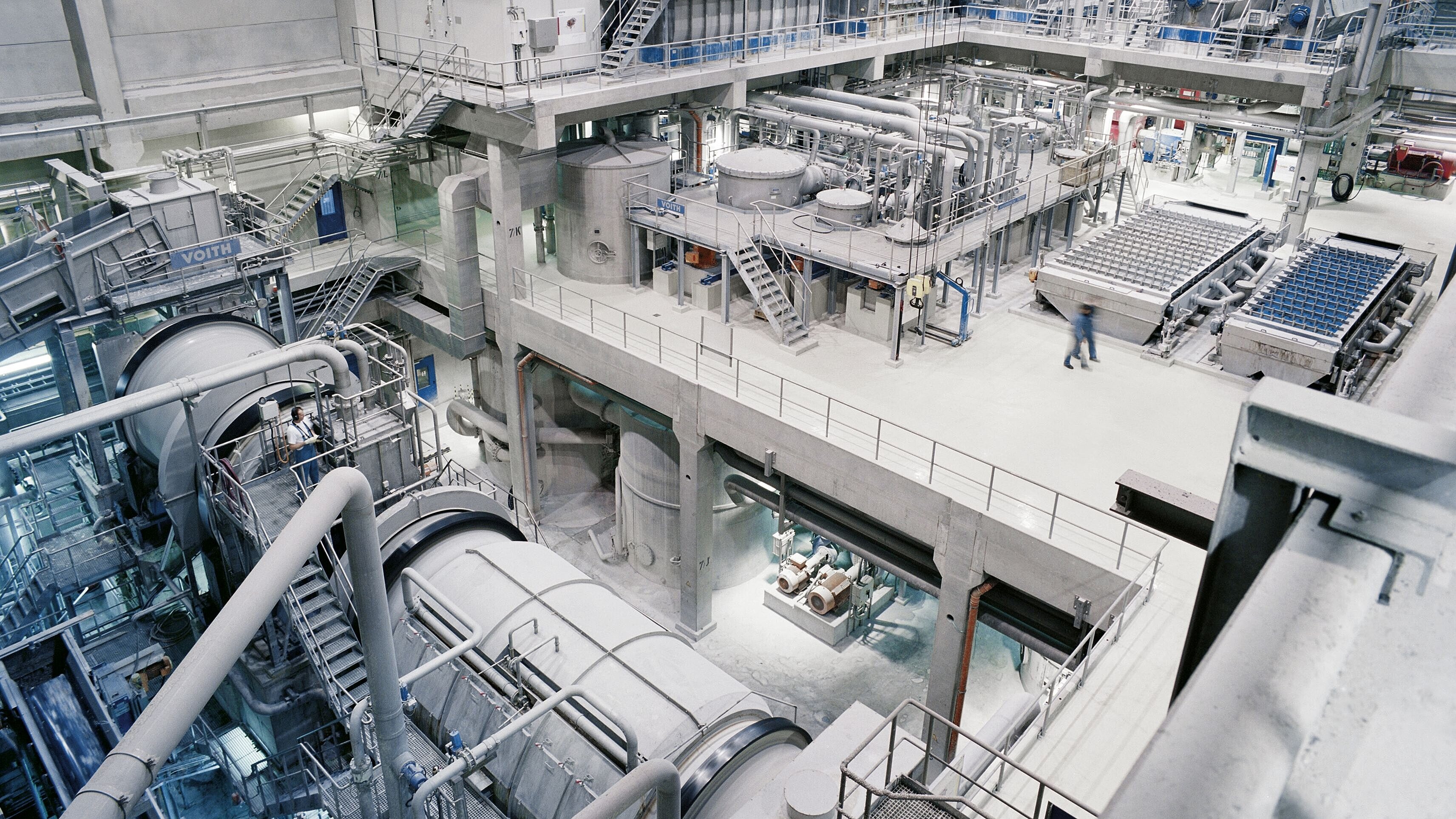
Once it arrives at the paper mill, the printed product is like an ingredient in a baking recipe. The rebirth of paper begins with preparation. Together with water, peroxide, lye and soap, the paper is dissolved into a grey pulp. Although this looks rather unappetising, it is practically the elixir of eternal youth for the paper. The process takes place in what is known as a pulper, a large vat similar to a kitchen blender. Components such as CDs, plastic cards and foils that were added to magazines are then sorted out. To do this, the grey pulp is pressed through sieves with small holes and slits in which these foreign objects get caught.
CLEAN AND SPOTLESS INTO A NEW LIFE - THANKS TO THE DEINKING PROCESS
The most important step in being reborn clean and beautiful is ink removal, the deinking process. This takes place in so-called flotation cells. Lye causes the paper fibres to swell, making it easier to remove ink particles from the fibres. Soap is added and rinses the ink from the fibres, just like in a washing machine. The added air forms soap bubbles to which the ink particles adhere. The soap bubbles rise to the surface and are sucked up together with the ink as if by a large hoover. This procedure is repeated until the grey fibre pulp has become light in colour. It then forms an excellent base material for clean and new paper. The good genes, so to speak.
FINAL SPURT: THE LAST 100 METRES TO REBIRTH
It is now not far to the finished new paper product made from waste paper. The paper mixture, which consists of 99 per cent water, is placed on a screen at the start of the 100 metre long paper machine. The paper fibres remain on the screen and the water penetrates the screen. This is followed by the presses, which compress the mixture between two felts. The felts absorb the water from the mixture until the ratio of fibres to water is approximately 50:50. The paper is then passed in a slalom over heated cylinders, reducing the water content to around five per cent. Glue is then applied to the surface to make the new paper printable and writable. The glued and therefore wet paper web then runs through the post-drying section. Here, too, the paper is guided in a slalom around heated cylinders and dried. The next station is the calender, which works like an ironing machine. The sized and smoothed paper is wound up into huge rolls at the end. 50 km of paper web weighing up to 25 tonnes make up a so-called reel spool. The large rolls are then cut into smaller rolls or into DIN A4 format.
As if reborn, the next journey begins
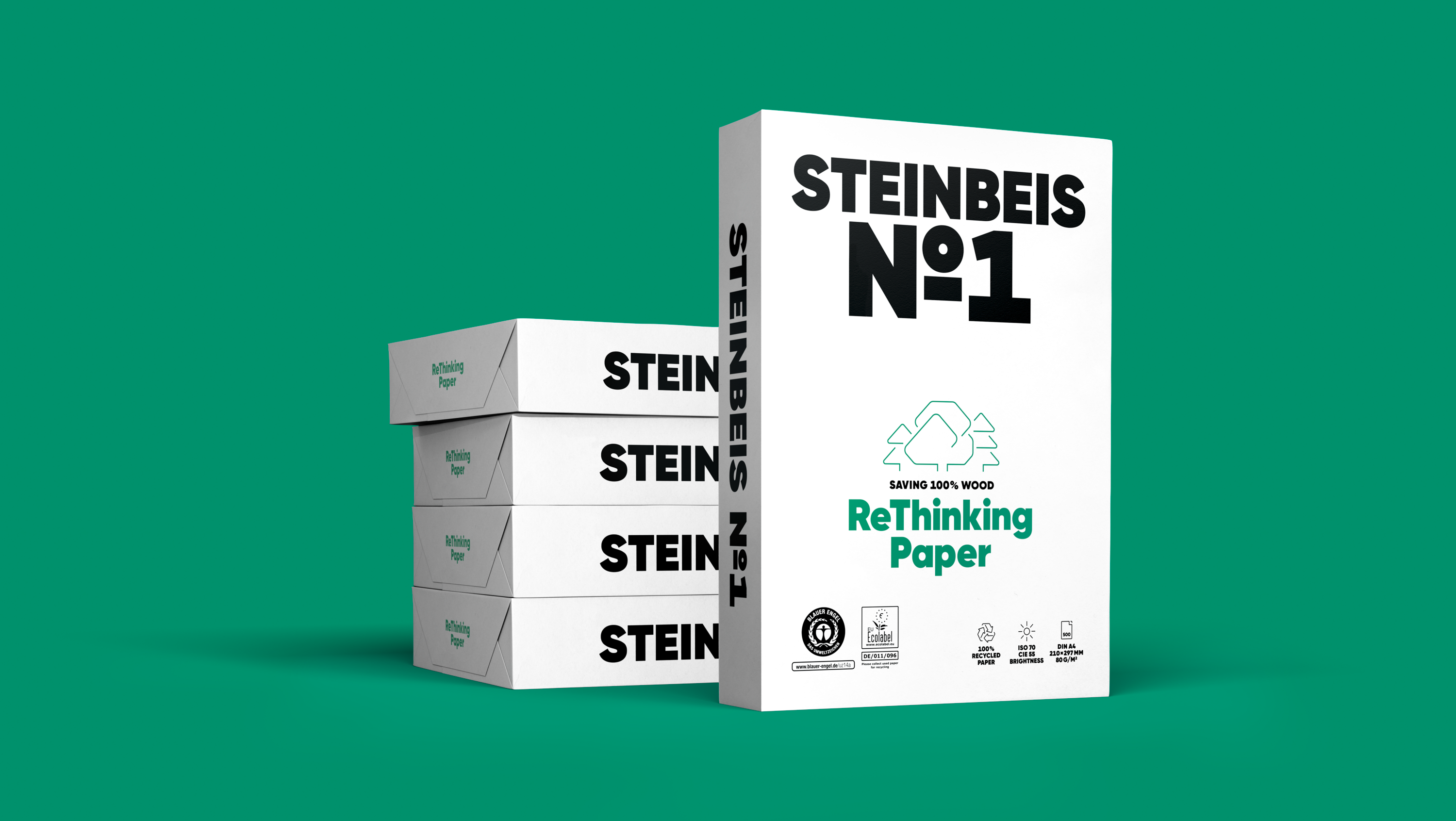
After this refreshing treatment, the newborn paper sets off on its next journey. Smoothed, bright and, above all, environmentally friendly, the paper now embarks on a new life. And will hopefully end up in the waste paper container again at some point. So let's give it a new life again and again!
Cover picture: Steinbeis Papier
Author
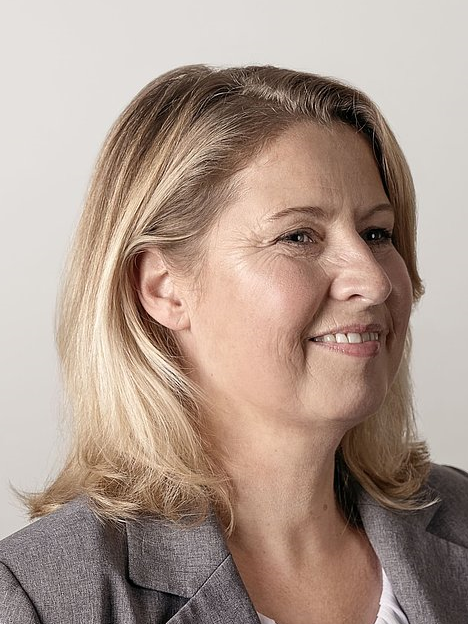
Responsible for marketing, social media and e-business at Steinbeis Papier. Circular economy, recycling and biodiversity are the topics close to the heart of the graduate business economist. Enthusiastic blogger for the Steinbeis editorial team.