What we need now is a collective rethink
22.02.2022 - More and more people want to make a contribution to a better future. Using recycled paper is a good first step. But there are many other ways to reduce your ecological footprint: from recycling to a vegan diet to a change in career direction, there's something for everyone. However, before we can boldly hop on a cargo bike and switch to a vegan diet, we usually need to change our mindset. If you're looking for support, sustainability coach Kerstin Mayer is the right person for you.
I'm sitting in my wicker chair in front of the laptop camera, eagerly awaiting the next video call. As a journalist, I usually ask the questions. I rarely get to play the role of the interviewee myself. This makes my interview with Kerstin Mayer - architect for sustainable building, eco-enthusiast, earthworm saver, but above all: sustainability coach - all the more exciting.
Sustainable with body and soul
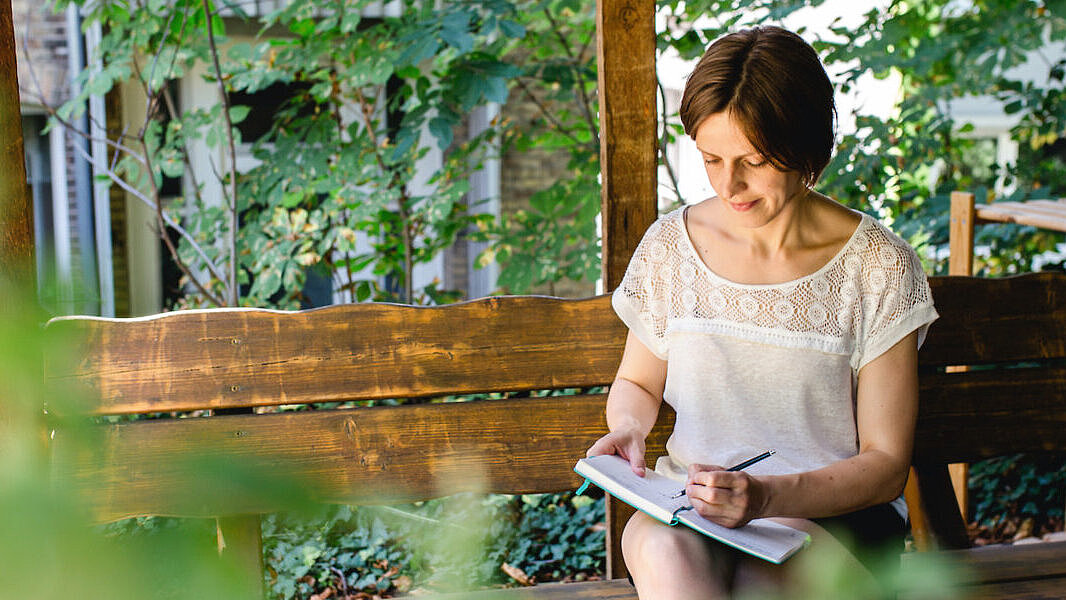
Before we move on to the counselling section and the subsequent exercise, Kerstin talks about her personal dream job. She likes to call herself an "eco-aunt" and was unstoppable even as a child: "With my cousin, cousin and brothers, I pulled rubbish out of streams and meadows. I collected signatures against whaling in Japan and Norway with the neighbour's children to support Greenpeace in a campaign," she explains. In her architecture degree and afterwards, she focussed on sustainable construction - because, as many people don't realise,CO2 emissions from the construction and building sector are much higher than those of the entire transport sector. In her private life, she makes worm bins, nappies her daughter in cloth nappies and shops at unpackaged shops. Over time, she became an eco-guru among her friends and family: "Between my 20s and 30s, people I knew asked me more and more often for tips on how to live sustainably," says Kerstin. At the same time, she attended various coaching sessions and launched her blog "Laboratory for Sustainability" in 2016. in 2019, she started her own business as a sustainability coach under the same name.
Sustainability as a transformation process
The blog name says it all, because for Kerstin, sustainability primarily means being ready to experiment. "Trying, testing, failing, learning, daring to try something new - that's the only way we can change the world," she explains. "The big task facing our society is a collective rethink. We need to leave our comfort zone, move away from the mould and free ourselves from societal standards, because it is precisely these that have caused the environmental damage over the last 150 years that we are now confronted with. If we were to surround ourselves with fewer to-dos and things that actually only rob us of our nerves and time anyway, this reduced life would not only make us happier, but also more social. Because there are actually enough resources available for everyone." Of course, we won't achieve this transformation overnight. But Kerstin wants to support people individually in this process. "More and more people are confronted with the approaching threat and are asking themselves: How can I implement sustainability in concrete terms and at the same time ensure that I personally am doing well?" There is no universal solution - every person, every life is different. "I believe that many of us have a good compass within us - we just have to dare to follow it."

On the road to sustainability
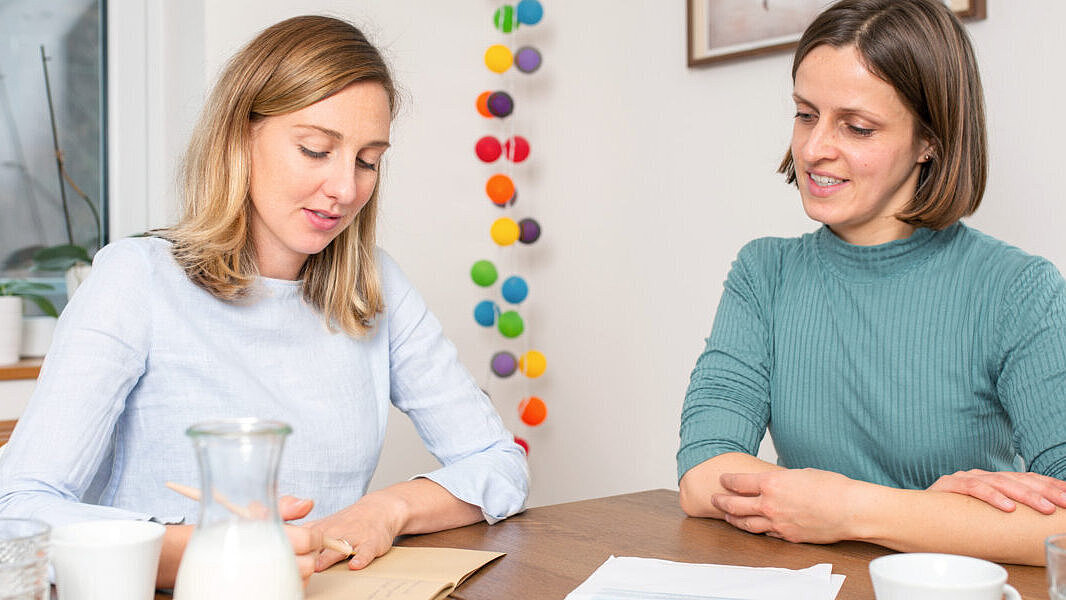
Kerstin offers free "Positive Impact Sessions" to help you get started. In around 30 minutes, interested parties and coaches get to know each other - after all, it has to be a good fit on a personal level. She also tries to generate immediate added value for everyone with small exercises. Anyone who is interested in personal coaching afterwards can book this and meet with Kerstin digitally every fortnight for three months, for example. Her clients include many "eco-enthusiasts", but also more and more people who would not describe themselves as such and are not perceived as such by their friends. "These people with an eco-heart feel the urgency and need, but don't yet know exactly how and where they can start." From the expert's point of view, one of the most important levers is the professional environment - if only because it takes up so much time in our lives. When talking to clients, Kerstin therefore focuses on their current professional situation, education and personal interests. "This gives me a good sense of what the person wants, where they are and where they want to go. For example, one of my clients wants to completely reorganise her career after maternity leave and take the plunge into self-employment. I help her with this," she explains.
From the big stage to your own four walls
Kerstin is hopeful about the future, but in order to turn the tide now and get people to rethink, it is particularly important to take scientists seriously. "If we finally listened to the Intergovernmental Panel on Climate Change and took real action at a political level, we would already be a long way forward," says Kerstin. But this is the big stage. It is important for each individual not just to stay in their heads, but also to allow unpleasant emotions such as worries and fears, because it is precisely these strong emotions that can unleash a lot of power to really make a difference. As Kerstin explains: "I hope that something new will emerge, away from the current frontlines, and that people will learn to tolerate differences. Fortunately, I'm currently meeting many people who are going through a similar development and want to use their energy to do something good in the world. That's exactly where I come in with my 'Positive Impact Sessions'."
I find myself in just such a session right now. After talking about my personal situation, I do an exercise in which I communicate with my future self in 15 years' time. I have to let my mind wander in a relaxed and informal way, imagine where I am and what I will look like. It's easy and makes me smile: leaning against the heavy door frames of a Canadian log cabin, with short hair, a big grin and sunflower dungarees. What I say to myself is more difficult, but far more pleasant. As Kerstin and I end our conversation, I can well imagine how she can gradually trigger a wave with these small positive vibrations in everyday life.
Some things never change: "If I see an earthworm on the path that seems a bit desperate, I put it back in the meadow. I've been doing that since I was a child. That's just me." Kerstin Mayer is an "ecotante" with heart and soul and stands by it. At the same time, she doesn't blame anyone who doesn't tick just like her. Everyone is different and it is better to build bridges than to emphasise differences in order to face the future together. She has set herself a clear goal for her journey: By the end of 2024, she wants to help 1,000 people specifically to use less plastic, produce less waste or lighten their ecological rucksack. (Incidentally, you can easily calculate the latter yourself here.) Anyone interested can find helpful tips on this in her blog, the book "Zero Waste - ohne Stress: Dein Start in ein nachhaltigeres Familienleben", published in 2021, or of course in one of her Positive Impact Sessions. She donates five per cent of her turnover directly to charitable projects and initiatives.
Cover image, symbol image: cottonbro/Pexels
Author
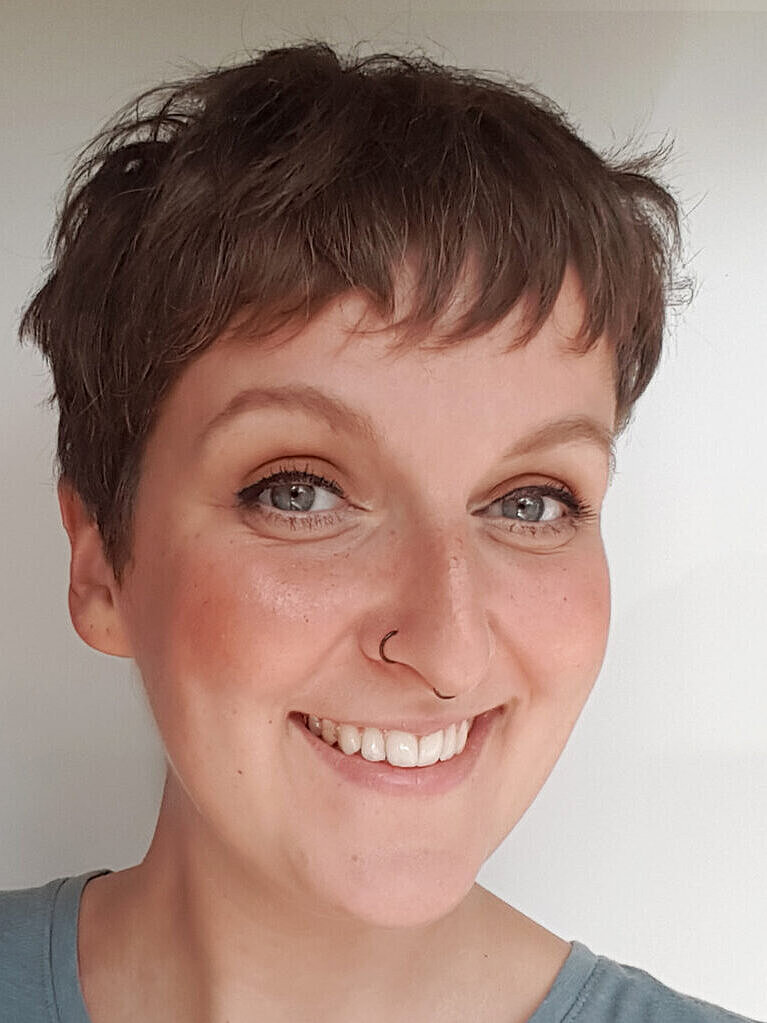
Valerie Bachert is a journalist, chief of staff and sustainability officer. She is interested in the areas of organic farming, conscious consumption, species extinction, social injustice and sustainable nutrition.