What to do about resource scarcity - companies in dialogue

13.11.2018 - Web 2.0 has instrumentalised the idea of "community", which would neither be conceivable nor work without social media such as Facebook, Twitter, Instagram and business forums such as LinkedIn. Anyone who is not prepared to share information and images from their private world and business environment does not need to join these networks in the first place. This behaviour misses both the purpose and the expectations of community and sharing forums.
Sharing and fair distribution - essential for resources
"Resource efficiency" is about "sharing" and a somewhat different understanding of community. A topic that has an impact on industry, markets and consumption. It is less about the voluntary nature of sharing and more about the necessity - for the sake of resource justice. And this is not in the best of shape. Because the environmental account in Germany is in the red earlier and earlier: Germany needs three earths worth of resources per year. In most cases, we are already living on credit from the second quarter onwards, as can be read in "Sustainability, the ecological imperative for the digital age".
Global hunger for resources - sustainable solutions required
The USA consumes five Earths per year. China, one of the biggest polluters and world champion in the production of mineral resources and rare earths, is unable to cover its industrial and energy production with its own resources despite its huge domestic deposits. It has to satisfy its hunger for raw materials with additional imports and purchases. A sustainable raw materials policy that ensures a fair distribution of the raw materials available worldwide remains a utopia for the time being. Security of supply is at the centre of countries' raw materials policies. This is an aspect that is of great importance to manufacturing companies. The availability of raw materials and resources is part of value creation and ensures productivity and profitability.
Resource efficiency in SMEs - an event organised by B.A.U.M. e.V.
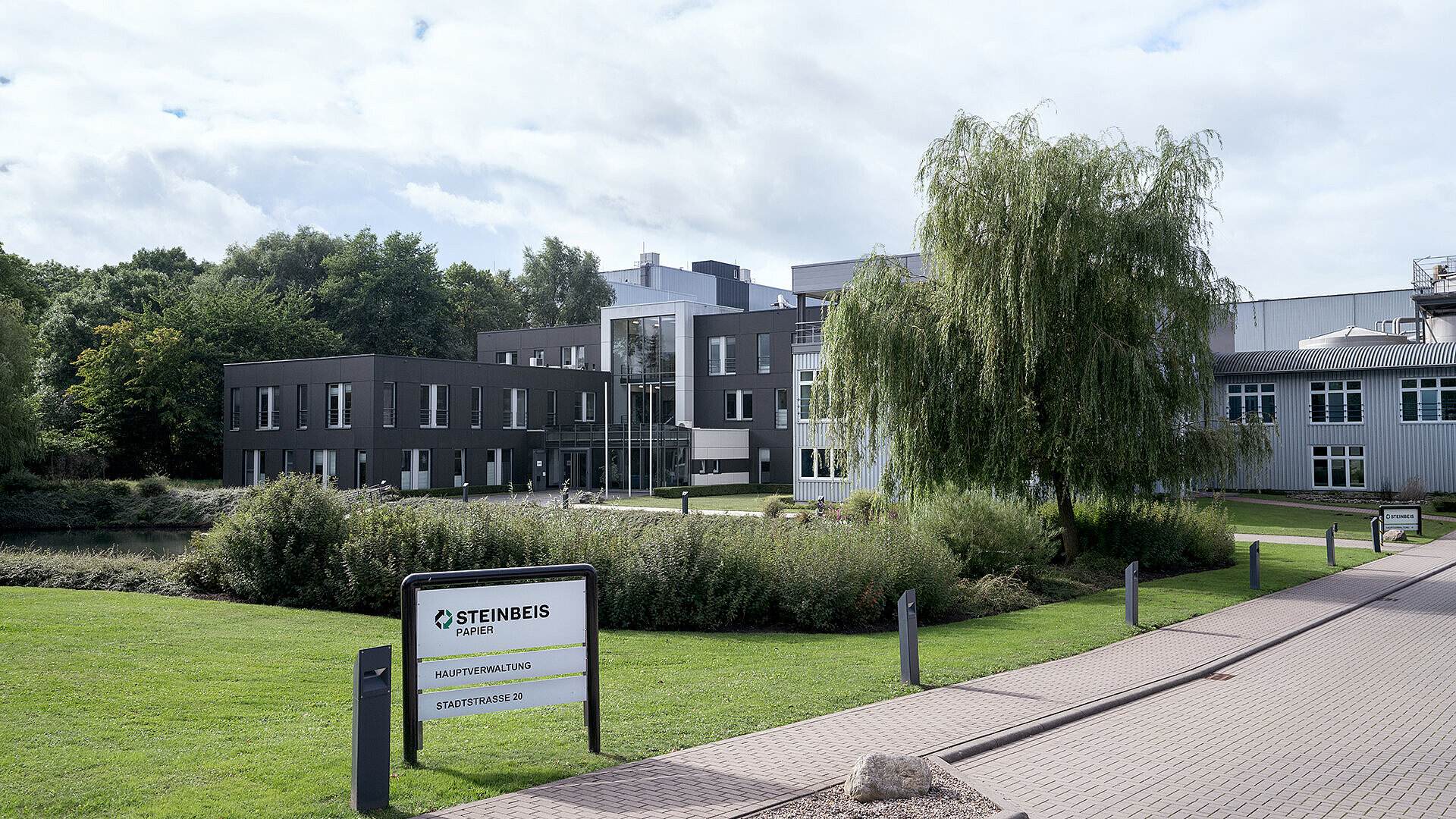
In view of the growing global demand for raw materials and the discrepancy between ecological footprint and biocapacity, sustainable solutions for efficient resource accounting are essential. This is something that the Bundesdeutscher Arbeitskreis für Umweltbewusstes Management (B.A.U.M.) e.V. has been promoting for years. As part of the event "Increasing resource efficiency in SMEs" on 1 November 2018 at Steinbeis Papier GmbH, sustainable, energy- and resource-efficient solutions were presented in keynote speeches, business cases and specialist presentations. Companies from the tourism, mobility, food, service and technology sectors took part in the event.
Julia Herr from the VDI Centre for Resource Efficiency spoke about the ecological, economic and social benefits of resource efficiency. She believes that measures for climate protection, sustainability and resource efficiency are anchored in the corporate strategy. CSR is a proven success factor in competition. The VDI department advises and supports companies in the implementation of resource efficiency in companies, such as the development of resource-efficient production and manufacturing processes, operational efficiency consulting and energy and environmental management systems. In her presentation, she referred to the efforts of the German government, which it is pursuing with its resource efficiency programme, among other things: To achieve a "decoupling of economic growth from the use of raw materials".

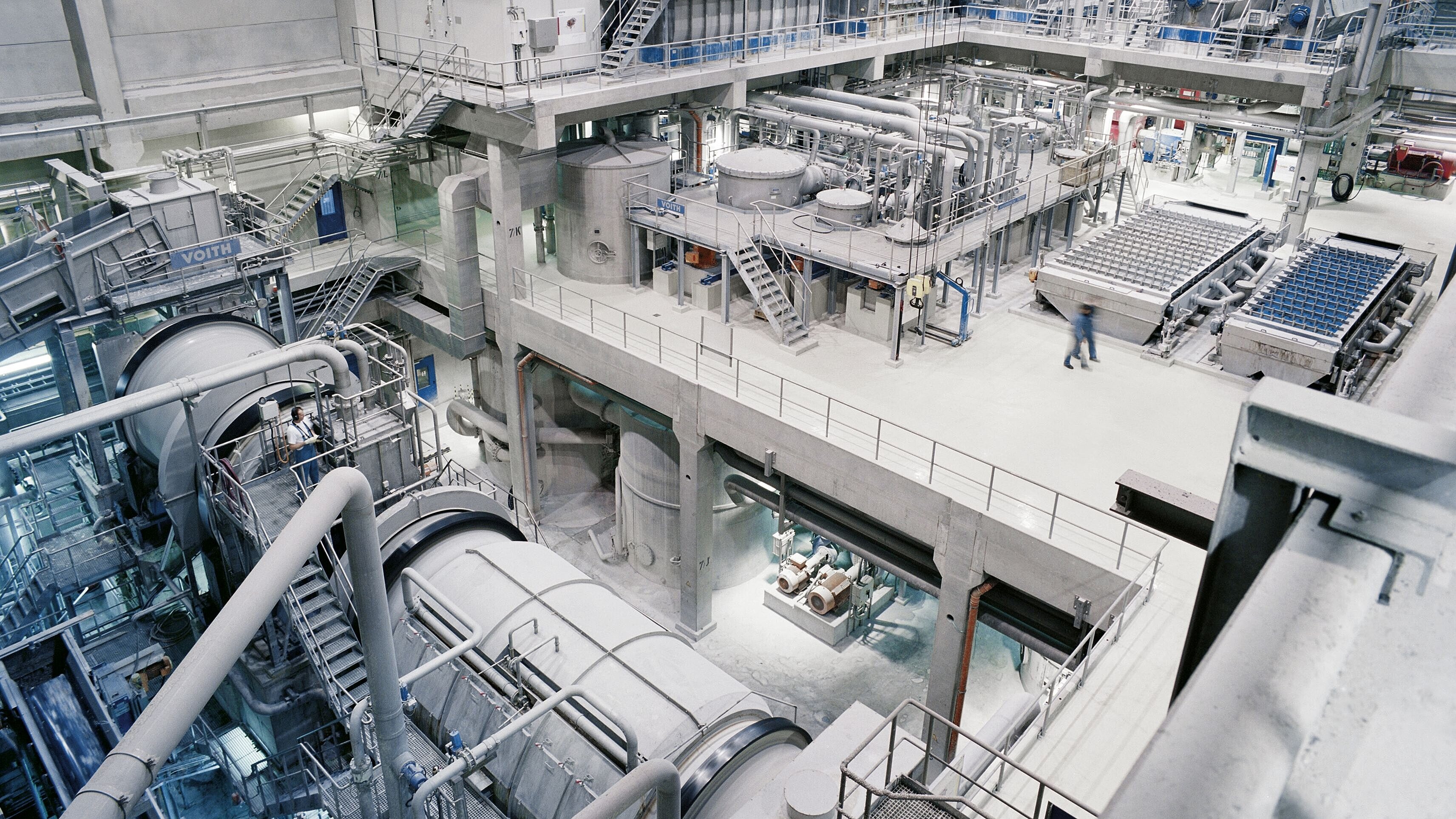
The managing directors of Steinbeis Papier GmbH, Ulrich Feuersinger and Dr Volker Gehr, presented the ecologically integrated industrial model of their paper mill, how they have made the transition from resource- and energy-intensive production to sustainable production, what technological consequences this has had and how it has affected the company economically, as well as its market position. It was clear from the presentation that resource efficiency always requires the cooperation of like-minded market partners.
"Resource efficiency, as the presentation showed, always requires the cooperation of like-minded market partners."
Conserving resources has something of a community attitude
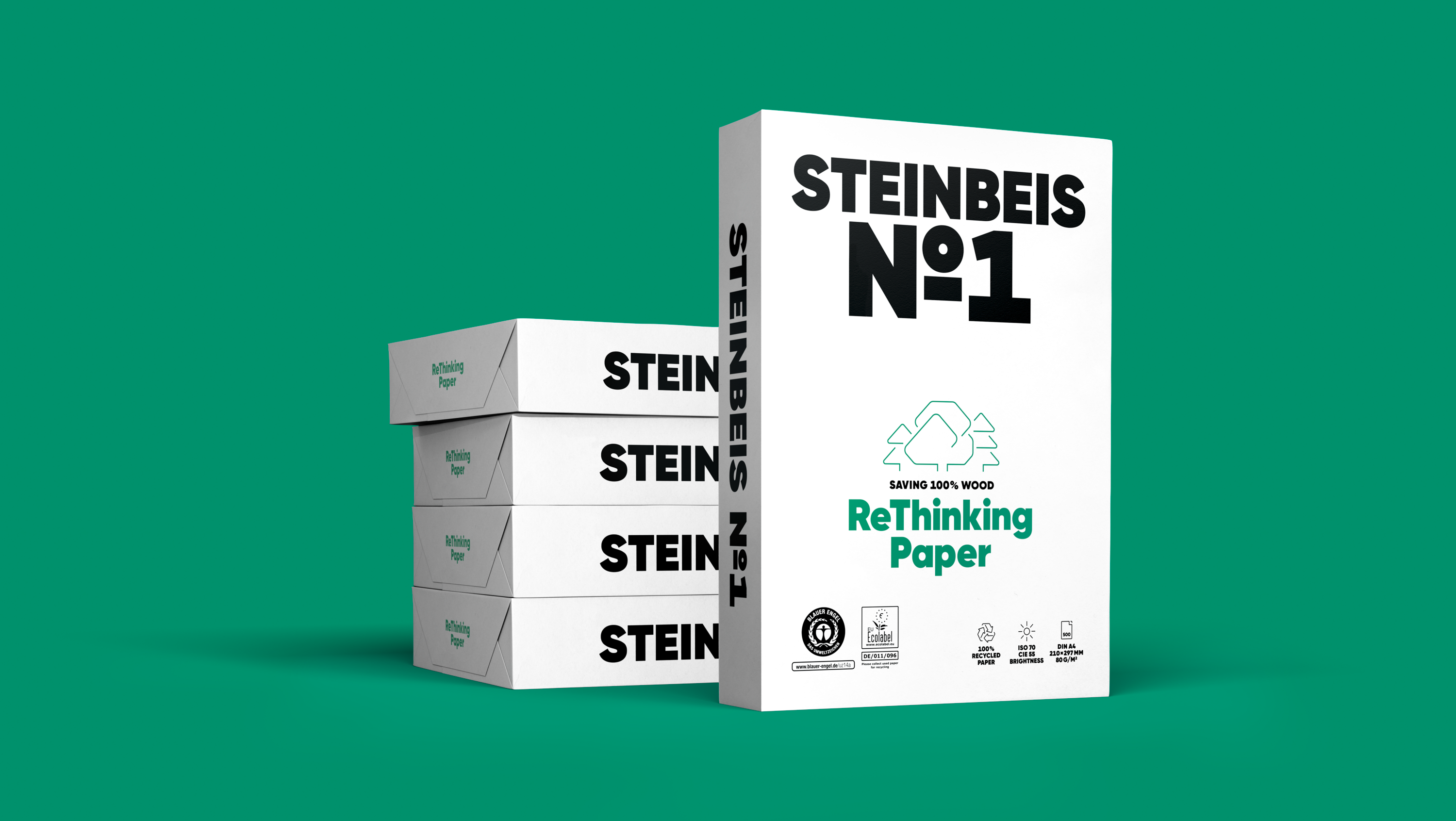
At Steinbeis, sustainability extends across the entire production, supply chain and value chain. Steinbeis forms a community with its suppliers and service providers who share the same interests: Sustainability, conservation of resources and the environment, preservation of biodiversity, realising the potential in recycling and the circular economy. The exclusive use of waste paper as a raw material conserves valuable resources.
B.A.U.M. e.V. and Steinbeis Papier GmbH see such events as a good opportunity to convey the entrepreneurial idea of sustainable community building and to initiate solutions. Dialogue, consensus and cooperation are essential if resource equity, equal distribution and use, is to become a reality rather than just a demand. The fact that measures are required here at international level is one aspect. The other is action. Networking common interests, sounding out and utilising the respective possibilities of companies, sectors and industries for resource efficiency are measures that contribute to a fairer resource policy and create more independence.
Cover picture: Kouji Tsuru on Unsplash
Author
Responsible for marketing, social media and e-business at Steinbeis Papier. Circular economy, recycling and biodiversity are the topics close to the heart of the graduate business economist. Enthusiastic blogger for the Steinbeis editorial team.