What do our trainees think about environmental and climate protection?
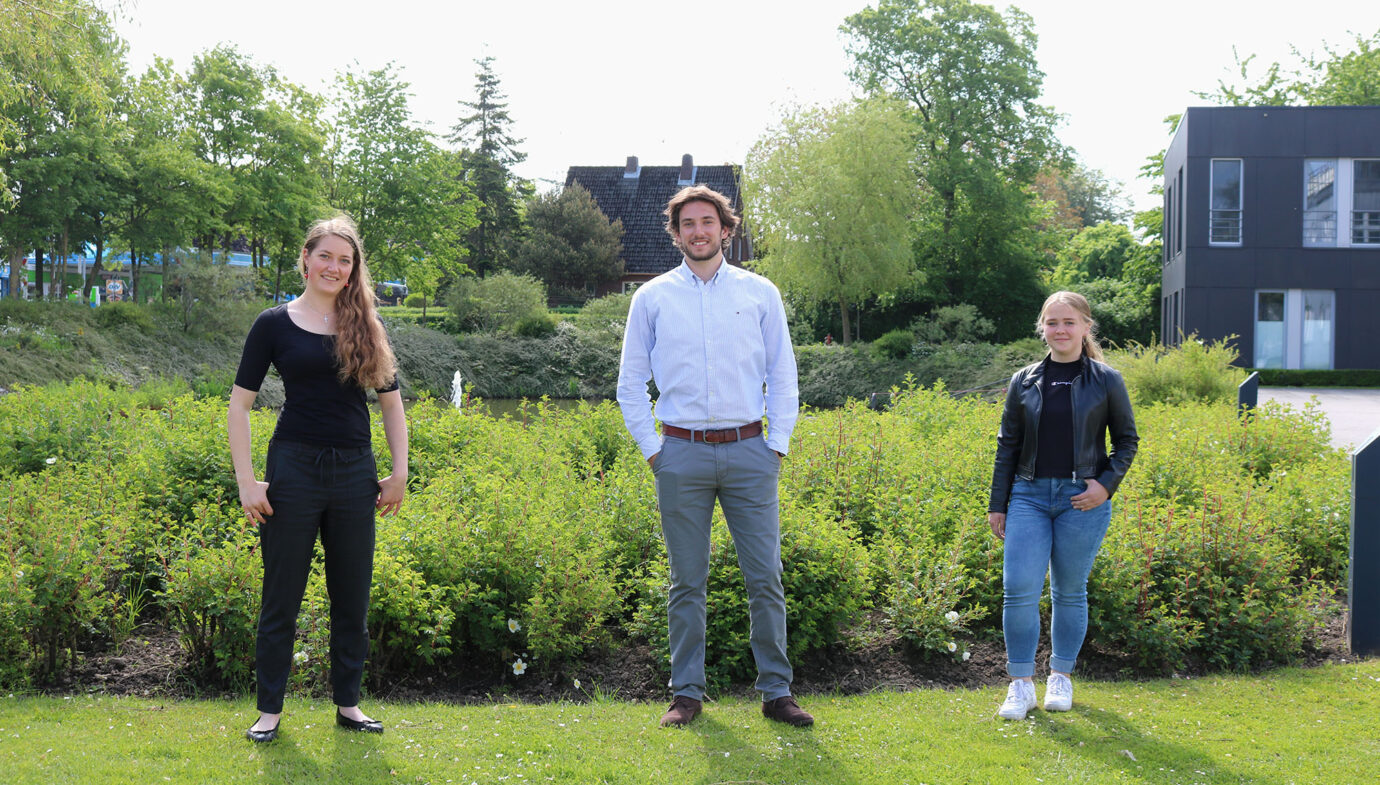
06.07.2021 - Sustainability and climate protection are among the most important social issues of our time, along with questions about social justice and the state of the education system. Good reasons to ask our trainees how they perceive the climate crisis and its media attention. In this interview, Hanna Jeschke (17), Luise Evers (21) and Leif Dombrowski (22) tell us what worries them, what they pay attention to in everyday life and where they see a need to catch up in our society.
When was the first time you were confronted with the climate crisis?
Hanna : I first became involved with the topic of environmental protection through Fridays for Future. It was only then that I realised what "climate" really means for us and how everything is connected.
Luise : For me, it was in geography lessons in secondary school. Our teacher showed us the documentary film An Inconvenient Truth by Al Gore.
Leif : My father works in the field of environmentally friendly energy generation, so environmental protection has always played a role in my home. However, I only realised the relevance of sustainable management when I joined Steinbeis Papier.
What has changed for you in your everyday life since then?
Luise : When I first heard about the climate crisis, I was just 15. Back then, I often asked myself what I could achieve on my own. I heard from all sides: "You have to do something!" But nobody told us exactly what. I pondered a lot about what I could contribute. I now have a better overview, only buy regional vegetables, save electricity and cycle to training.
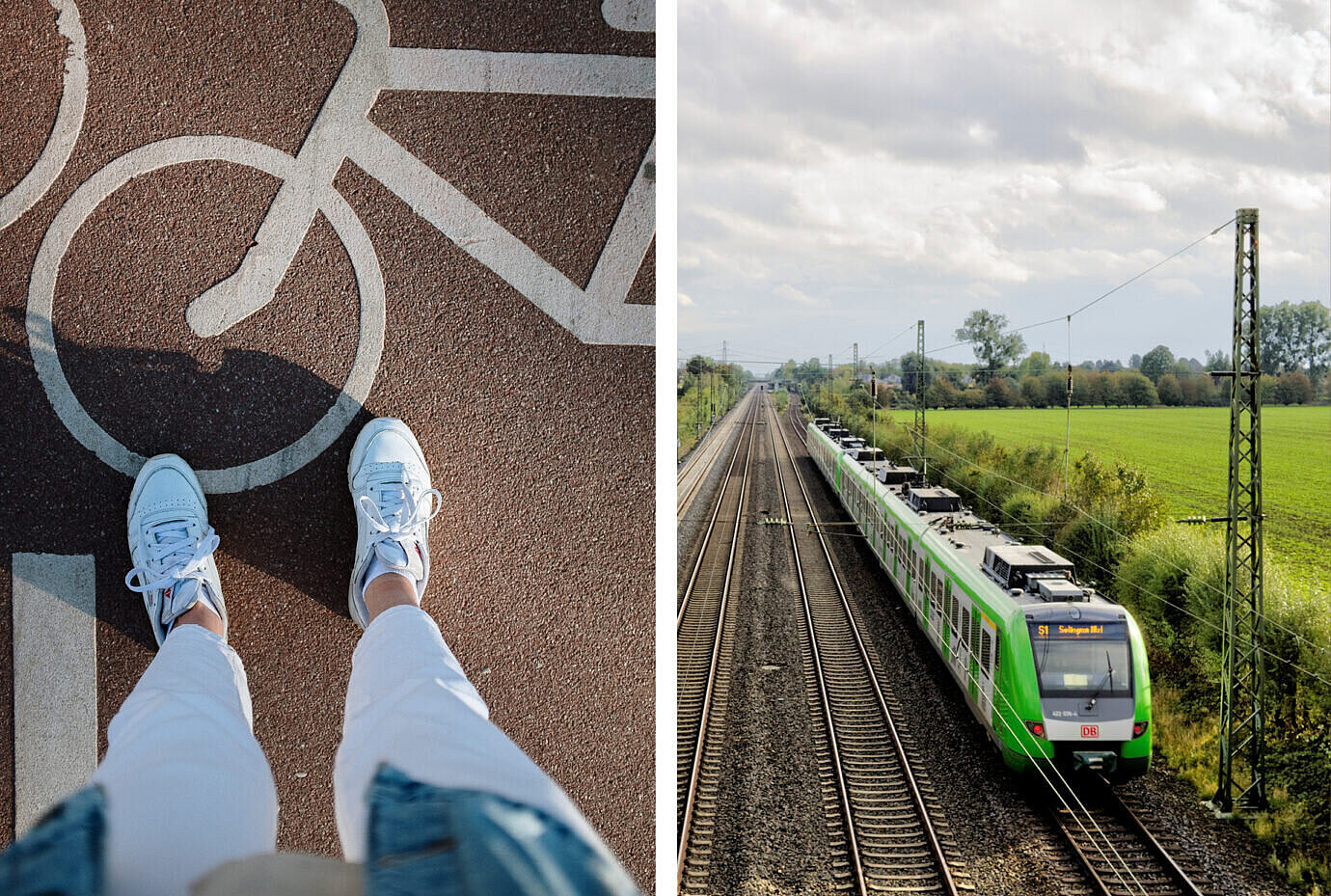
Hanna: Many trainees travel to vocational school in Gernsbach by car because they don't fancy the eight-hour train journey. That doesn't bother me. On the contrary: travelling by train is not only more sustainable, but also more relaxed. That's why I think I'll always prefer public transport to the car in the future.
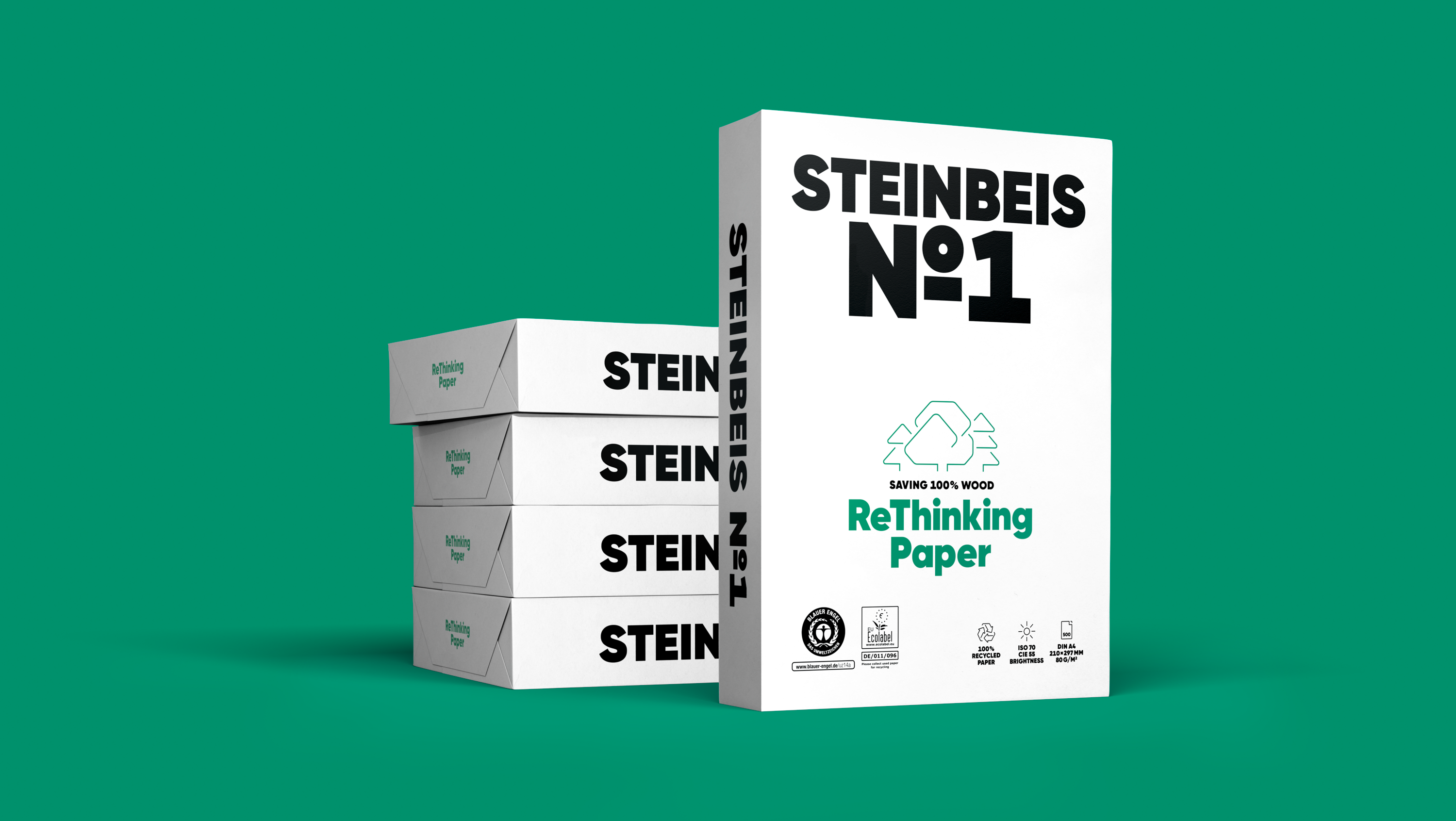
Leif : The main thing that has changed for me is how and what I consume. I pay much more attention to where products are made. Regionality in particular is very important to me. I have also developed a greater awareness of quality labels such as the Blue Angel.

Steinbeis is the largest employer in Glückstadt, so sustainability will not have been the only reason why you started your apprenticeship here. But how do you look back on your decision in light of the current media?
Luise : It was important to me that I felt comfortable. On the one hand in the team with my colleagues, but also when I tell others about where I work. I didn't want to feel ashamed of the negative headlines my company was making.
Leif : I experience this in a very similar way - especially in dialogue with fellow students at the university of applied sciences. If you work in certain industries or companies, you have to be able to face a lot of criticism. It makes me all the prouder to be able to combine sustainability with my professional life. I could no longer imagine working for a company that shirks responsibility or is even part of the problem.
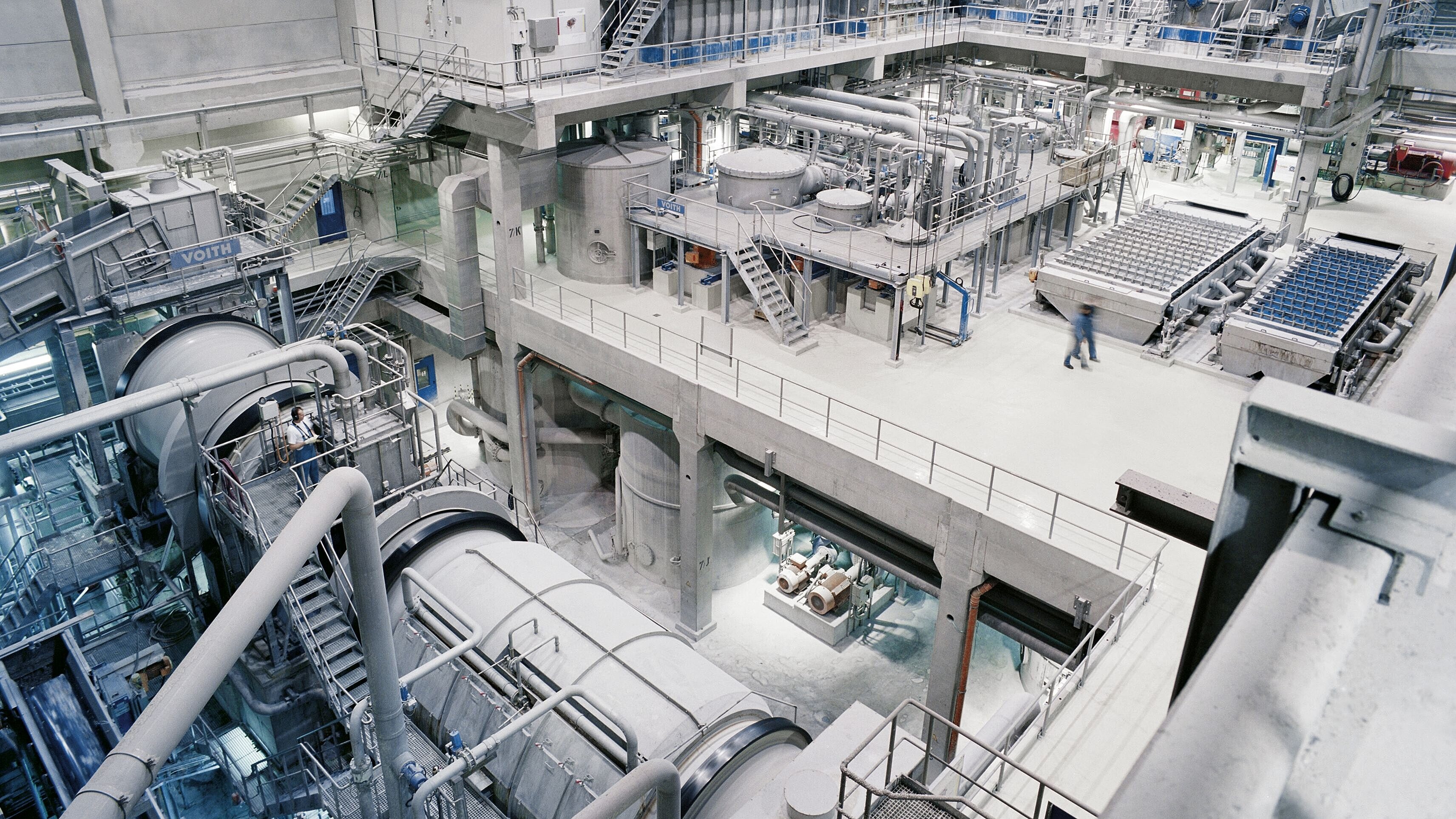
Hanna : Both my great-uncles were also paper technologists. That's why Steinbeis has always been part of my life. But it's only now that I'm doing my apprenticeship that I really understand how many cogs interlock in the production process, from the wastewater treatment plant to the power plant to the paper rolls.
How do you find out about climate protection today?
Hanna: Sometimes I read the newspaper, but most of my information comes from social media or Google suggestions about the environment. However, there is also a lot of fake news circulating there. You have to be careful!
Leif : That's another reason why social media is purely an entertainment platform for me. I prefer to rely on traditional media such as the daily newspaper or news programme.
To what extent is climate protection an issue in your circle of friends?
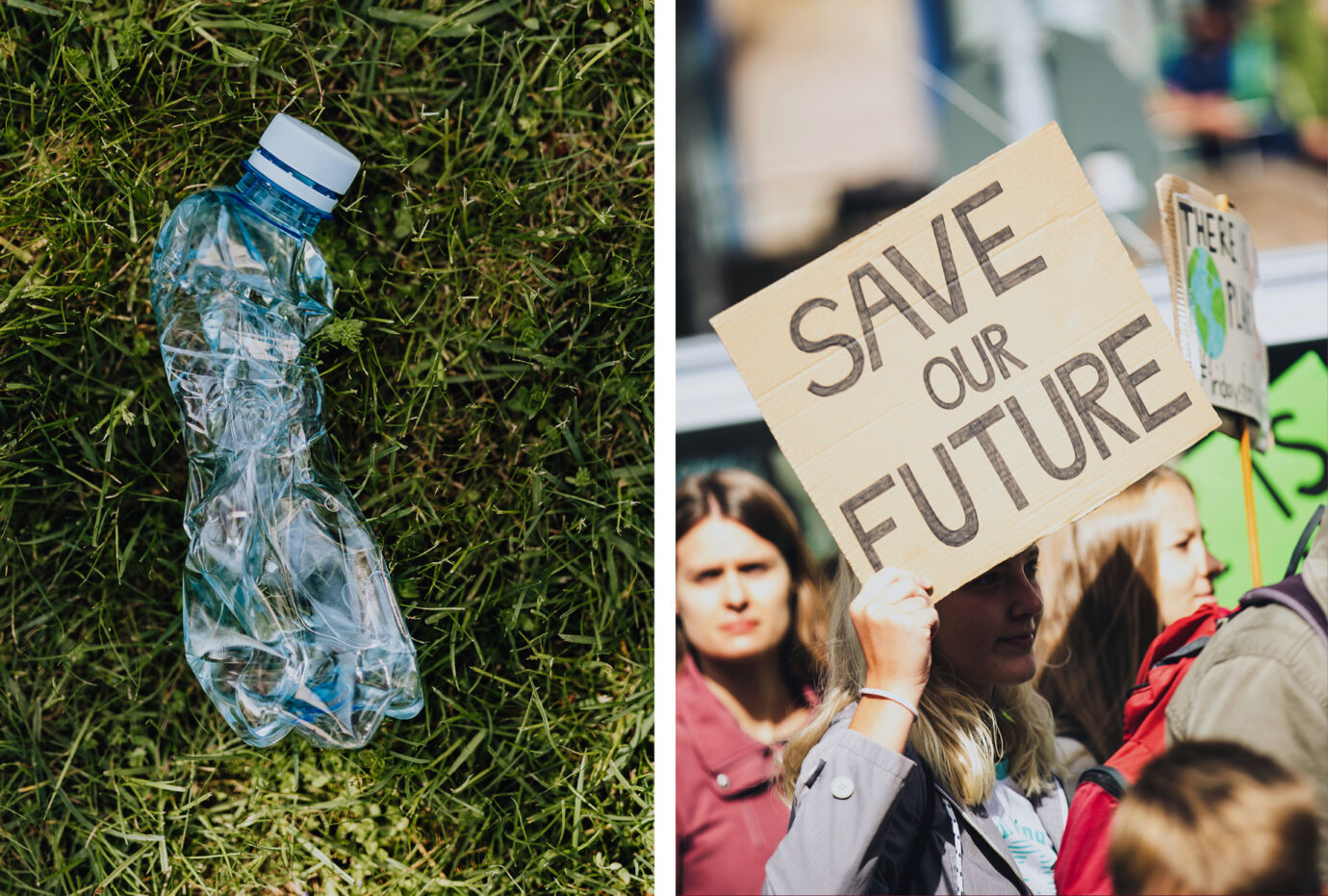
Luise : Most of my friends are active in FFF and were at the demonstrations the year before last. That's probably why a lot of things have become a matter of course for us, such as carpooling and reusable bags.
Leif: It's similar in my circle of friends at home. However, when I was in Dublin three months ago for my semester abroad, I had a different experience. Talking to friends from the UK, France and Ireland about the German deposit system and waste separation, I was amazed at how things we take for granted in other EU countries don't exist or only exist to a limited extent. I think it's a shame that we don't have standardised regulations at EU level and I believe that we are missing out on opportunities as a result.
To what extent are you worried about the future?
Hanna: I am hopeful, but I worry whether everyone will change their mindset and do their bit. I often ask myself whether we are up to the task of getting deniers to join in.
Leif : I feel very similar. Even in Germany, getting everyone round the table will be a challenge. I see even more problems internationally - especially when economic growth is more important than environmental protection. That's why I'm particularly interested in the extent to which economic efficiency and sustainability can be combined.
Luise : When FFF was particularly prominent in the media, I was very worried. But my training at Steinbeis made me feel more positive again. During my time in the sales team, for example, I spoke to lots of different people on the phone and talked to them about recycled paper and sustainability. I realised how open most of them were to these topics.
Who do you think are the most important players when it comes to shaping a more sustainable future?
Leif: Every individual, but also politicians. We don't need to discuss speed limits in Germany if we are wasting energy elsewhere. There are so many small adjustments that can be made: Use recycled paper, switch off the lights, buy locally, extend the deposit system. For me, the issue of environmental protection also goes hand in hand with questions of social justice. We have grown up privileged, socially secure and economically well-positioned, while in other regions of the world existential hardships take centre stage. This is precisely why we have a responsibility towards other countries and must fulfil it.
Luise: I would like to see children and young people being shown what they can do much earlier and more often at school. Workshops and project groups are a great opportunity - because the pupils naturally take what they learn back to their own families.
Hanna: I think activist groups like FFF are great because I believe it starts with each individual. That's why I'm particularly committed to more sustainability in my family.
How do you perceive current federal policy in relation to climate protection?
Luise : Just the other day at vocational school, we talked about the fact that Germany is planning to be climate-neutral by 2045. When I heard that year, I realised for the first time how far away that is, even though we urgently need to act now.
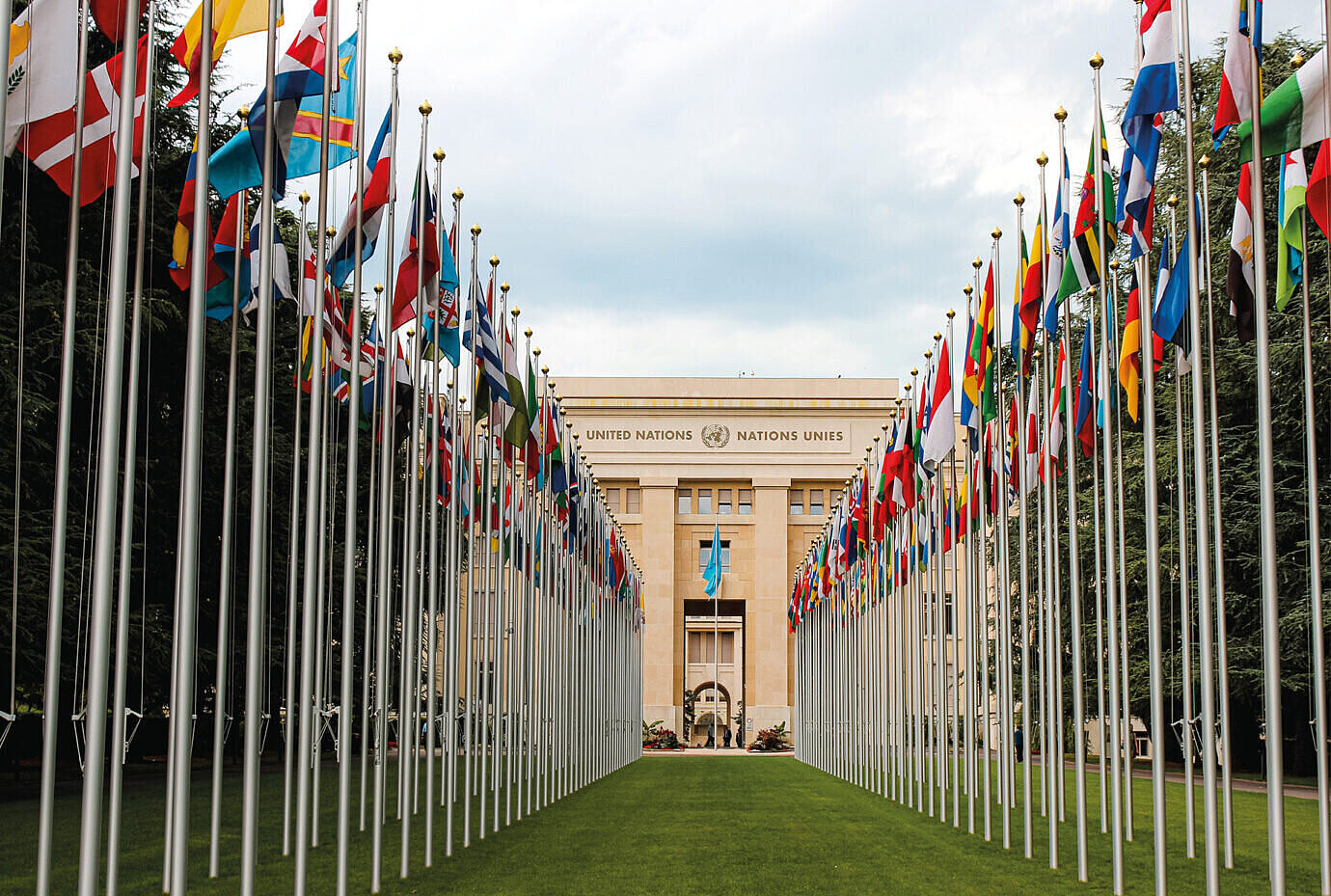
Leif : I felt the same way during my studies. Among other things, we talked about the Paris Climate Agreement and how the deadlines keep getting pushed back. It's not right how responsibility is being shifted from the older to the younger generations.
Hanna: I think we have to do something now. 2045 is still so far away. A lot of unexpected things can happen between now and then. The best example of this is corona. Targets are good, but we need more commitment and must not put off change for too long.
To what extent do you think bans can help?
Luise : In my experience as a trainer for the youth group in taekwondo, there is always a certain appeal to what is forbidden. That's why I believe that strict rules could even be counterproductive. I'm also not sure whether bans can remain manageable and fair at international level.
Leif: I think so too. Instead, we should create incentives - be they economic or personal.
What role will Steinbeis Papier play in the fight for climate protection in the future?
Leif : Steinbeis is taking on a pioneering role. Mainly because our company is already doing a lot of things right, but is not resting on its laurels. Last year, for example, a pallet warehouse was built at the Glückstadt harbour in order to reduce unnecessary transport routes and thus alsoCO2. This commitment can serve as inspiration for other companies. Education also plays an important role. Terms such as wood-free are misleading. That's why we should support consumers with our expertise.
Luise : In my opinion, Steinbeis could act much more as an ambassador in schools. We have gained initial experience in this area in our search for new trainees. However, we could go one step further and offer project weeks so that children learn early on what environmental protection means and what opportunities are available.
Leif Dombrowski (22) is almost an old hand at Steinbeis. He began his training as an industrial clerk straight after leaving school and is now doing a dual study programme in business administration. In his free time, Leif is either out and about with his handball team-mates or conquering the waters around Glückstadt while sailing.
Hanna Jeschke (17) was practically born with recycled paper. As a paper technologist at Steinbeis, she followed in the footsteps of her two great-uncles. When Hanna is not at the paper machine, she likes to be out in the woods or in the garden.
Luise Evers (21) is almost finished with her training as an industrial clerk. She will then also take the opportunity to learn theory and practice at the same time in a dual study programme. Luise also spends a lot of time outdoors in her free time - but her greatest passion is the martial art of taekwondo.
Cover picture: Steinbeis Papier
Author
Valerie Bachert is a journalist, chief of staff and sustainability officer. She is interested in the areas of organic farming, conscious consumption, species extinction, social injustice and sustainable nutrition.