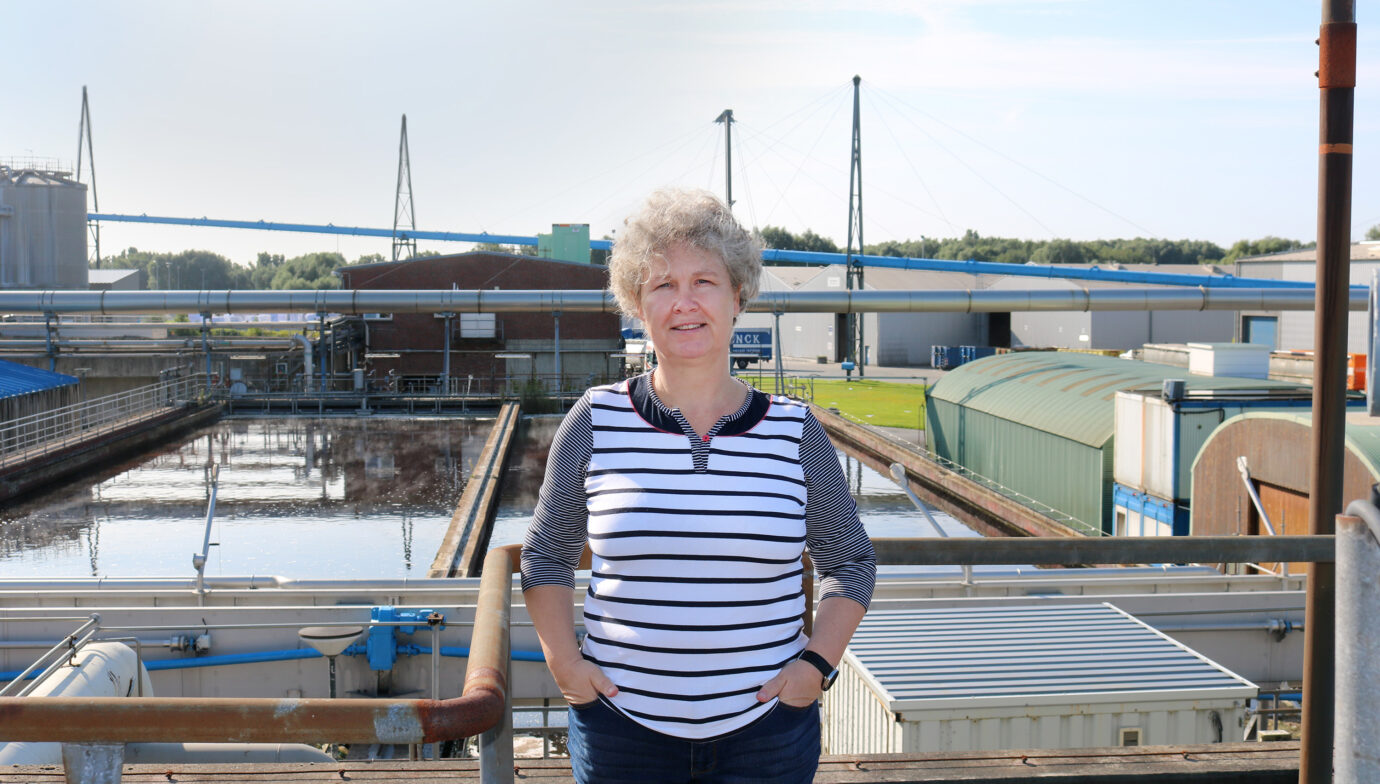
"Two million employees" for clean water

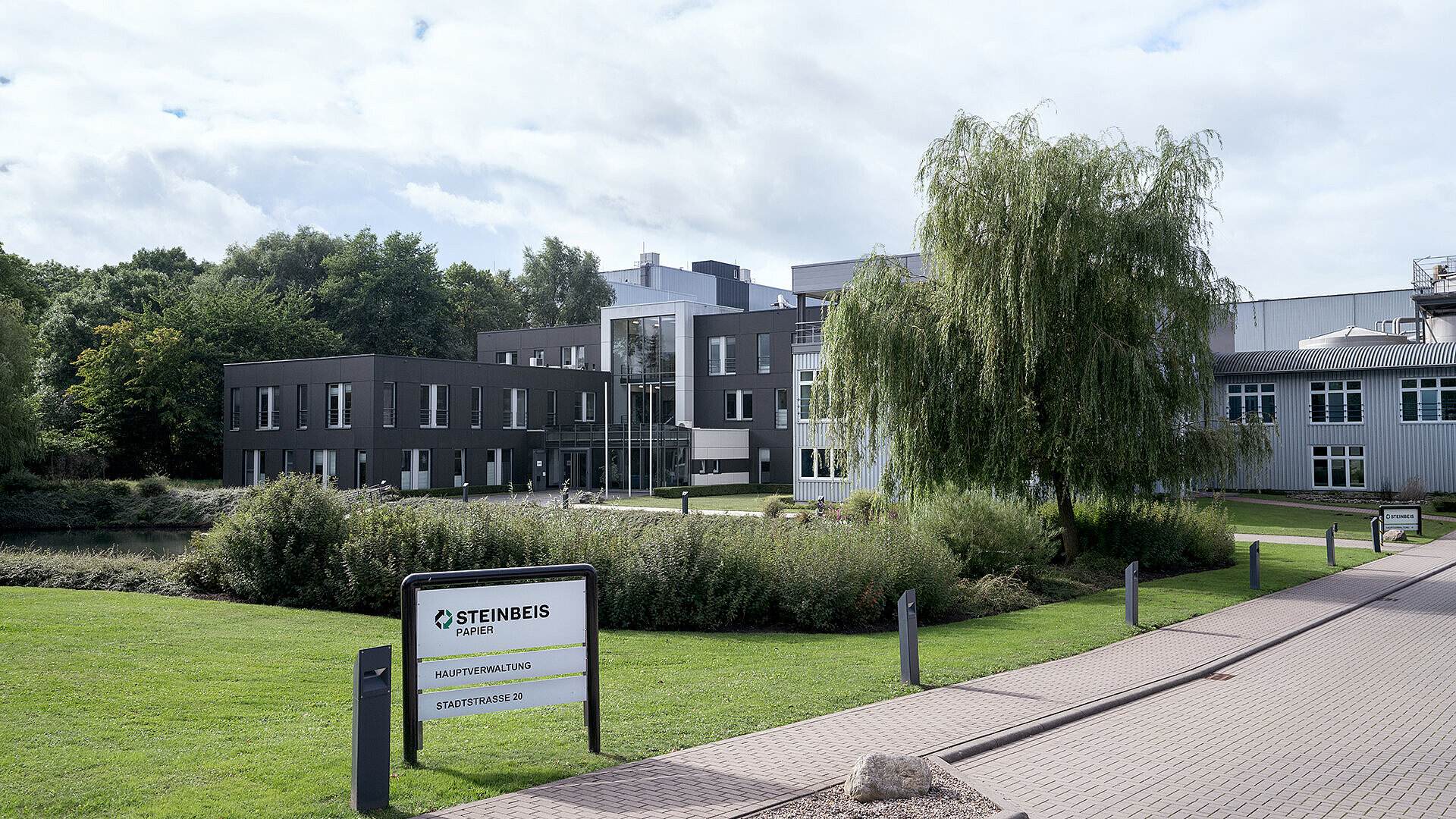
07.09.2021 - Circular economy at Steinbeis Papier means cycles on many levels. This also applies to the use of water as a resource. The company's own fully biological wastewater treatment plant in Glückstadt makes an important contribution to ensuring that clean water is supplied to the Elbe even after intensive production cycles. Kathrin Willich, a trained paper engineer, is the plant manager. In this interview, she explains how nature is imitated for water treatment in technically complex processes and with "two million silent employees".
Mrs Willich, what fascinates you about your job?
I am interested in engineering and technology. Wastewater treatment has a special appeal for me and is also something personal: having the opportunity to turn dirty water back into clean water that can be returned to nature with a clear conscience - I think that's a great thing.
What does your day-to-day work look like?
I have two main tasks at Steinbeis Papier. On the one hand, I'm head of the wastewater treatment plant and on the other, I'm a safety specialist. These are two functions that I have to integrate into my day-to-day work. Firstly, I look after the wastewater treatment plant because it runs around the clock. I then look at the shift log to find out how the machines worked at night. If there is a fault, I speak to the plant operator to see if he has arranged a possible repair. Several times a week, there are meetings with various technicians in which we discuss which work should be prioritised and which should be given lower priority in terms of shutting down machines. As a safety specialist, I take on an advisory role. If colleagues want to change something in the plant, they approach me and ask about safety concerns and regulations. Of course, I also have to take concrete action if an accident happens. But they don't happen too often.
How automated is your workplace?
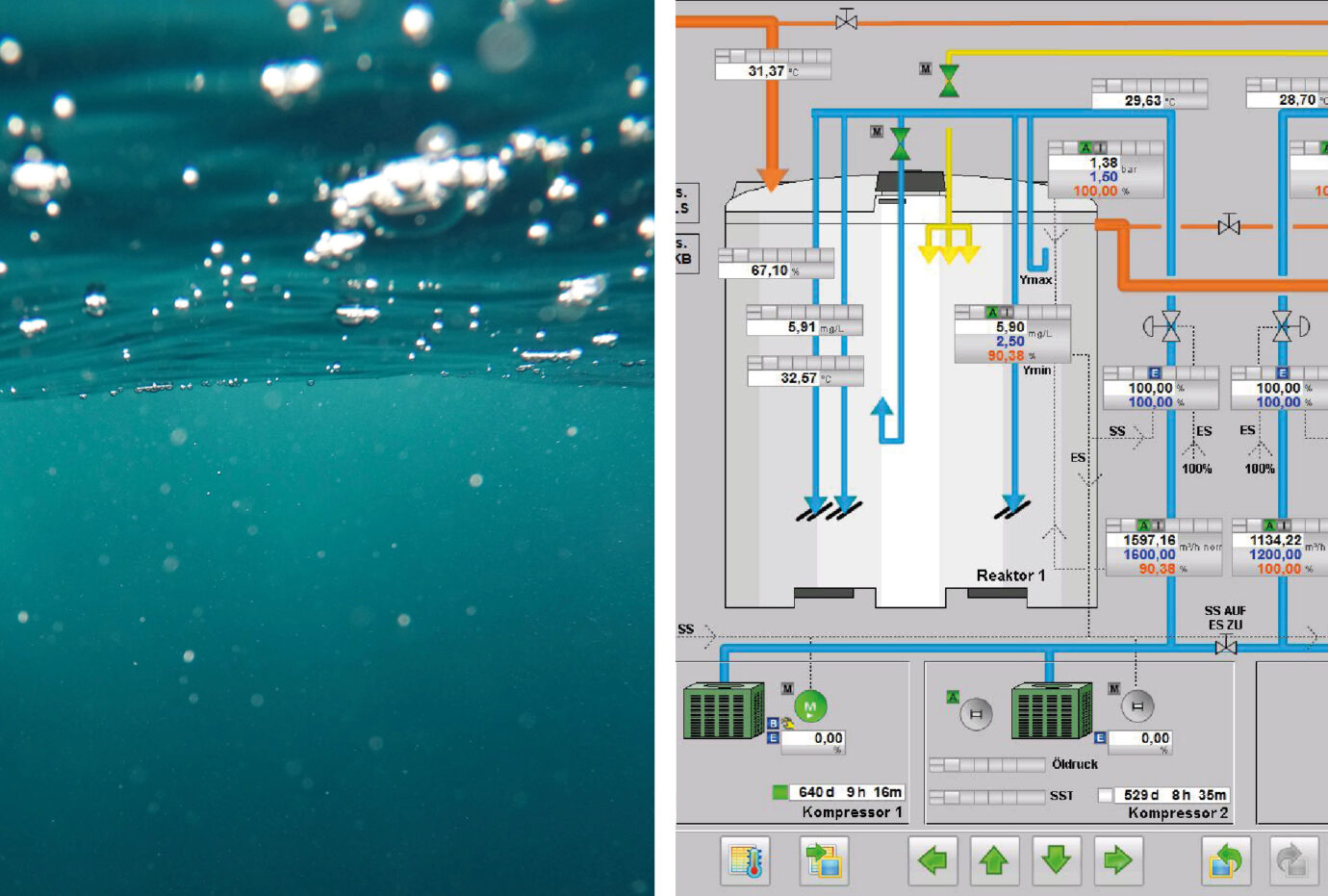
I actually have two employees. One is a plant operator and another is a lab technician. Both colleagues work on site and also inspect the plant at regular intervals. However, most of the work is done on the computer. Like production, the wastewater treatment plant is monitored by a process control system. This is automated to such an extent that I can operate the system from my office here. I can switch pumps on and off with the click of a mouse. The system is even compatible with working from home. I can monitor data on my mobile computer and, if necessary, control and adjust processes throughout the entire plant.
What is the task of the wastewater treatment plant?
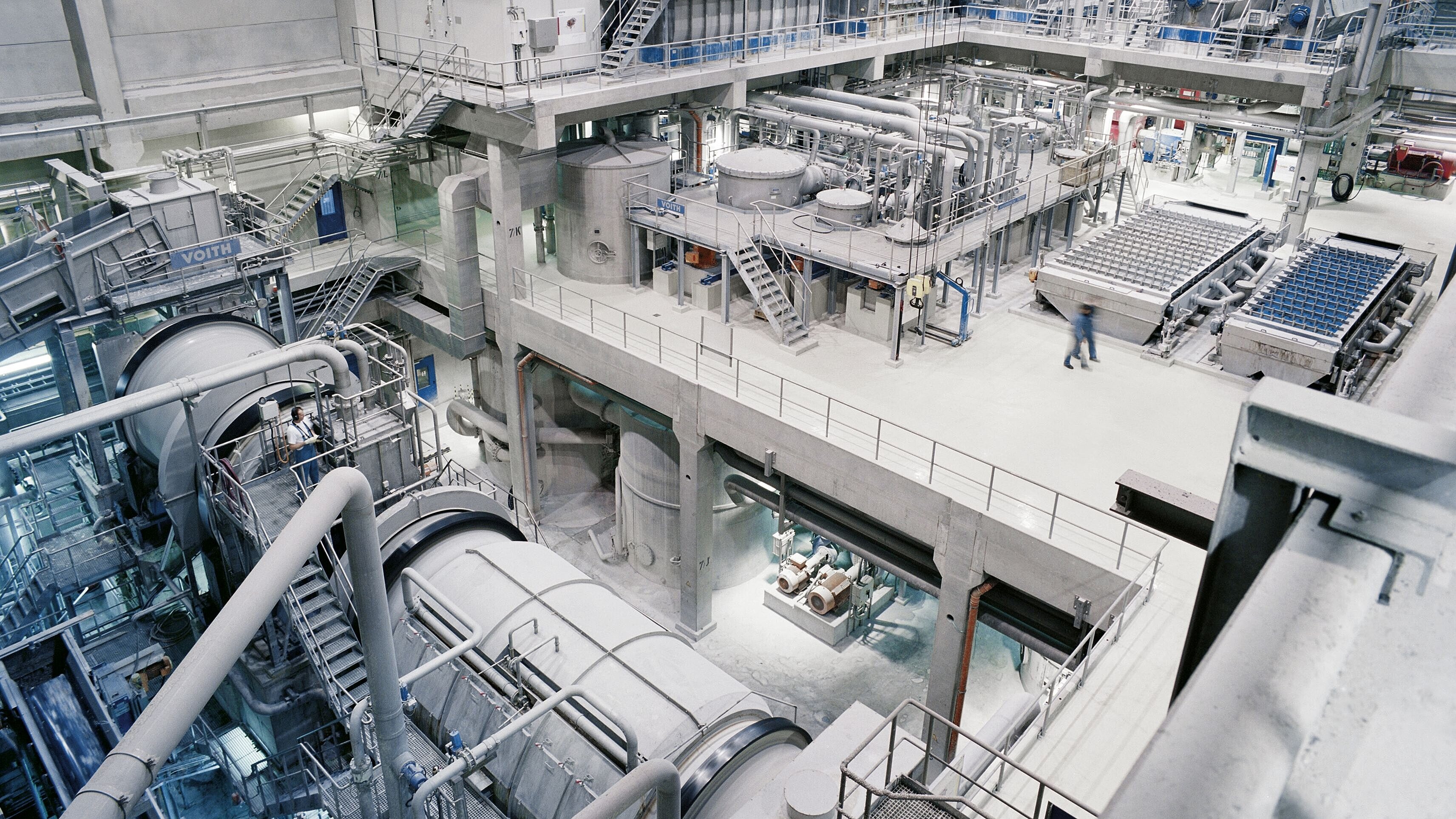
Firstly, we extract so-called raw water from the Elbe and make it available to the paper mill in a slightly treated form as process water. As a sustainable company, Steinbeis Papier has small water treatment systems at every paper machine and waste paper processing plant that make contaminated process water reusable for production. Only the water that definitely cannot be reused ends up in the wastewater treatment plant. What happens in the plant is what would happen in nature. Nutrients, pollutants and corresponding temperatures cause the formation of bacteria. These organisms consume an extremely large amount of oxygen when breaking down pollutants, which is not available to other organisms such as fish. This process is therefore shifted to a technical stage. Our wastewater treatment plant then releases the water back into the Elbe with an acceptable load.
What challenges do you face in your area of responsibility?
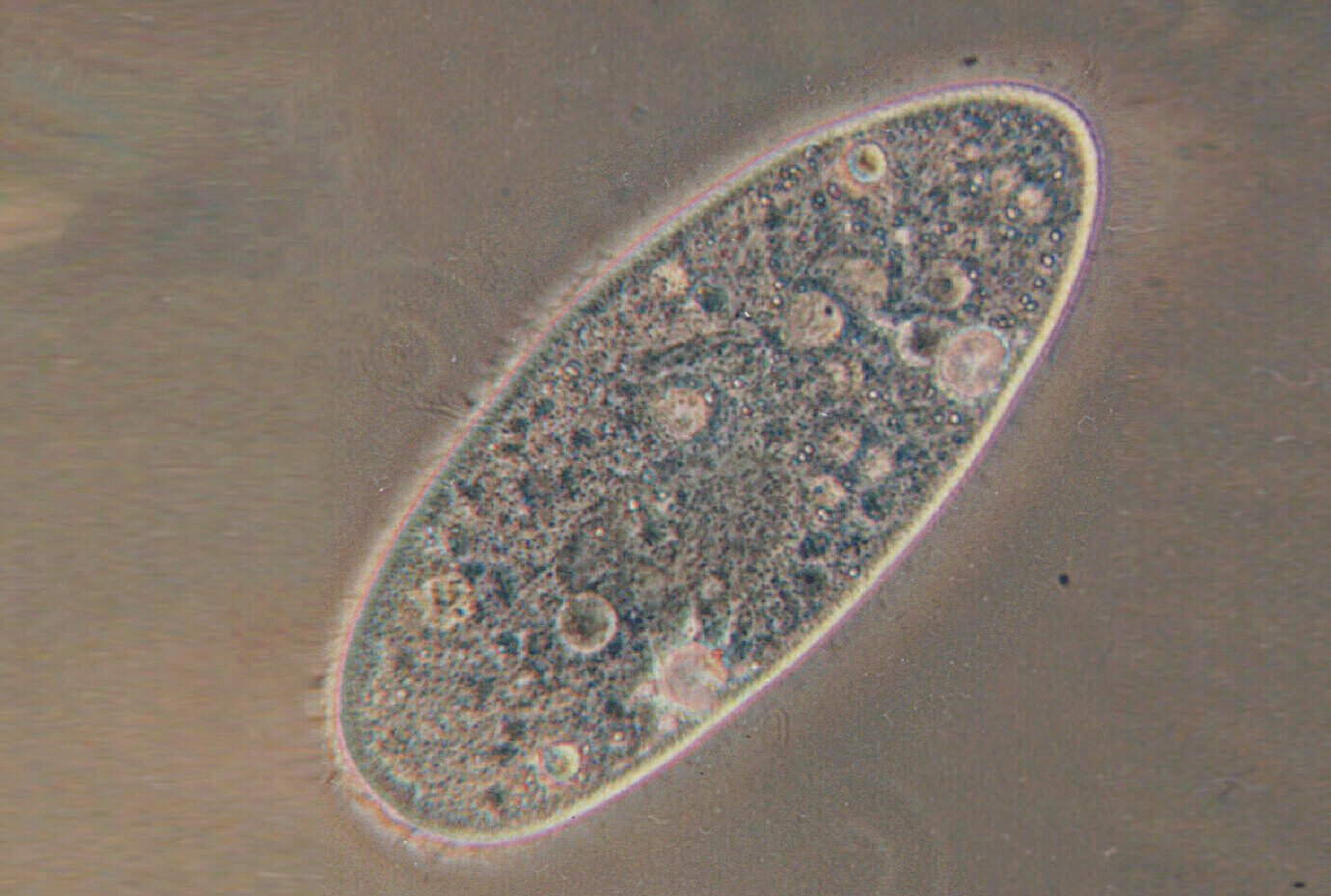
We are talking about a biological wastewater treatment plant in which we generate organisms - including bacteria, viruses and fungi - that then directly attack the pollutants. But as is the case with biology, it doesn't always react immediately at the push of a button. The environmental conditions have to be right. The pollutant load in the wastewater fluctuates depending on which paper with which degree of whiteness we are currently producing. The biology has to adjust to this. And that's where I come in with my employees: oxygen, nutrients, temperature and other parameters have to be measured and adjusted again and again. From our measurements, the process control system calculates the amount of nutrients our biology needs and adjusts them accordingly. These processes are complex. They require both theoretical understanding and practical experience. And that is the challenge, because the biology does not always react as expected. However, the demands on the quality of the treated wastewater remain high.
What other factors play a role in water treatment?
Temperature - the water from production can be more than 40 degrees. Above this temperature, the degradation performance of the biology is limited or even completely stopped. We then have to cool the water down, especially in the summer months. With biomass, however, it also depends on the quantity available. We are not talking about one bacterium here, but about two million silent employees.
What quality and how much water is used in production?
The water from the Elbe is not of drinking quality, but this is not necessary for the process. However, dirt particles are filtered out to such an extent that the sensitive nozzles in production are not clogged. In terms of quantity, we at Steinbeis Papier require significantly less fresh water for the production of our recycled papers than for the production of comparable papers made from primary fibres. The cumulative fresh water requirement is 8.2 cubic metre tonnes per day. In comparison: primary fibre production uses around 52.2 cubic metre tonnes per day.
What happens to the waste products produced in the wastewater treatment plant?
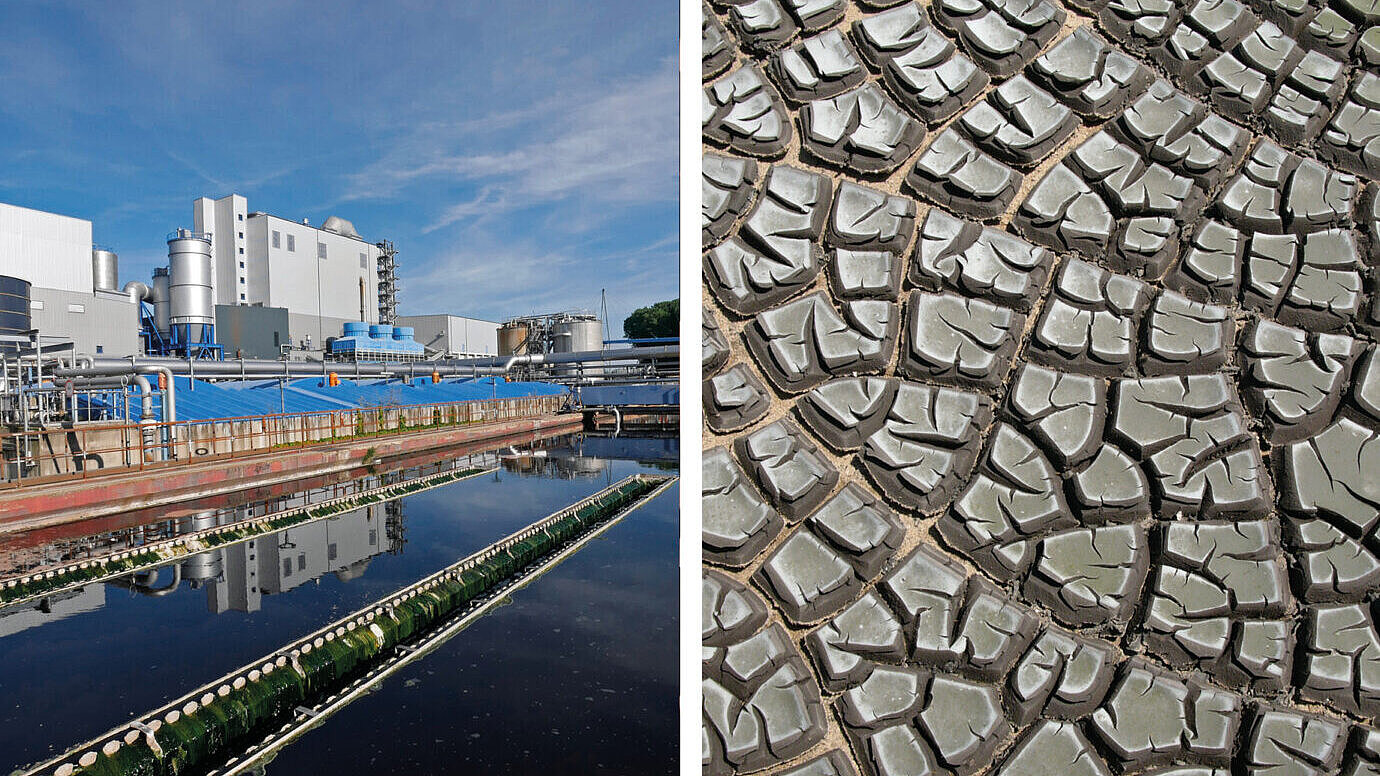
We end up with sludge from the wastewater treatment plant and sludge from production, half of which is dewatered using presses and half of which is incinerated. The other half goes to brickworks, which use it to produce building materials. So in a broader sense, sludge from the production of Steinbeis Papier can be found on and around a large number of buildings in the region.
What do you think about the theory that water is an infinite resource?
Perhaps one could say that water is an infinite resource. Water quality is much more important. Water is a huge part of the life cycle. Humans consist of around 70 per cent water. In the course of industrialisation, quality has deteriorated massively worldwide. Naturally, we should therefore use this resource carefully and sparingly in order to preserve this lifeline for ourselves and future generations.
Where do you see challenges with regard to possible water shortages in the future?
We need to think very fundamentally about how we reuse resources or use fewer of them. The same applies to water, of course. When planning housing developments, for example, we need to incorporate ideas such as no longer treating water at a distant sewage treatment plant, but rather integrating a constructed wetland within this system, for example. Firstly, liquid and solid components of the wastewater are separated. The liquids are reprocessed for household purposes and the solids are fed into the compost. There are already projects in Hamburg that I am following with interest.
What is your personal biography at Steinbeis?
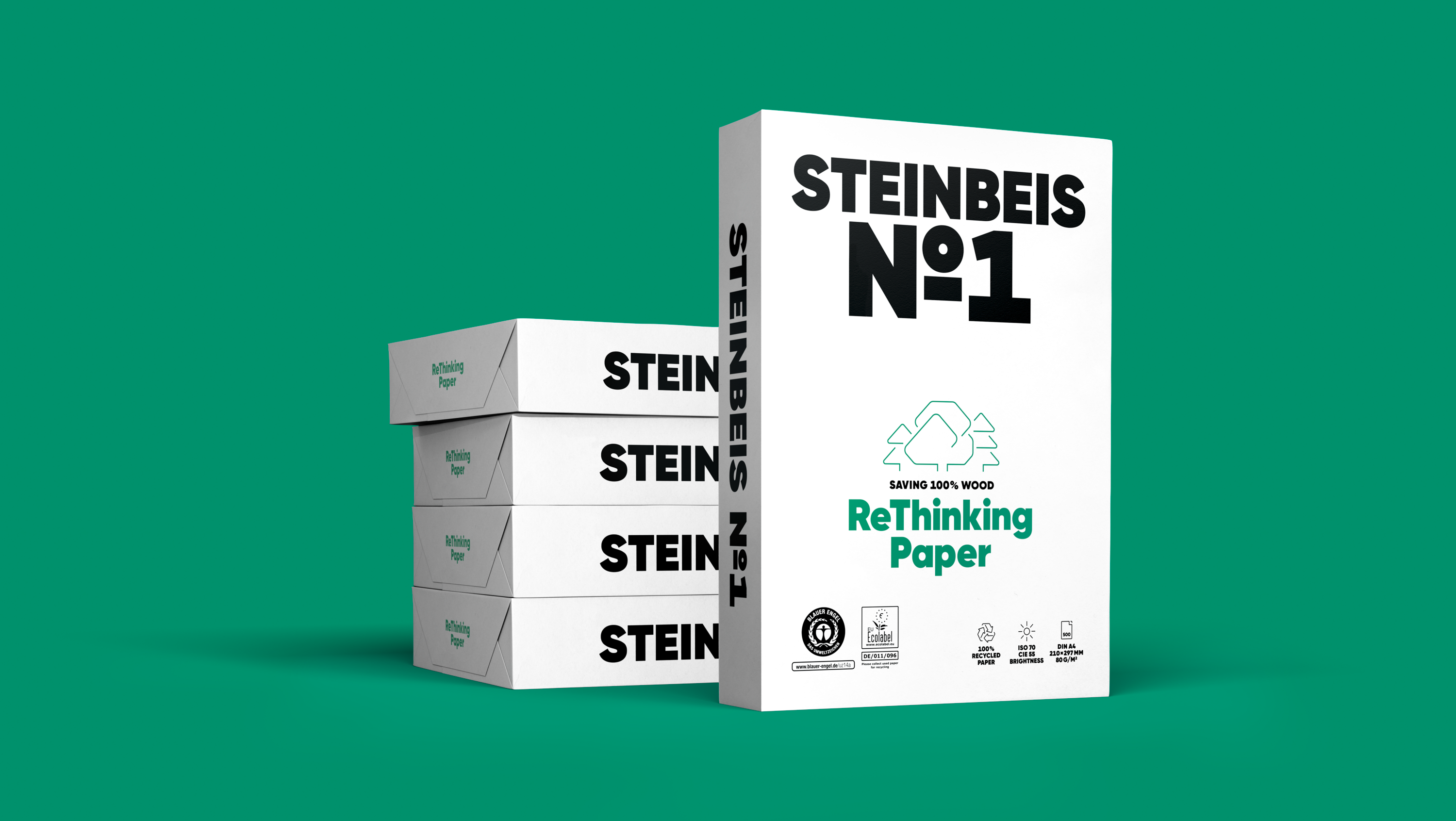
I was born in Thuringia and am a real child of reunification. I was lucky enough to be able to write my engineering thesis at Steinbeis Papier in 1991 and then start working in research and development. After various tasks and challenges at Steinbeis Papier and an excursion into another industry, I was able to establish myself as head of the wastewater treatment plant from 2013. I feel very close to Steinbeis, not only because of the many years of acquaintance with colleagues, but also because I can identify very well with the product - recycled paper, which is made from 100 per cent waste paper and has various environmental certificates. I can proudly report on this and claim to be part of this successful project. Last but not least, Steinbeis Papier has asserted itself on the market with its strategy and its products and leads the market throughout Europe.
Cover picture: Steinbeis Papier
Author

As a senior editor, Benjamin Seibring specialises in developing content on sustainability, mobility, technology and lifestyle. An editorial traineeship at a German media group and his many years of experience in corporate publishing form the basis. With a high affinity for trend topics and innovative AI tools, he implements cross-media storytelling.