The secret gold of the recycling centre: paper for recycling

05.06.2018 - Saturday morning 08:00 am. It's that time again. German households storm the collection centre of a Bavarian municipality with 11,000 inhabitants. Some have already neatly pre-sorted everything, while others dig the recyclables out of their tubs and containers and separate them on site. The container for paper, cardboard and newspapers is particularly popular. This is where all those who do not have a blue bin on their doorstep for their paper for recycling meet. But what is it? What flies into the paper container at high speed? Wallpaper, beverage carton, coffee-to-go cups. The bin attendant scolds the eager collector and calls him back. And rightly so! Because this and much more does not belong in the paper for recycling.
German households like to separate waste. The sustainable industry is pleased.
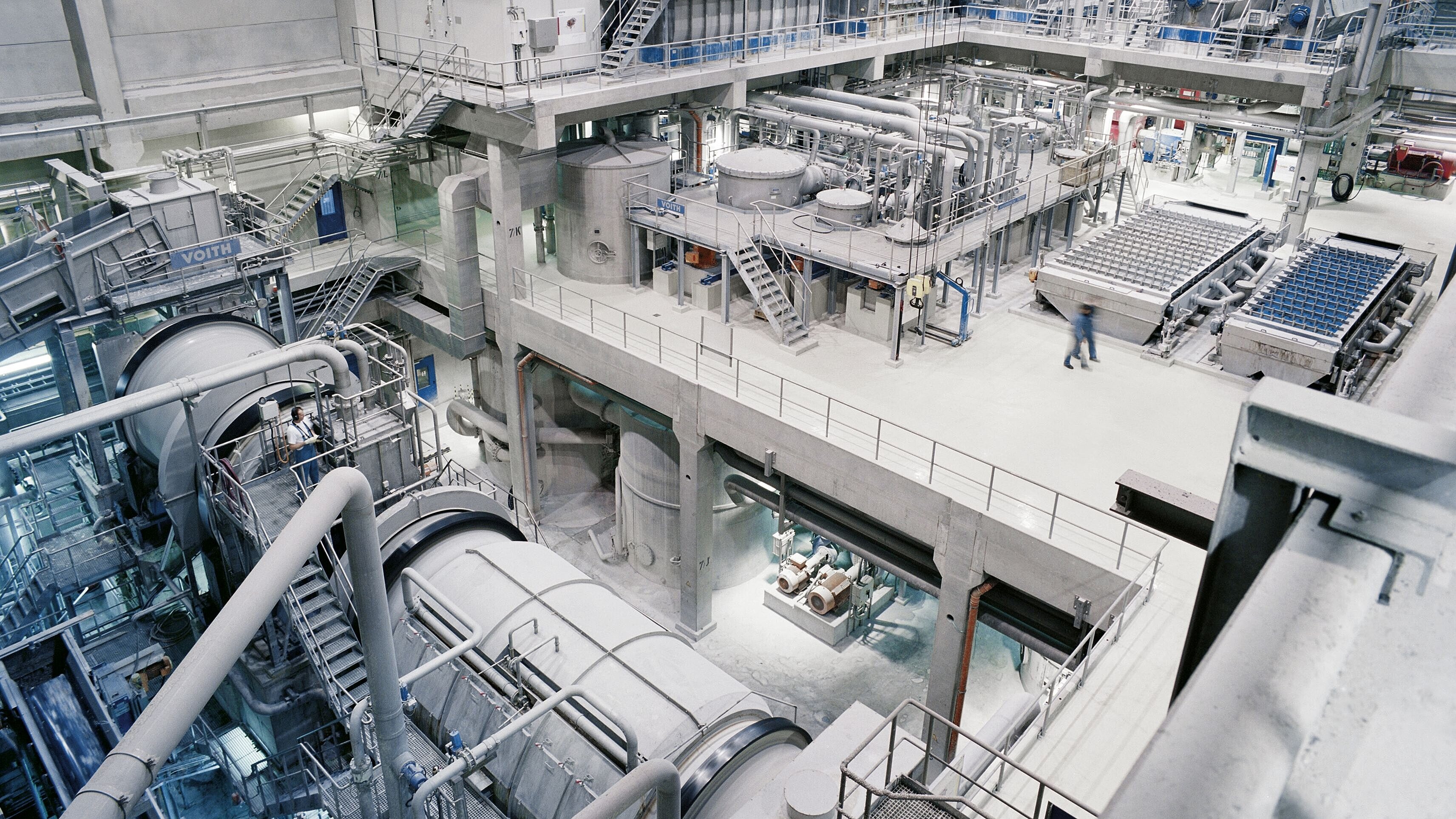
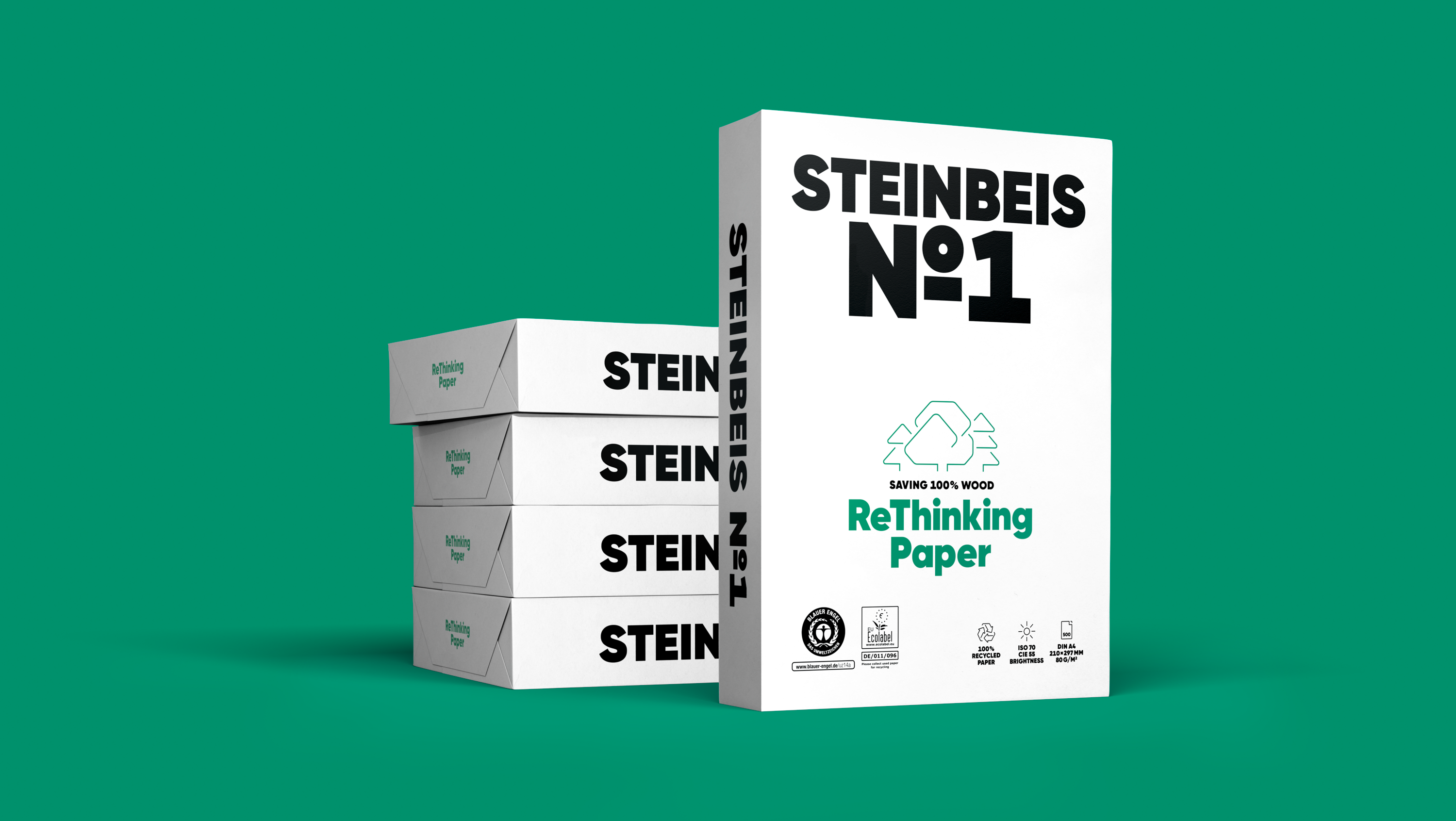
Waste separation is "in" in Germany. according to a survey by Statista, 74 per cent of German households separate their waste at home and on the go. 21 per cent dispose of their waste at home in accordance with regulations. And 4 per cent behave completely anti-cyclically - they ignore waste separation. Municipalities across Germany now provide their citizens with blue, yellow, brown and black bins or recycling collection points. This makes perfect ecological sense, as the separated waste is recycled. Keyword circular economy. From a technological point of view, recycling fulfils important criteria. It is a supplier of secondary raw materials, which the manufacturing industry urgently needs. This conserves natural resources. This in turn helps to reduce the ecological footprint. Raw materials obtained through the circular economy for the manufacture of new products extend the product life cycle. In this way, the contents of the blue bin or paper container are turned into new paper and cardboard, which is then returned to households. Steinbeis uses recovered paper as a secondary raw material and produces around 300,000 tonnes of new recycled paper for printers, copiers, magazines and flyers from around 330,000 tonnes of recovered paper every year. Ecologically designed recycled paper production, which follows the principles of sustainability and the circular economy across all value chains, also achieves important savings in resources (wood, water, energy) andCO2 emissions. It also protects the environment and contributes to the preservation of ecological diversity.
Steinbeis uses recovered paper as a secondary raw material and produces around 300,000 tonnes of new recycled paper for printers, copiers, magazines and flyers from around 330,000 tonnes of recovered paper every year.

A purity law also applies to paper for recycling. Only paper and cardboard belong in the blue bin.
What can go in the blue bin? Do you have to dispose of the plastic wrapping around the advertising leaflets separately? If you ask yourself this question, you will quickly become a "paper for recycling specialist". Newspapers, magazines, exercise books, books, packaging and office supplies made of paper and cardboard belong in the paper for recycling collection. Valuable raw materials should be treated with care. Not Anything that consumers think is paper does belong in the blue bin after use. Take reading material, for example. In the case of bound books, separating the cover and contents beforehand leads to faster processing in the paper for recycling sorting plant. Example of bubble wrap. Envelopes with bubble wrap, which are usually also coated, belong in the yellow bin, as paper and bubble wrap can only be separated from each other with great difficulty. Good for paper recycling - containers for breakfast eggs: Egg cartons without contamination can also be put in the blue bin - preferably without the sticker with the use-by date. Envelopes, even with windows - yes please. Today's modern recycling plants are equipped to handle advertising brochures packed in plastic sleeves so that the consumer does not have to dispose of them separately. Cardboard folders and their contents should be disposed of separately in the blue bin. This makes recycling easier. In principle, there are units in the sorting plants that separate out the metal components. Metal in file folders, ring binders or even staples and paper clips do not have to be removed in advance. File folders with a plastic coating naturally belong in the residual waste.
Ecologically designed recycled paper production, which follows the principles of sustainability and circular economy across all value chains, also achieves important savings in resources (wood, water, energy) and CO2 emissions.
ATTENTION CAFFEINE JUNKIES, WALLPAPER ARTISTS AND BEVERAGE CARTON USERS!
Coffee-to-go cups, bags of building materials, wallpaper, beverage carton - no thanks! This is not for the valuable industrial raw material "paper for recycling". Coffee-to-go cups and beverage carton are not suitable for recycling plants. It is virtually impossible to separate the plastic coating. Hence the rule of thumb: do not put anything with a coating in the paper for recycling collection. Coffee-to-go cups do not even belong in the yellow bin, but in the residual waste. Wallpaper also belongs in the residual waste, as the foreign components such as coatings, fibres and foams predominate. Handkerchiefs, unused and clean, can only theoretically be disposed of in paper for recycling. Unused is rarely the case. Basically, they are intended for absorbing liquids and in this contaminated state they belong in the residual waste and not in the paper for recycling.
CURIOUS CONTAMINANTS IN PAPER FOR RECYCLING
In addition to things that end up in the paper for recycling collection due to ignorance, there is unfortunately also waste that is deliberately thrown into the blue bin or the paper for recycling collection container. Private households and businesses sometimes dispose of waste that would otherwise have to be disposed of for a fee or where disposal is inconvenient. Here in Glückstadt, for example, we find many a curious contaminant in the paper for recycling: e-waste, building rubble, mufflers, air and oil filters, oil cans, paint buckets, disposable syringes, pet carcasses. These contaminants often cause damage to the sorting units and, among other things, jeopardise the health of the people working in the sorting plant.
A request to all minimalists - don't tear it up
Paper for recycling is generally not homogeneous. There are major differences depending on the collection system, bin or container, catchment area and population structure, as well as the time of year. However, one thing always applies: the content of the paper for recycling bin can be sorted better the less it has been torn up by consumers. So avoid tearing it up as much as possible. The waste disposal company that sorts the paper for recycling will thank you if it can turn your waste into a new, valuable raw material.
Cover photo: istockphoto
Author

Responsible for marketing, social media and e-business at Steinbeis Papier. Circular economy, recycling and biodiversity are the topics close to the heart of the graduate business economist. Enthusiastic blogger for the Steinbeis editorial team.