The house builder with sustainability standards
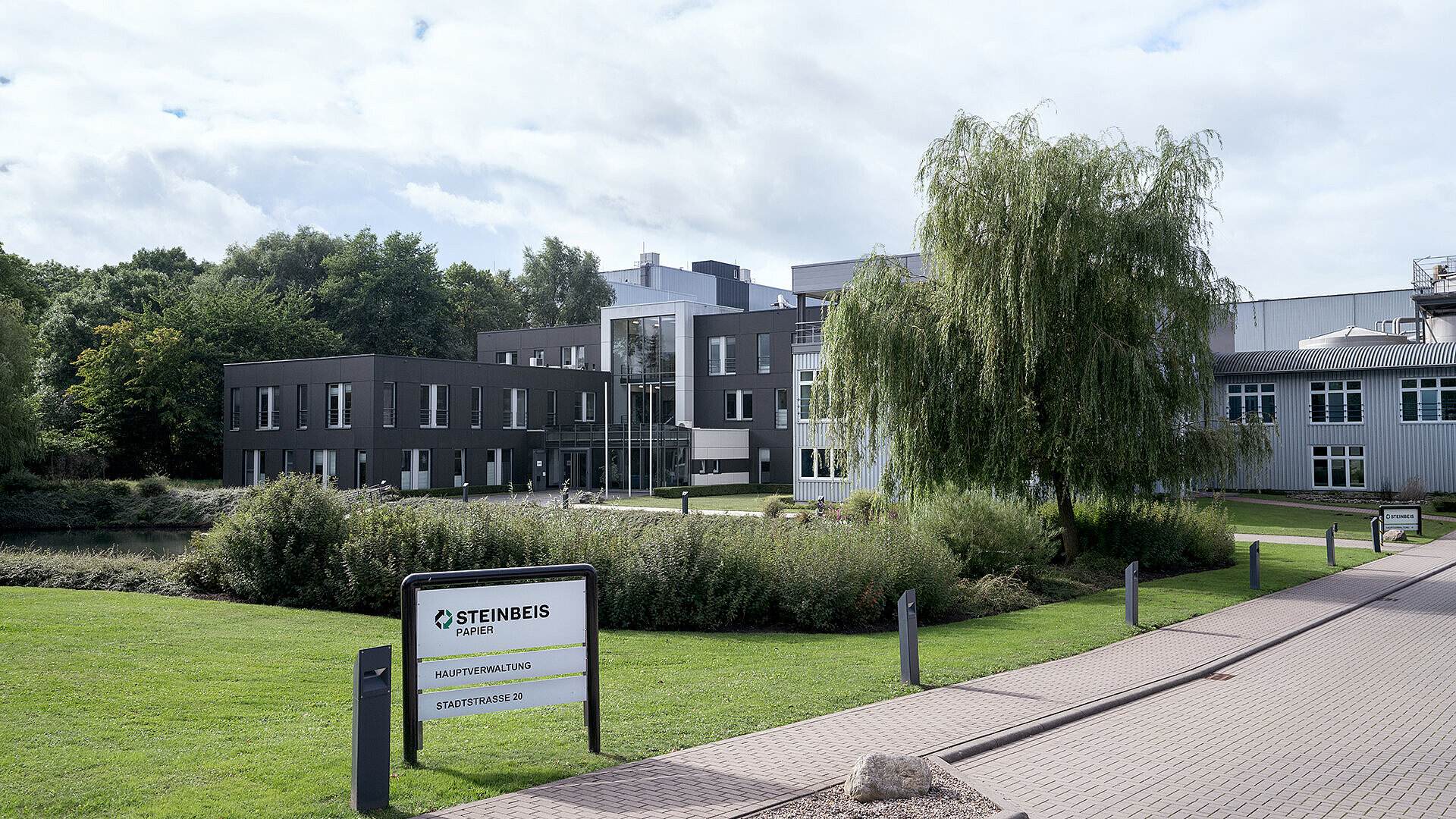
07.01.2020 - Mailin Rahna has been working for Steinbeis for almost ten years. However, the 30-year-old doesn't just live and breathe the concept of sustainability at the paper manufacturer in Glückstadt at work. Together with her partner, she fulfilled her dream of an ecologically sustainable house last year. In this interview, the Key Account Manager reveals not only her career at Steinbeis, but also what needs to be considered when planning and realising an alternative house construction.
How decisive was the ecologically sustainable orientation of Steinbeis in your choice of employer?
A company that is not only committed to sustainability, but also actively acts accordingly - that was an important reason for me to apply here. In addition to the ecological focus, the location also played a role. I come from the region and got a very good impression of Steinbeis at a careers fair.
What convinced you about Steinbeis from an ecological point of view?
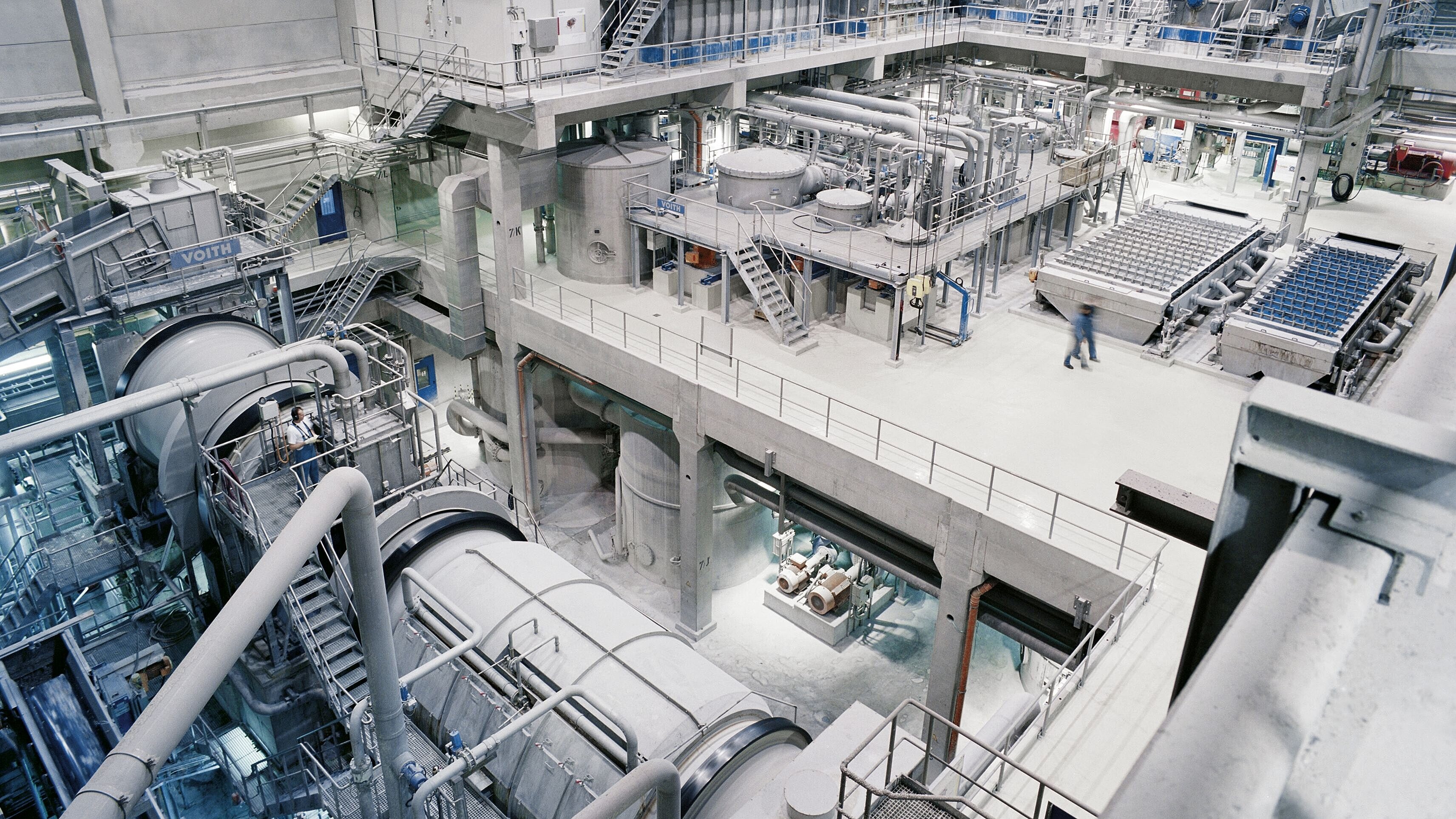
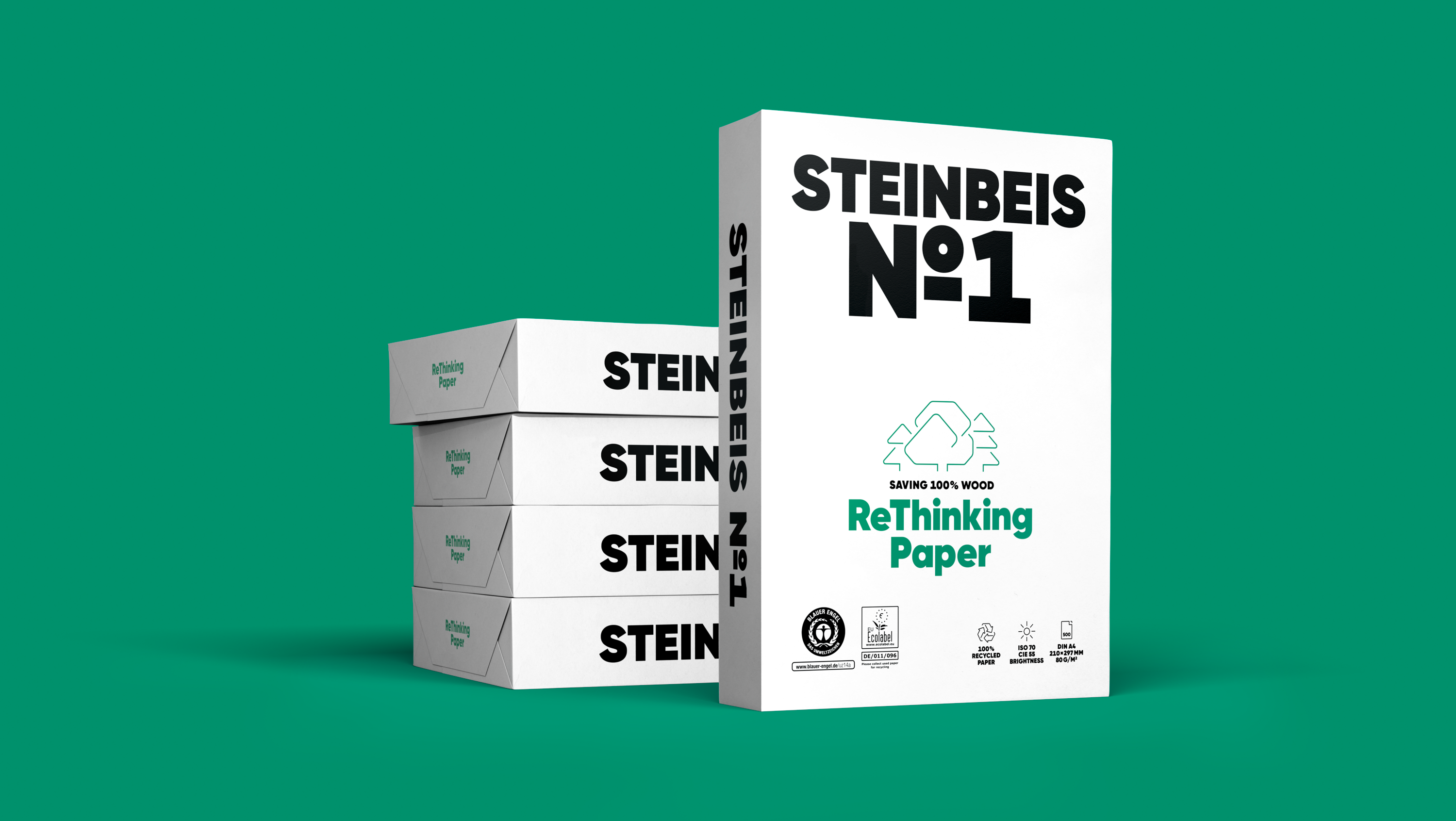
Steinbeis was the first company in the world to switch to 100 per cent recycled paper - back in 1976. Since then, a new high-quality product has been created in Glückstadt from waste paper. This saves valuable resources such as water and wood. In addition, CO2 emissions in the production cycle are relatively low. The company is doing a lot to make the planet a little bit greener and fairer.
What tasks are you responsible for at Steinbeis?
I work in sales in the office papers division and look after our end customers and distributors. My motivation is customer success. If I can convince them of our sustainable office paper - to switch from a virgin fibre paper to a recycled paper with the Blue Angel from Steinbeis.
What does your working day look like?
It's quite varied, as I mainly work in the field. I travel all over Germany for customer visits and trade fairs. I also welcome customers here in Glückstadt and organise factory tours. But there are also very classic office days when I make a lot of phone calls, prepare and follow up my visits and plan my next business trips.
How did it all start for you at Steinbeis?
I started a dual study programme at Steinbeis in August 2010. In spring 2014, I completed my Bachelor's degree in cooperation with the Nordakademie in nearby Elmshorn. During my studies, I realised that I definitely wanted to work in sales at Steinbeis. I initially started in internal sales and processed orders from magazine paper customers. In spring 2015, I was given the opportunity to switch to field sales and sales for our office papers.
Has Steinbeis also inspired you to adopt an environmentally sustainable lifestyle in your private life?
Sustainability in my private life is also, but not only, due to my work at Steinbeis. My partner and I both grew up in the countryside. We have family and friends with an agricultural background. That's where our awareness of an ecologically sound way of life comes from. This attitude also manifested itself in the planning and construction of our house.
So you also built ecologically and sustainably?
Yes, that was a matter close to our hearts for a project of this size. We did a lot of research and actually put more time into the planning than it ultimately took to build the house. It was to be a house for eternity. And it was clear from the outset that sustainable solutions would be used.
What options were there to choose from?
Basically, there are always more sustainable options. We could have opted for a passive house with even higher thermal insulation and without water-based heating. But then you're not as flexible when it comes to customising the design. For example, we deliberately opted for a thatched roof. That would not have been possible if we had chosen a passive house. And we always had to ask ourselves the cost-benefit question: How much money am I investing in the house? Does it fulfil the benefits that are important to me?
Solar energy and photovoltaics are also common options for alternative energy generation. However, these clashed with our desire for a thatched roof. Different insulation materials, window and door designs - there are many options and we really looked at all of them and then decided what was best for us. First and foremost, it was important to us not to use fossil fuels. So we quickly came up with geothermal energy.
And how does geothermal energy work?
A heat pump utilises the thermal energy stored in the earth and provides cosy warmth in our home. Although the purchase costs for a heat pump with a geothermal probe are relatively high and it consumes electricity, the system is operated completely CO2-free, incurs very low heating costs and is subsidised by the state. And in summer, the heat pump even cools our house via the heating system's water pipes.
Why did you decide in favour of a sustainable house in a classic country style?
It was always our dream to build a house with a thatched roof. It also blends in perfectly with the surroundings, which are characterised by thatched houses. Although this type of roof is considerably more expensive than a conventional one, it also offers many advantages: Firstly, a thatched roof has strong insulating properties and thus creates an ecological climate balance. It keeps you cool in summer and warm in winter. Contrary to popular misconception, a thatched roof lasts more than 40 years, which is as long as a conventional pantile roof. It is also made from a renewable raw material.
Are there big price differences between conventional and ecological building materials?
Thatch is definitely more expensive. I wouldn't say the same about hybrid building materials. For example, there are numerous different insulating materials such as wood fibre, cork or cellulose. We opted for classic mineral wool, which has been awarded the Blue Angel. This is a low-emission thermal insulation material that has been produced with low levels of harmful substances in excess of the legal requirements and is harmless to health. Energy consumption in production, transport routes and chemical additives cancel out the ecological added value of some materials. At first glance, the various components are perhaps not so cheap, but in the medium and long term they are very worthwhile - both in ecological and financial terms.
What advice would you give to others who decide to build a sustainable home?
You should inform yourself thoroughly about the various options and think carefully about what is important to you. Smart home components are also a way to save a lot of energy. We have electric shutters that open and close depending on the position of the sun and the room temperature. Electric thermostats that regulate the temperature as required. An active ventilation system with heat recovery ensures even greater heating efficiency. All these smart home features also help to make everyday life more relaxed.
How do you practise ecological sustainability in everyday life?
We live in the countryside, so travelling by car is unavoidable for us. However, we have good train connections to Hamburg and Kiel in the nearest small town, which we use regularly. We have significantly reduced our meat consumption and are focussing on quality and regionality. We avoid plastic wherever possible. And we only use household products that are certified with the Blue Angel. This habit is also due to the influence of Steinbeis.
What other environmentally sustainable projects do you want to implement?
Next up for us is garden planning. We want to make everything insect-friendly and, above all, plant native plants, as we live in a protected landscape area. The natural area was sealed off when the house was built. We are now keen to create a new habitat for flora and fauna.
Cover picture: Steinbeis Papier
Author

As a senior editor, Benjamin Seibring specialises in developing content on sustainability, mobility, technology and lifestyle. An editorial traineeship at a German media group and his many years of experience in corporate publishing form the basis. With a high affinity for trend topics and innovative AI tools, he implements cross-media storytelling.