Where Germany is wild again - a visit to the Hainich National Park

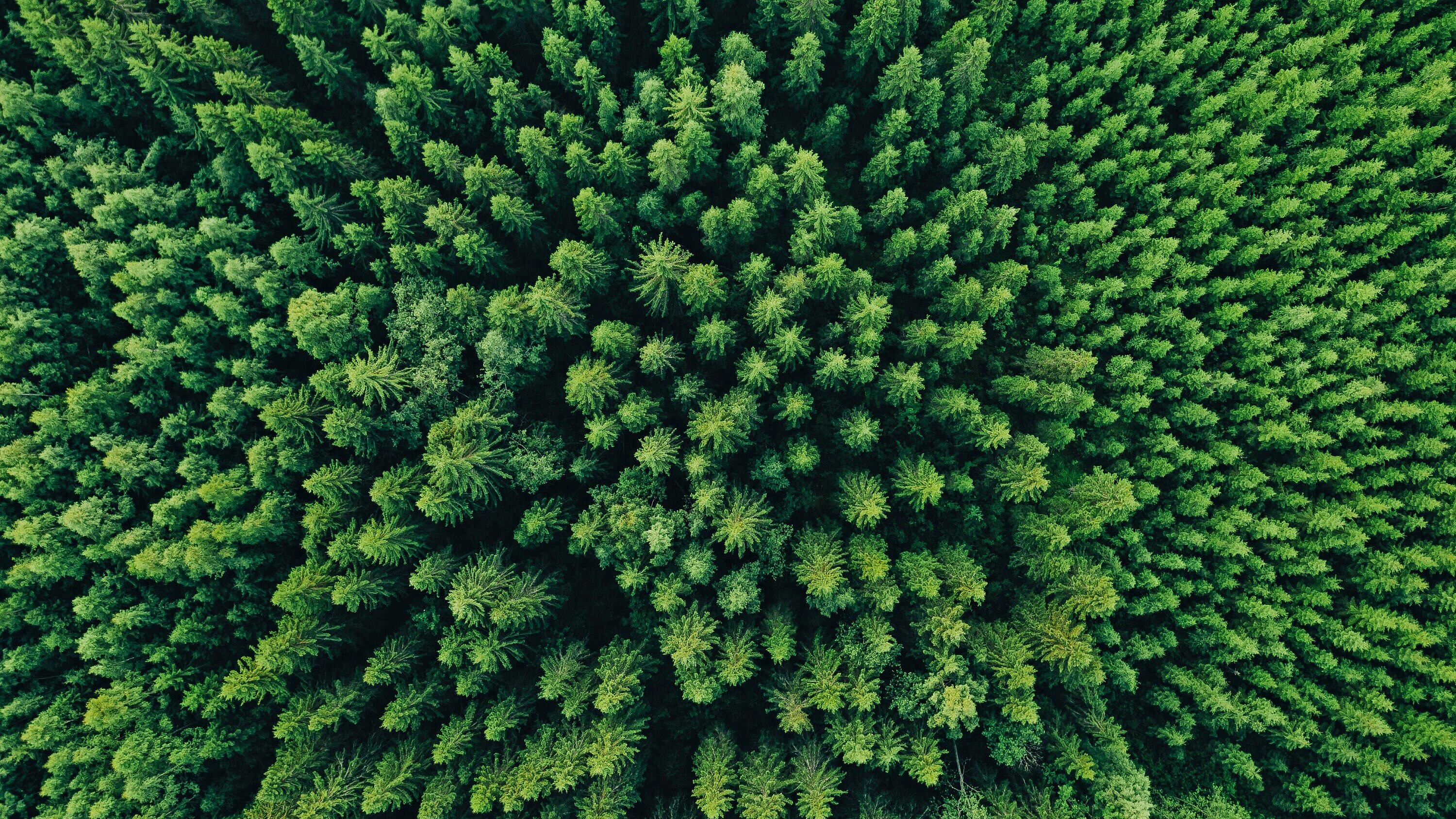
Imagine a forest that does not grow in rows according to forestry plans, but follows its own ancient laws. A place where fallen, moss-covered giant trees are not cleared away, but instead give rise to new life. A place where nature is simply allowed to be nature. What sounds like a distant fantasy is reality right in the green heart of Germany: in the Hainich National Park in Thuringia, the largest contiguous area of deciduous forest in our country. It symbolises the inestimable value of pristine forests in a world that is increasingly characterised by monocultures and plantations.
A primeval forest comes to life
The Hainich is more than just a forest - it is a promise. As part of the UNESCO World Heritage Site, it protects one of the last great beech forests on shell limestone, an ecosystem that once characterised large parts of Europe. For decades, the area was a restricted military zone and was thus spared from intensive utilisation - a stroke of luck for nature. Today, the motto here is: "Let nature be nature". Over 90 per cent of the area is not used for forestry. The result is a fascinating process in which a "primeval forest of tomorrow" is developing.
This "wild" concept means that nature is taking over. Deadwood, often perceived as a flaw in our tidy commercial forests, is the most valuable treasure here. It serves as the basis of life for thousands of species - from specialised beetles and fungi to birds that build their nests in tree hollows. It is a cycle of growth and decay that enriches the soil with nutrients and creates the basis for the next generation of trees.

A refuge for shy inhabitants
This undisturbed wilderness is home to an impressive variety of species. The secret heraldic animal of the national park is the European wildcat. Shy and reclusive, it finds ideal living conditions here. But it is by no means the only special feature. Fifteen species of bat, including the rare Bechstein's bat, hunt through the treetops at night, while seven species of woodpecker enliven the forests with their knocking. In spring, the forest floor is transformed into a sea of wild garlic, corydalis and wood anemones that tantalise the senses. It is estimated that around 10,000 different species of animals, plants and fungi live in the Hainich - a living archive of Central European flora and fauna. This impressive biodiversity is only possible because the forest is left to its own devices and is not regarded purely as a timber resource for industry. A complex ecosystem can unfold here that would hardly have a chance of survival in purely commercial forests.
Seeing the forest with different eyes
The special thing about the Hainich is that this wilderness is not only accessible to people, but can be experienced in a unique way. The centrepiece for many visitors is the treetop path. Over a length of more than 500 metres, it winds its way through the treetops of the beeches and oaks and opens up a perspective that is otherwise reserved for birds and squirrels. You walk through a cathedral of leaves, look out over the endless canopy and understand the dynamics of the forest in a whole new way.
If you want to see the shy wild cats, you have the opportunity to do so in the wild cat village of Hütscheroda. The animals can be observed in an extensive enclosure without disturbing them in their natural habitat. A well-developed network of hiking trails, from barrier-free adventure trails to challenging routes, invites you to explore the forest on your own and enjoy its tranquillity and energy.
An eye for the value of a forest
A visit to the Hainich National Park is more than just an excursion. It is an impressive reminder of what a real, living forest means - in contrast to purely commercial forests. This is not a monotonous plantation that is susceptible to pests or the increasing number of forest fires, but a complex ecosystem full of biodiversity that regulates and maintains itself. The Hainich raises awareness of the importance of protecting the world's forests and reminds us that we can all make a contribution by making conscious choices (for example, in favour of recycled paper). It shows that the true value of a forest lies not only in its timber, but in its existence as a resilient, living system that provides us humans with recreation, fascination and a deep connection to nature.
Cover picture: Johannes Hulsch / Hainich National Park
Author

Since his editorial traineeship in Hamburg, Jan Strahl has worked as a journalist, editor or author for almost every large and small publishing house in the city. He writes for consumer media and corporate publishing publications on art, fashion, lifestyle and knowledge topics.