The "big family character" is convincing
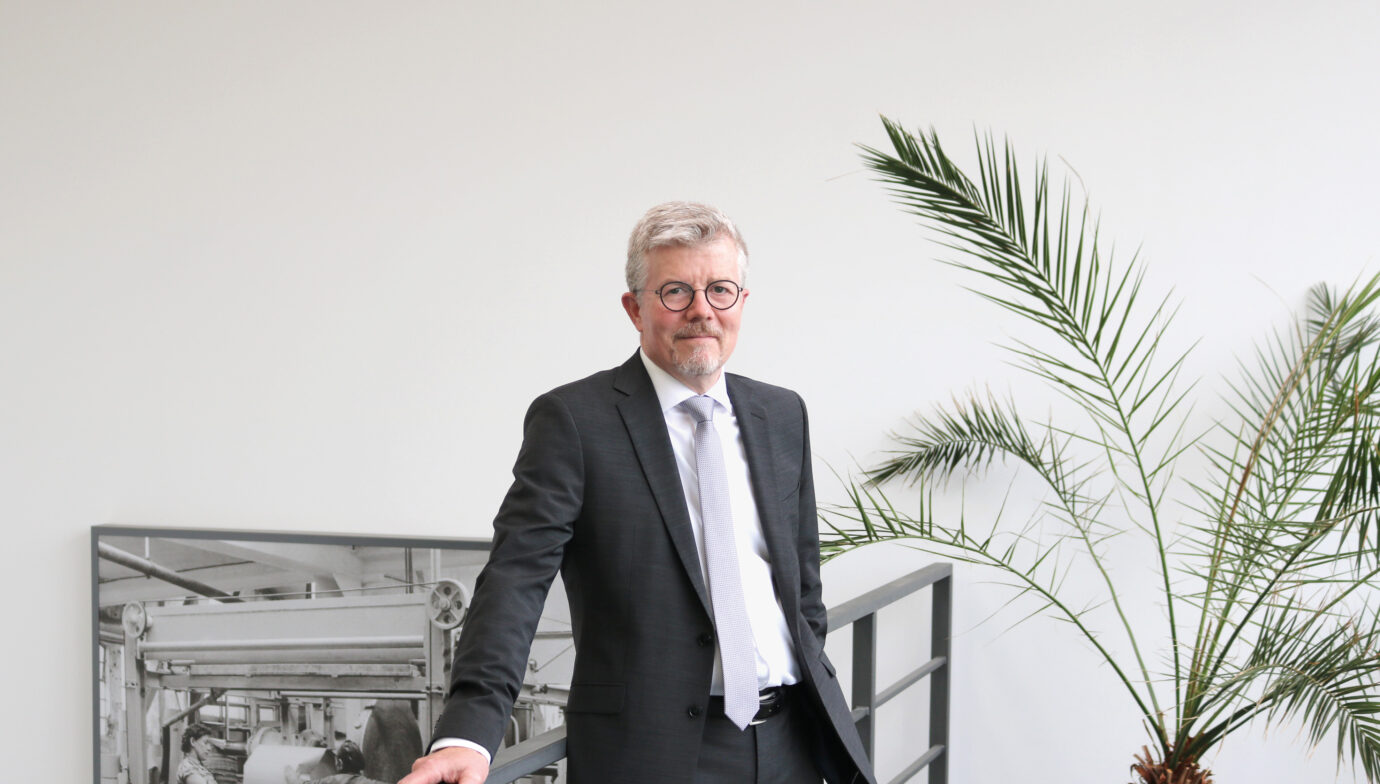
23.11.2021 - Steinbeis Papier is facing enormous challenges. Recovered paper as a resource is becoming increasingly scarce and expensive. Alternative substitutes, new methods for processing other qualities of waste paper and financing a sustainable future - these are all issues that Dr Markus Rudersdorf, the new Head of Finance, Accounting and Controlling at Steinbeis Papier, is grappling with. In this interview, the 55-year-old reveals why he chose a medium-sized family business as his new place of work and what agenda he is pursuing for the recycled paper manufacturer.
You have been part of the Steinbeis Papier team since summer 2021. What was the decisive factor in your decision to join the recycled paper manufacturer?
The decision to reorient myself professionally matured in 2018. In spring 2021, I realised that Steinbeis Papier was looking for a new Head of Finance, Accounting and Controlling. I then asked myself whether I could see any prospects for myself here. You have to realise that sustainability is not a fig leaf at Steinbeis Papier; sustainability is part of the corporate philosophy. That was the deciding factor for me to throw my hat into the ring.
You didn't come to Steinbeis Papier from outside the industry. What knowledge did you bring to your new job?
Steinbeis Papier sets a benchmark in terms of marketing and product placement. I've been very involved in the paper industry since 1996, which is where I moved to in 2011. I was already familiar with the company back then and was very aware of it.
What fascinates you about the concept of the circular economy resulting in sustainable recycled paper?
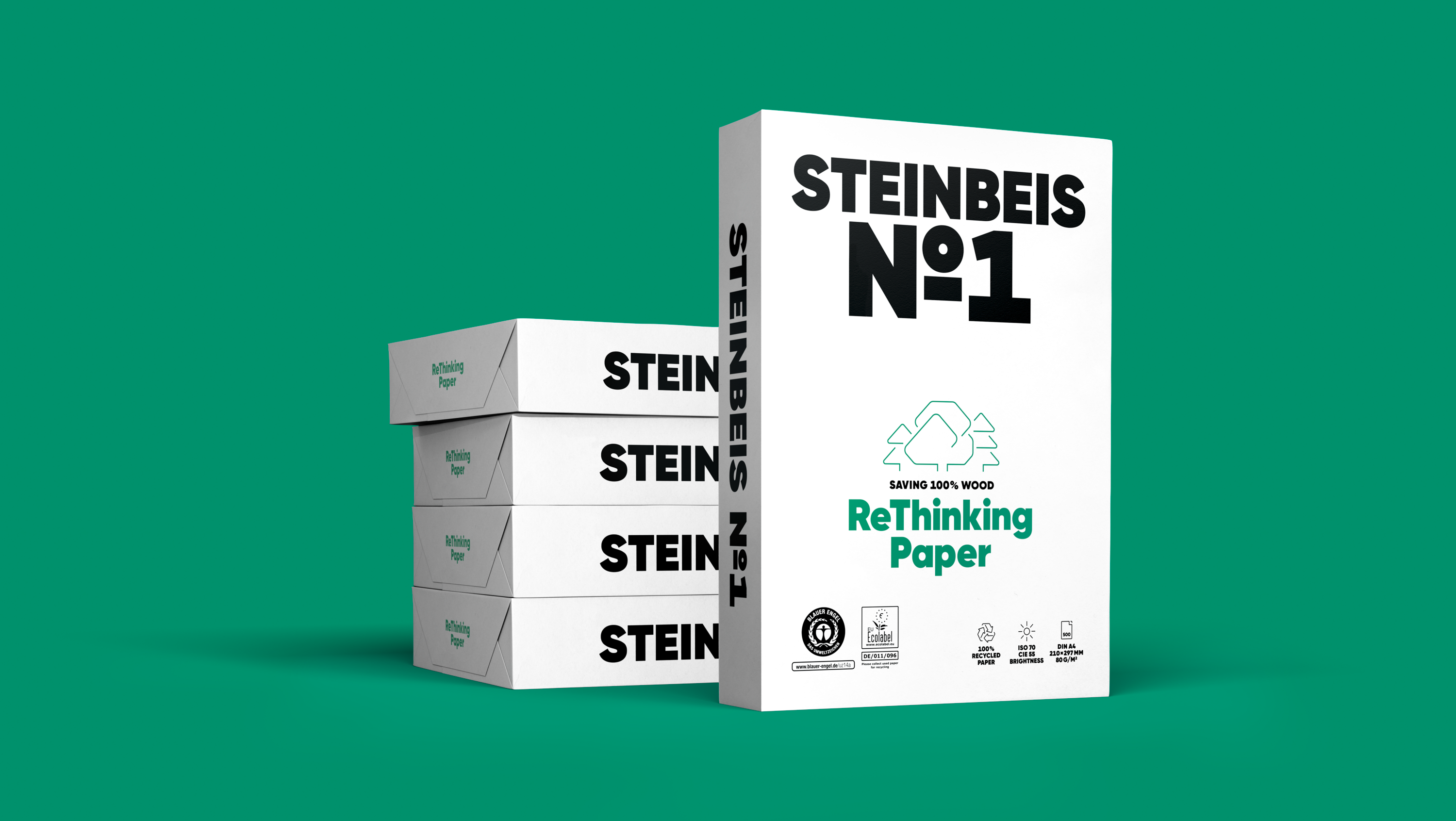
The high level of expertise in waste paper processing shows that products are manufactured here that can compete with virgin fibre products. Steinbeis Papier practices the circular economy as it should be and emphasises its market leadership with its outstanding products in the field of graphic printing and copying papers.
What are your first impressions of Steinbeis Papier so far?
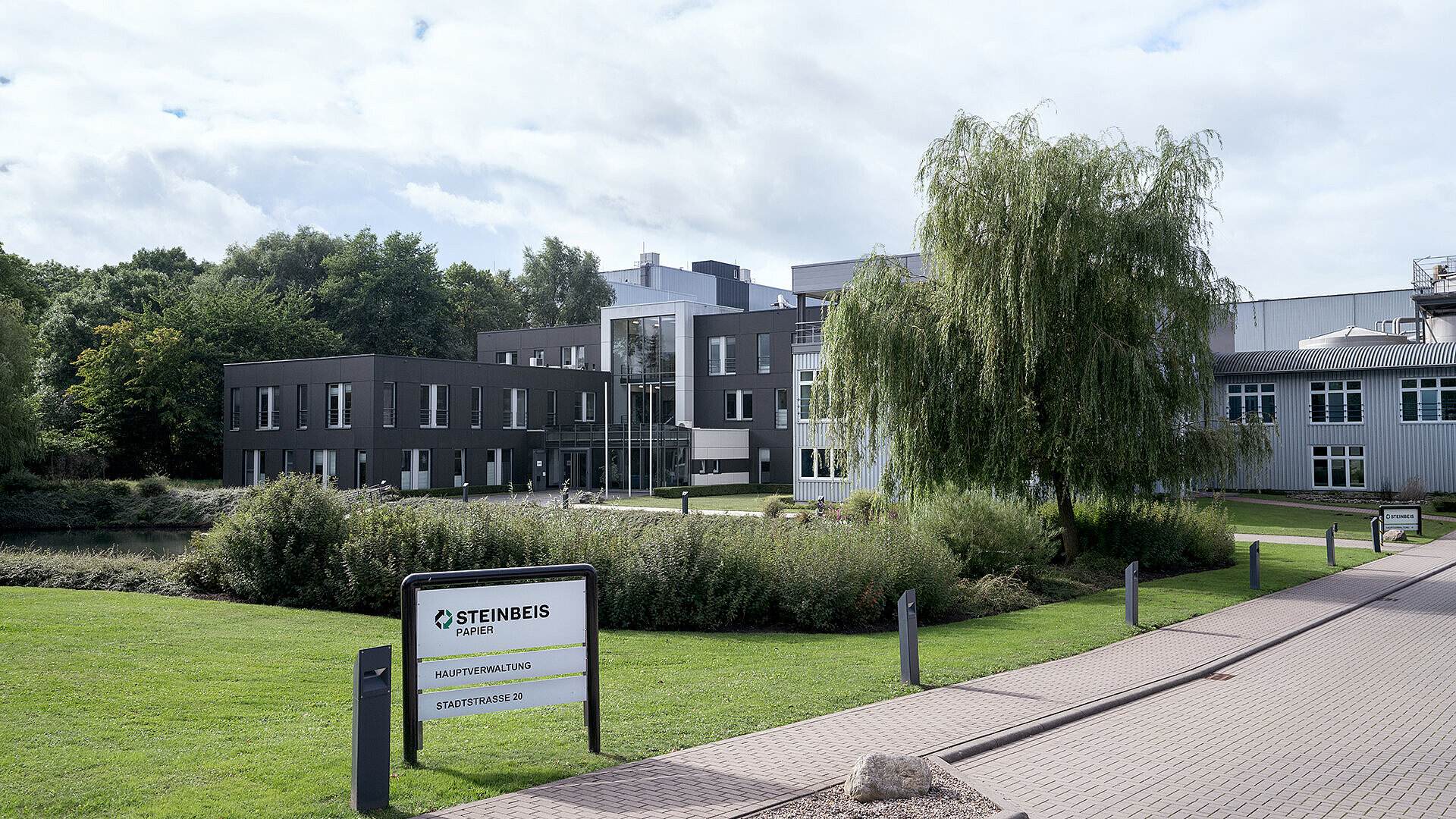
The big family character is clearly noticeable here at the Glückstadt site. It is particularly motivating that there is an enormous willingness to make decisions. There is a strong sense of identification with the concept of sustainability and the products. Employees are willing to take on responsibility. In addition, a culture of error is also permitted in order to initiate optimisation processes in open discussions. I find that very pleasant and positive.
Briefly describe your role at Steinbeis Papier.
First and foremost, our Finance and Controlling department - including myself and twelve employees - is characterised by a strong service focus. Financial Accounting is also the accounting centre for most of the companies in the Steinbeis Group. We prepare the relevant data so that business decisions can be made on this basis. We then provide the necessary liquidity and resources. In our work as an advisor, we are closely interlinked with other departments. That's why I'm mainly involved in coordination processes with the other department heads, for example from Production or Sales. There is also a constant dialogue with the management.
To what extent are new technologies combined with artificial intelligence already shaping your day-to-day work?
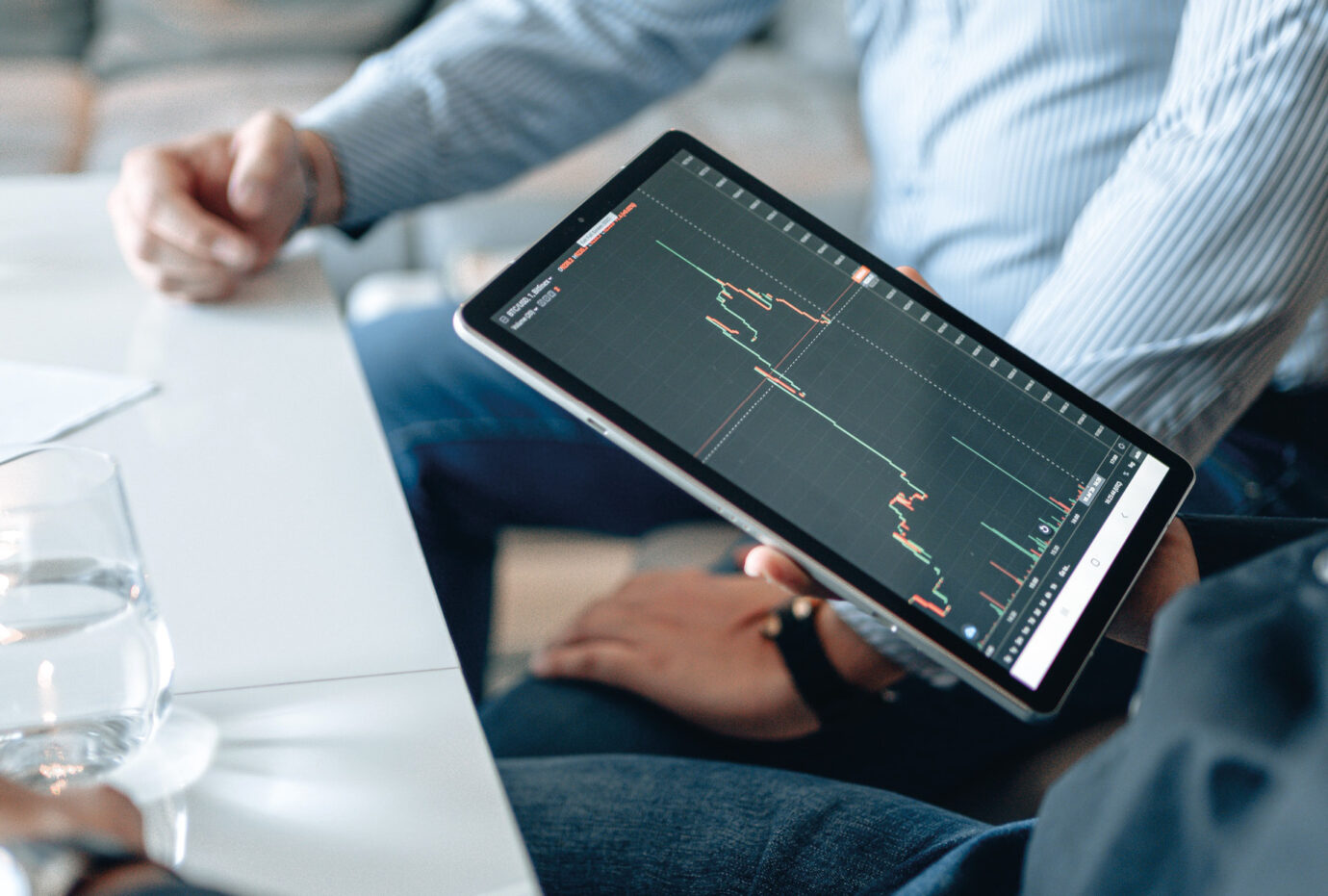
In the area of controlling, we receive a considerable flood of data every day. The challenge is how we can reduce these volumes of data in order to actually extract the data that is relevant for decision-making. That is precisely my job - to reduce complexity here. Now and in the future, we will adapt the technology design so that the amount of data can be filtered to suit the target group. AI will play a major role here.
What is the relationship between sustainability and cost-effectiveness?
Sustainability is not possible without profitability. At the end of the day, we are a commercial enterprise. We are in daily competition with producers of virgin fibre paper. And indeed, major customers such as magazine publishers also look at the price first. But more and more customers are asking for paper with our sustainability credentials. They want their products based on Steinbeis recycled paper to credibly convey their very own image of sustainability.
How do you see the challenges posed by the scarcity of resources for waste paper?
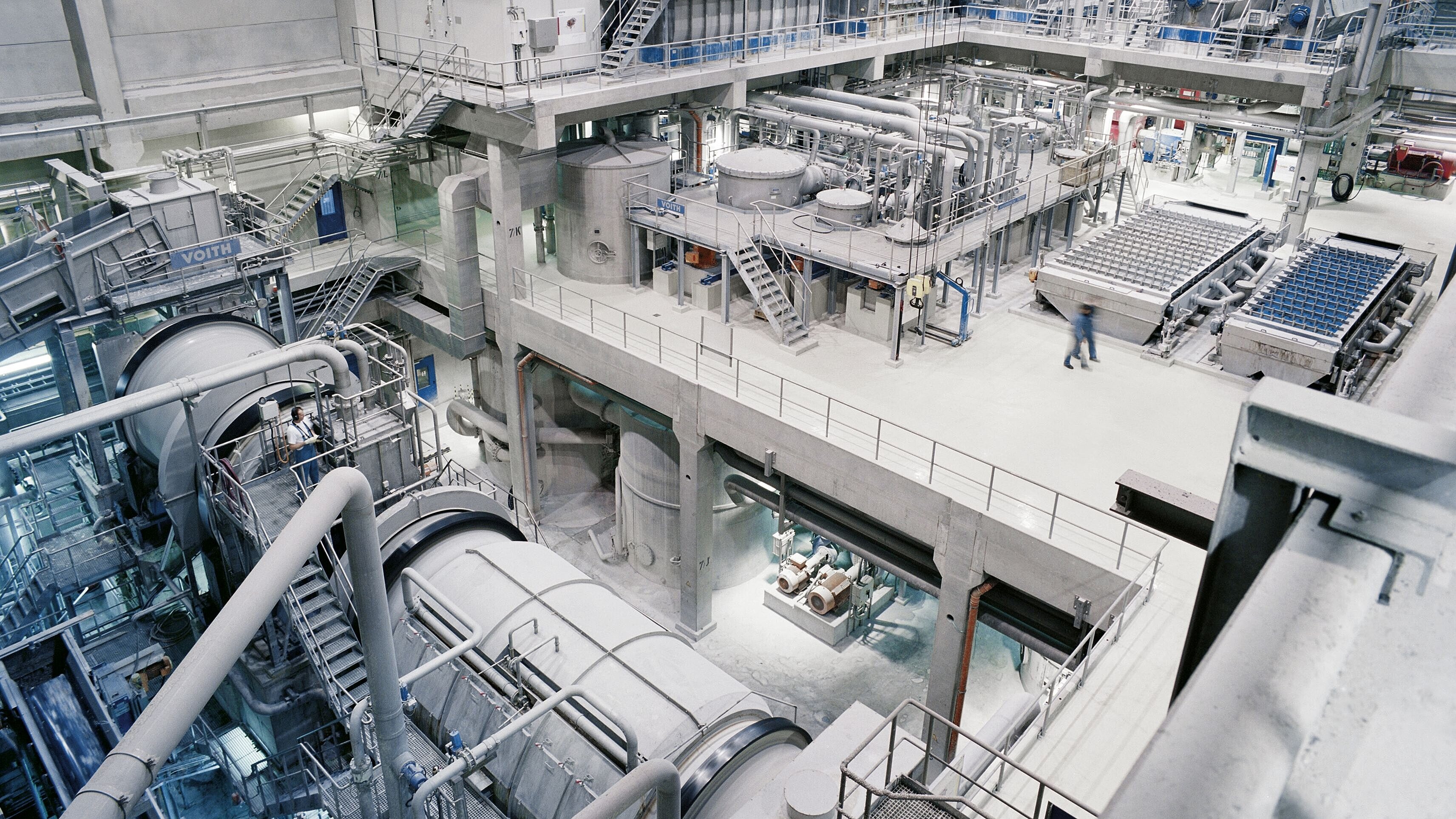
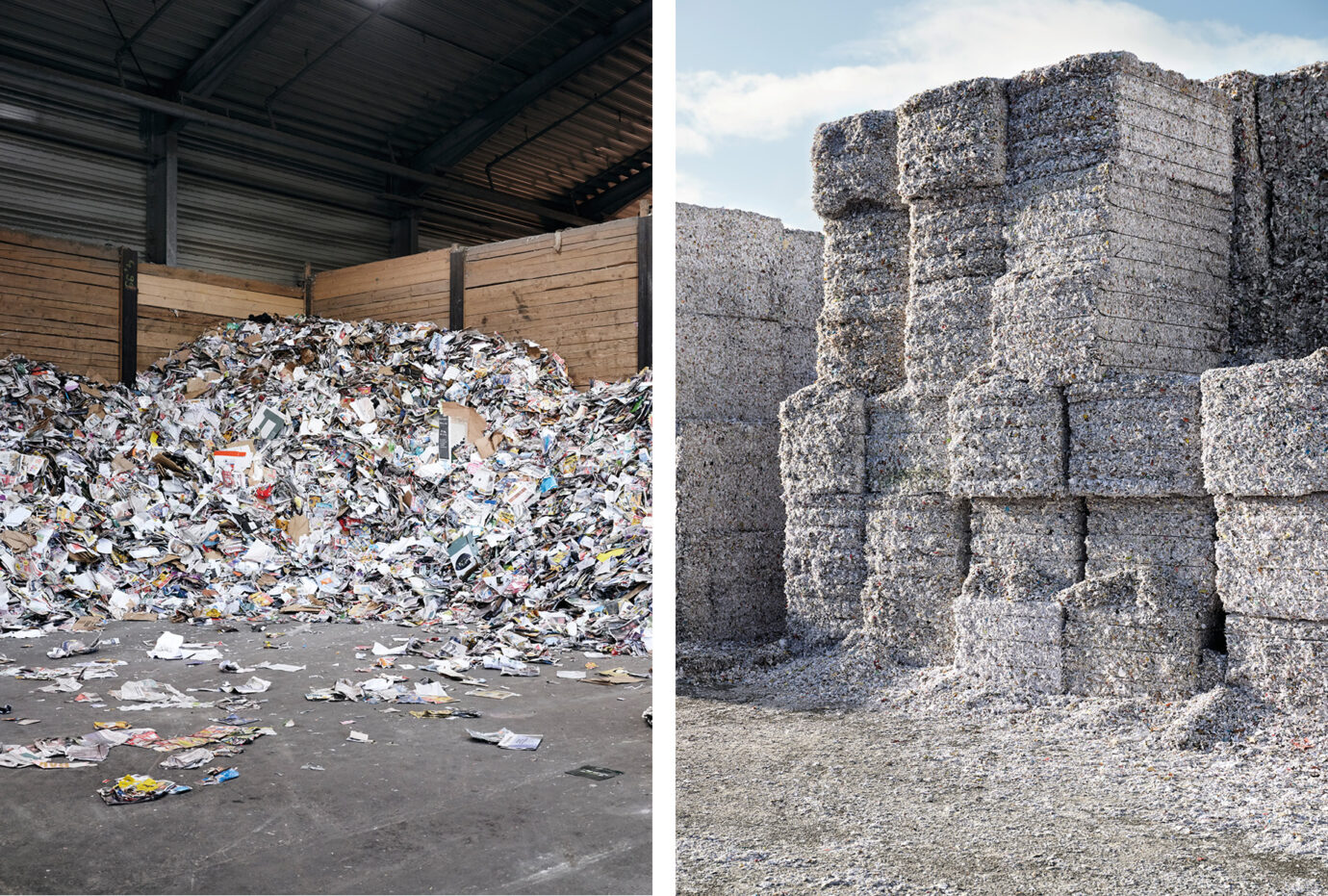
Recovered paper is currently being traded at prices that would have been unimaginable 18 months ago. And waste paper is a globally traded resource. In addition, the demand for graphic paper has been declining since around 2005, while the demand for brown packaging paper has risen sharply. This naturally means that the waste paper qualities we need are more difficult to obtain. In this respect, Steinbeis Papier is also investing in a new plant in order to be able to utilise other waste paper qualities for the production of white, graphic papers.
What is your agenda for Steinbeis Papier?
In accounting, the topic of digitalisation will continue. Sustainable investments in the Glückstadt site are also planned up to 2025. In Controlling, we want to establish shorter planning intervals. Sales price, sales volume, energy costs and waste paper costs - these are the value drivers that vary more and more and in ever shorter periods of time. We need to be able to develop scenarios quickly.
In which areas must Steinbeis Papier invest in order to remain competitive in the future and continue to set a benchmark in terms of sustainability?
As an energy-intensive industrial company, we are focussing on continuing to invest in renewable energies. In this way, we want to continue to fulfil our very own sustainability standards in the future. In the area of the downstream value chain, there are options starting with magazine papers that need to be further expanded. We also want to diversify more strongly with new products. We will therefore also be investing in the conversion and expansion of production here.
Is recycled paper still an economically successful model?
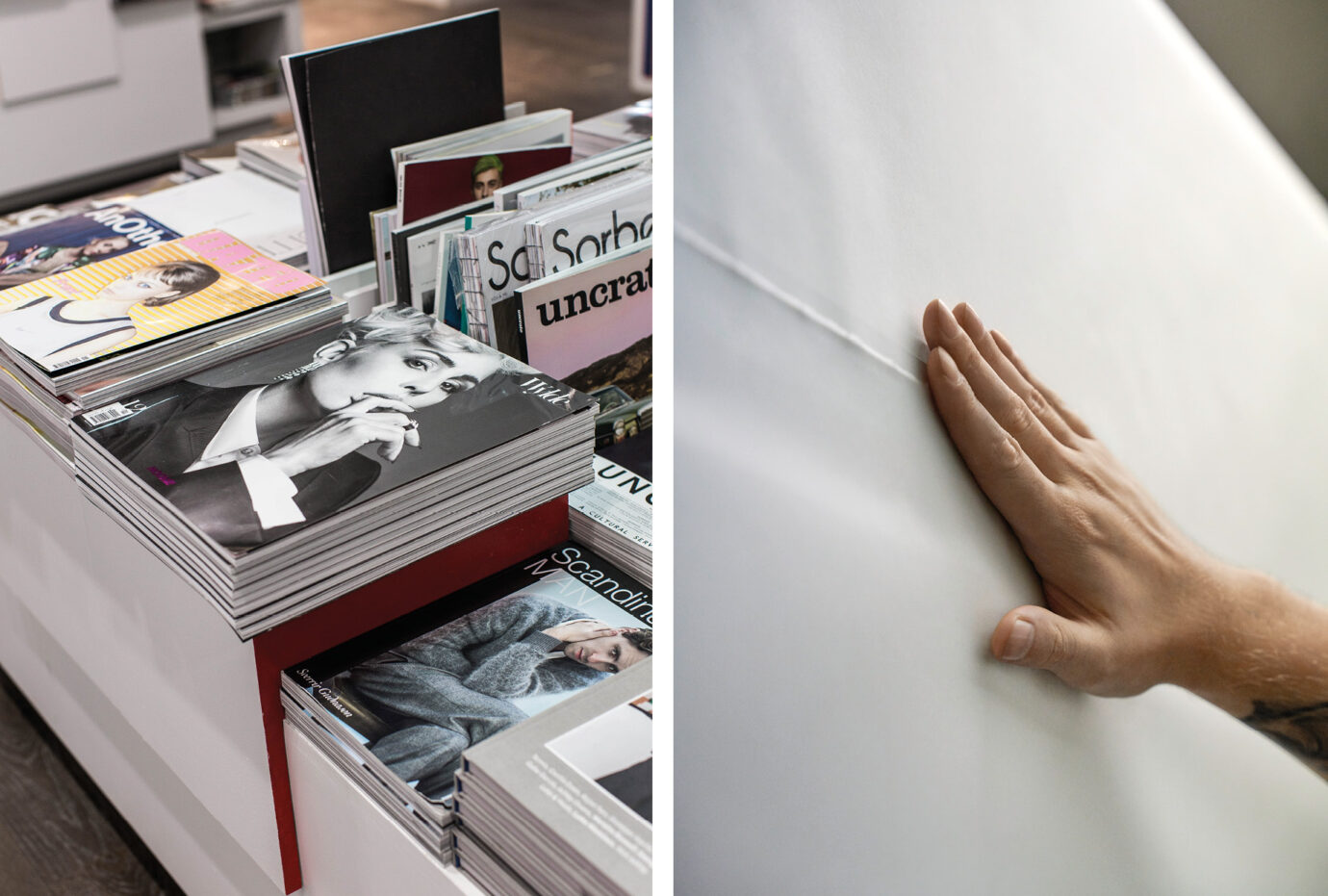
Absolutely. As long as there is paper-based advertising, the question of thecarbon footprint of the product used will become increasingly important. The success story of recycled paper continues, because the haptic experience of this product continues to inspire - across all generations.
Cover picture: Steinbeis Papier
Author

As a senior editor, Benjamin Seibring specialises in developing content on sustainability, mobility, technology and lifestyle. An editorial traineeship at a German media group and his many years of experience in corporate publishing form the basis. With a high affinity for trend topics and innovative AI tools, he implements cross-media storytelling.