Sustainable perennial favourites
22.11.2020 - When the days get shorter and the nights get longer, we cosy up at home. This conscious pause is particularly important in turbulent times. During the ongoing pandemic, these mindful moments serve to recharge our batteries for what is to come. It can mean different things to different people, but one thing almost symbolises the oft-cited hygge: candlelight. A survey published by Statista in 2017 shows that candles have a firm place in our sense of well-being. Other lights - whether indoors or outdoors - follow a long way behind on the popularity scale.¹ It is therefore hardly surprising that German per capita consumption of 2.6 kilograms per year is twice as high as the EU average.² How sustainable - and healthy³ - a candle is depends above all on what it was made from, because not all wax is good for our environment.
Mood killer: paraffin wax
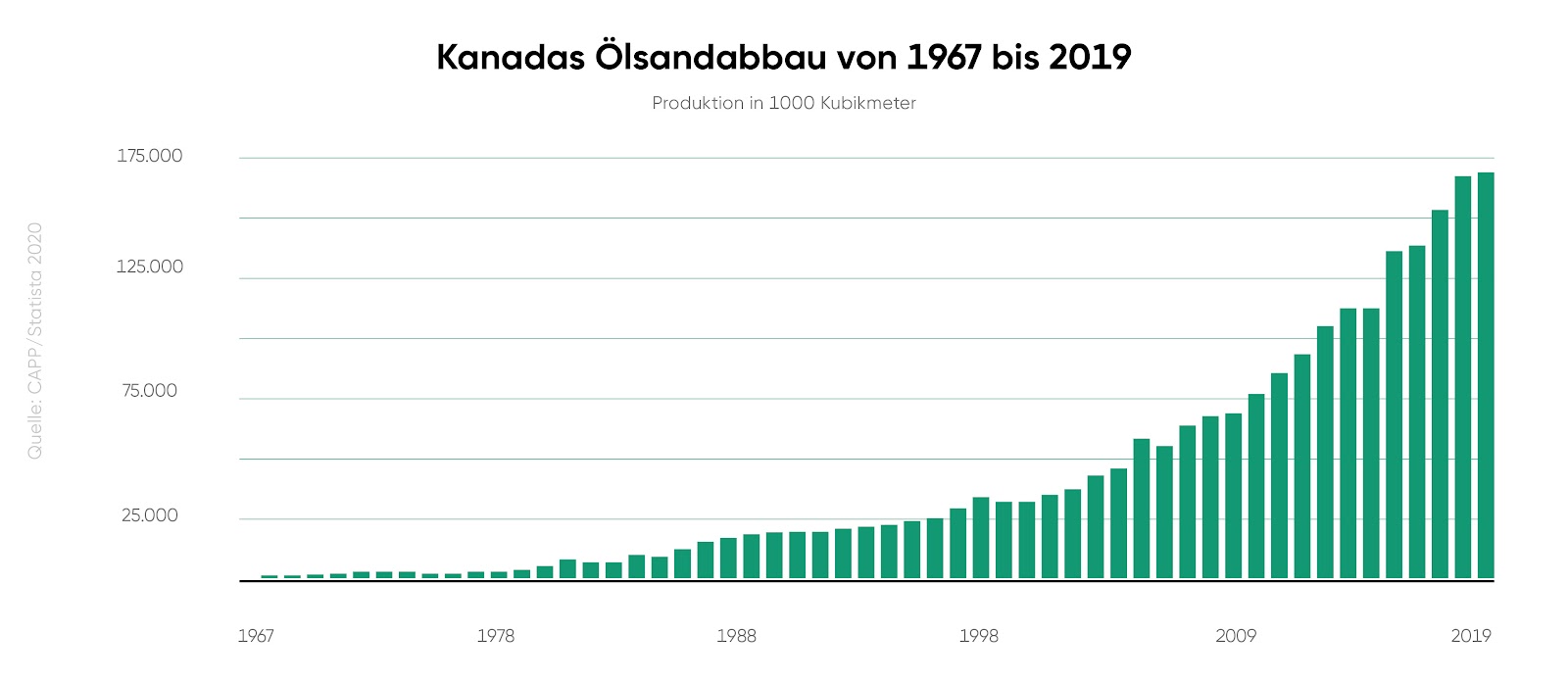
Paraffin wax - a by-product of crude oil production - is used most frequently in candle production in Europe. Crude oil is still the most important source of energy worldwide. Global oil production has risen continuously over the last fifty years - to a peak of around 15 billion litres per day in 2019.⁴ Crude oil pollutes the environment from exploration to extraction, processing, transport and consumption. And it is not clear how long the world's oil reserves will last.⁵ One thing is certain, however: oil is a finite resource. The oil industry is already reaching for anything that contains oil. It is penetrating ever more remote regions and is not even stopping at so-called unconventional deposits. The oil reserves stored here can only be extracted with great technical effort and in some cases with extremely negative consequences for the environment.⁶ In addition, there are oil disasters such as tanker accidents, which have an enormous impact on our environment and destroy the habitats of many animals. This is why phasing out oil is so important - even when it comes to something as supposedly trivial as a candle.
Wolf in sheep's clothing: stearin
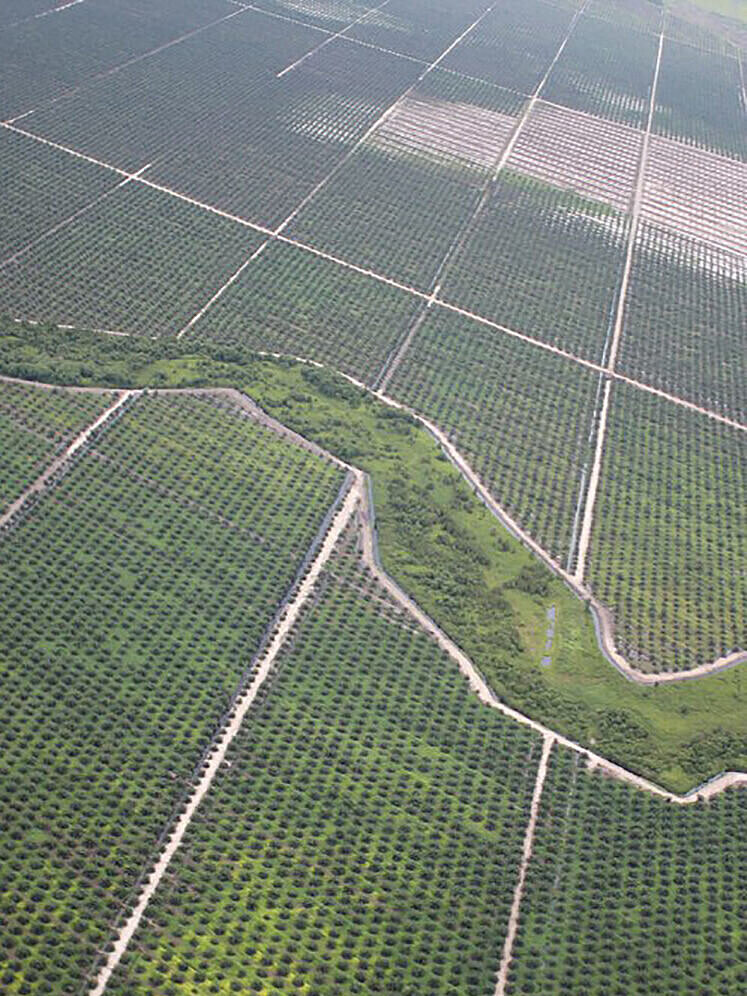
Stearin candles consist of between 80 and 100 per cent palm or coconut oil. Although stearin is therefore basically biodegradable, it is problematic from an ecological point of view. Rainforest has to be cleared to make room for oil palm plantations. Huge industrial oil palm monocultures are already spreading across some 27 million hectares of equatorial rainforest around the world - an area the size of New Zealand. These monocultures are destroying the native flora and fauna and robbing us of the green lungs of our planet, as the rainforest in particular binds a lot of CO₂ and produces oxygen.⁸
For the sustainable production of palm oil, it is particularly important that cultivation areas are not created at the expense of the environment. Corresponding developments can be seen in the industry, but the necessary transparency for consumers to recognise the black sheep is not necessarily in place. As early as 2016, company surveys conducted by Stiftung Warentest revealed that some producers in Germany already use RSPO palm oil (Roundtable on Sustainable Palm Oil) to a greater or lesser extent in candle production.⁹ However, it is still often not possible to recognise from the candle label where the palm oil comes from and to what extent attention has been paid to sustainable cultivation methods.10
To date, there is no obligation to declare the ingredients of candles. If at all, there is an indication that the ingredients are of particularly high quality11 - however, this can hardly be perceived as a sign of transparency. In marketing, many things are labelled as high quality.
In addition to palm oil, stearin candles can also contain animal fats such as beef tallow - a waste product of the food industry. Anyone who thinks this is a sustainable deal is ignoring the now undeniably documented impact of factory farming on the environment. According to the Food and Agriculture Organisation of the United Nations (FAO), so-called farm animals are responsible for 14.5 percent of human-induced greenhouse gas emissions.12 This means that livestock farming emits around half of all food-related greenhouse gases,13 as the global food system as a whole contributes to around 30 percent of human-induced emissions.14 The 20 largest meat and dairy companies worldwide are responsible for more greenhouse gas emissions than the whole of Germany.15
Fragrant alternative: beeswax
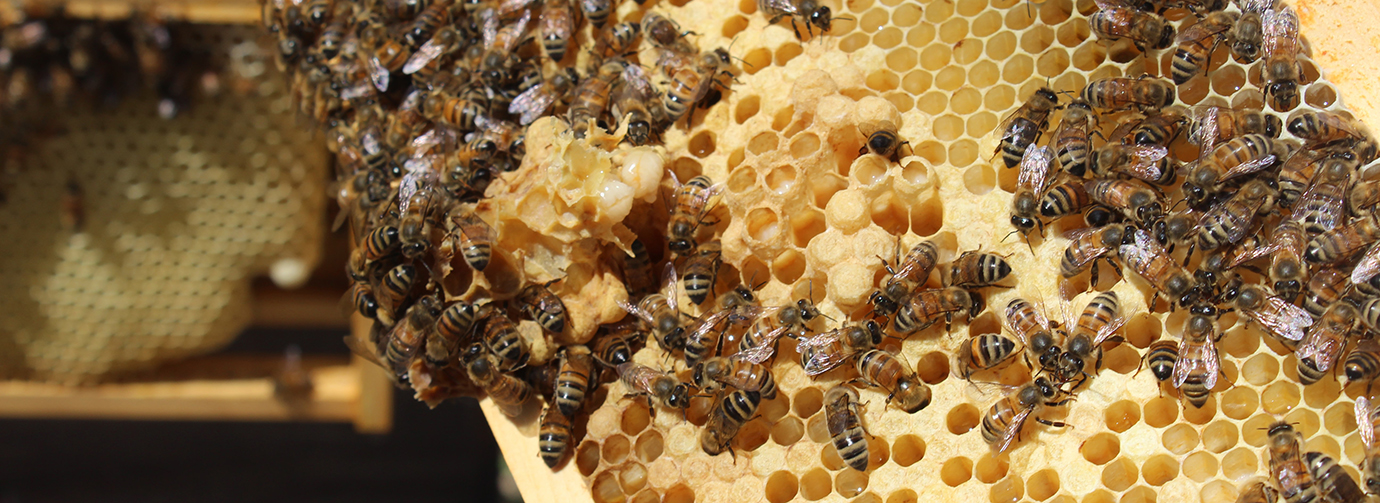
Beeswax is produced by worker bees, which secrete it through glands and use it to build their honeycombs. The beeswax in the hive gets its familiar colour and scent from the honey and pollen. In apiaries, honeycombs that are getting on in years are melted down and cleaned of dirt particles. This heating process produces pure beeswax again. The beekeeper can use this raw material to build new honeycombs or mould candles, for example. However, for every kilo of beeswax, a bee colony must produce for at least one year.16 Based on German consumption, that would be 2.5 bee colonies per inhabitant. This is of course not possible. And even if we tried to import the corresponding quantities, the CO₂ emissions from transport would ruin the positive climate balance. Candles made from beeswax can therefore be an alternative to stearin and paraffin candles in terms of their eco-balance - especially if the wax comes from a regional organic beekeeping operation - but the current demand could not be met.
The eco-winner: vegetable oil
The vegan alternative to beeswax is produced from soya bean oil by hydrogenation. Similar to margarine production, the soya oil is pressed under high pressure and at high temperature to form a wax-like mass.18 Soya is not without controversy as a raw material: In the last sixty years, production has increased more than tenfold from 27 million tonnes to 360 million tonnes. Worldwide, 80 per cent of soya beans come from the USA, Brazil or Argentina. The conversion of forest and savannah areas into arable land means that unique habitats for plants and animals are being lost, fertile soil is being destroyed and water is being contaminated. But these arable areas are not created for tofu and soya candles. 80 per cent of the coveted beans are processed into meal, which then ends up as animal feed in intensive livestock farming - including in Germany.19
Soya wax candles are biodegradable, are made from a renewable raw material and have a longer burning time on average than conventional candles due to their higher melting point. Another argument in favour of soy wax is that it burns almost soot-free.20 However, for the positive ecological balance to be fully effective, the soybeans must come from organic and GMO-free cultivation - ideally from Europe. A new alternative is candles made from rapeseed oil, whose often shorter transport routes even beat soya candles in terms of eco-balance.21
Recycling to melt away
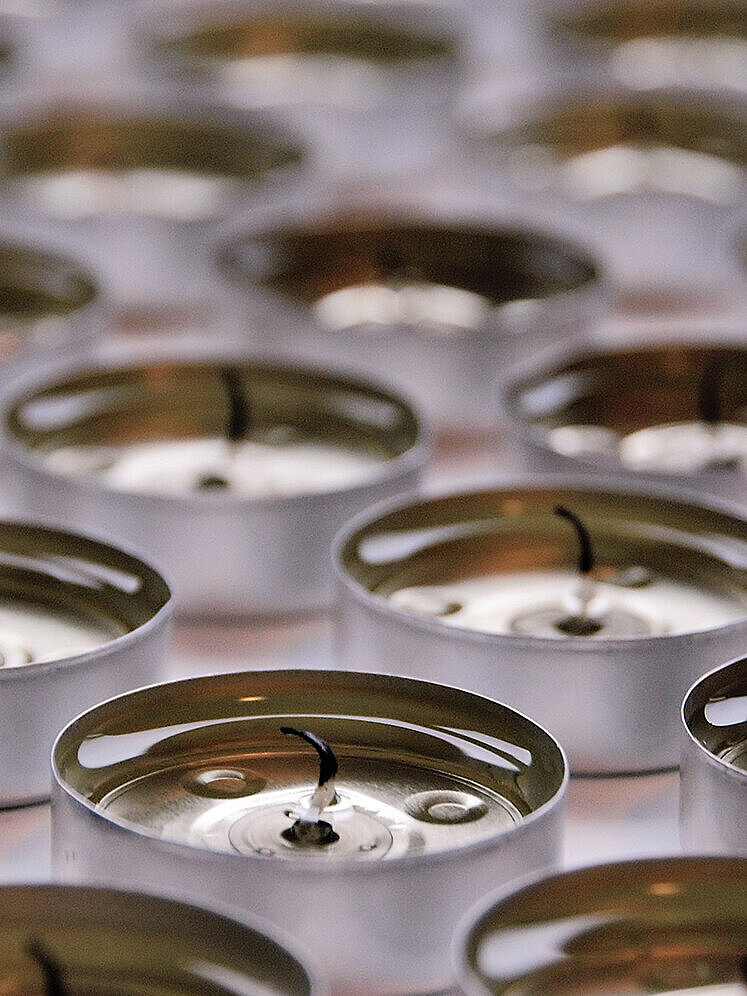
No matter which candle you choose - the most sustainable option is always to use up or recycle what you already have. Candles in particular are ideal for the latter. Simply collect the leftover wax and melt it into a new candle. You can use old cups or screw-top jars as containers, for example. Candle wicks or cotton yarn are available in well-stocked craft shops.
We can forget everyday life in the warm glow of candlelight. But the responsibility lies with us not to forget the ecological footprint we have carefully cultivated during the rest of the year. Because let's be honest: candles are luxury items. This perhaps raises the question of whether we want to act unsustainably. After all, burning candles can produce soot particles that are not necessary. This is why quality plays a special role with candles. The RAL Quality Mark for Candles provides an indication of this. This is intended to guarantee that candles do not visibly smoke or soot, burn completely and do not contain any harmful substances such as PAHs (polycyclic aromatic hydrocarbons), heavy metals, sulphur or problematic fragrances. Limits are also set for nickel and lead, which candles bearing the seal must not exceed.22 Also pay attention to the ingredients. Avoid paraffin and stearin and opt for quality from regional production instead of quantity, then nothing stands in the way of sustainable candle enjoyment.
Cover picture: Siora Photography/Unsplash
Sources:
- Statista survey: What do we decorate with in Germany at Christmas time?
- World: Candles always work
- Massoudi, R. and Hamidi, A: Some Candles Emit Hazardous Materials for Human Health and are Indoor Air Pollutants, Int. Journal of Tropical Disease & Health (July 2017)
- Statista survey: Oil production in 1,000 barrels per day
- Focus: Energy myths
- The First: Arctic
- Greenpeace: Oil sands
- Rainforest: Palm oil
- Utopia: RSPO -what's behind it
- Centrum3: The effects of monocultural oil palm cultivation in South-East Asia
- Quarks: How sustainable can candles be?
- Gerber, P.: Tackling climate change through livestock: a global assessment of emissions and mitigation opportunities. FAO (Rome 2013)
- Vermeulen, S. J. et al. (2012): Climate Change and Food Systems. Annual Review of Environment and Resources 37, p. 195-222
- Herrero, M., B. Henderson, P. Havlík, et al. (2016): Greenhouse gas mitigation potentials in the livestock sector. Nature Clim. Change. 6, p. 452-461
- Heinrich Böll Foundation, GRAIN & Institute for Agriculture & Trade Policy (2017): Big Meat and Dairy's supersized Climate Footprint
- Depending on the beekeeping method
- Further information can be found at Beekeeping is not bee protection
- Chemistry: Soya wax
- WWF: Soya as animal feed
- Lilligreen: Candles made from soya wax
- BR: Expert tips from the Environmental Commissioner
- Ral-C
Author

Valerie Bachert is a journalist, chief of staff and sustainability officer. She is interested in the areas of organic farming, conscious consumption, species extinction, social injustice and sustainable nutrition.