Steinbeis in times of Corona
21.04.2020 - The coronavirus has Germany firmly in its grip. With the number of cases steadily rising, companies are asking themselves how they can protect their employees from infection. In this interview, Achim Biston, Head of Central Human Resources and General Administration at Steinbeis, explains what measures have been taken and the challenges involved.
Mr Biston, these are challenging times for everyone. How are you experiencing the coronavirus pandemic?
Of course, it's blatant to what extent our entire lives are being dominated by restrictions. My children in particular are feeling the effects. They live in an apartment block in the city. However, I think these measures are completely appropriate and correct. As hard as it is, if this is the only way to get this virus under control, then we have to get through it.
Professionally, I experience new situations every day during the coronavirus pandemic for which there is no pattern, no template. For example, if the girlfriend of a colleague's son's girlfriend has tested positive - does the colleague have to stay at home? It is then my responsibility to assess the situation correctly: Does the colleague have to go into quarantine, or is the risk so minimal that it's OK for them to come to work? These situations are manifold. It requires maximum concentration and is sometimes quite stressful.
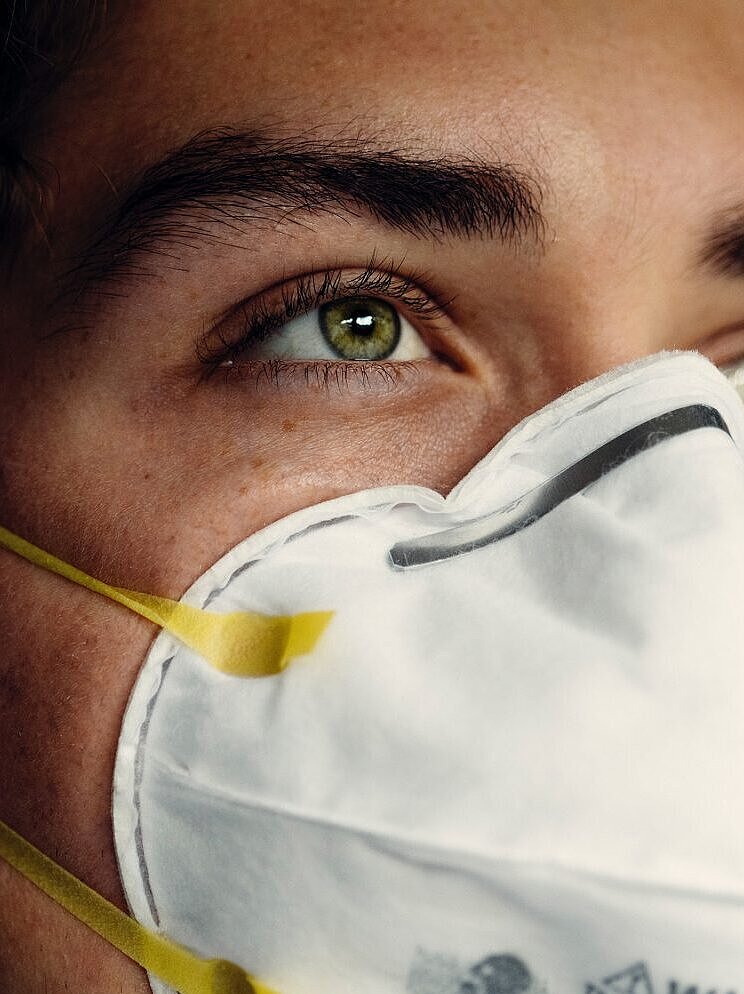
Anyone visiting the Steinbeis plant is normally welcomed at reception. What is the current procedure?
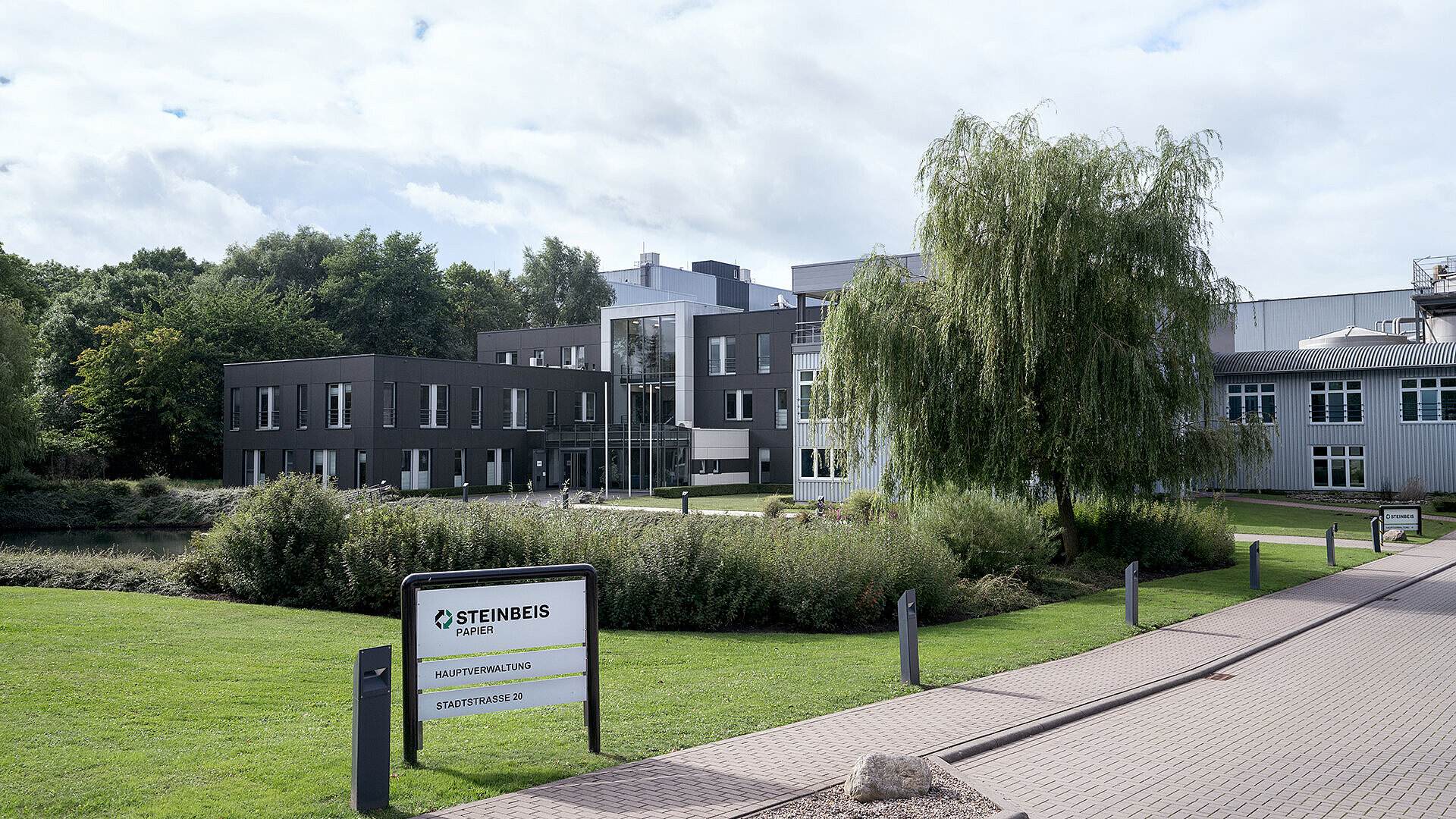
We have imposed a ban on visitors in order to reduce the general level of activity in the building and therefore also in the reception area. To protect the reception area, we have placed distance markings on the floor in front of the reception desk and are wearing gloves to minimise the risk of infection when accepting deliveries. There are also two disinfection islands in the reception area that every employee can - and should - use when entering the building.
From 23 January, entire cities in China went into lockdown. When did the coronavirus officially become an issue for Steinbeis?
Personally, I first recognised the epidemic as a threat at the end of January. Around the same time, our Managing Director contacted me and asked for an assessment of whether and to what extent the epidemic could also become a problem for us. Together, we tried to assess the risk as realistically as possible. This also included finding out whether any of our employees had already fallen ill. Of course, this is not so easy when symptoms resemble those of a normal cold - especially in the winter months, when coughs, colds and sore throats are nothing out of the ordinary among the workforce. One indication is whether an employee has been in contact with an infected person in the recent past. Once we had ruled out this option as far as possible, it was time to weigh up what protective measures were and still are necessary for the health and safety of the workforce.
Especially in times of fake news, we wanted to inform all employees promptly about the latest developments. That's why the first employee information was published the very next day. It described important hygiene and behavioural rules to prevent infection as well as our measures to protect against the coronavirus. We are continuously monitoring developments, reviewing adjustments to the current situation and updating the workforce.
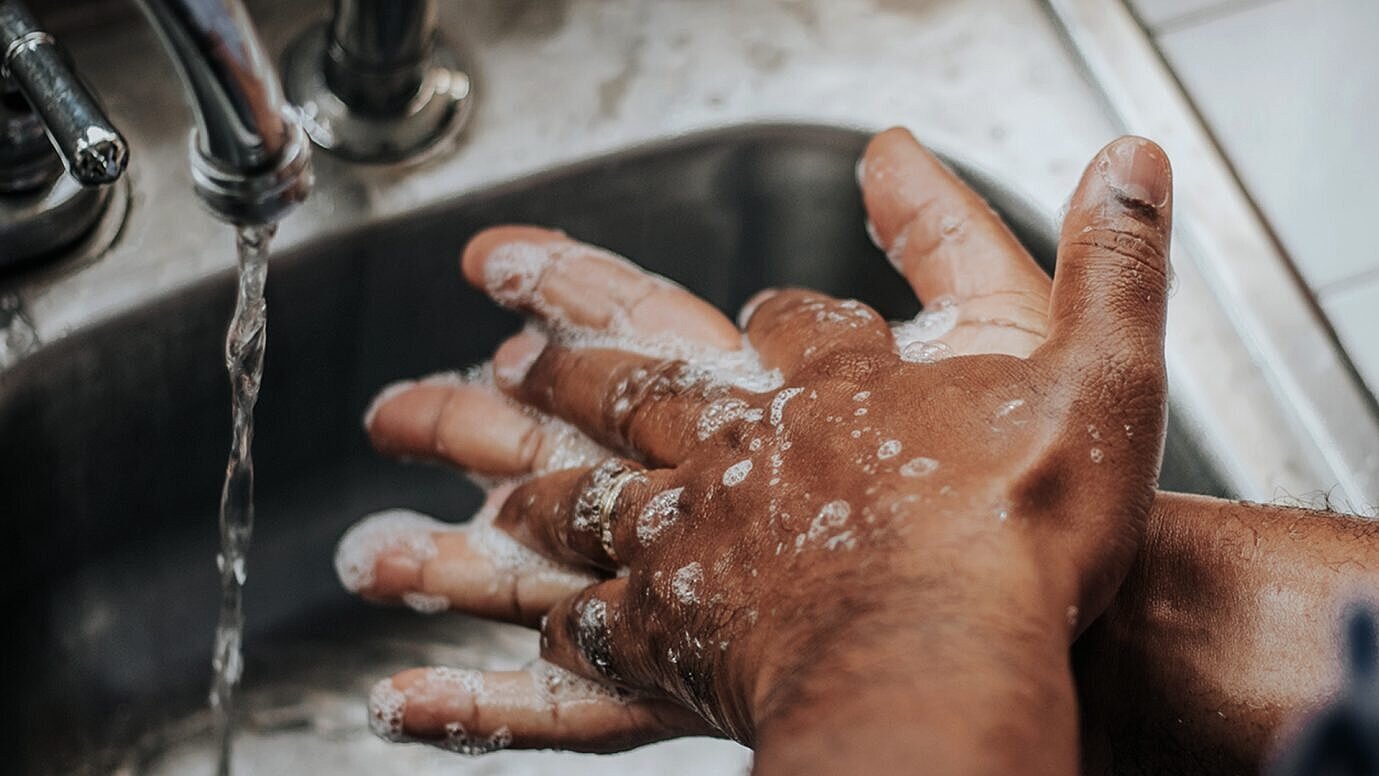
What preparatory measures have been taken to ensure the safety of employees?
We know from the Robert Koch Institute that coronaviruses can get onto surfaces such as door handles through the direct sneezing or coughing of an infected person. This is why it is so important to wash your hands regularly and keep your hands away from your face. To support these personal precautions, we have increased hygiene measures throughout the plant, including cleaning intervals in the sanitary facilities and daily disinfection of door handles. Disinfection islands have also been set up throughout the building.
As the virus is most commonly transmitted from person to person, various measures have been taken to reduce contact. These include a ban on external visitors, a travel ban for all employees and a contactless shift handover in production. Personal contact between employees in production and those in administration is also prohibited. Everyone is handling this very responsibly. They are aware of how important the measures are for maintaining the company. The possibilities of video and telephone conferences help us to bridge this "isolation".
What measures has the company taken to make working from home easier?
Many employees have been equipped for working from home in a very short space of time. This requires everyone to work together - because of course it means a changeover at first. But our IT department has done a great job. For the remaining administrative staff, the delivered lunchtime meals will hopefully be a relief now that the canteen is closed.
Despite all the caution, what measures would be taken if a case of Covid-19 were to become known at Steinbeis?
As things stand today, a positive Covid-19 case on a paper machine would certainly mean a quarantine for the affected shift colleagues. In the worst case scenario, the machine would have to be shut down. However, we do not currently expect this to happen. For colleagues in administration, the immediate consequences for production would be less dramatic, especially as the vast majority of colleagues are already working from home.

What challenges do you see facing you and the company in the coming weeks?
When shops are closed and entire businesses are at a standstill, no advertising is printed and no paper is needed. This also has an impact on our order situation. Short-time working will be unavoidable, but we are confident that this will only be necessary temporarily. I see the greatest challenge as maintaining production capacity utilisation and thus ensuring the future success of Steinbeis Papier GmbH. Together with the works council, we are prepared for all foreseeable events.
What are you looking forward to most when all this is over and everyday life has returned?
Having lunch together with colleagues from all parts of the company in the canteen. And, of course, being able to visit and hug my children freely again.
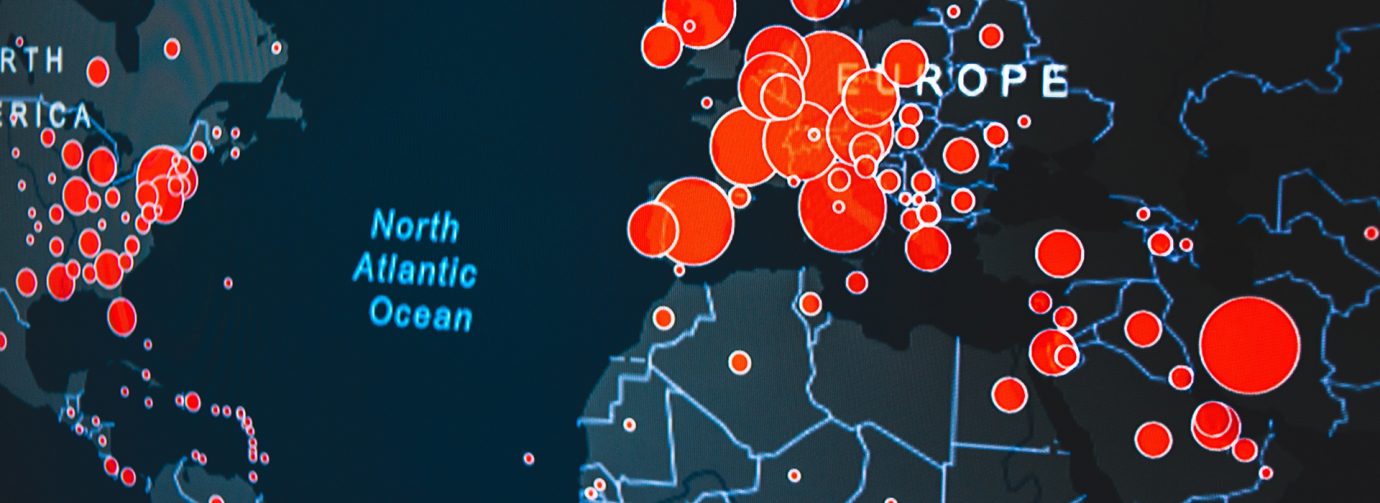
Cover picture: Erik Mclean/unsplash
Author

Valerie Bachert is a journalist, chief of staff and sustainability officer. She is interested in the areas of organic farming, conscious consumption, species extinction, social injustice and sustainable nutrition.