Recycled paper - prejudices and truths
11.06.2020 - "Through the alley of prejudice, truth must constantly run the gauntlet," said Indira Gandhi. "There is always some truth in clichés," claims Dr Gregory House. What you hear and how it really is can be quite far apart.
PREJUDICES AND STEREOTYPING
A prejudice is an "opinion hastily formed or adopted without examining the objective facts, usually characterised by hostile feelings against someone or something". In other words, a hasty and generalising judgement that only very rarely reflects the truth. "Fat people eat too much and don't exercise." "Bodybuilders have a lot of strength but little brain."
Who likes to admit that they have prejudices? But if we are honest with ourselves, we can recognise the pigeonholes and structures in which we think and act. Who hasn't experienced this? We meet a person and even before they say a word, a pigeonhole opens in our head. The first sentence confirms the first perception and the person falls into this open drawer. Statements from others about this person - whether true or simply invented - that fit this pigeonhole confirm our impression. It works the same way with products or certain topics.
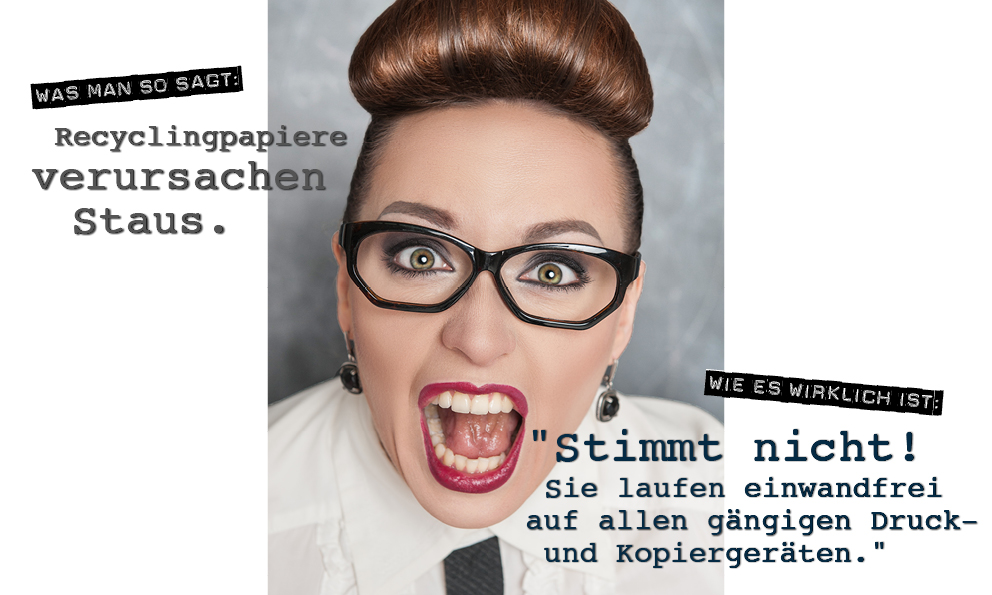
There are numerous preconceptions about sustainability that persist and crop up again and again. "Organic vegetables go mouldy quickly." "Waste separation does nothing for the environment". "Sustainable consumption is expensive". "Recycled paper is grey".
Are prejudices simply part of human nature? Not quite. When a child sees the light of day, it knows no prejudices. They get to know our world with a great deal of curiosity and a spirit of discovery. A world that is still strange and quite complex at first. Our brains have the perfect system to be able to absorb and process all this complex information. Our pigeonholes. Everything that someone hears, reads or discovers is categorised - the basis for prejudices. However, this system only has a bitter aftertaste in today's human societies. For our ancestors, who travelled as hunter-gatherers through the African steppe or the ice-age glaciers of northern Europe, "thinking in pigeonholes" was a good strategy and even essential for survival. Because pigeonholes make it possible to quickly assess people, things and situations: Friend or foe, dangerous or harmless, flight or fight. We can judge and act immediately. The drawers give us orientation. In the past, they ensured our survival and even today they make our lives easier. Simple, quick, convenient. "Thinking is the most effective therapy against prejudice." (Ernst Ferstl, Wegweiser), but also exhausting. And who likes to exert themselves when there are other ways?
A prejudice often persists and is reinforced time and again. How does that work? Quite unconsciously, of course. Everyone only sees what they want to see. Everyone only hears what they want to hear. You only perceive what fits into a certain "pigeonhole". Women can't drive? Actually, I constantly see women who attract negative attention in road traffic. I don't notice the men who attract negative attention and the good female drivers don't appear in my perception either. My prediction is justified and repeatedly confirms the existence of this "pigeonhole".
RECYCLED PAPER AND PREJUDICES
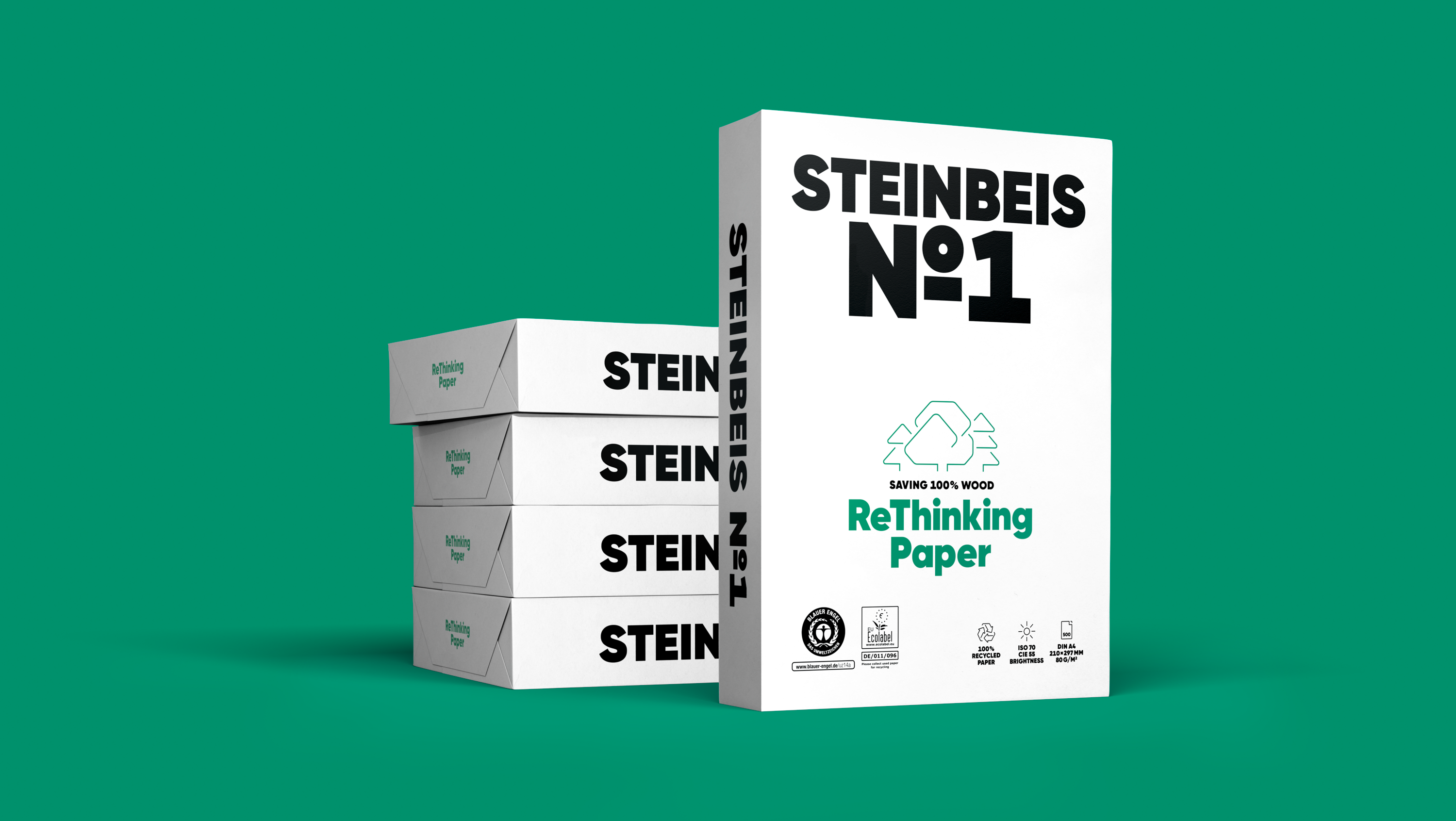
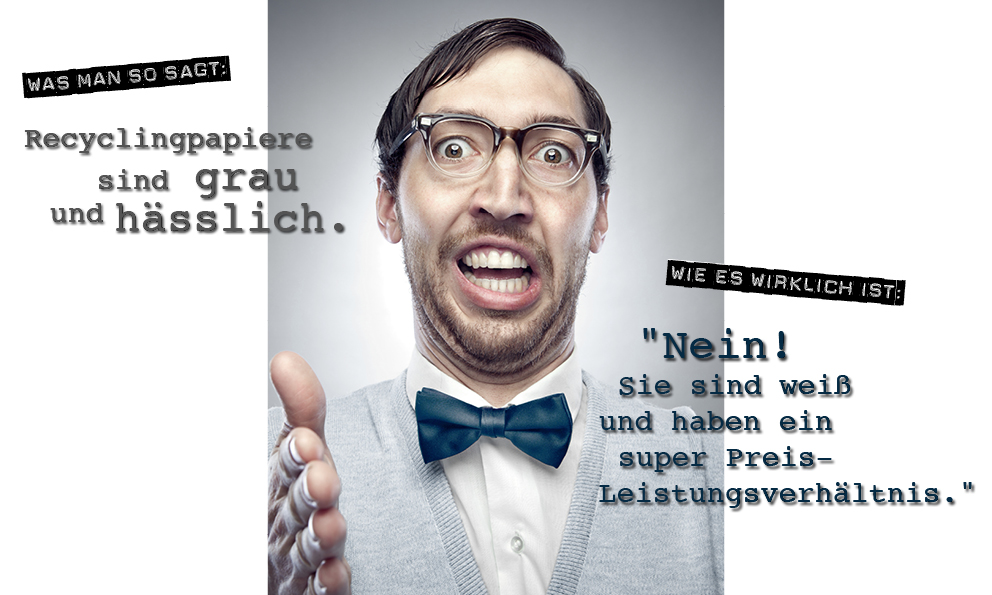
Much of what is said about recycled paper is tainted by such prejudices. "Recycled paper is grey and expensive". "Recycled paper creates dust and jams in the printer". These prejudices date back to the early days of recycled paper development. If you take a closer look today, you will realise that modern recycled papers no longer have anything to do with this old image. Today, recycled papers are white, have an attractive price-performance ratio and run perfectly on all standard printing and copying machines. And what is more important than ever - recycled paper protects our environment and the climate.
Here you can read in detail what is said about recycled paper and what it is really like.
CLEARING UP PREJUDICES
It doesn't matter whether it's about recycled paper, another product, a thing or a person - scrutinise your attitude. Take a conscious look. Are you really making your judgement based on your own experience? Or was it easier to adopt an existing opinion? Can you really judge the person or thing or have there been no real points of contact? Did a one-off or older experience or the stories of others lead to the judgement? It could well be that the facts have changed completely over time ...
Good luck clearing up prejudices.
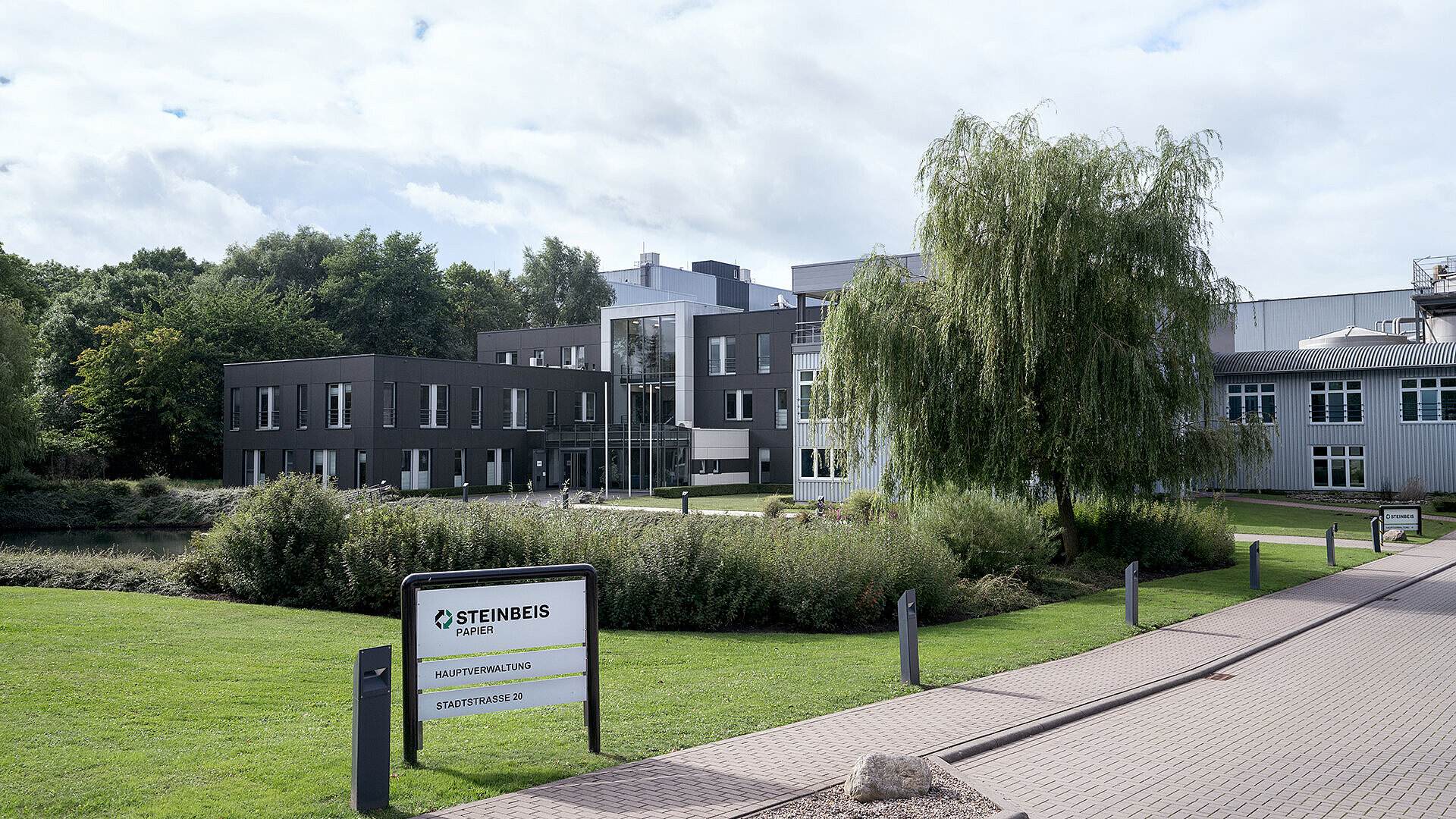
Cover picture: Steinbeis Papier
Author
Responsible for marketing, social media and e-business at Steinbeis Papier. Circular economy, recycling and biodiversity are the topics close to the heart of the graduate business economist. Enthusiastic blogger for the Steinbeis editorial team.