"Recyclable" - what this means and which materials it applies to
04.05.2021 - For friends of sustainability, the word recycling has the best inner values, as it is derived from the Greek term kýklos - the circle. Ideally, recycling therefore helps to create more cycles or a circular economy. Recyclable material recycling thus curbs the overexploitation of nature by utilising used packaging as a source of raw materials. Why is it basically always about packaging when we talk about recycling? Because packaging waste makes up an ever-increasing proportion of our waste.1 And it contains large quantities of high-quality materials that can be reutilised with the help of ingenious technologies.
What exactly is meant when we talk about recycling?
Recycling refers to the reprocessing of discarded materials into a new product. Strictly speaking, the original product is destroyed in the process - usually by shredding or melting - and the resulting reusable material is used to manufacture new products. The terms reuse and upcycling are related, but must be distinguished from each other. In the case of reuse, the recyclable material or product is not changed and is simply used again in its original function, such as all second-hand items. Upcycling, on the other hand, is when a certain material or product is reused - but in a different, usually "better" way.2 An example of this is a car tyre that is turned into a swing, or the furniture made from Euro pallets that has been popular for years.
What can be recycled?
The good news is that many materials and products can be recycled - much more than many people realise! However, there is no universal standard; recycling systems vary from region to region. In general, waste can be divided into three categories:
- Organic waste - this is compostable
- Recyclable materials such as paper, glass, plastic and metal
- Residual waste - this is not recycled and should therefore ideally only contain materials that cannot be recycled.3
But we want to know exactly: Which materials fall under the recycling materials mentioned above? Below you will find an overview of all materials that can be recycled. For the less common materials, examples of use are also listed to help you categorise them.
Plastics
- PET (water bottles, transparent and push-through packaging)
- HDPE (milk containers, cleaning bottles)
- PVC (water pipes)
- LDPE (shopping bags, stretch films)
- PP (bottle caps, storage containers)
- PS (polystyrene boxes, disposable tableware, yoghurt pots)
Other plastics
- ABS (electronics, remote controls, toys)
- PA or nylon (textiles, cable ties and other industrial goods)
Metals
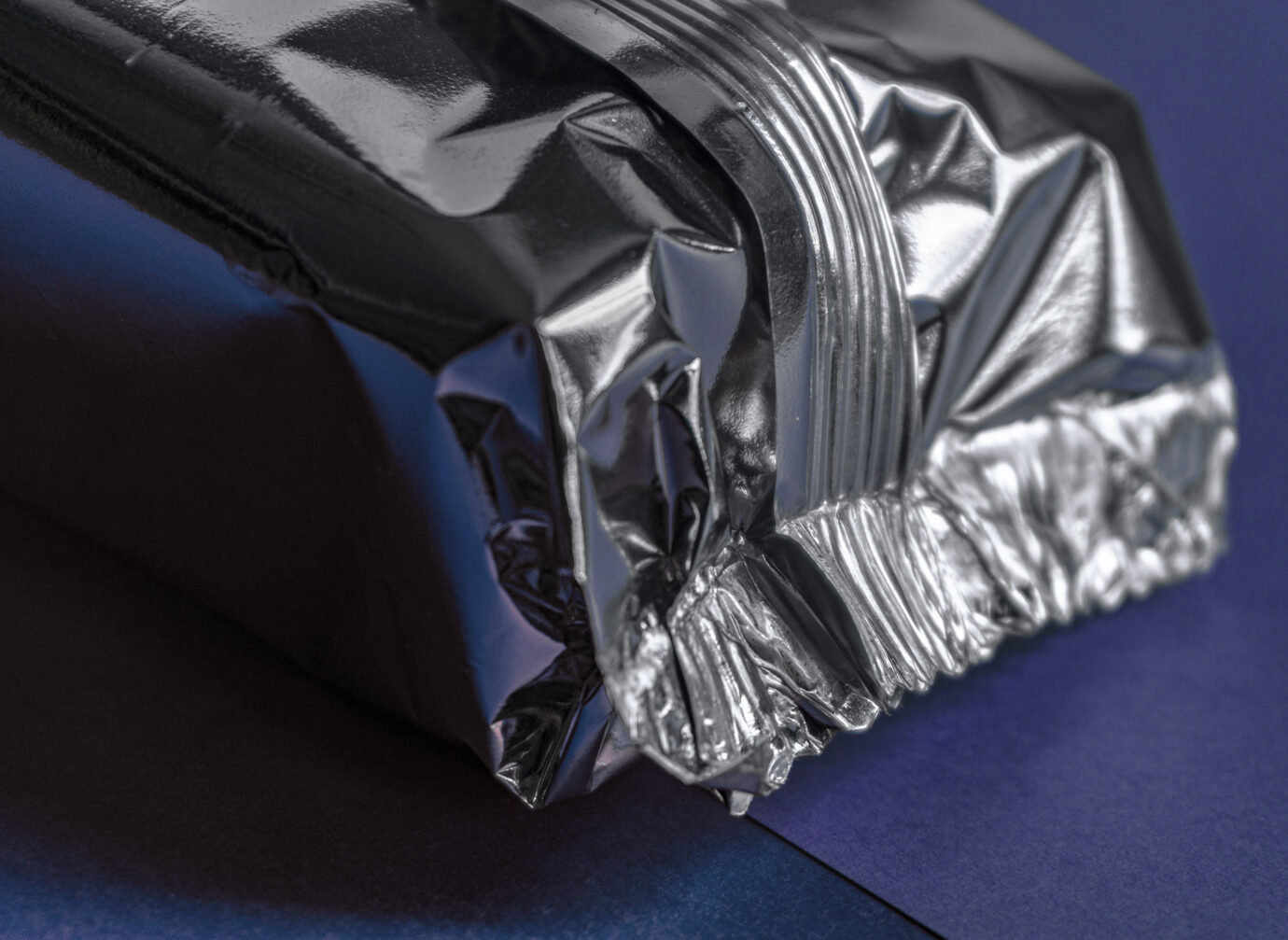
- Aluminium (bicycles, rail vehicles, electrical cables, cans)
- Steel (cars, bridges, skyscrapers)
- Copper (electronics)
Textiles
Batteries
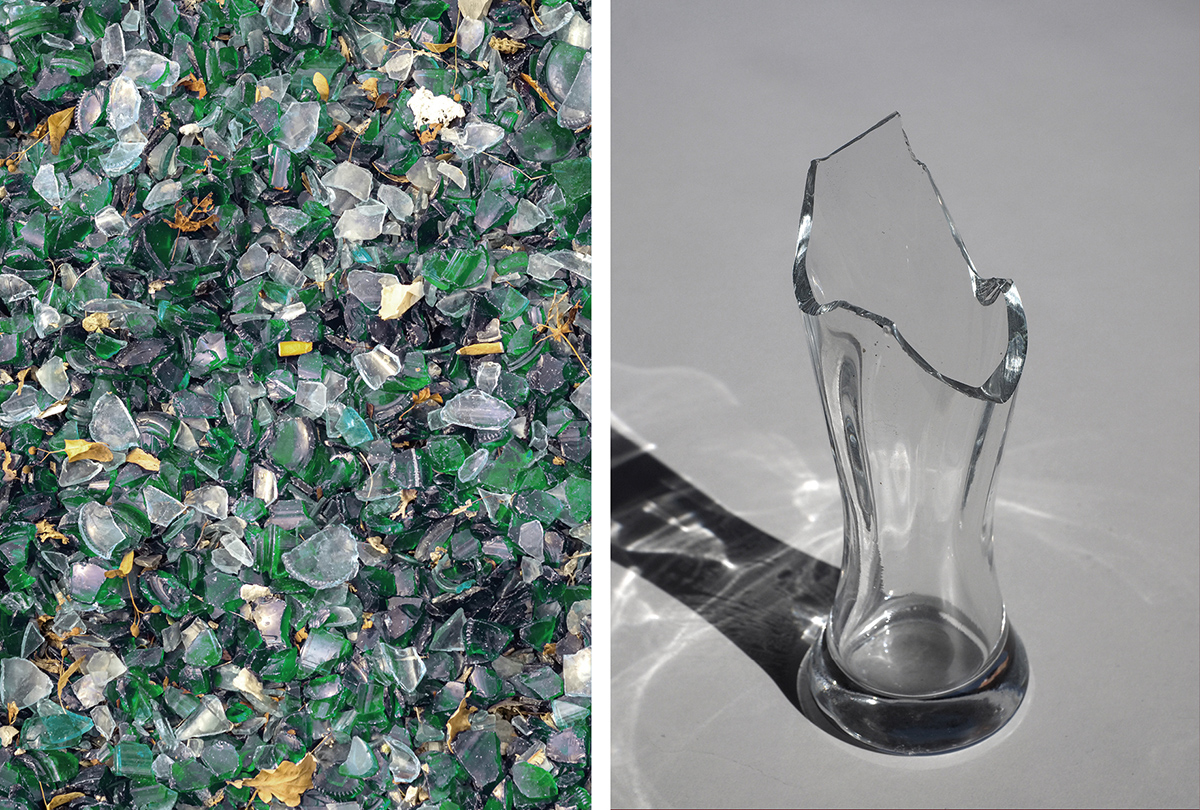
Glass
Paper
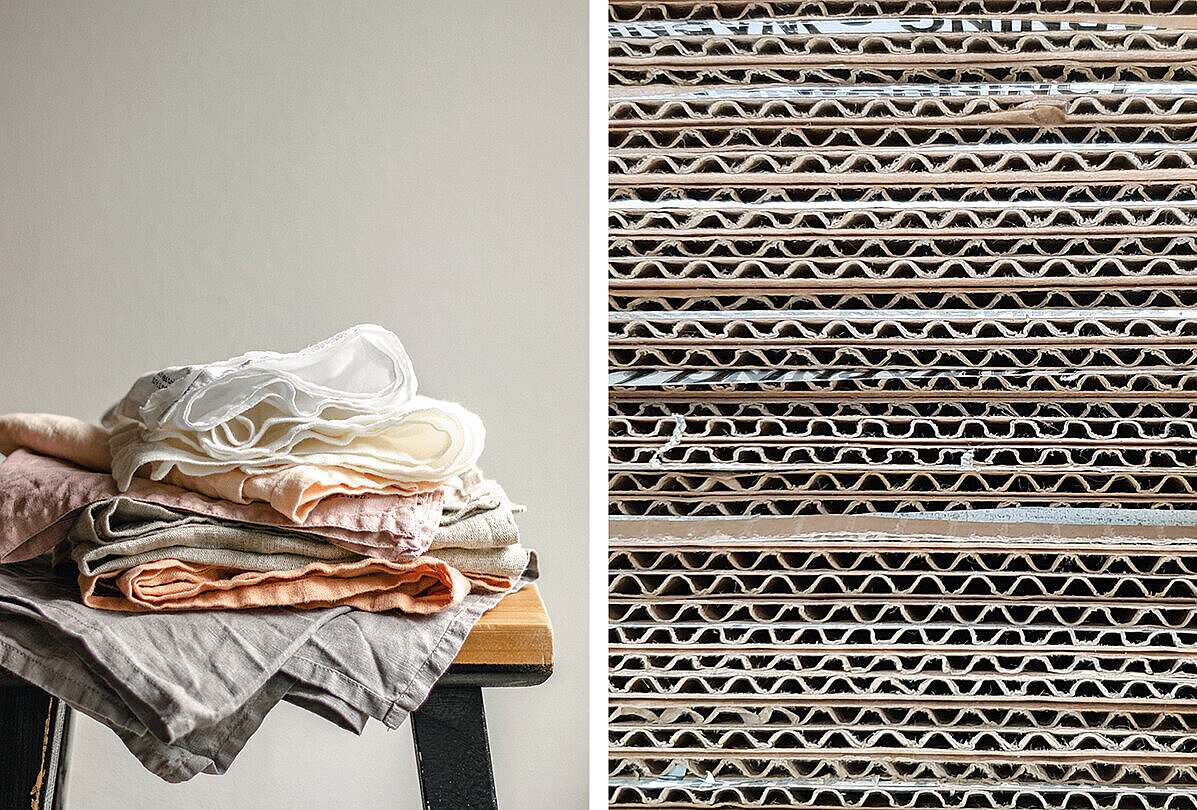
The recycling rates for paper and glass are the frontrunners: both the legally prescribed and the actual recycling rates are particularly high - and these materials can almost always be recycled. However, as is always the case with recycling, it is important to separate materials by type.
Common mistakes
Consumers usually find it easier to clearly assign paper and glass to the correct type of waste. One exception, by the way, is till receipts, which often end up in paper waste and do not belong there as they often contain the harmful substance bisphenol S and are therefore unfortunately no longer good enough for paper waste. They belong in the residual waste. Beverage cartons are also a much-discussed example: although they are mainly made of paper, they are usually also made of additional layers of plastic and aluminium. Cartons with screw caps also have an additional plastic element, with the lid and cap sometimes even consisting of different types of plastic. With such material mixes, the cycle quickly comes to an end: what cannot be easily separated ends up being incinerated.
It all depends on the overall composition
We conclude from this: The recyclability of individual product components says little about whether the product can find its way back into the cycle - it must first and foremost be easy and clean to sort into its individual components. For us as consumers, this is often difficult to recognise: In some packaging, more than ten different plastics are layered on top of each other, which is impossible to recognise with the naked eye and, above all, absolutely impossible to recycle.4
What consumers can look out for
An incredible number of products advertise with the term "recyclable". However, like many environmental protection labels, for example, this is not protected by law. Therefore, people who want to shop consciously have no choice but to look very closely. However, these facts and tricks can perhaps help a little when deciding in favour of or against a product: If companies really take the issue of recycling seriously, their products are often not only recyclable, but also already consist at least in part of recycled material. We should definitely support this - because the circular economy only has a future if there is a profitable market with high demand for the products of recycling processes, or recyclates for short.
Colours and labels also influence how recyclable packaging is. Not all systems can separate plastic waste by colour, for example. Black plastic bottles are particularly problematic: In order to recognise which material it is, the sorting machine measures the reflection of the material under light. Because most black plastics hardly reflect any light, the material cannot be categorised and almost always ends up in the incinerator. If you would like to find out more about plastic recycling, we recommend our article The mass makes the difference - also when it comes to plastic.
Furthermore, easily removable labels that are as small as possible should be preferred, as well as recognisable mono-materials or materials that can be easily separated from each other.
What's even better - less waste
In the waste hierarchy of the Federal Environment Ministry, consistent waste avoidance (e.g. unpackaged shops) is in first place, reuse (e.g. reusable bottles) in second place and recycling in third place. Only energy recovery, i.e. incineration to generate energy, and landfilling score lower in the waste hierarchy than recycling. And rightly so: although recycling conserves resources, with the exception of paper and glass, most materials lose quality during processing. This is not a bad thing in itself, because even with reduced quality, these materials can still make a valuable contribution - the real problem is that these materials cannot usually be recycled multiple times due to the loss of quality. In addition, the process requires a lot of energy and water; one solution to this could be ecologically integrated factories that follow closed-loop models, such as our company, Steinbeis Papier.
Ultimately, however, conscious consumption and avoiding waste are just as important as opting for recyclable materials. And the waste that is produced must be disposed of conscientiously and correctly - so that as much of it as possible can be recycled and we can create more cycles.
Cover picture: David Hofmann/Unsplash
- https://www.tagesschau.de/wirtschaft/verpackungsmuell-109.html
- https://www.terracycle.com/de-DE/pages/recycling-begriffe-und-definitionen
- https://blog.alpla.com/de/blog/sustainability-social-engagement/fuenf-dinge-mit-denen-sie-das-recycling-unterstuetzen-koennen
- https://utopia.de/ratgeber/recyclebar-recyclebare-verpackung-was-heisst-das/
Author

Isabella Bigler is an editor and copywriter. Here she writes about sustainable topics, the past and the future - occasionally with the support of her dedicated interns Lumen Nguyen and Liam Jennings.