Power plant with a sustainability claim

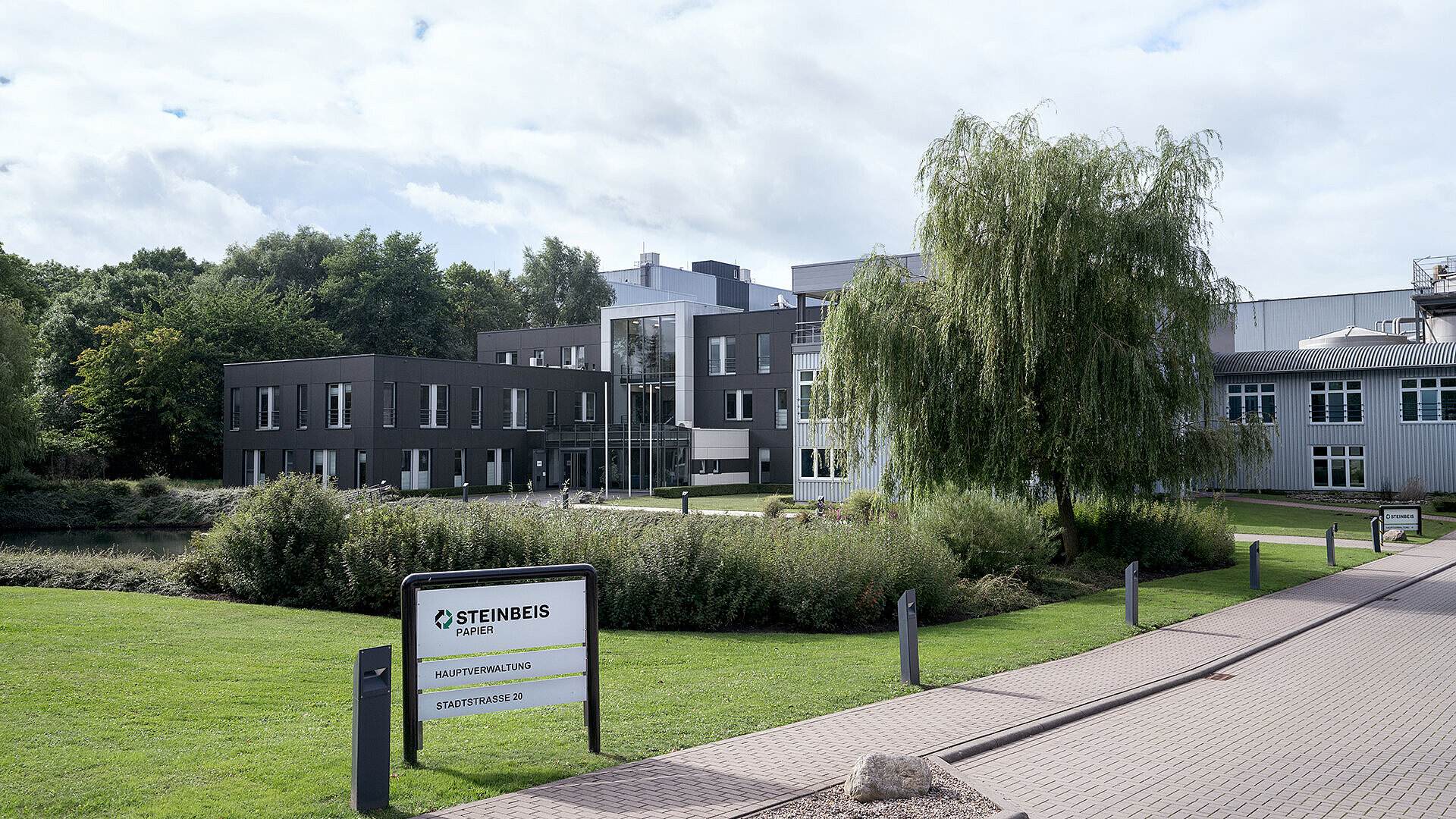
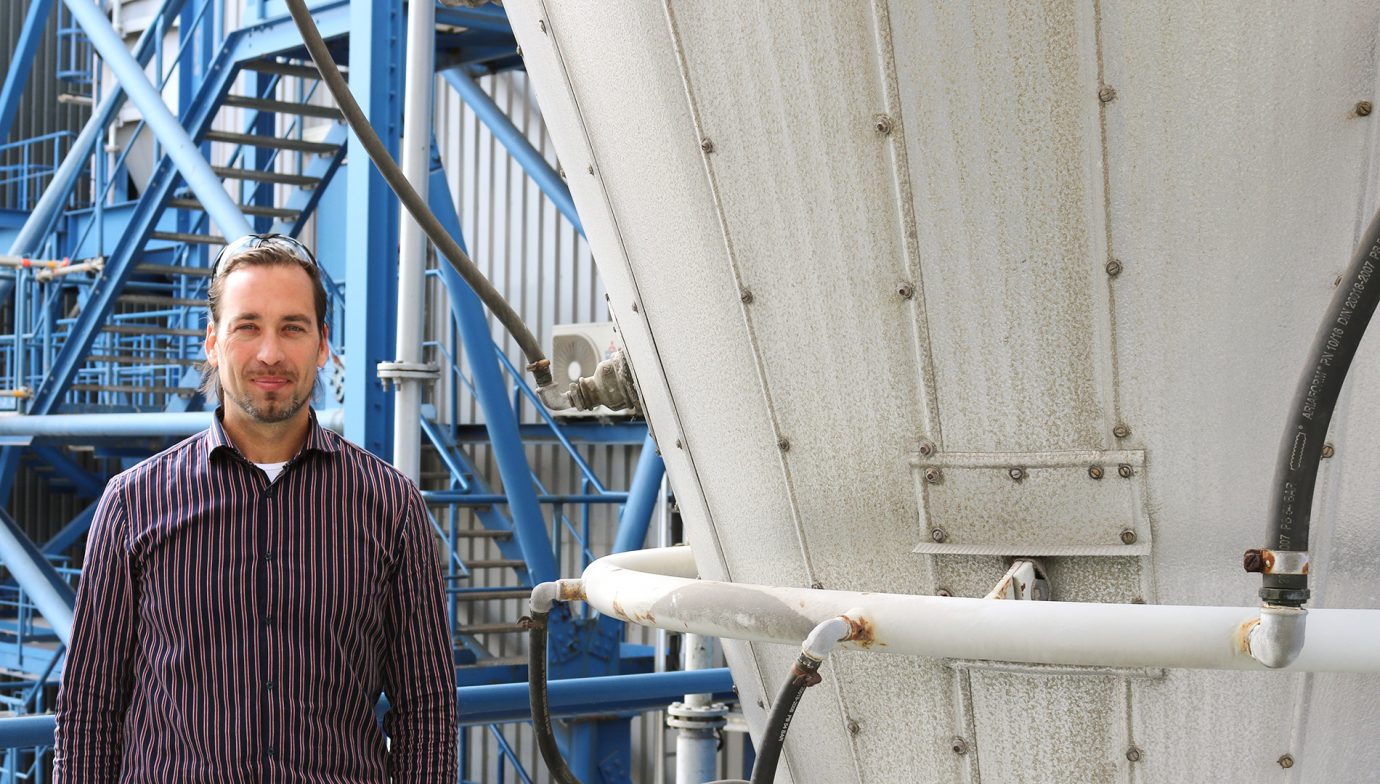
20.10.2020 - The concept of sustainability runs through all areas at Steinbeis. The environmentally friendly use of energy also plays an important role in the production of recycled paper. This is realised with state-of-the-art energy technologies - such as combined heat and power generation. Sönke Schubert is head of the Steinbeis power plant in Glückstadt. In this interview, the graduate engineer (FH) in mechanical engineering explains his diverse tasks and the workings of one of the most modern power plants of its kind in Europe.
Mr Schubert, what does your working day look like?
I start the day by checking the shift book entries. Then it's time for the early morning round with the respective shift supervisor, the maintenance foremen and my deputy. Topics relating to maintenance measures or events from power plant operations are discussed and recorded.
With the help of our process and analysis programme, we check the operating and emissions data for any irregularities or potential for improvement. The necessary inspections and maintenance of the boiler, which is the centrepiece of our power plant, are particularly time-consuming during the maintenance shutdown. This is preceded by a considerable amount of planning. The process is continuous - after the overhaul is before the overhaul. My day-to-day work also involves many organisational tasks.
What particular challenges are associated with your job?
The continuous supply of the paper mill with a high boiler availability must be absolutely guaranteed. Then there's compliance with the emission limits. Monitoring all of this is one of my main challenges. But we also have to keep an eye on external factors. We react consistently to changes in emission control legislation, are in constant dialogue with the authorities and are constantly re-evaluating our strategic direction.
How does the principle of combined heat and power generation work?
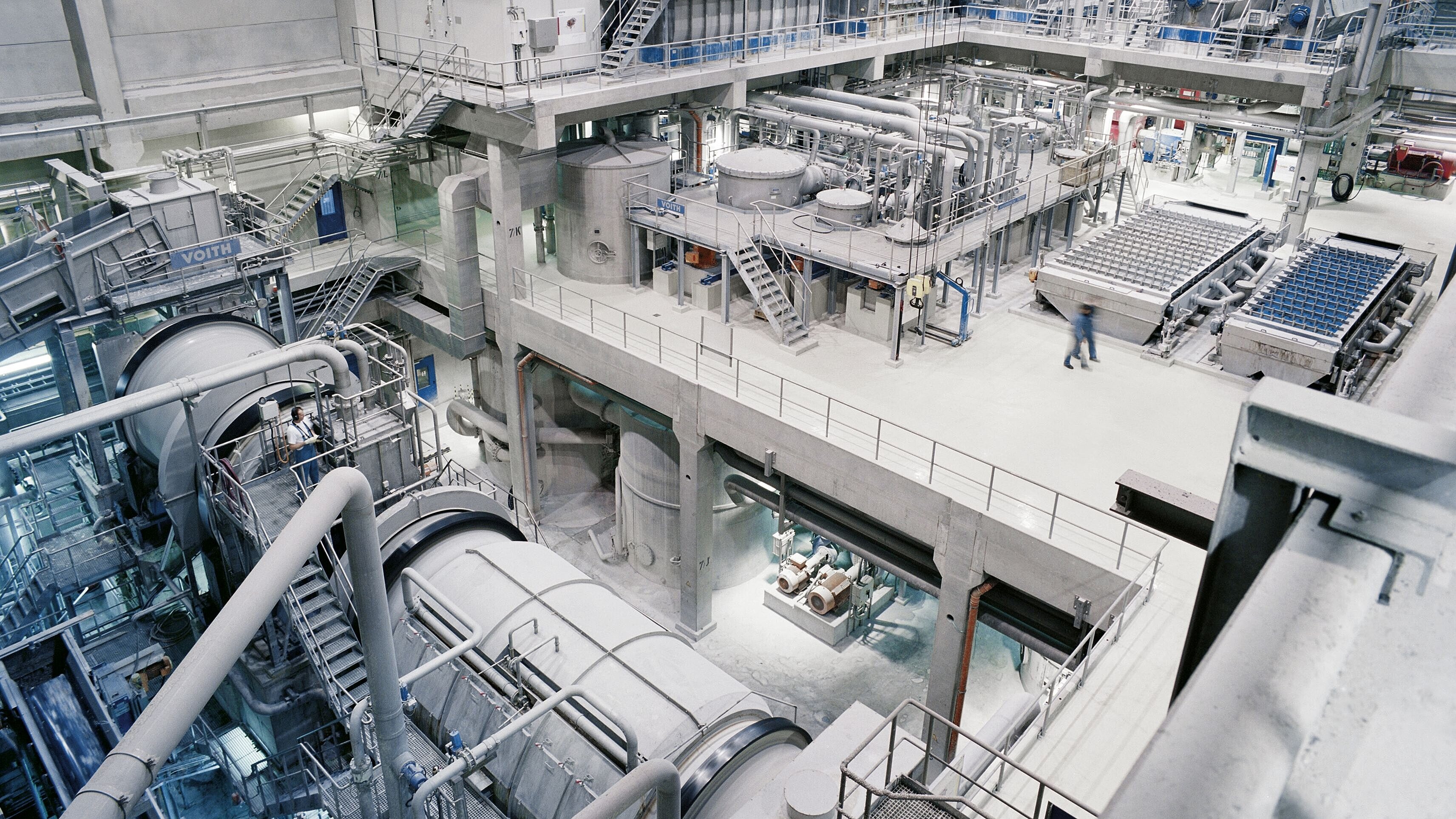
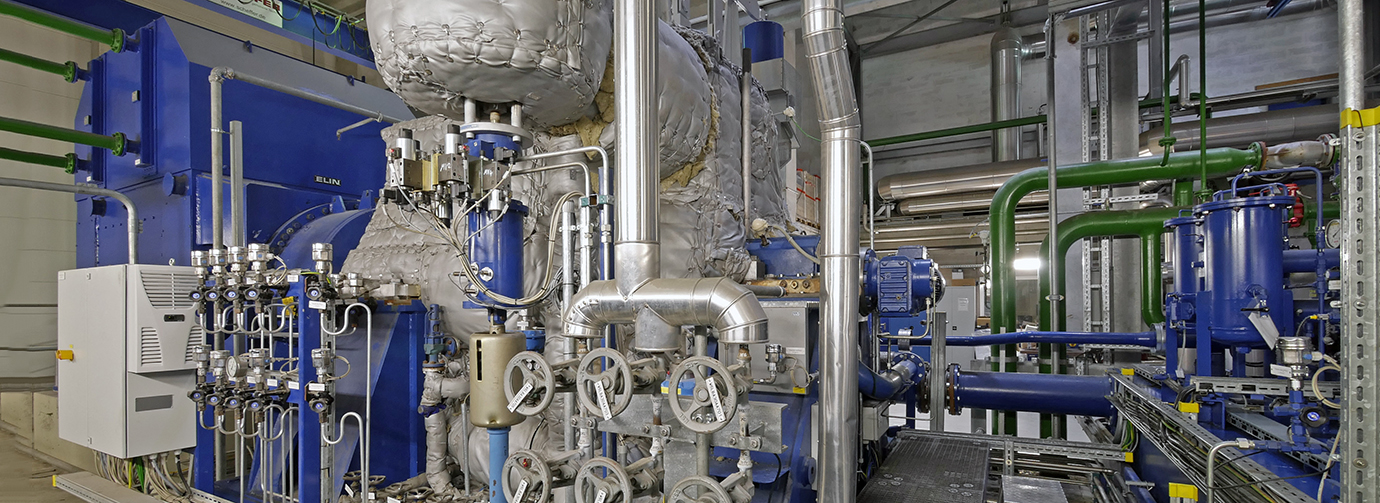
Combined heat and power (CHP) refers to the simultaneous conversion of input energy into electrical energy and useful heat. In our case, this is generated in the fluidised bed boiler and the highly pressurised steam is passed through a turbine. However, a large proportion of the steam goes directly into the paper mill at the end of the high-pressure stage of the turbine. The rotating energy produced in the turbine is converted into electricity by the generator.
What advantages does CHP offer over other energy generation options?
Useful heat is the essential energy source in paper production. CHP offers the advantage that the varying heat requirements of the paper mill, depending on paper production, are guaranteed at the same time. Power generation is adjusted accordingly downstream and fed to the mill. In principle, it can be said that the overall efficiency of this technology is considerably higher than that of pure electricity generation. The energy we generate, whether useful heat or electricity, is used exclusively for the paper mill.
What is so environmentally friendly about this form of energy generation?
In line with Steinbeis' sustainability premise, we use waste from waste paper processing and so-called substitute fuel as energy sources instead of fossil fuels. This is secondary fuel processed in various stages from commercial waste and municipal waste with a high biogenic content. In this way, we reduce the emission of climate-damaging greenhouse gases such as carbon dioxide (CO2) and thus fulfil the criteria of sustainable and efficient production.
How did the energy reorganisation at Steinbeis come about?
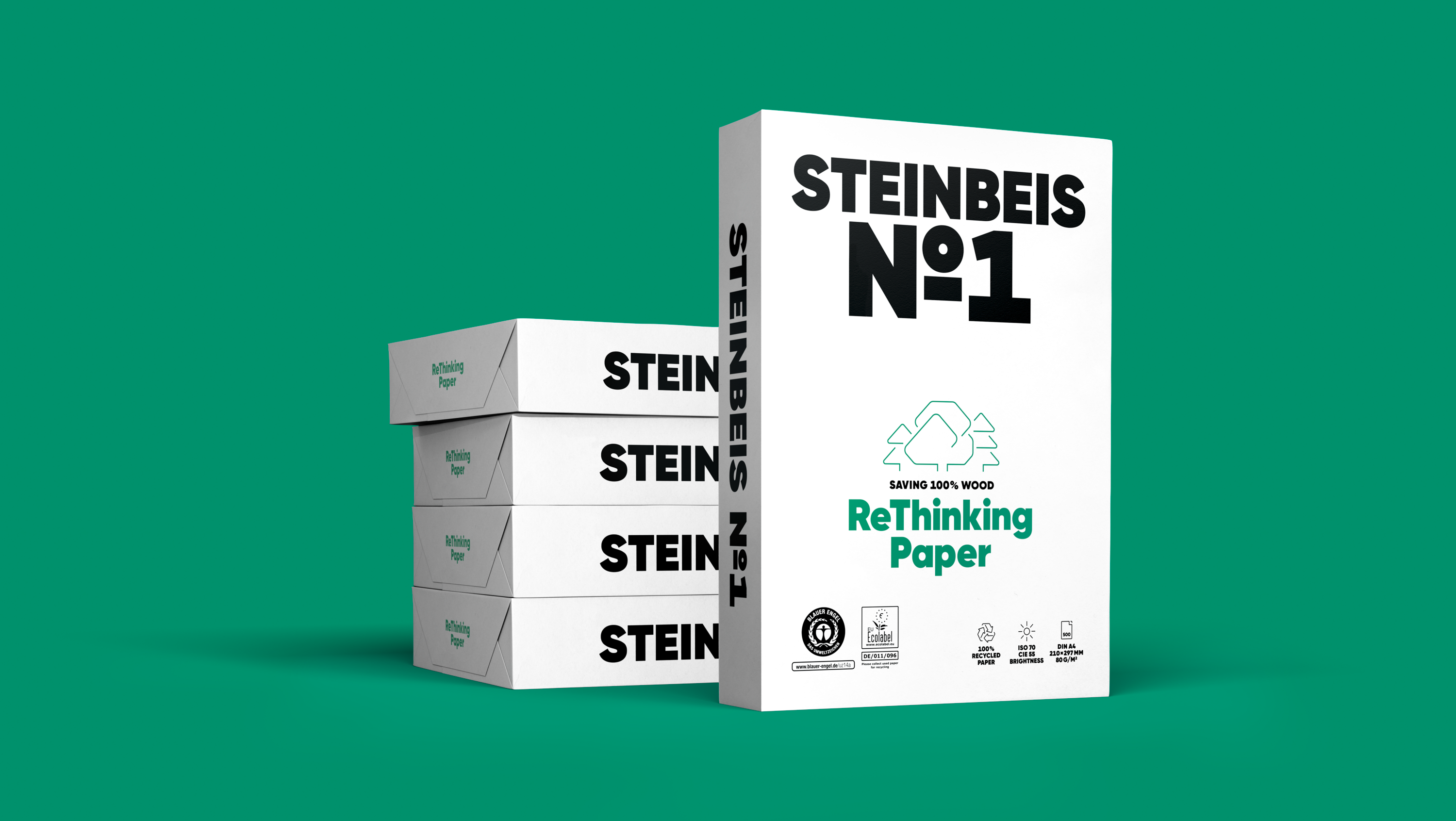
At the beginning of 2000, concepts were developed to make energy production increasingly environmentally friendly, conserve resources and significantly reduce theCO2 footprint. Following project planning, construction of the circulating fluidised bed, boiler 6, began in 2008. Commissioning took place just one year later. It was essential to include the area of energy generation and take the necessary measures, particularly due to the focus on sustainability in ecological paper production. Looking at the Group structure, it can also be seen that the area of recycling management and environmentally friendly energy generation is becoming increasingly important and is being further expanded with solar, wind energy and biogas processing plants. Steinbeis Papier products have been awarded the well-known environmental seals, not least because of these measures.
What pioneering role has Steinbeis played in the energy transition?
Steinbeis operates one of the most modern power plants of its kind in Europe and is thus playing its part in the energy transition. We were one of the first to realise this energy transition. In the year following the commissioning of our CHP plant, further CHP plants with the same technology were also established at other paper production sites.
At Steinbeis, the word "sustainability" is not only spoken, but also lived. The commissioning of the fluidised bed boiler and the associated savings in fossil fuels are indicative of this corporate development. Steinbeis will continue to set standards in ecologically sustainable recycled paper production with current and future projects.
Cover picture: Steinbeis Papier GmbH
Author

As a senior editor, Benjamin Seibring specialises in developing content on sustainability, mobility, technology and lifestyle. An editorial traineeship at a German media group and his many years of experience in corporate publishing form the basis. With a high affinity for trend topics and innovative AI tools, he implements cross-media storytelling.