Paper vs. digital, part 2: Haptics and perception
08.02.2022 - There is a lot of talk about digitalisation at the moment. But what does it do to us when we pick up something printed? Steinbeis Papier supports schools in the region. The haptic experience and the cognitive benefits for children in particular are indicators that paper cannot be replaced by any digital end device.
"Better a bird in the hand than a pigeon on the roof" - there could not be a more fitting quote to describe the importance of the physical medium compared to the digital medium, even in today's reception. People still give more credence to what they hold in their hands. Psychologists and brain researchers are convinced that people, as multi-sensory beings, are more likely to respond to stimuli that appeal to several senses. Seeing, hearing, smelling, tasting and feeling - in combination, this results not only in an informative but also an emotional overall picture.
Analogue countermovement
Nevertheless, we are in the midst of a media revolution: while books, magazines, newspapers or even handwritten letters printed on paper have long dominated the exchange between people, a flood of digital information is now being added. And it is tempting to be able to access these huge amounts of data on all digital devices at any time and from anywhere in the world. But the digital overload is also giving rise to a counter-movement. It recognises the value of the printed, physical medium as a special need and is thus reflecting on something that is firmly anchored in people. As a result, bookshelves are filling up again and the record industry is experiencing a veritable renaissance.
Feeling shapes decision-making
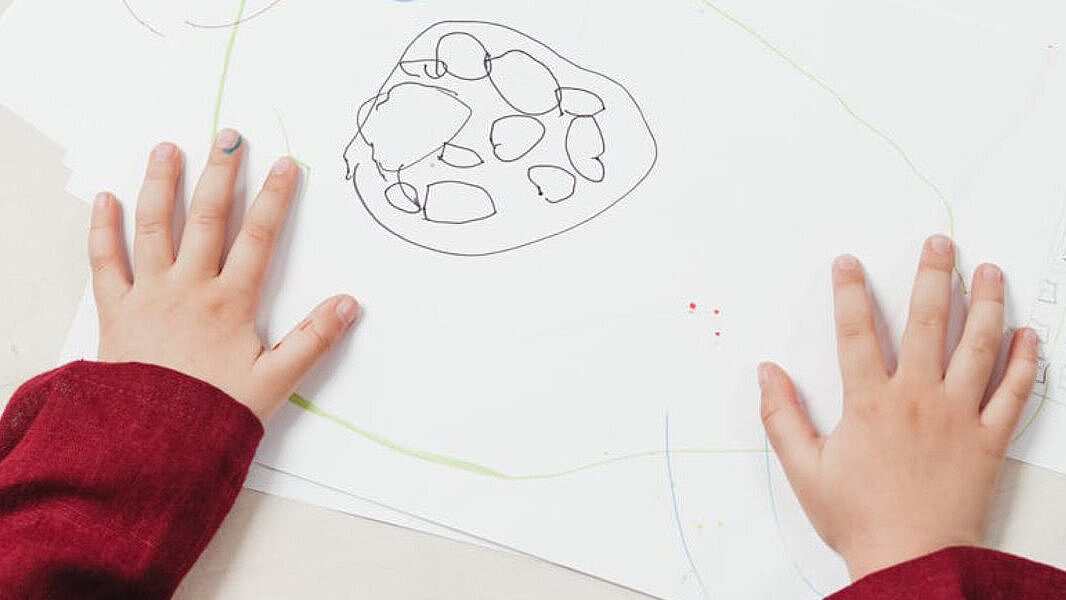
Nature intended for babies to develop a sense of touch in the womb. By touching with their mouth, hands and feet, they learn after birth that there are objects that do not belong to them - this develops a sense of their own body, which leads to the first steps in self-reflection. Babies use their hands to identify similar structural features on things, categorise them and thus gain an idea of their environment. These experiences are crucial for later life, as sensory experience has a major influence on our decisions: We process smells, colours, shapes, temperatures, surfaces and other external influences with our brain and connected nerve cells better than any computer can. From this, we then develop corresponding options for action in comprehensible perception processes. Touching and feeling are thus an indispensable part of real life.
A history of haptics
Since the industrial revolution in England more than 200 years ago, clever people have been working on sensory perception and developing analogue objects that still exert a special fascination today: in the 19th century, the British architect and artist William Morris founded the "Arts and Crafts" movement - inspired by the search for the "real and honest", the focus was placed on individual craftsmanship and the associated physical experience with aesthetics. "Good design" was later established in the USA. And in Europe, institutions such as the Wiener Werkstätten, Bauhaus and the Ulm School of Design showed that things are not just functional, but can be given a sensually perceptible quality through good design. Many companies have recognised this and understand that they can give their products a haptic value and aesthetic that goes beyond mere use.
The book as a haptic and sensual experience
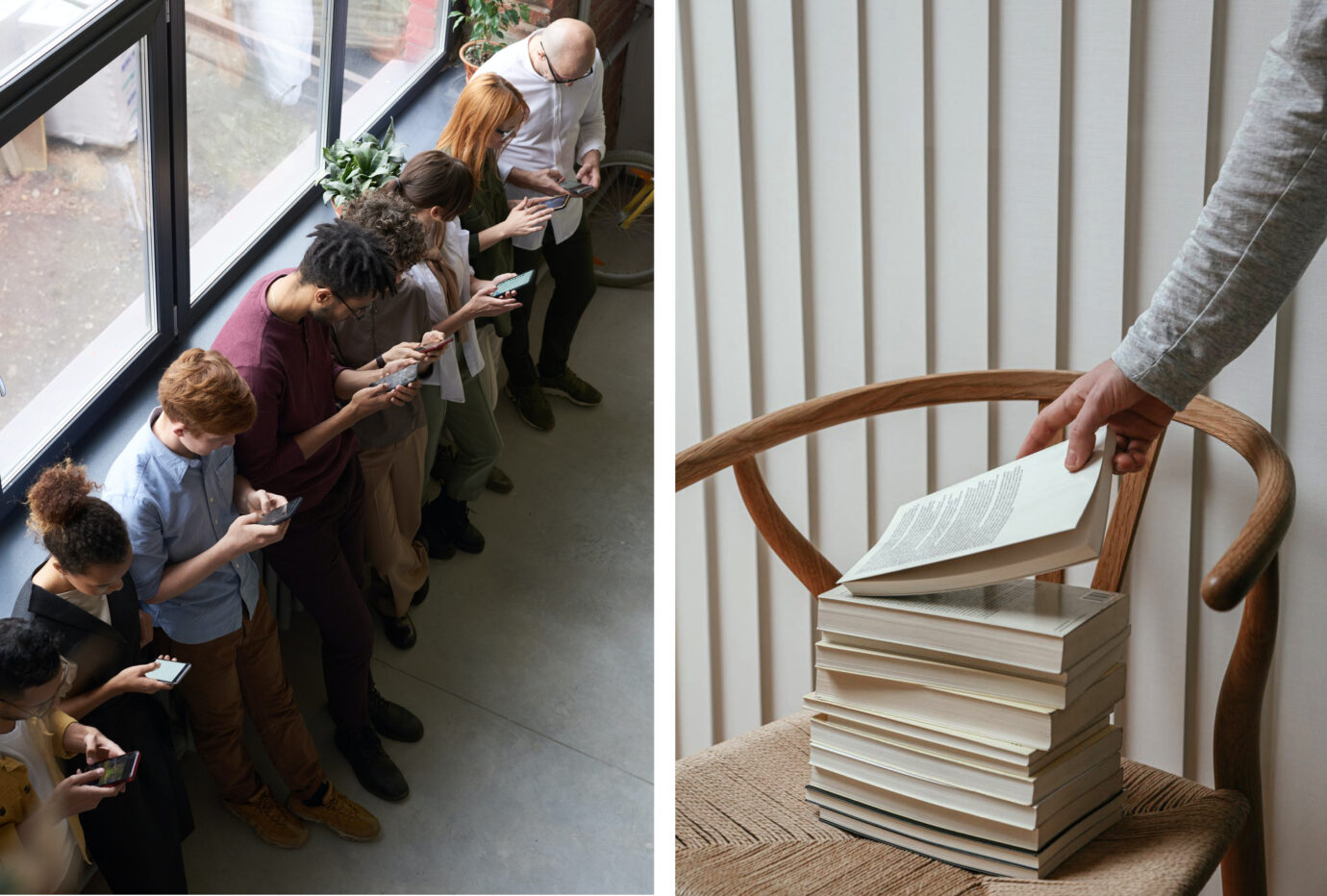
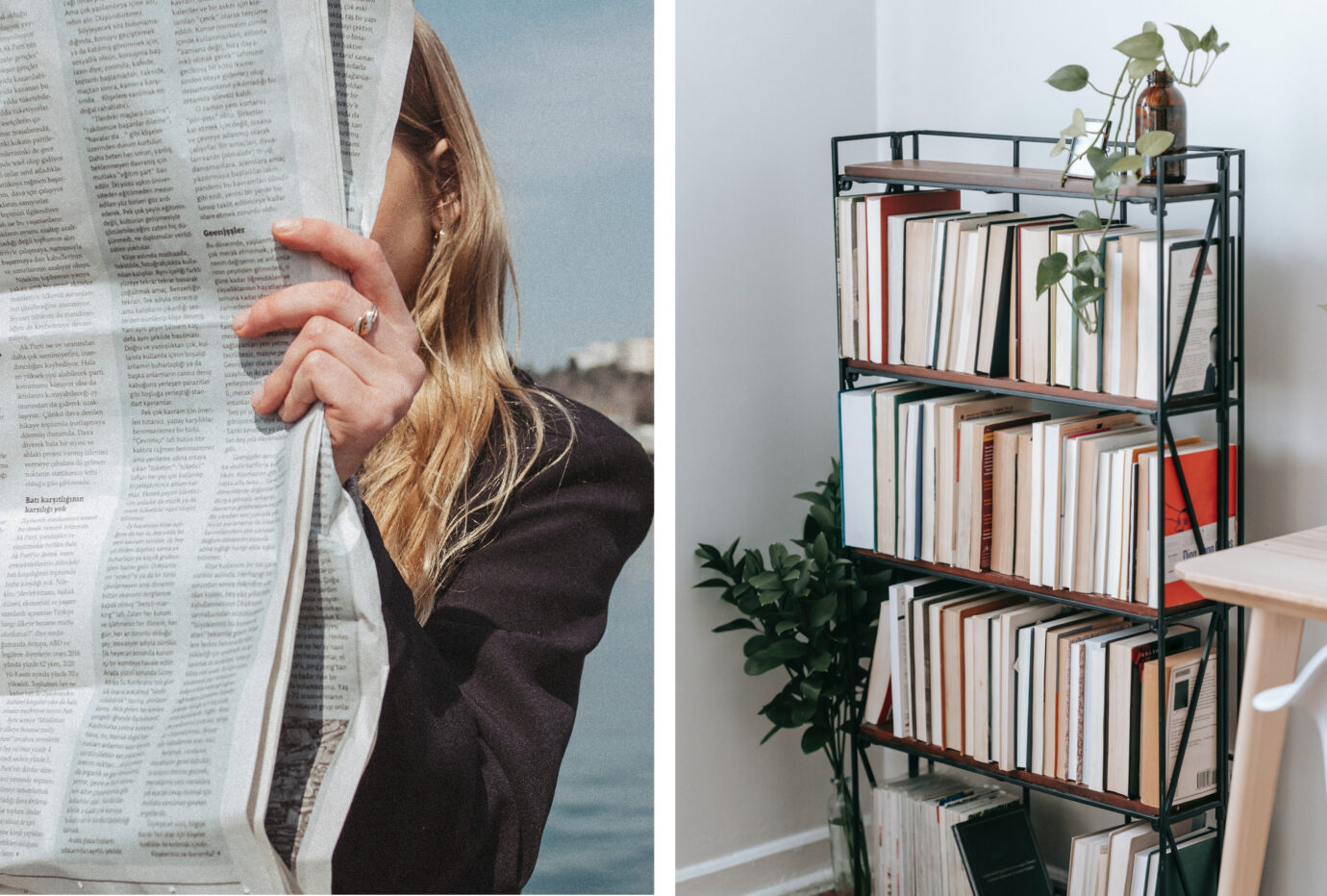
If we take the analogue medium of the book as an example, it creates its very own world of experience: this begins with the procurement process when you visit your trusted bookshop. Reaching into the shelf and experiencing the medium - typeface, typography, print, paper texture, binding and ultimately smell - creates associations that emphasise the value of the pure content. These sensory perceptions are then processed in the brain, leading us to a decision: "I want this book or not." Once a decision has been made, we usually spend a lot of time with it. We experience the medium in all its facets and in different emotional situations. Our appreciation is usually emphasised by keeping it on our personal bookshelf.
Selective perception in the digital world
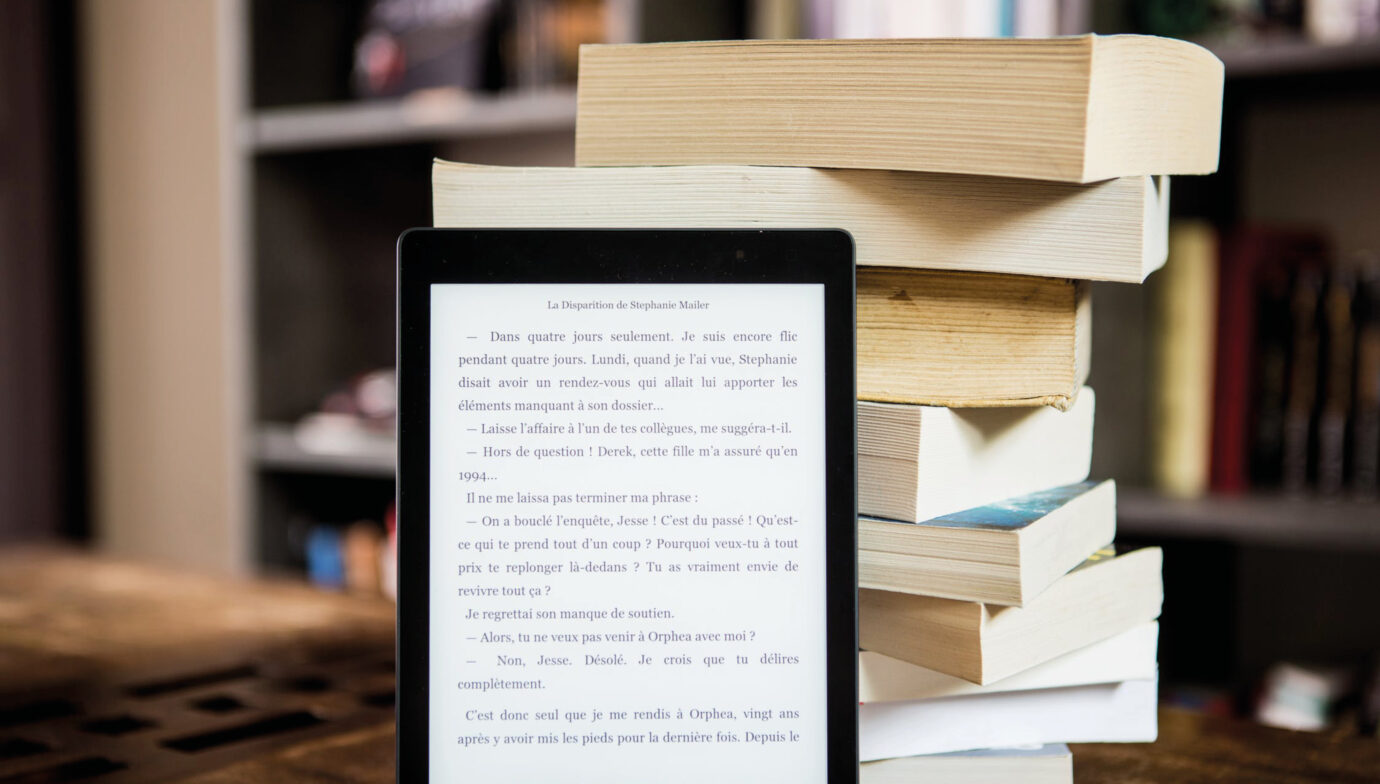
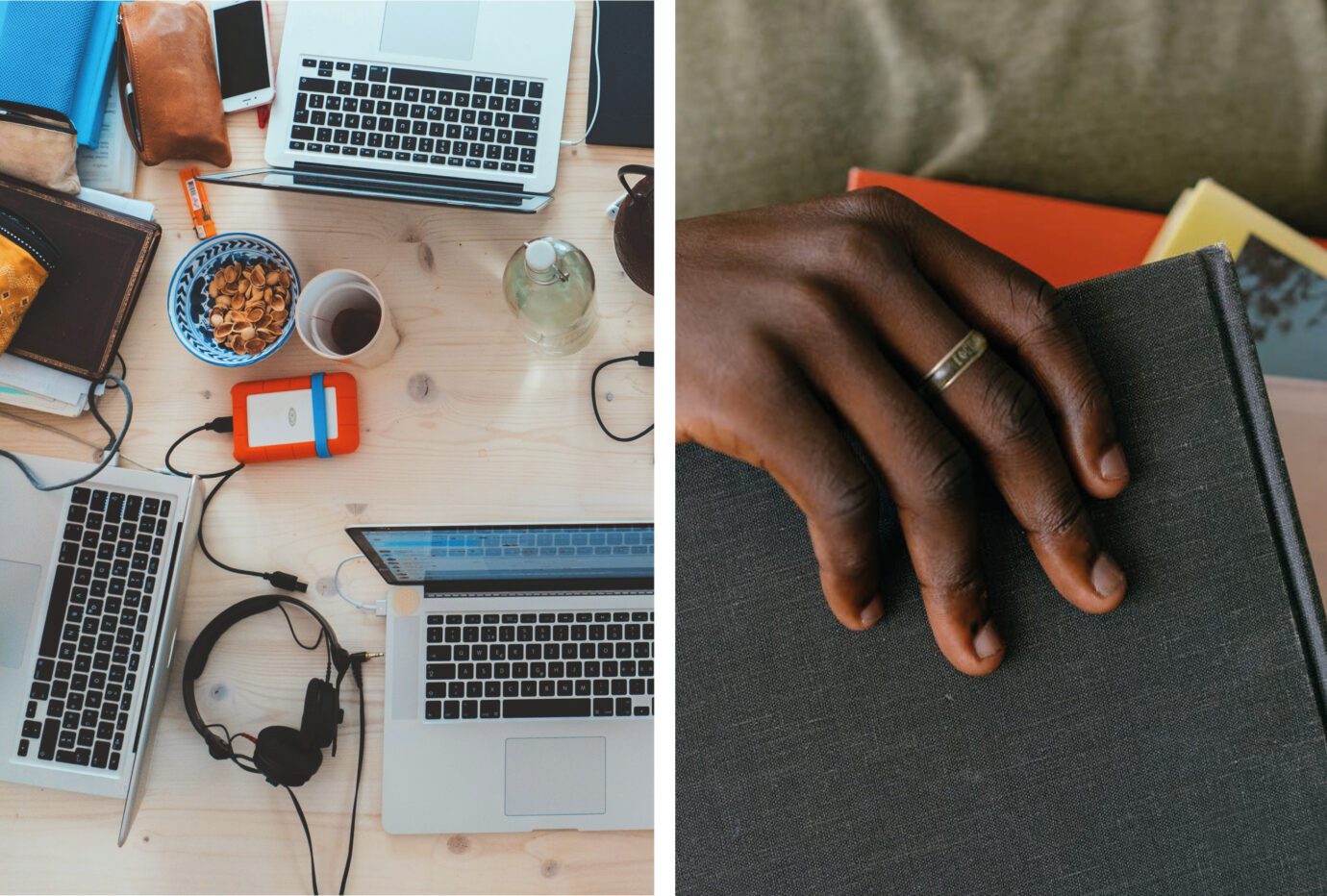
If we now compare an alternative reception of the same content via an e-book, various sensory perceptions are no longer required: A download onto a device encased in glass, plastic and metal takes place in seconds. The content can then only be received in two dimensions. The corresponding stimuli that were originally intended for the medium are missing. And yet non-verbal messages have shifted to the digital realm on the screen. Completely dematerialised, they now only appeal to the optic nerve. Web, apps, emails, posts or push messages - attention should be focussed on content on many levels. However, humans are adaptable and manage to be even more selective in this new digital environment. Visual messages are scanned subconsciously, checked for relevance and, if necessary, suppressed. All of this happens before we even consider the content of the message. This selective reception protects against sensory overload and often prevents a deeper examination of the content.
A plea in favour of haptics
This makes it all the more important to give the other senses more appreciation and weighting in perception. Haptics continue to play an important role in communication. And many of us hold messages printed on paper in our hands every day. This will not change any time soon, even in view of the wide range of digital offerings. High-quality paper with a special surface creates associations and supports the message that is printed on it. Refining the paper by changing its shape, punching or embossing, a multi-dimensional print, special printing techniques and a creative fold can act as a catalyst for greater attention. The content thus also becomes a special haptic experience.
Cover picture: Perfecto Capucine/Pexels
Authors

Valerie Bachert is a journalist, chief of staff and sustainability officer. She is interested in the areas of organic farming, conscious consumption, species extinction, social injustice and sustainable nutrition.

As a senior editor, Benjamin Seibring specialises in developing content on sustainability, mobility, technology and lifestyle. An editorial traineeship at a German media group and his many years of experience in corporate publishing form the basis. With a high affinity for trend topics and innovative AI tools, he implements cross-media storytelling.