Oh no, recycled paper. Really now?
25.02.2018 - In the age of digitalisation, how does Steinbeis Papier fit into the expanding world of displays, apps and clouds? Consumers keep asking us this question. And we at Steinbeis answer: printing and copying paper made from 100 per cent recycled paper has by no means passed its zenith. On the contrary. People still like to print a lot - in companies, ministries and offices. Even if communication, administration and business processes are becoming increasingly digital, the analogue product paper remains a part of this development. And as recycled paper, it does something extraordinary: it contributes to the preservation of biodiversity. So if paper, then recycled paper. Really now!
Intensive use of paper in offices
Printing and copying paper continues to be used intensively and in large quantities. One example: There are around 21 million employees in administrations and offices, each of whom prints out around 25 sheets of paper per day. Despite the switch to electronic files, document management, collaboration platforms, etc., we are still a long way from the paperless office - which, incidentally, has been talked about for over 10 years. Various surveys confirm that there is still a relatively high level of paper loyalty among employees and that processes are often archived in files. Just as an aside: modern recycled paper can be archived for several hundred years. A product characteristic to which the Federal Environment Agency[1] refers and which DIN 6738 confirms.
It's about more than recycled paper, it's about sustainability
Increasing the use of recycled printing and copying paper in consumer groups is one goal. Another is to promote sustainability as an industry and business model in our sector. Developments in the ecological footprint confirm the correctness and necessity of what we have been doing successfully for over 40 years: To consistently utilise the potential of the circular economy and sustainability across the entire value chain - from procurement to production and the use of raw materials and resources. To reduce the consumption of valuable resources such as water, energy and wood. Environmentalists warn: Germany had already overspent resources in April 2017. Scientists assume that the ecological footprint will continue to grow and that humanity will need two planets by 2030 to satisfy its demand for resources and raw materials. The film "Downsizing" with Matt Damon deals with this topic. As a company that relies on resources to ensure productivity, we had already undertaken an "ecological modelling" of our industrial site in the 1970s. In line with the principle of "paper made from paper", we only produce paper from 100% recycled paper.
REDUCING THE ECOLOGICAL FOOTPRINT
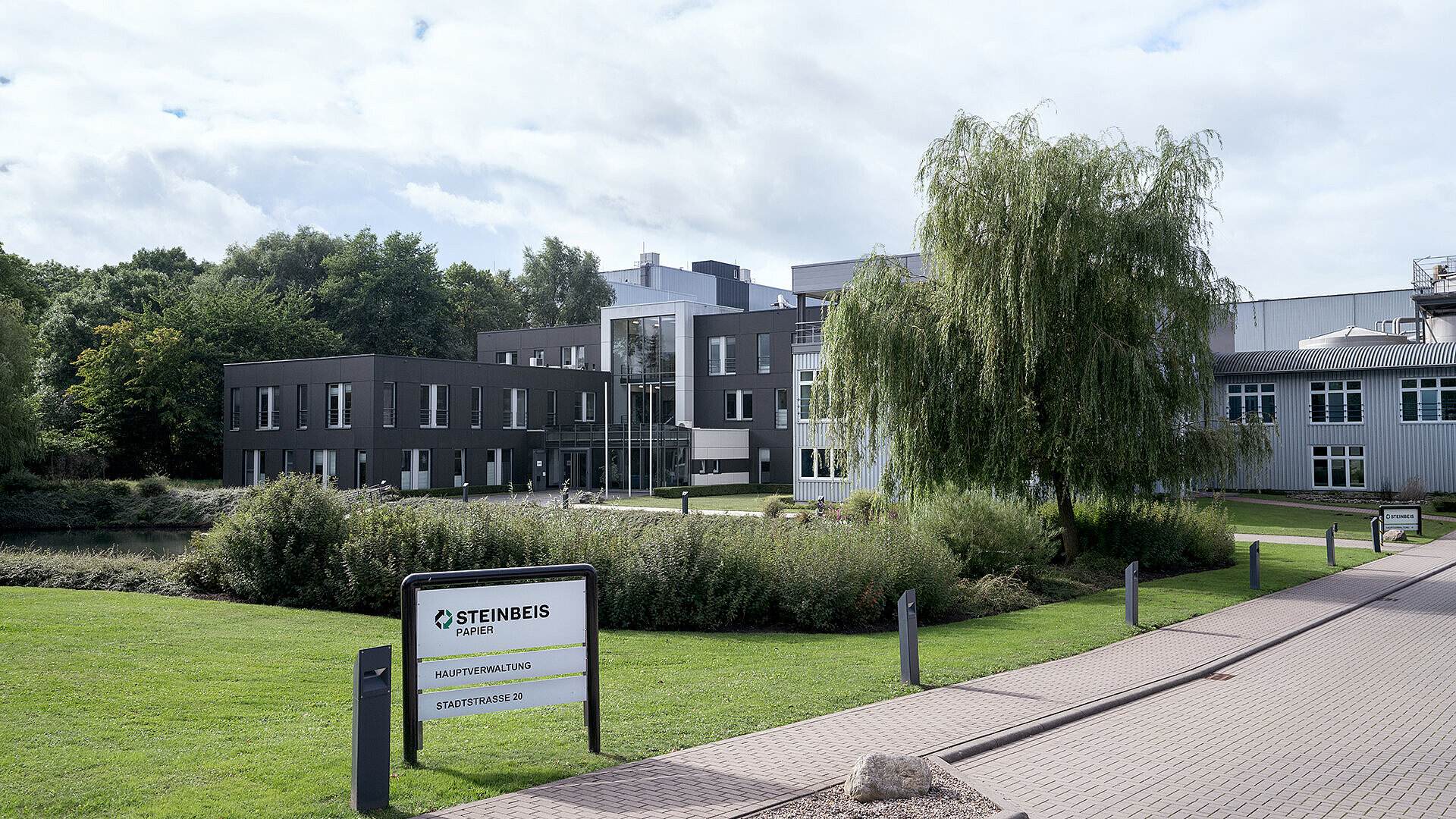
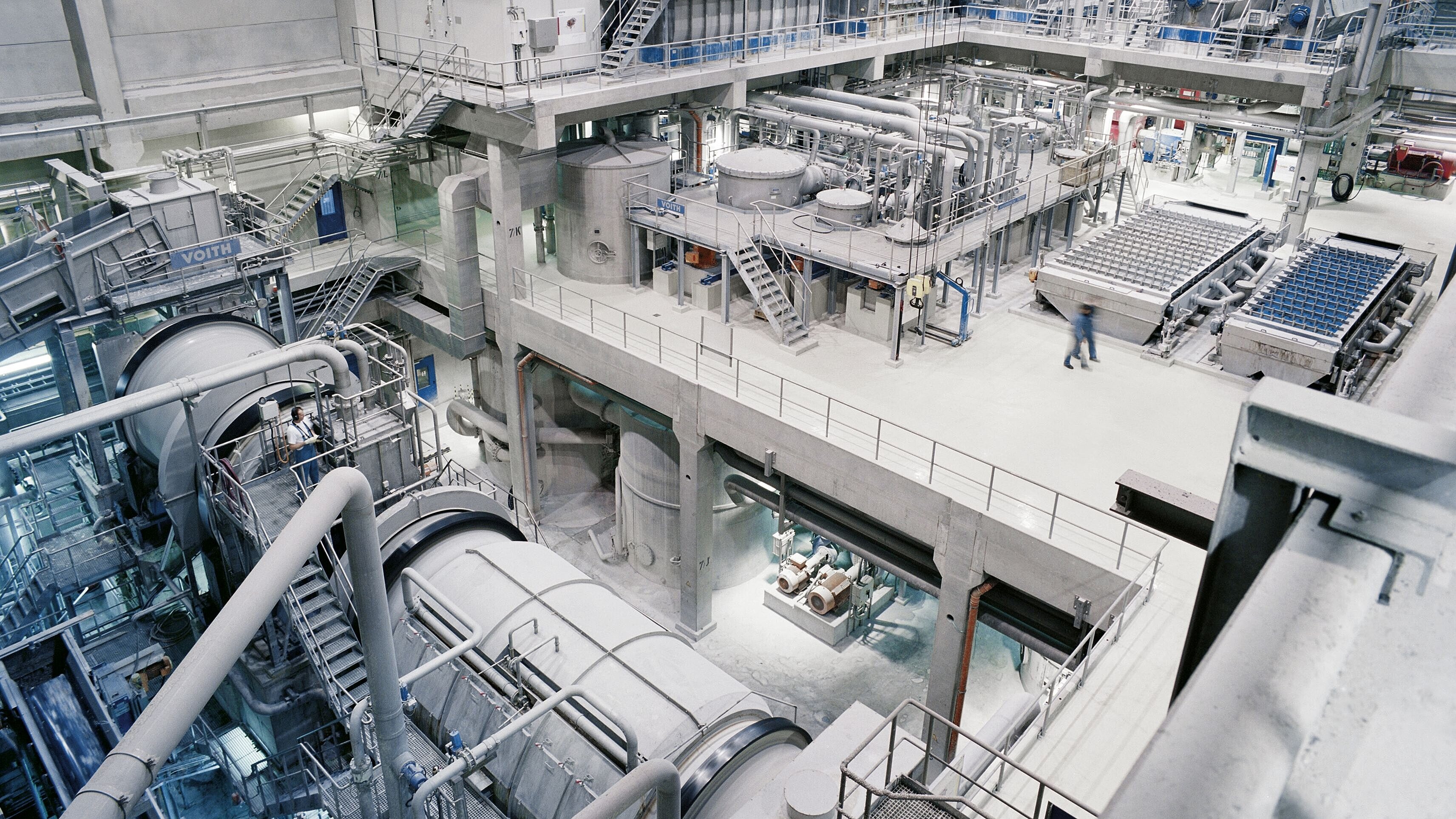
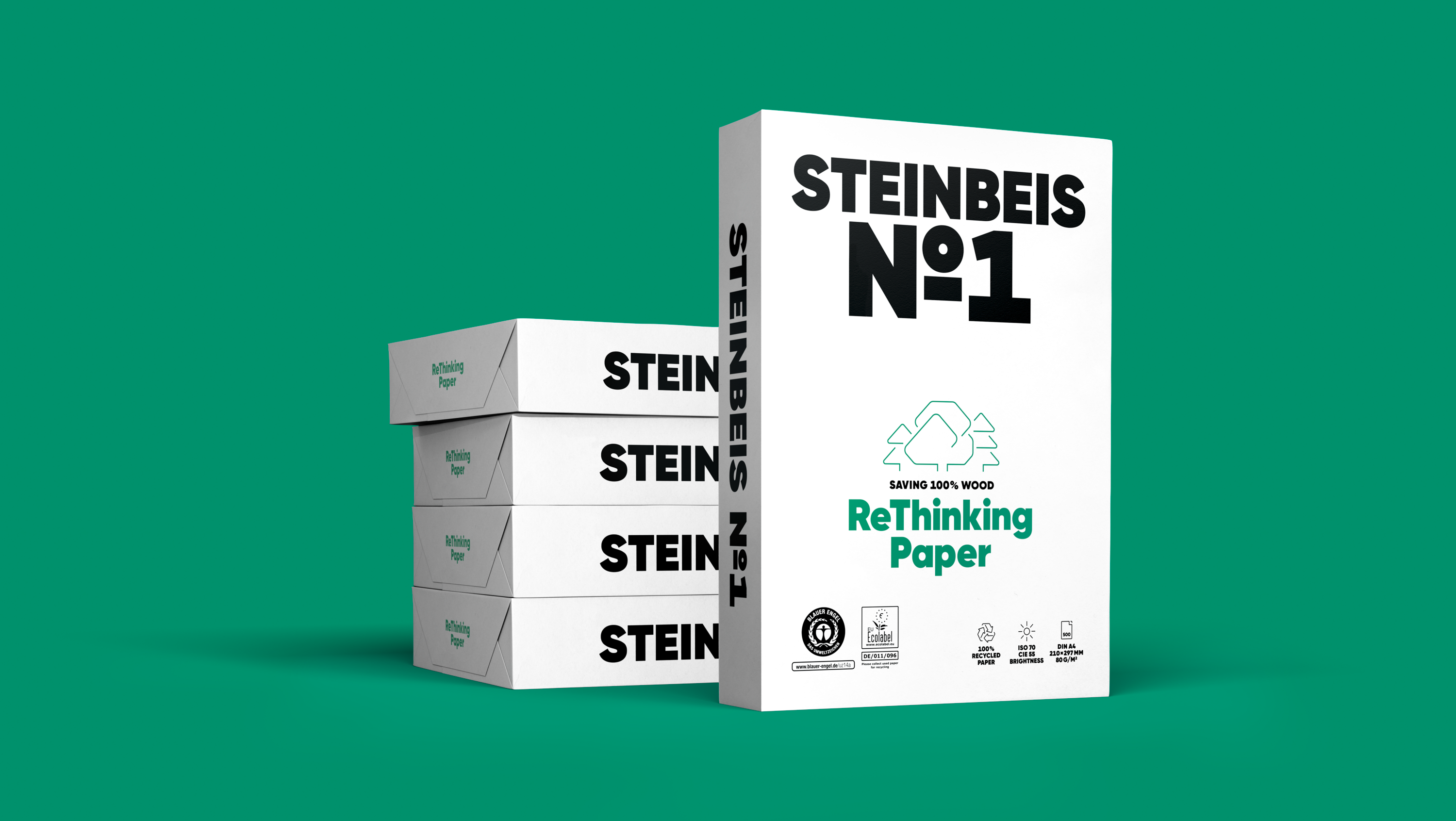
As a traditional paper company founded in 1911, Steinbeis knows both sides. Traditional paper production, which is based on primary raw materials and intensive use of water and energy. And thelow-CO2, resource- and environmentally friendly production of office, magazine and digital printing papers. Steinbeis operates one of the most modern recycled paper mills in Europe with its waste paper utilisation, the energy-efficient CHP (combined heat and power) plant integrated at the site and the ecologically integrated manufacturing processes. Paper decision-makers and purchasers in companies are also increasingly demanding sustainable printing and copying papers - many of which are of Blue Angel quality, i.e. made from 100 per cent recycled paper. Measures to protect the environment, resources and climate, the green office and the reduction of the ecological footprint are approaches that are being pursued and propagated in companies of all sizes. Recycled paper is an effective and central measure to counteract the massive consumption of resources and emphasise sustainability. And they look good to boot: the modern generation of bright white recycled paper. So: recycled paper? Oh, yes.
Cover picture: iStockphoto
[1] Federal Environment Agency, recycled paper, answers to frequently asked questions, www.umweltbundesamt.de/sites/default/files/medien/378/publikationen/faq_recyclingpapier_0.pdf
Author
Responsible for marketing, social media and e-business at Steinbeis Papier. Circular economy, recycling and biodiversity are the topics close to the heart of the graduate business economist. Enthusiastic blogger for the Steinbeis editorial team.