Mother Nature: master of recycling
12.04.2022 - We are surrounded by natural cycles. Some are very obvious to us every day, others take place more inconspicuously. What they all have in common is that they interlock like cogwheels. Everything on Earth is part of a large, complex circulatory system in which nothing is wasted. The earth is a master at not producing waste. We take a closer look at how different cycles on Earth are connected, where they take place and the sometimes curious symbioses that have developed since the beginning of time.
In the air
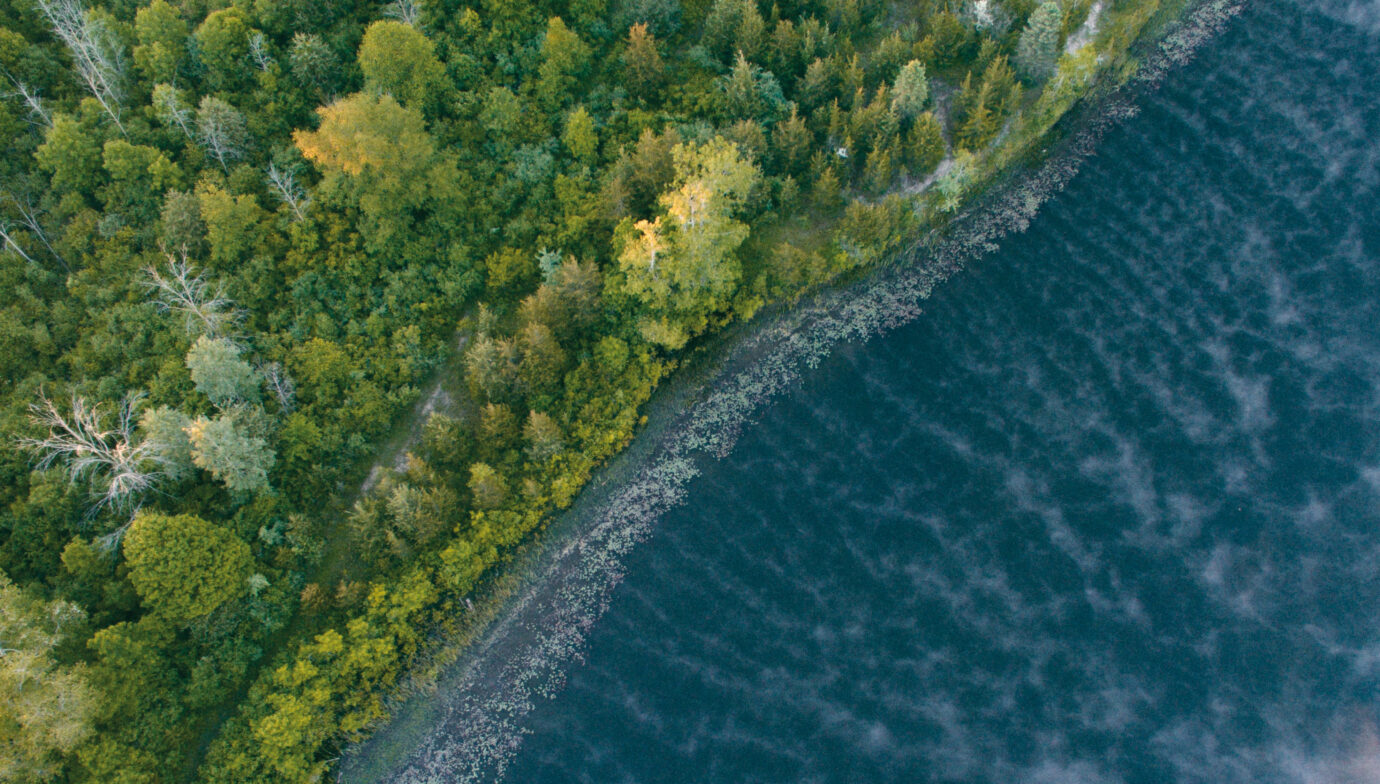
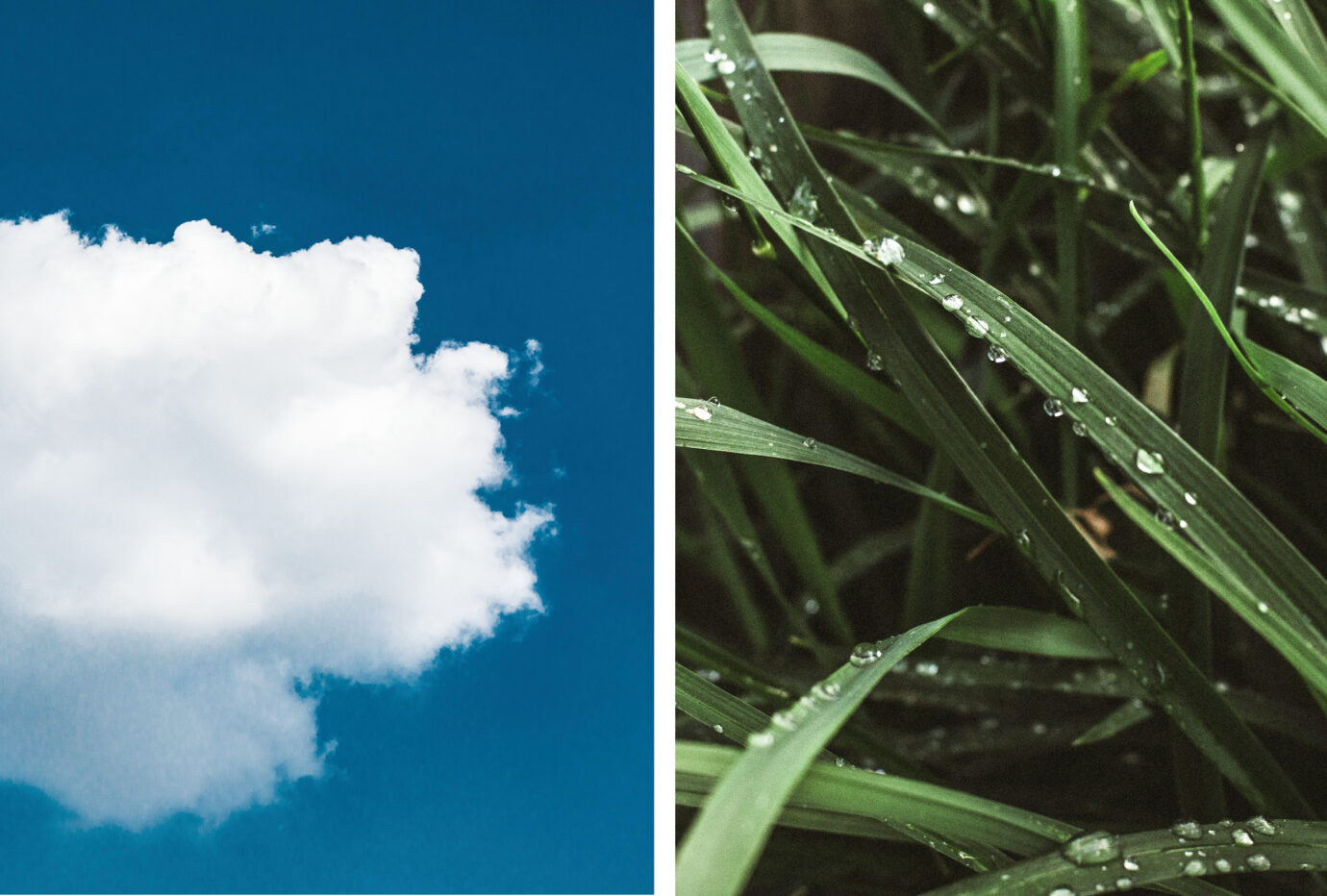
One of the most well-known cycles on earth is that of water. When surface water, for example from the oceans and lakes, evaporates due to solar radiation, it rises as water vapour and collects in fine droplets as clouds. As more water vapour gradually rises, the tiny droplets become larger and larger until they are finally too heavy to remain in the atmosphere. The result: it rains, the cycle can start all over again and every drop is utilised. Rain also plays an important role on land: here it seeps into the ground, replenishes the groundwater reserves and thus supplies numerous plants and creatures.1
Human intervention removes a lot of water from the cycle and makes some of it unusable through industrial use. For example, chemicals or crude oil mean that water has to be treated at great expense before it can be returned to the earth's natural cycles. In order to preserve nature, it is important to pay attention to how we use water.
In the forest
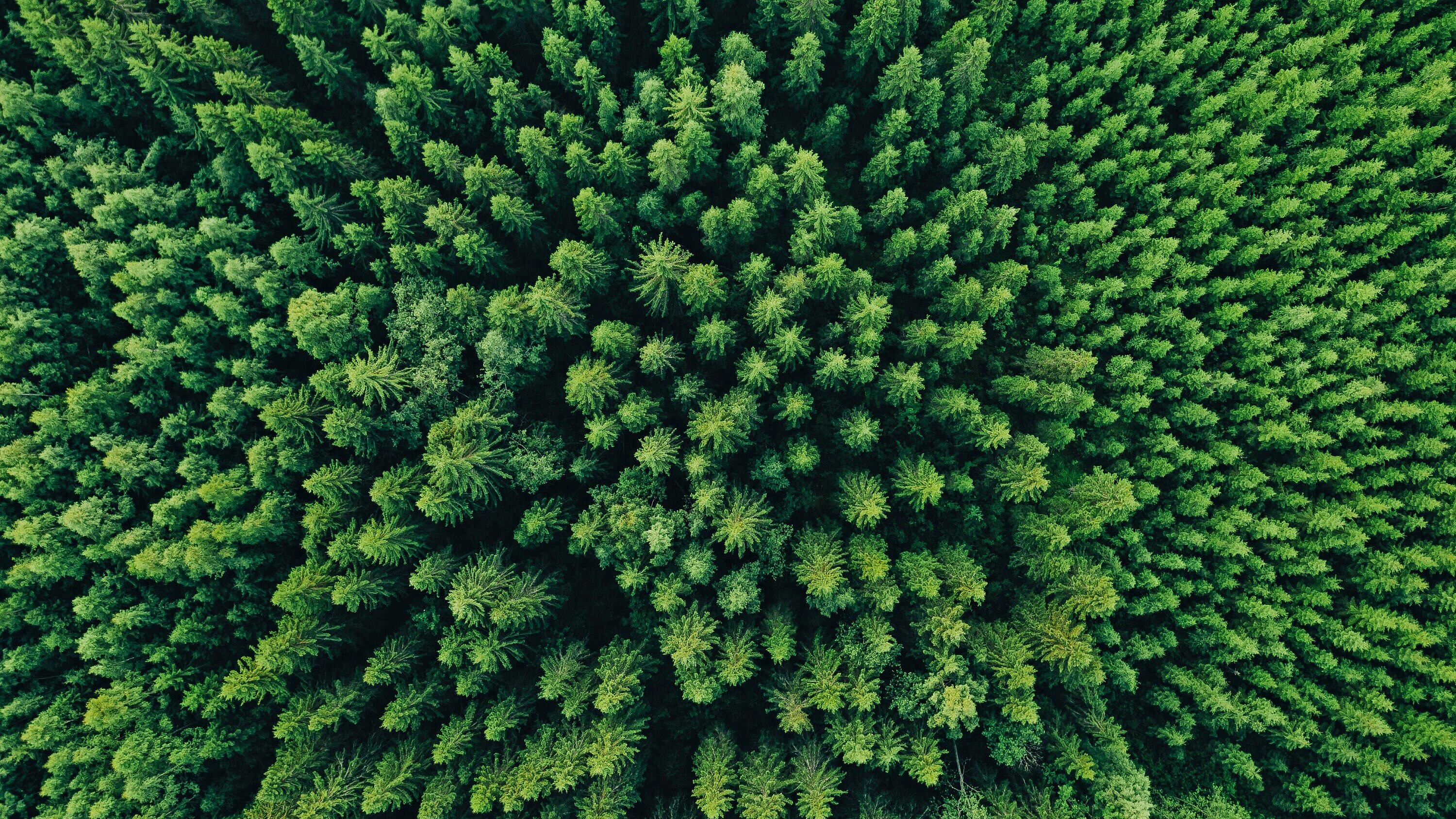
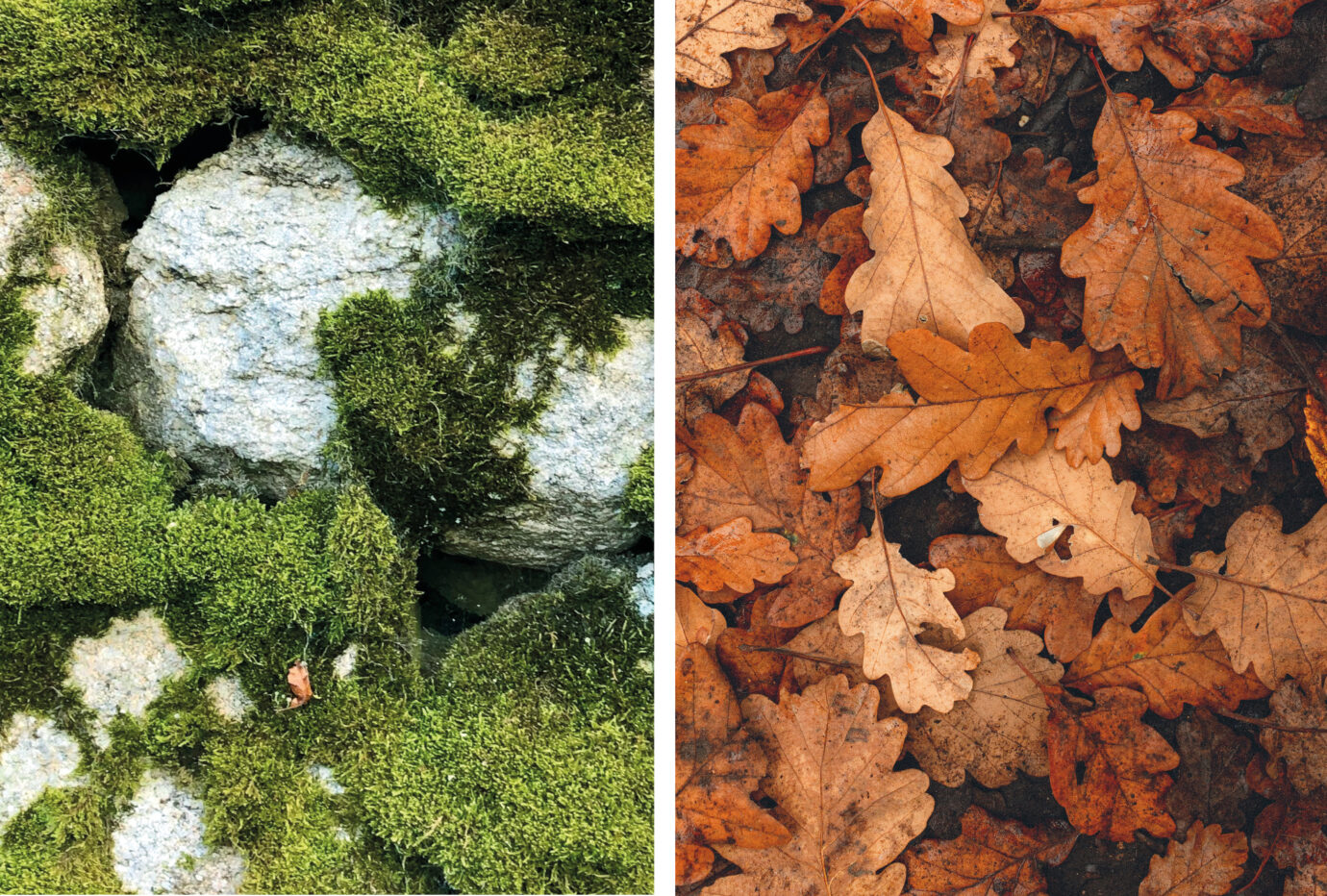
Our forests are already optimised in terms of recycling management. As the seasons change, so does the forest. A special spectacle occurs every year in autumn when the deciduous trees shed their leaves. This is when we enter the carbon cycle, as the leaves - just like living organisms, plant parts, excretions and even rocks - act as carbon stores. While the leaves are still on the tree, they convert the carbon dioxide (CO2 - a compound of carbon and oxygen) contained in the atmosphere into oxygen and glucose using photosynthesis. When the leaves fall to the ground in autumn, they form a valuable layer of insulation and food on the forest floor for all kinds of (micro)organisms. By eating and digesting the leaves, they not only produce nutrient-rich humus for surrounding plants, but also absorb the carbon stored in the leaves, which is returned to the atmosphere through respiration. Once the carbon is back in the air, photosynthesis can start again in spring when new leaves form.1
The carbon cycle is of course not limited to the leaf piles in our forests - it can be found everywhere. It is particularly relevant in relation to global warming because forests, peatlands and oil are huge carbon reservoirs that have been pooling the Earth'sCO2 for thousands of years and creating a balance. By destroying these natural reservoirs, more carbon is released into the atmosphere than can be captured, causing the earth to warm up.
In the desert
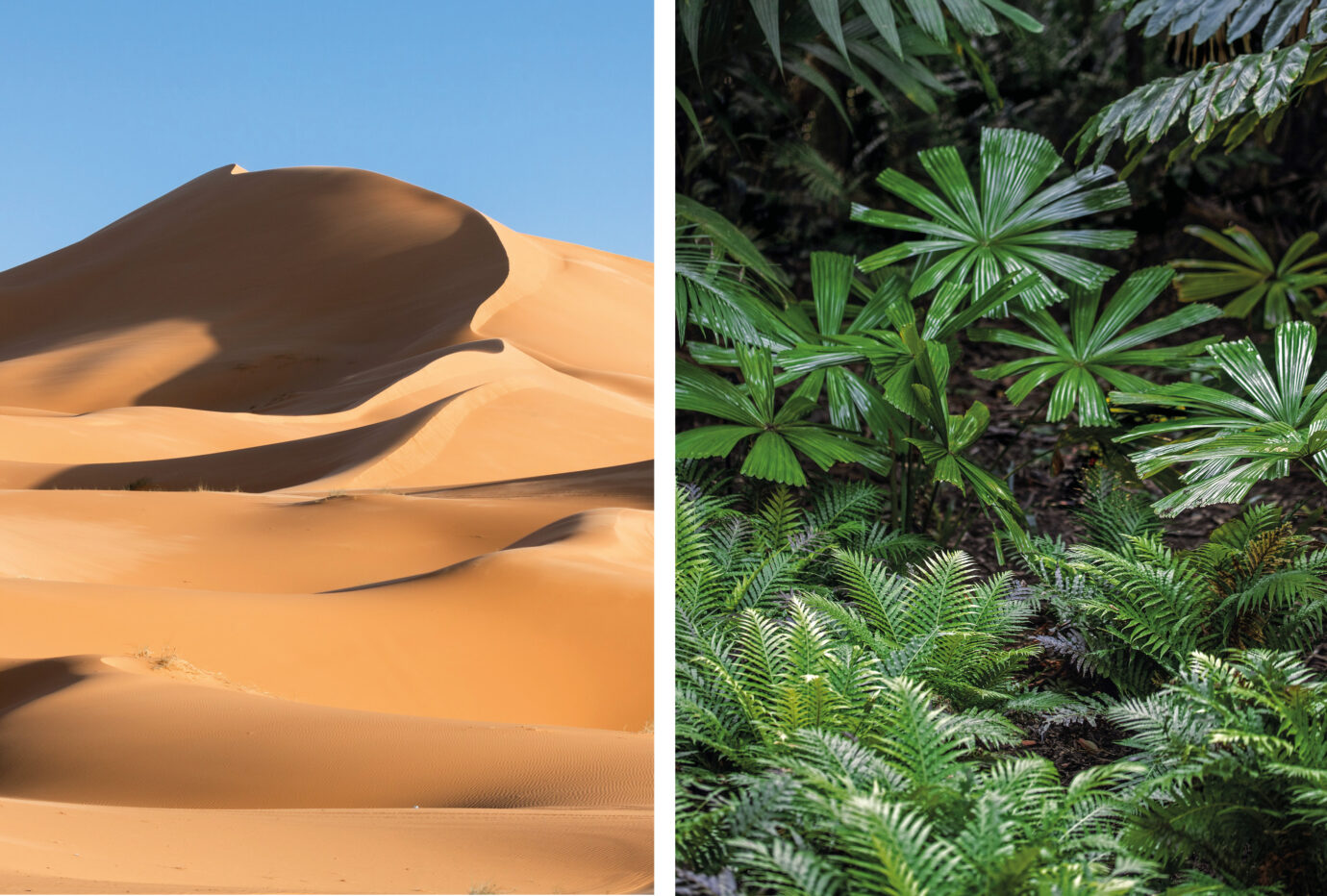
Saharan sand, like most rocks, is rich in nutrients and minerals. So it makes sense that millions of years ago, the gigantic desert was a landscape rich in vegetation in which plants could thrive. According to researchers, it is quite possible that the Sahara region will one day be green again. But the seemingly dead landscape also plays an important role in the ecological balance: paradoxically, the hot and dry desert serves as a cold shield for the earth and reflects as much as 15 per cent more solar radiation than a greened area.2 It is also crucial for the global nutrient cycle. Its dust, which is spread across the world by the tonne by the wind, fertilises the ancient, nutrient-poor rainforest soils of the Amazon, for example. In fact, Saharan dust is one of the main suppliers of nutrients.3 By fertilising the soil, it enables flora and fauna to thrive in the rainforest. As the rainforest is the green lung of our planet - and, like the native forests, stores a huge amount of carbon and converts it into oxygen - the Sahara also makes a significant contribution to climate protection.
In the water
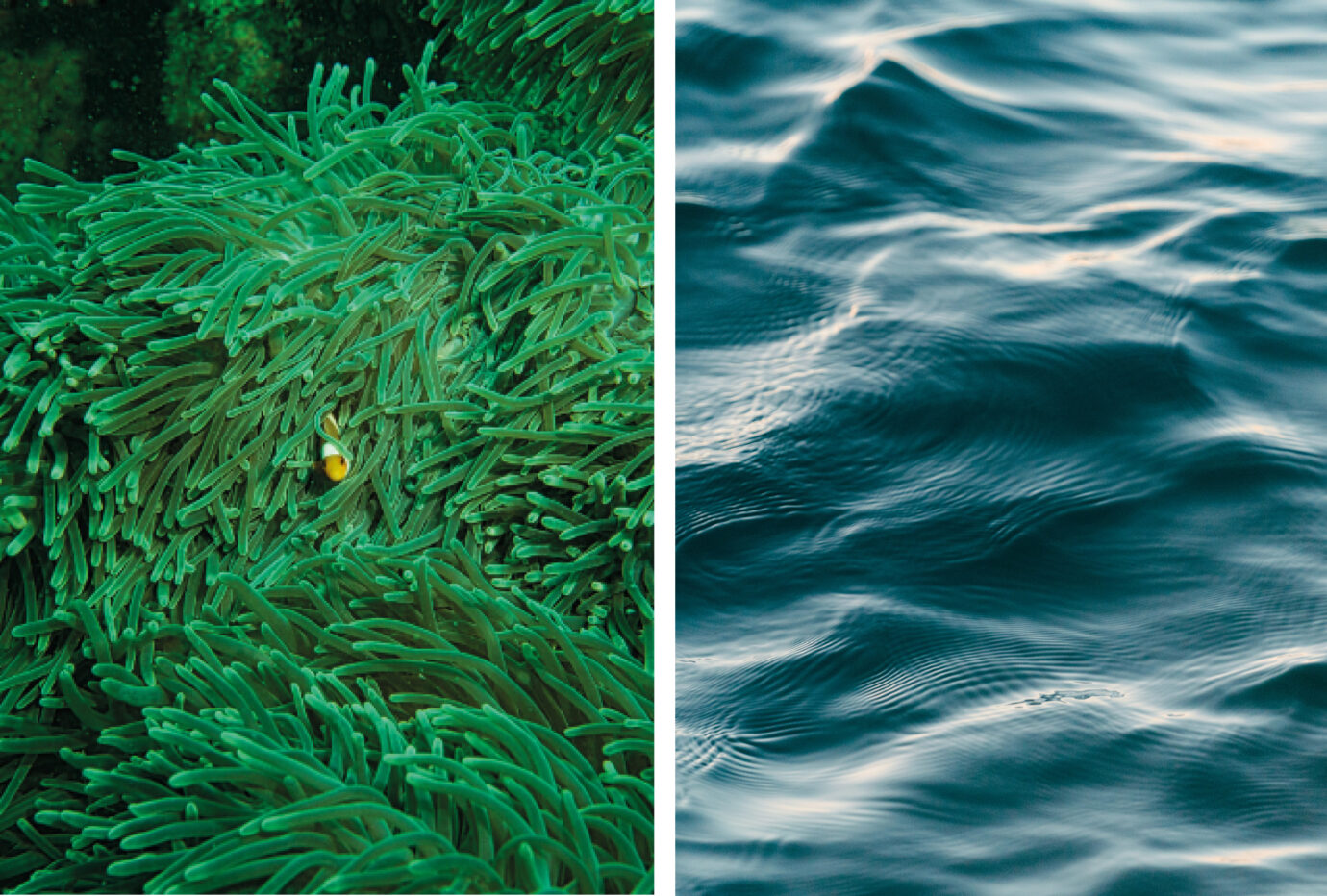
The fascinating cycles of the earth can also be found in the depths of the oceans. Whales, for example, are an elementary component of healthy oceans and contribute to climate protection. According to scientists, they are about as important for the ocean as trees are for a forest. The giant creatures consume tonnes of krill and fish every day, binding large amounts of carbon in their bodies. Their excrement fertilises phytoplankton, which is the basis of life for many herbivores4 and also produces half of the oxygen in the atmosphere.5 Even whale carcasses still provide food for up to 400 species. Researchers discovered this by dumping stranded animals in the ocean. This enabled them to record the position, find the whale carcass in the depths of the ocean and observe what happens to the whale. The whales first provide a rich buffet for sharks, eels and larger crabs on the light- and plant-poor seabed, then for many microorganisms such as worms, crabs, snails and bacteria. This is where meat scraps, fat and bones are decomposed. Seawater flushes important nutrients from the bones, allowing underwater plants to thrive.6 They form the food base for herbivores, which sometimes feed predators. This cycle contributes to the balance of the oceans. To ensure that it can continue to function, it is important to protect the oceans and their inhabitants.
Even if it seems as if some processes only take place on a small scale, they usually have a global impact and also influence other cycles on Earth. Despite the different habitats, there is a constant exchange between land, air and ocean. Carbon, food and nutrient cycles are part of a large, complex interplay of different cycles that are interdependent. Each particle is constantly being utilised and has a task. This is not always obvious at first glance, because on our ancient planet the processes sometimes take thousands of years to reach the next stage. Time enough to optimally harmonise with each other. So there is still a lot that mankind can and should learn when it comes to recycling.
Out of the cycle, for the cycle
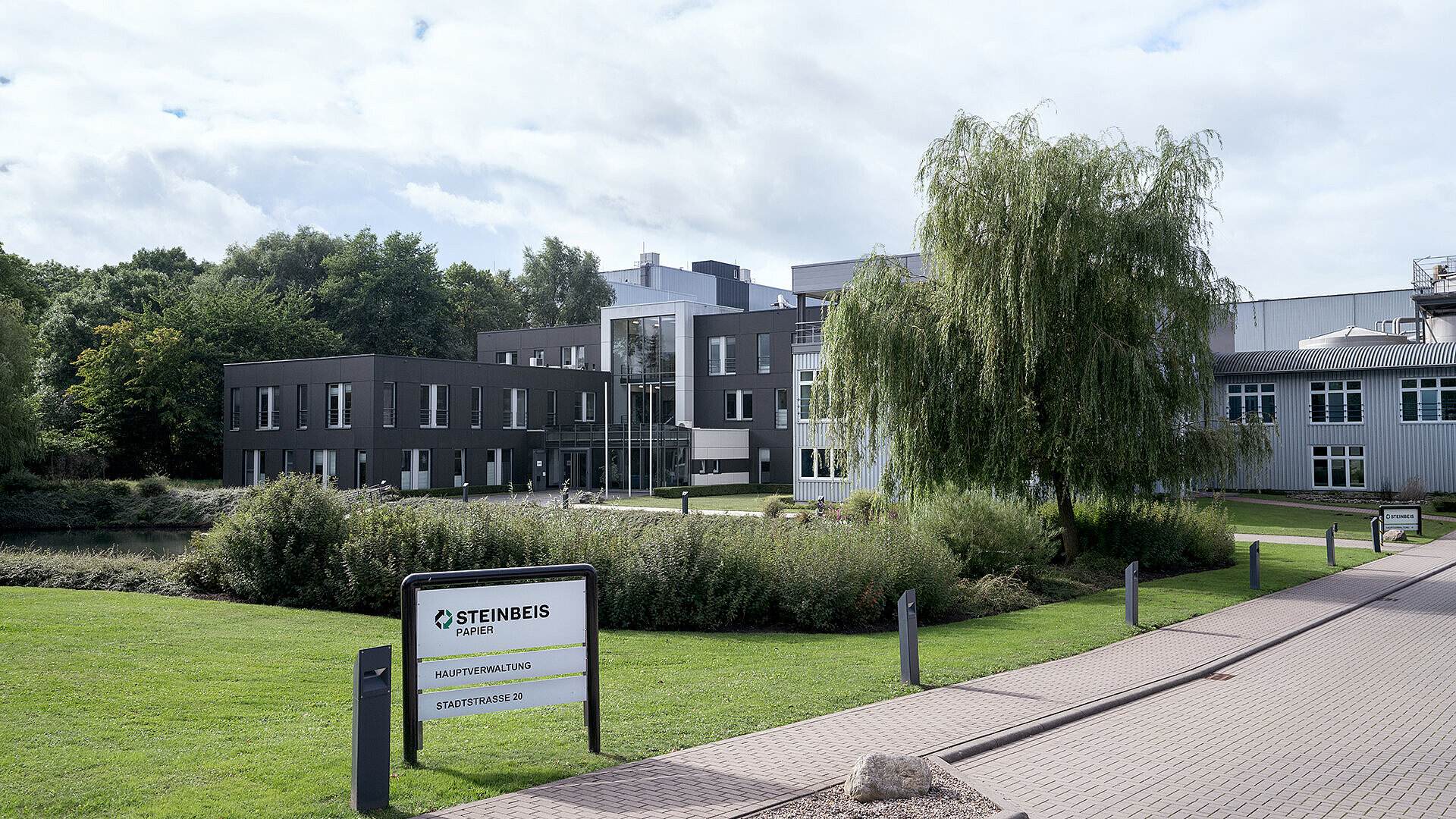
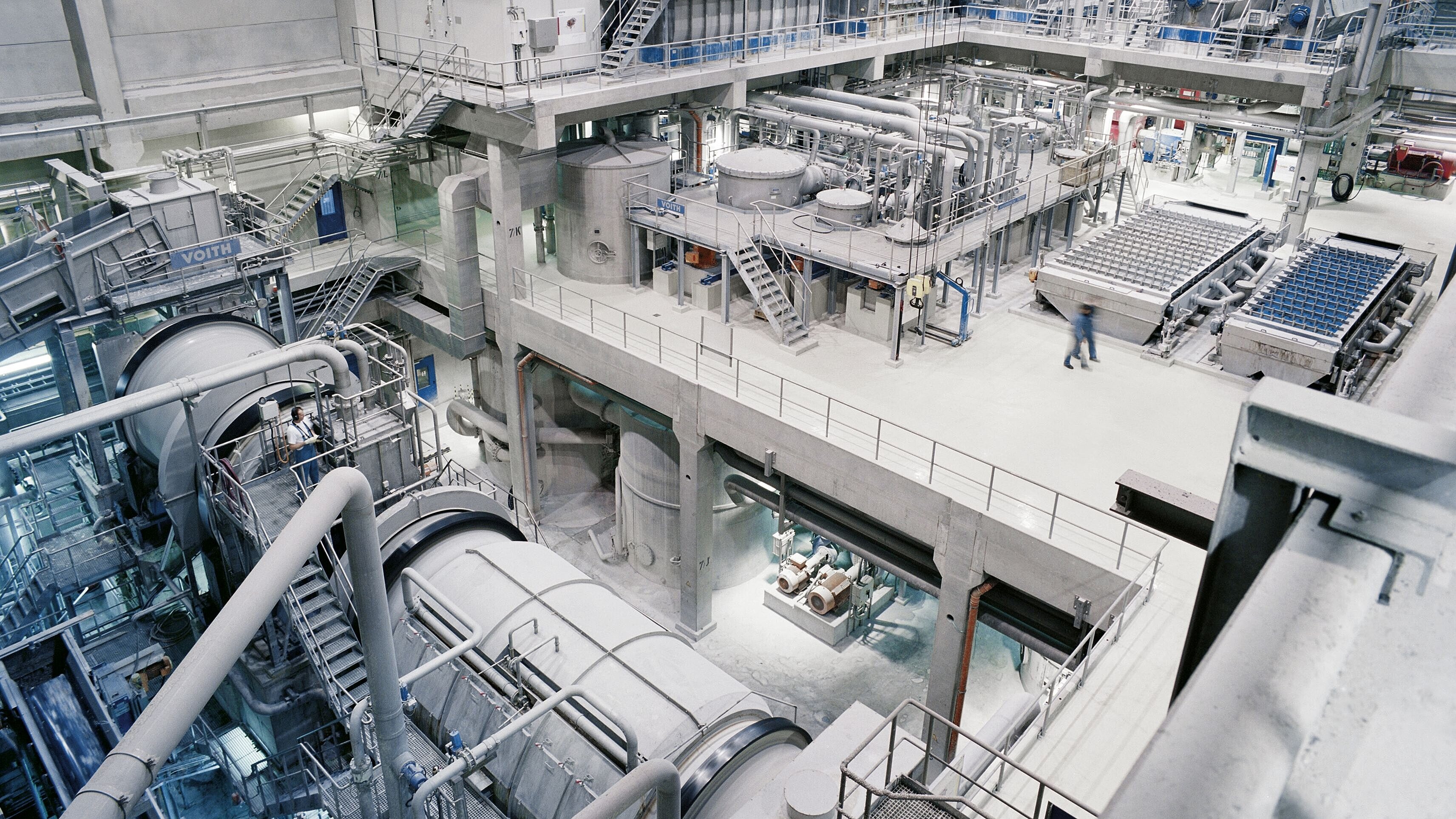
Following nature's example, production chains are increasingly being organised in cycles - as has been the case at Steinbeis Papier for decades. Sustainability is the company's DNA here, and closing material, energy and water cycles helps to conserve resources and avoid waste. The aim is always to utilise the product or the raw materials it contains for as long as possible through reuse and recycling. As little waste as possible is produced and as few new resources as possible are used.
Cover picture: Aaron Burden/Unsplash
Co-author: Ann-Katrin Kulossa
Sources:
- Biology - Simple Club: Carbon cycle
- Spectrum: How the Sahara became a desert
- Welt der Physik: Sahara dust fertilises the Amazon rainforest
- br: Gardener of the seas
- WDC: The green whale
- Animal world: Scavengers under water
Author

Valerie Bachert is a journalist, chief of staff and sustainability officer. She is interested in the areas of organic farming, conscious consumption, species extinction, social injustice and sustainable nutrition.