Minimalism - when less is more
21.09.2021 - Mountains of clothes, overflowing drawers and cluttered corners - a lot can accumulate at home over the years. Many people lose track of all the material things they own. Here are five tips for a minimalist lifestyle.
No, living a minimalist lifestyle doesn't necessarily mean getting rid of as many material things as possible. Rather, it is about consciously doing without material things, consuming mindfully and making space for what is really necessary. It is a reduction to the essentials, as we know it from the concepts of the same name in architecture or art. Because in the abundance of things, it is easy to lose sight of the essentials. People who live a minimalist lifestyle are convinced that you will be happier with fewer material possessions. The less you own, the less you have to worry about. Mountains of laundry become smaller, non-existent decorations don't have to be dusted off and it's easier to choose outfits.
Even Diogenes lived a minimalist life
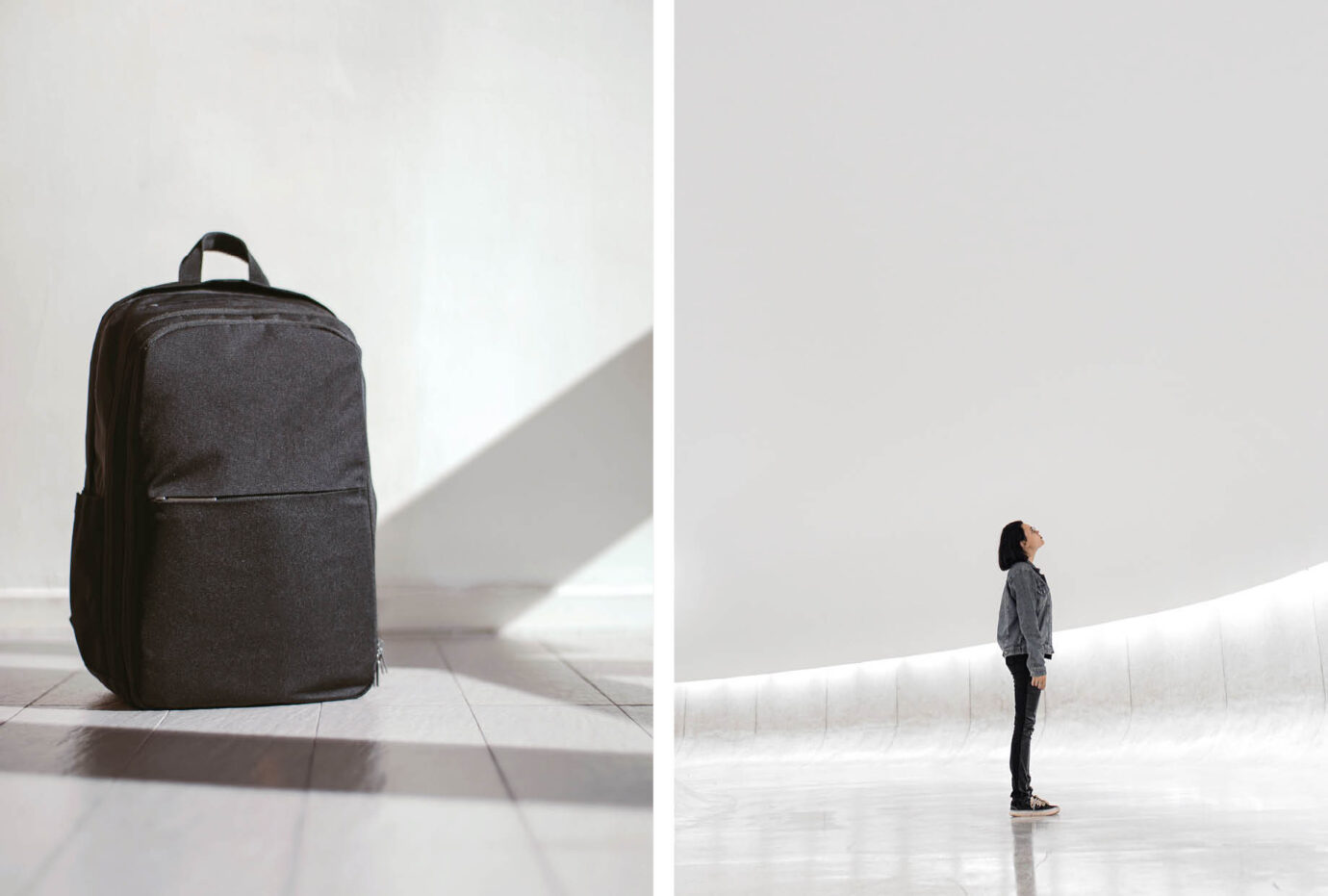
The idea of a simple life has become a trend in recent years as an alternative to constant consumption. The origins of minimalism go back to ancient times. Around 400 years before Christ, the philosopher Diogenes of Sinope consciously lived with few possessions. All he had with him was a barrel in which he slept, a rucksack, a coat and a stick. When asked by Alexander the Great what he wanted, he simply said: "Get out of the sun a little."
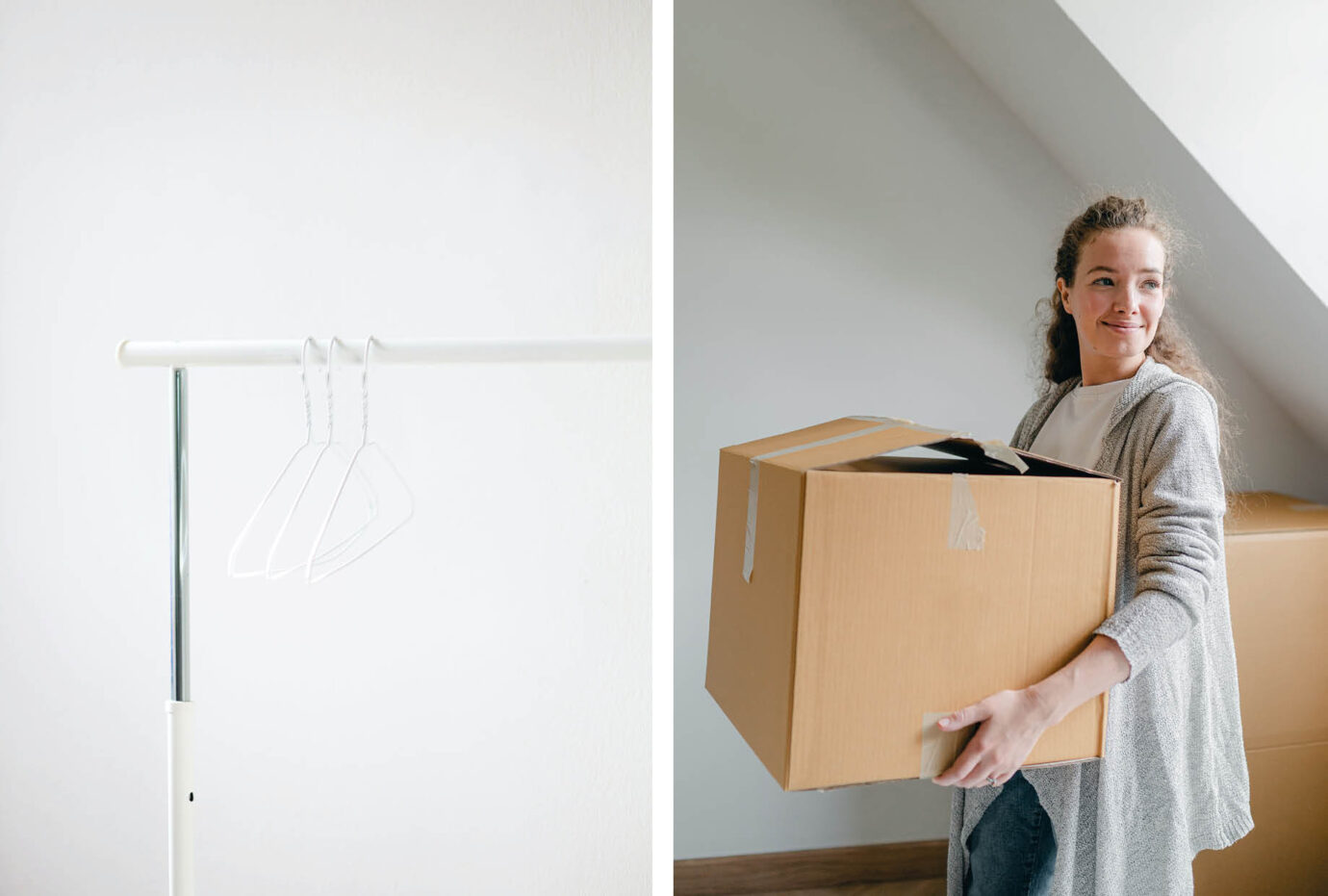
Many people experience a feeling of liberation, clarity and calm when they have a good clear-out at home and get rid of clutter - literally and figuratively. James Altucher is considered the pioneer of the minimalism movement. The former millionaire only owns 15 things. Equipped only with a rucksack, he moves between friends' flats and Airbnb flats. "For me, having few things means that I don't have to think about the things I own," writes James Altucher in his blog. He doesn't buy what doesn't fit in his pocket. Cédric Waldburger is also one of the most famous representatives of the minimalist lifestyle. "Yes, I like white walls, empty rooms and tidy desks," he said in an interview with "Ooom" magazine. "I feel like it gives me more space in my head."
Minimalists are good for the planet
Eating less meat, flying less often and saving more electricity - apart from the fact that a minimalist lifestyle is good for the soul and mind, it also makes an important contribution to the environment. After all, minimalism and sustainability go hand in hand. People who consume more consciously do not buy clothes from the latest collection of the fast fashion industry every season. Keyword: quality over quantity. Many minimalists also find what they are looking for in second-hand shops or borrow and lend material items online. By reusing existing resources, everything remains in a cycle. This in turn reduces the environmental impact of new production.
5 tips for a minimalist lifestyle
1. the KonMari method - "Keep what makes you happy"
Japanese counsellor Marie Kondō helps people to declutter. The bestselling author gives courses and seminars in which she teaches how to throw away and tidy up and presents these as the starting point for inner order. She achieved her breakthrough with her reality series on Netflix. The "KonMari method" contains the following principles:
- Tidy up everything at once, in a short time and perfectly
- All the things to tidy up are collected in one pile
- Decide what to keep based on the question: Does it make me happy when I pick up this item?
- Each item you keep is assigned its place
- All items must be put away correctly
2. start small
It's better to start with a small number of things that you want to get rid of than to start a major clean-out straight away. It's best not to start with your favourite mementos. Instead, you will find it much easier if you start by tidying up the unemotional corners of the house, such as the cutlery and crockery drawer in the kitchen. You can approach other areas step by step.
3. take photos of emotional objects
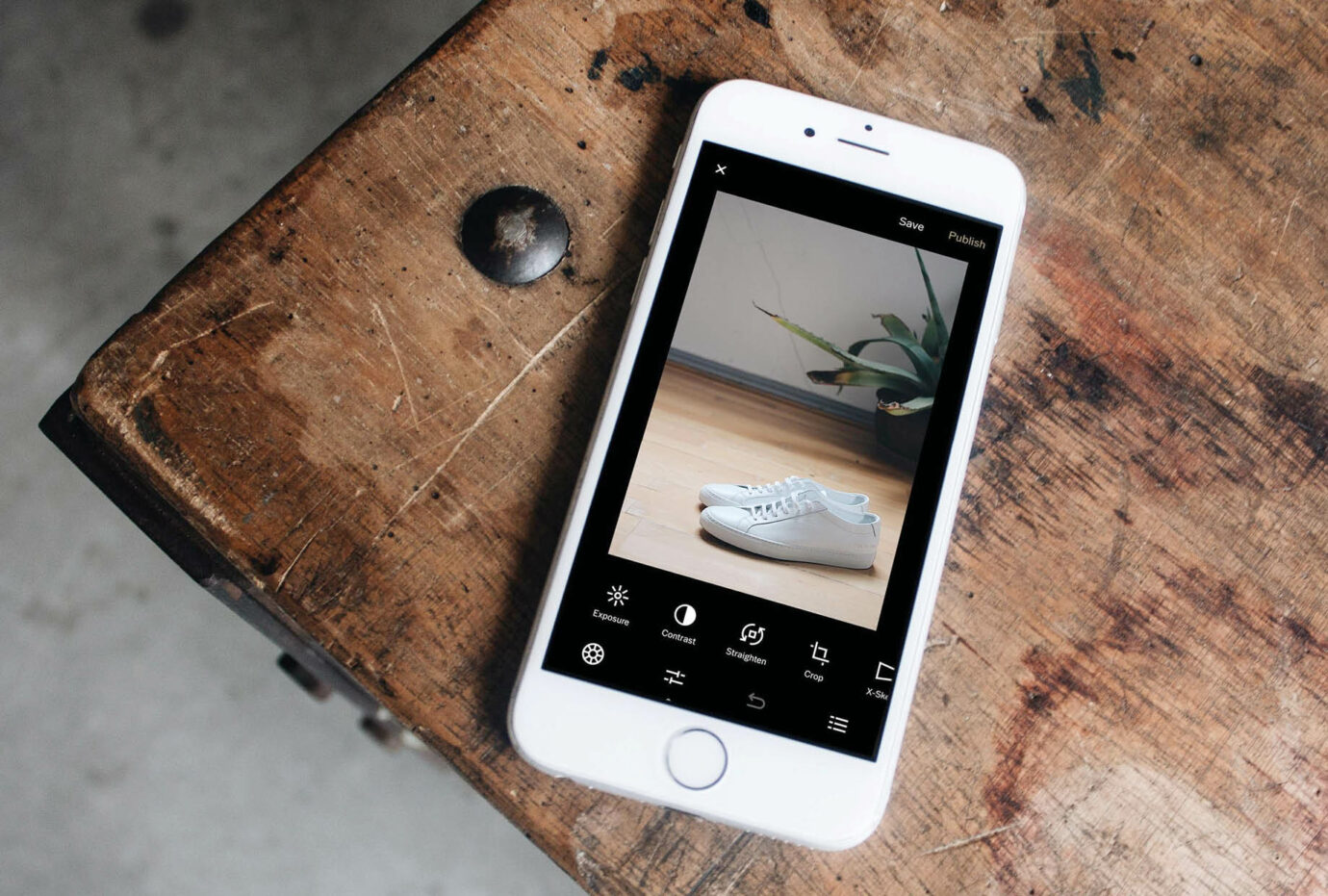
Some material things are not easy to part with. Perhaps because the item was a gift or is linked to a specific memory. However, we don't actually use these things. A little tip: take a photo of the items. This gives you the security of being able to look at them whenever you want. This helps you to let go.
4. get rid of discarded items - but sustainably
After sorting out, it's all about getting rid of things. Throwing everything in a bin would be a waste. There are more sustainable options, such as selling your items at a local flea market or on digital platforms such as Vinted, Kleiderkorb, Ebay Kleinanzeigen or Mädchenflohmarkt. Alternatively, you can donate your items or give them away.
5. how to stay minimalist
Sorting out and getting rid of clothes and items is one thing. Internalising the minimalist lifestyle and implementing it in the long term is the real challenge. How do you actually manage to maintain a minimalist lifestyle after a big tidy-up? One method is to keep everything - clothes, food, books, objects - as visible as possible and avoid storing them in the farthest corner of the cupboards. This way you can keep an eye on everything and don't forget what you have, so you don't buy anything unnecessary or even duplicates.
Before you buy something new, consider whether borrowing, swapping or repairing is an option. This is not only cheaper, but also sustainable. Another method is to sort out another item for every new item you buy. This way, nothing piles up and you remain minimalist.
Cover picture: Andrew Neel/Unsplash
Sources:
www.ooom.com/digital/cedric-waldburger-der-minimalist/5/
https://genugteam.com/was-ist-minimalismus/
https://jamesaltucher.com/blog/minimalism-brought-freedom-joy/
https://de.wikipedia.org/wiki/Marie_Kond%C5%8D
https://www.smarticular.net/minimalistisch-leben-einsteiger-methode-ausmisten-aufraeumen/
Author

Nadia Riaz-Ahmed is an online editor. She is most interested in everything to do with digitalization and new technologies.