Marketing trends 2019 - between digitalisation and sustainability.

17.01.2019 - New year, new marketing trends. What are the challenges facing retailers and consumers? As in 2018, the trends include "personalisation (data-driven marketing), artificial intelligence and social media". Intelligent data analysis is a must-have tool in modern marketing. In the age of digital change, consumers expect a personalised approach at the points of contact. Companies must adapt to this, regardless of whether they are small, medium-sized or large. In connection with big and small data, AI solutions are also becoming increasingly interesting for retail and sales-orientated companies, for use in automated product information and technology-based content marketing
"Authenticity" and "social media" trend:
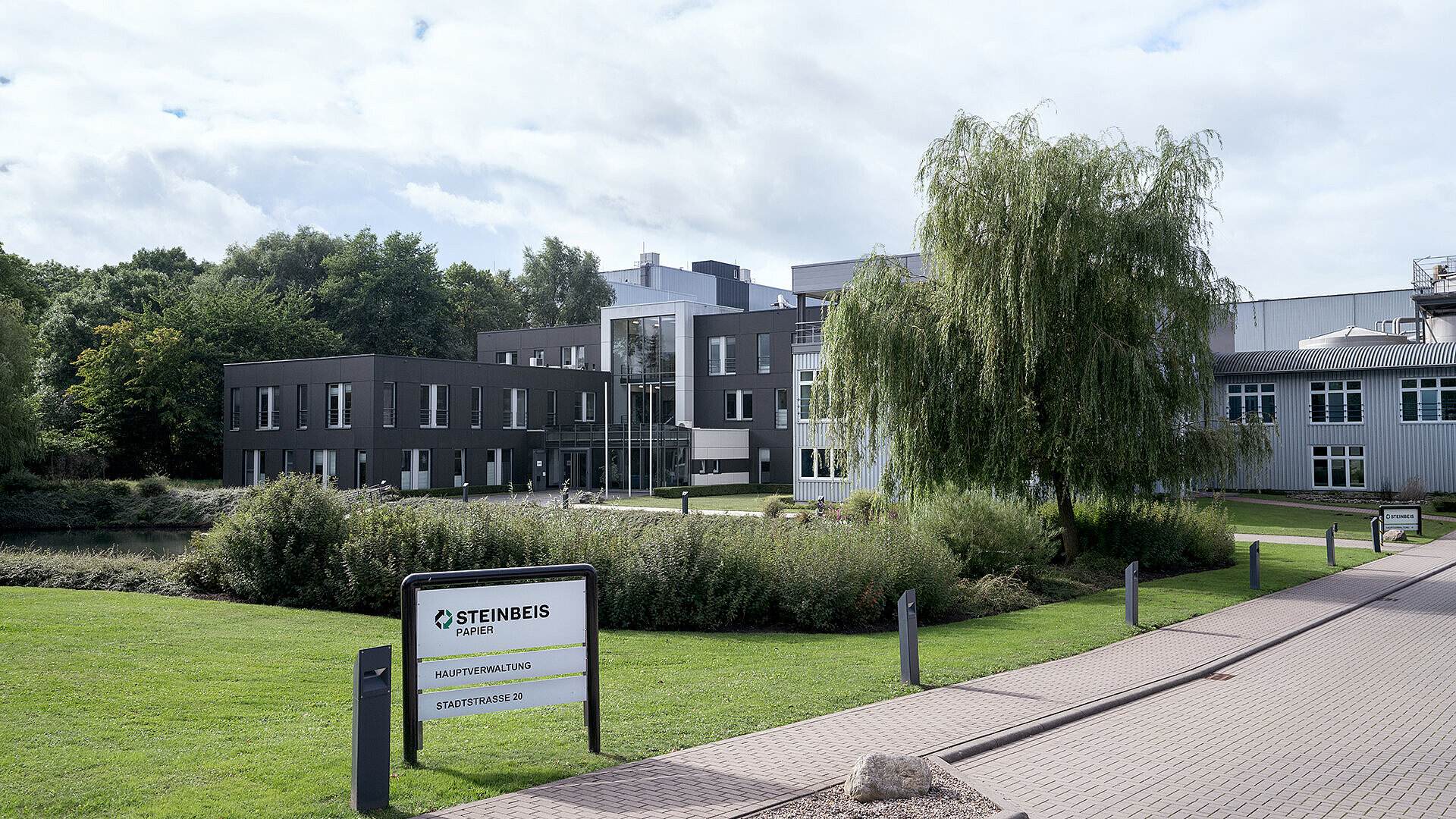
AT THE TOP OF THE AGENDA AT STEINBEIS PAPIER
As a paper manufacturer, Steinbeis has begun to expand the area of digital services and multi-channel dialogue in addition to its intelligent solutions in ordering, invoicing and logistics processes. The aim is to be present at the contact points of the customer journey and to be able to feed enquiries directly into the sales organisations of our retail partners. This also includes intensifying our involvement in social media - Facebook, Twitter, LinkedIn. Authenticity is important to us when it comes to content. This is a trend that will become increasingly important for retailers and consumers in 2019 and is in line with our value philosophy. This is about open communication that provides insights into the company and delivers credible content and messages. Our new marketing campaign #wirtunwasdafuer realises this. It provides relevant background knowledge about manufacturing processes and our branded products and explains the sustainable quality of our products and why they contribute to the protection of the environment and biodiversity. Consumers today also want to be able to justify why they choose a brand. This demonstrates the importance of content marketing in communication.
Sustainability trend:
INCREASING IMPORTANCE OF CERTIFICATIONS
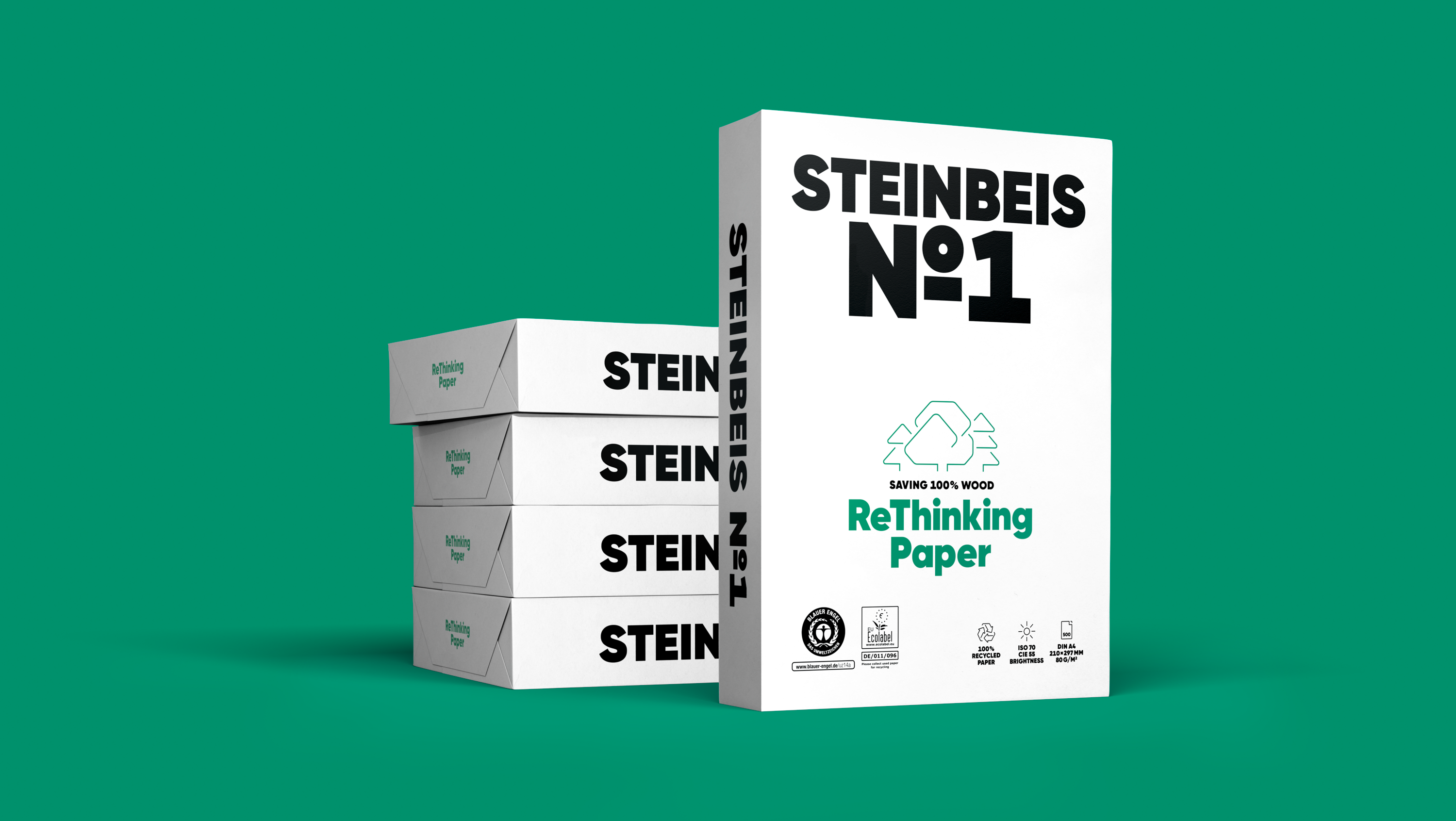
Steinbeis has been pursuing a CSR agenda for decades. How will sustainability continue to develop as a trend in 2019? Experts confirm that relevant certifications play a key role in verifying and confirming sustainable production methods, processes and products. They are a credibility test for the consumer that the product is authentic and sustainable - from sourcing and production to product characteristics. ISO and/or DIN certifications and environmental labels such as the Blue Angel are important for consumers, but also for purchasers and buyers in companies and public administration. For the paper industry, there has been a decisive innovation in ageing resistance. ISO 20494 confirms the archivability of paper on the basis of the latest research. This is enormously important for public administration authorities such as federal and state archives. Tenders can be supplemented by ISO 20494 with regard to ageing resistance. The Blue Angel, the most recognised environmental certificate, is also an important component in paper tenders from the public sector and companies. It confirms that a paper has been manufactured from 100 per cent recycled paper and without the use of chemicals that are harmful to health. Certifications must be continuously improved and adapted to current developments. The award criteria for the Blue Angel are also constantly being concretised and improved. Initial target specifications will presumably become mandatory specifications at some point, as is currently the case with the whiteness specification.
Trend towards sustainable consumption:
CONSUMERS WANT TO REDUCE THEIR CARBON FOOTPRINT
Various consumer studies, such as the survey conducted by the market research company Nielsen, confirm that sustainable products and manufacturing processes are important to more and more consumers. More than half of the respondents from 60 countries stated that organic, sustainable production and the socially responsible attitude of the company were important to them when making purchasing decisions*. Solutions that consumers can use to help reduce their carbon footprint are in demand - primarily in the areas of energy, mobility, food and fashion as well as consumer goods. Climate change will further increase the focus on sustainable consumer awareness and behaviour. However, consumers will also pay even more attention to whether and how companies act and how much substance and authenticity there is behind the CSR claim.
Cover picture: iStockphoto
Author

Responsible for marketing, social media and e-business at Steinbeis Papier. Circular economy, recycling and biodiversity are the topics close to the heart of the graduate business economist. Enthusiastic blogger for the Steinbeis editorial team.