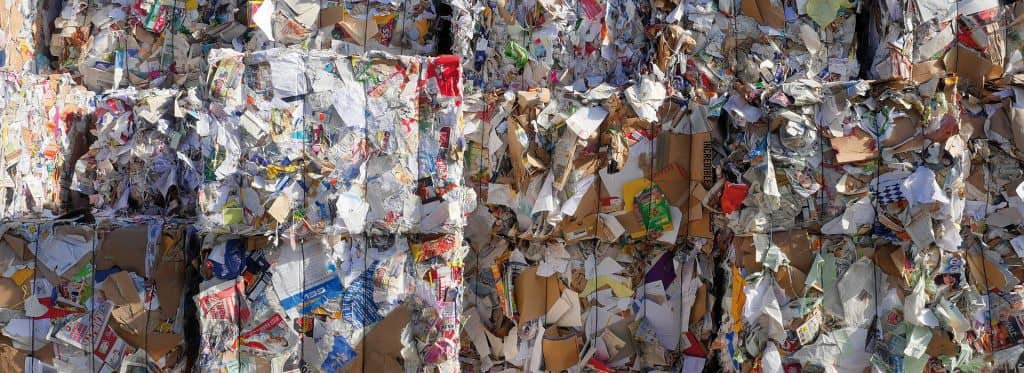
How we can extend product life cycles with recycling
14.03.2018 - It sounds contradictory at first: consumers buy, use and dispose of paper and still contribute to protecting the environment and conserving valuable resources. They read the daily newspaper in the morning before going to work, print out texts or notes for meetings at work, write a shopping list during the day and find their bank statement in their letterbox in the evening. How can this be environmentally friendly? It depends on proper disposal - and of course on high-quality recycled paper.
In many companies, the phrase "Before printing think about the environment" is already an integral part of the e-mail signature. There is no doubt that paper consumption within a company can be reduced in this way. Employees are sensitised to the issue and do not print out every email before they go into a meeting or a customer discussion, but instead increasingly reach for their laptop or tablet. However, many documents are still printed: pay slips, invoices and expense reports usually end up on the desks of employees and managers in paper form. Not to mention documents from the tax office or other state authorities.
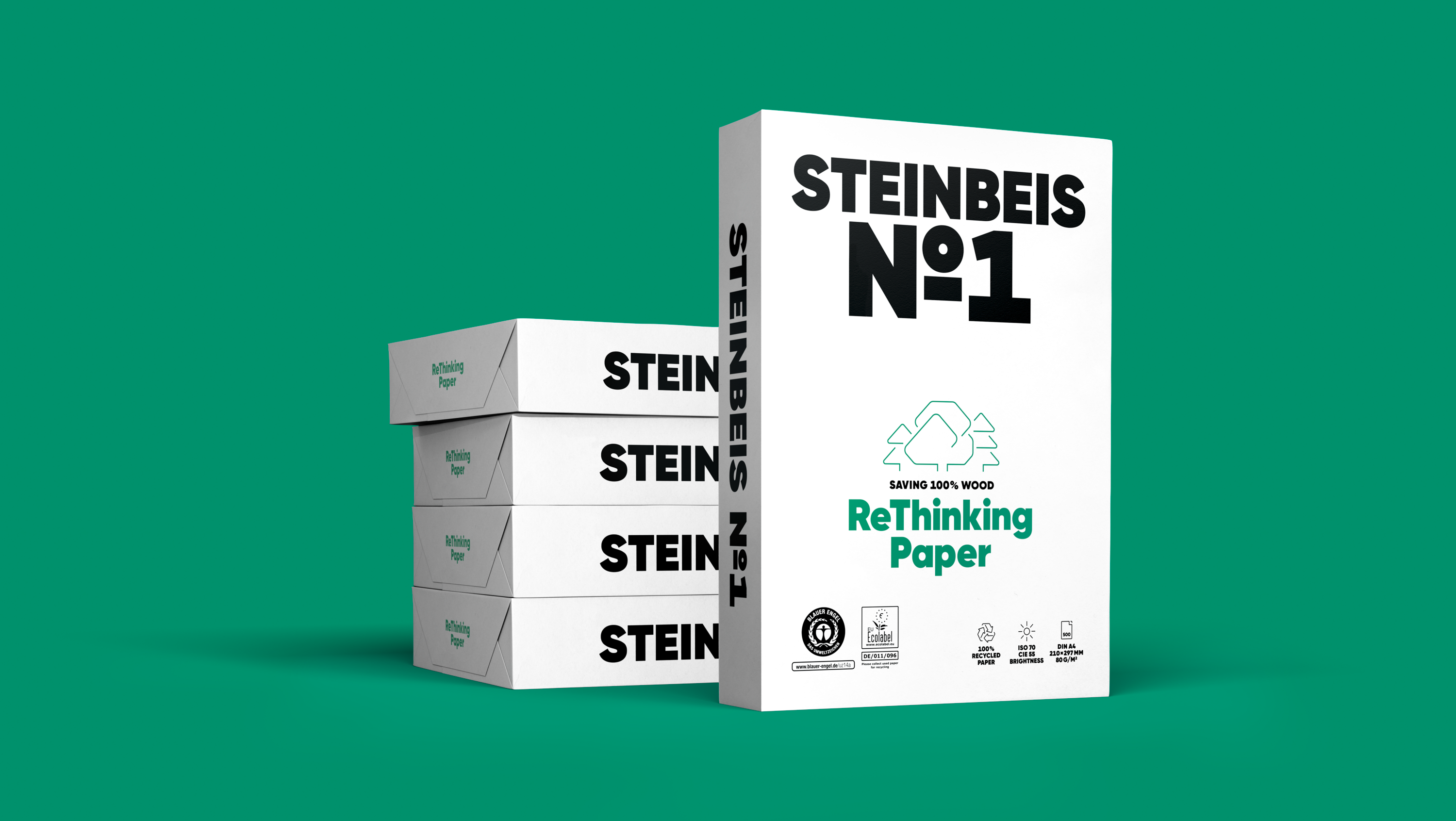
Recycled paper - a prime example of longer product life cycles & resource conservation
According to the environmental protection organisation WWF, per capita paper consumption in Germany is around 250 kg per year. Germany ranks second behind the USA in the list of the world's largest paper importers. At the same time, hardly any other country in the world collects as much waste paper as Germany. And it is precisely this factor that is decisive. After all, those who dispose of printed materials correctly utilise the highly technical value creation potential of the circular and recycling economy. At the same time, they ensure that primary raw materials are used less frequently. In social media circles, this type of consumer is known as a "prosumer". They consume paper products and at the same time contribute to extending raw material and product lifecycles (through proper waste paper separation).
An active contribution to global environmental protection
Every year, traditional paper production destroys 12 to 15 million hectares of forest worldwide, an area around three times the size of Switzerland. In other words, every two seconds a piece of forest the size of a football pitch is cleared. This example clearly shows the enormous importance that must be attached to the responsible use of resources. It is not only global deforestation that has direct and dramatic consequences for the climate (keyword: greenhouse effect). The transport of wood from tropical countries all over the world also seriously worsens the ecological balance.
"There are a whole range of good reasons in favour of recycled paper. These include the fact that the production of recycled paper requires considerably less water and considerably less energy than the production of virgin fibre paper."
Andreas Detzel, Institute for Energy and Environmental Research (IFEU) in Heidelberg
Companies or private individuals who opt for recycled paper can make an active contribution to reducing this environmental impact. The former also do something for their image as a forward-thinking and responsible company. "There are a number of good reasons in favour of recycled paper," Andreas Detzel from the Institute for Energy and Environmental Research (IFEU) in Heidelberg told Bayerischer Rundfunk. "These include the fact that the production of recycled paper requires considerably less water and considerably less energy than the production of virgin fibre paper." According to IFEU, the energy savings amount to up to 60 per cent and the water savings to as much as 70 per cent.CO2 emissions are also reduced and less waste is produced. In practical terms, preparing seven sheets of recycled paper saves as much energy as it takes to make a cup of coffee. Against this background, your morning coffee at work should taste better after all.
No loss of quality and price due to longer product life cycles
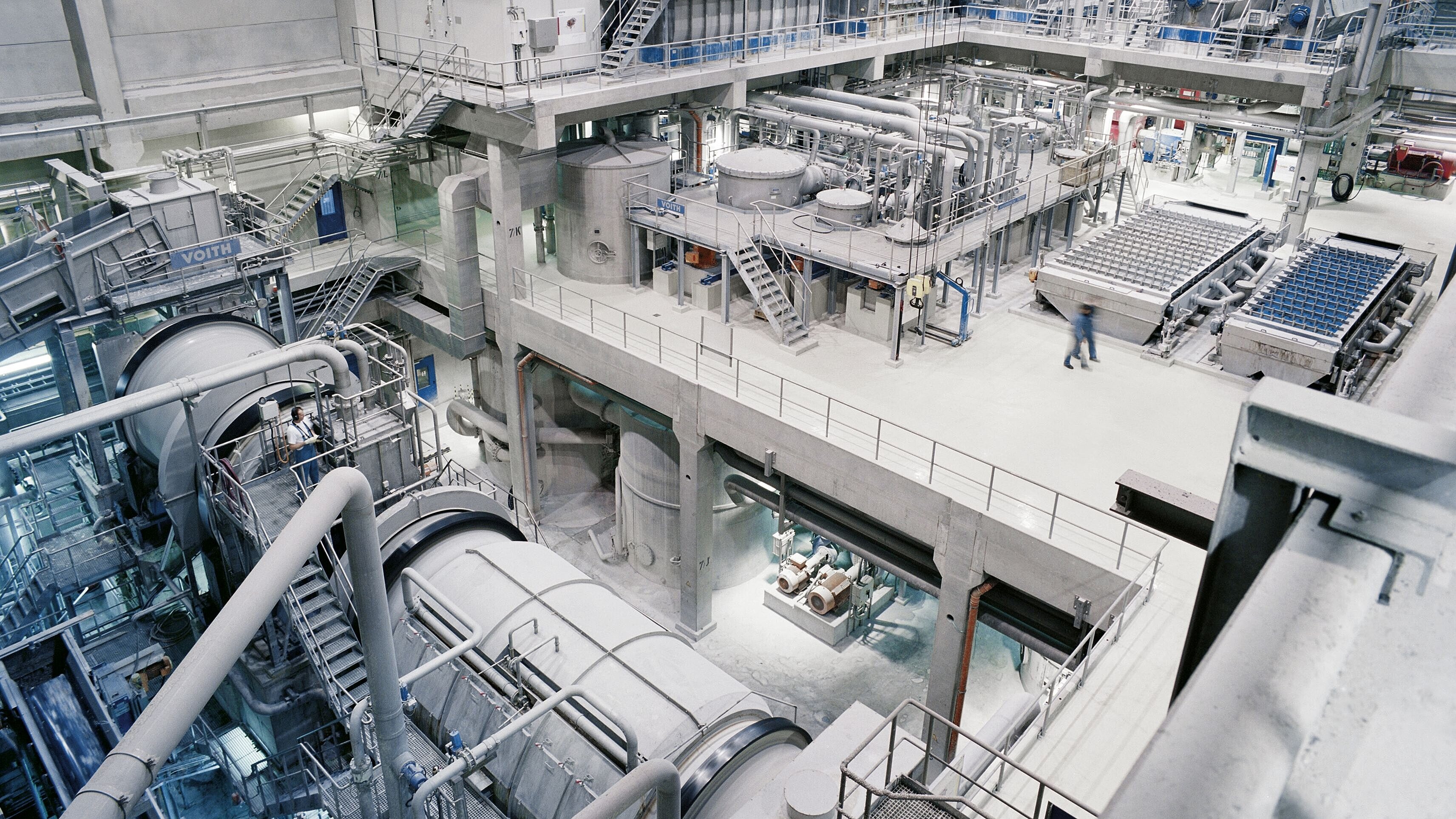
The fact that recycled paper is in no way inferior in quality to ordinary virgin fibre paper is primarily due to the construction of state-of-the-art waste paper sorting and processing plants in recent decades. These have significantly improved the quality of recycled paper. Gone are the days when grey paper gave the impression of inferior quality or recycled paper that was too thick clogged up printers. Today's recycled paper is in no way inferior to virgin fibre paper in terms of quality and can also compete with its antiquated competitor in terms of price. The arguments in favour of the environmentally friendly and high-quality "Paper 4.0" are obvious.
Cover picture: Steinbeis Papier
Author: Klaus E. Jopp
https://www.jopp-communications.de/
sources:
http://www.wwf.de/themen-projekte/waelder/papierverbrauch/zahlen-und-fakten/
https://www.steinbeis-papier.de
https://www.br.de/radio/bayern1/inhalt/experten-tipps/umweltkommissar/papier-altpapier-recycling-umwelt-100.html
http://www.wwf.de/themen-projekte/waelder/papierverbrauch/zahlen-und-fakten/
www.blauer-engel.de/de/news-infos/kinder-schule/schulstart-mit-dem-blauen-engel/recyclingpapier