Green and really digital
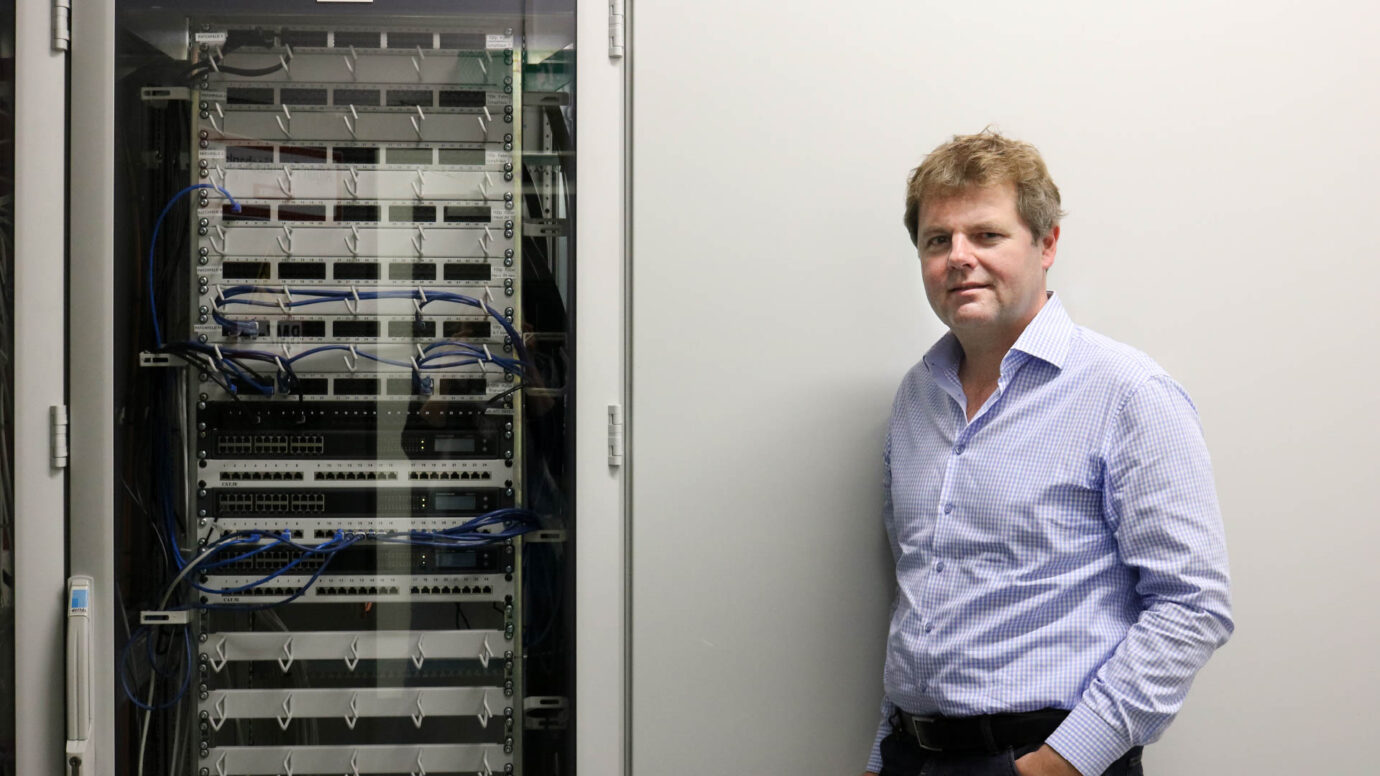
08.12.2020 - The digital transformation at Steinbeis Papier requires a wide range of IT skills. Ulrich Middelberg heads the central work area and is also part of the management team in this role. The IT department supplies around 400 users from the Steinbeis Group from Glückstadt. In a personal interview, the 51-year-old Head of IT provides insights into his day-to-day work, reveals how digital Steinbeis Papier already is and how Green IT works in the company.
Steinbeis Papier is committed to ecological sustainability. To what extent have you internalised this guiding principle?
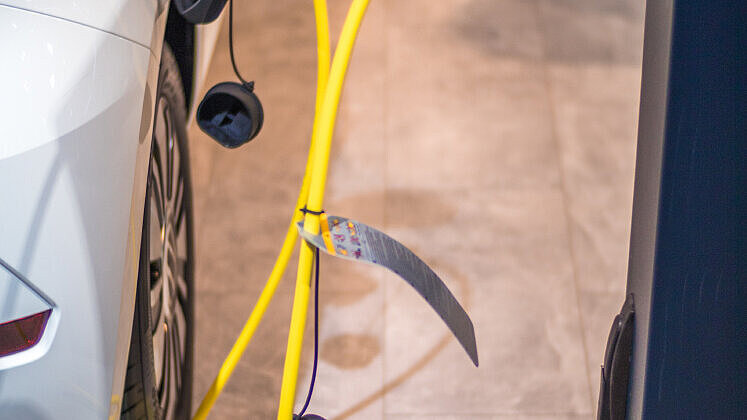
When I started at Steinbeis Papier three years ago, I actually switched to e-mobility. As a commuter between Hamburg and Glückstadt, an electric car is ideal in terms of range and charging infrastructure. I can plug the car into a charging point both at home and in Glückstadt. I'm also a passionate cyclist and often complete the journey on my electric bike. I've even bought a second battery for this.
But now to your profession at Steinbeis Papier: What does a working day as Head of IT look like?
I spend a lot of time communicating and coordinating with the team, the specialist departments and external partners. As the person responsible for IT, I am also the first sparring partner when it comes to digitalisation issues. It's all about exploring attitudes, mindsets and opportunities. This characterises my diary, although I also make time for periods of quiet work.
How is your team organised?
Two colleagues are responsible for infrastructure and five for processes and applications. There are also three students who are currently doing their bachelor's degree in business informatics. An external partner also provides first-level support and answers user questions. So we are a relatively small team and look after everything to do with computers - from desktop PCs to telephony and servers.
What challenges do you face in your day-to-day work?
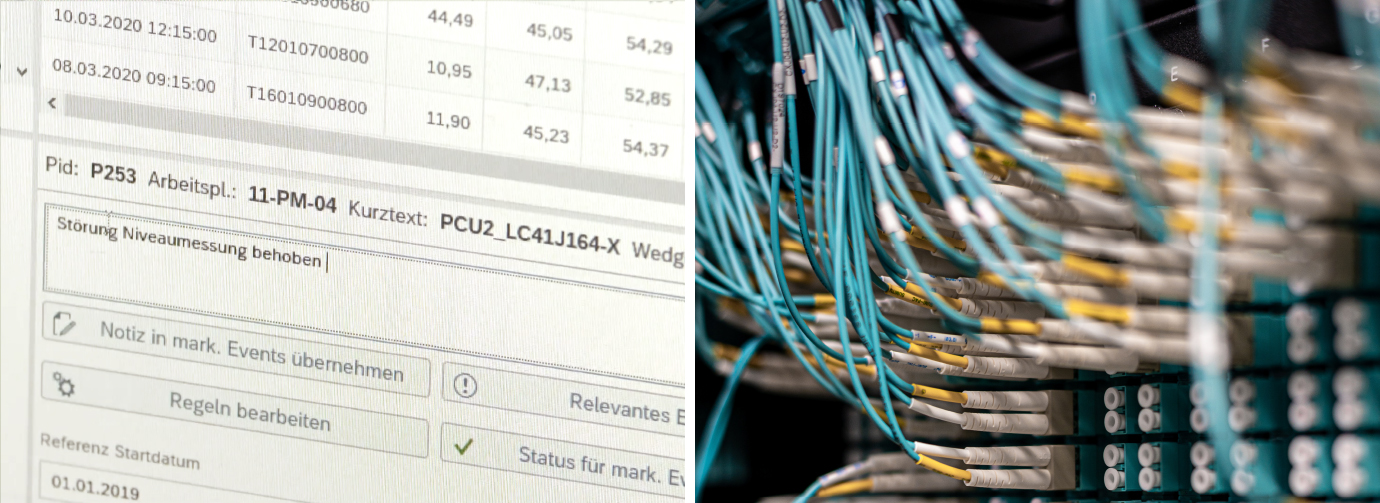
In the past, IT was operated in such a way as to ensure a system environment that was as constant, robust and reliable as possible. If you look at the digital world now, you can no longer maintain this goal. Digitalisation no longer ends at the company boundary. The challenge lies in the fact that we work with many partners, each with different levels of technological maturity. There are also few open standards, so we have to create our own solutions. If we do use standards, they often involve significant complexities when it comes to process integration. Ultimately, digitalisation doesn't just mean exchanging data, but also coordination in order to harmonise the processes of the many external partners involved.
What role does IT security play?
Of course, we also have to deal with cybercrime. Whereas in the past it was all about fame and glory, today a well-organised industry has established itself. We try to protect ourselves against it as best we can, but our protective measures must not interfere with work processes.
What level of digitalisation has Steinbeis Papier already achieved?
Steinbeis Papier has always made sure that processes are largely automated. What we have now created is a consistent platform so that we are able to combine data from production and administration and carry out corresponding analyses. We now have the ability to get more out of our data, so to speak.
How is the company set up in terms of hardware, software and networking?
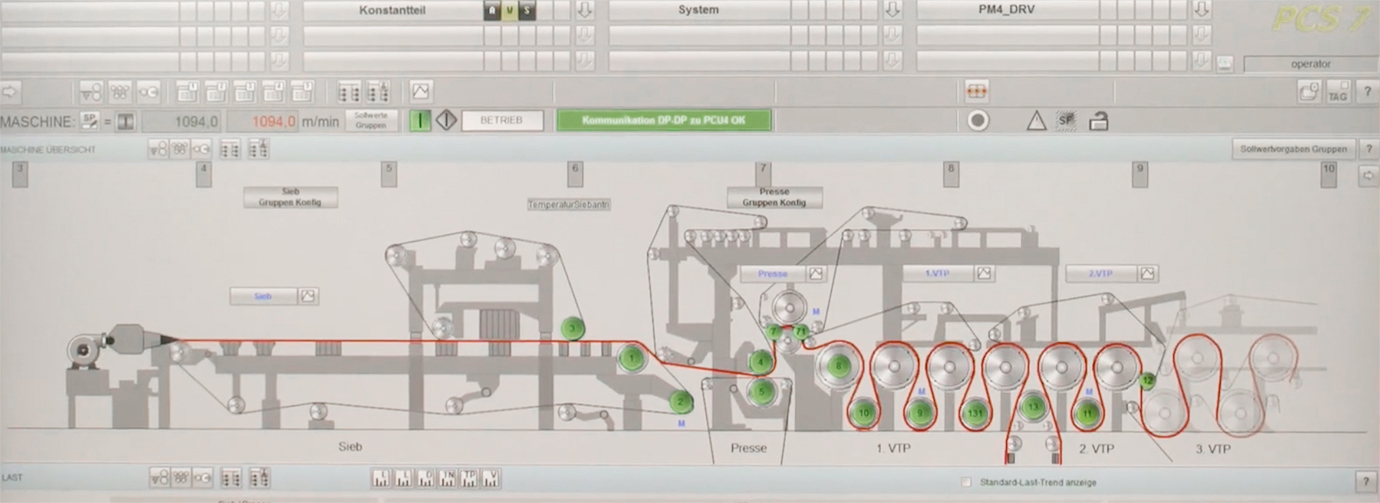
We use visualisation technologies on very powerful server systems throughout. We also use SAP as standard software, which was also a mandatory requirement for SAP HANA integration. Since the end of 2019, we have finally had a fibre optic connection with gigabit bandwidth. This means we are now able to use cloud services extensively.
In an interview with Mr Hunold, we talked about the SAP HANA integration and the importance of initialising new digital processes. How are you involved in digitalisation at Steinbeis Papier?
Digitalisation is teamwork. It brings together experts in process and automation technology, players with the relevant methodological expertise and us with our IT know-how. Our task in particular is then to operate the new technologies in an integrative manner - in other words, to integrate the developments into the existing architecture or to develop it further.
Steinbeis Papier has already optimised many areas of the company in terms of ecological sustainability. How efficient are the IT infrastructures in this respect?
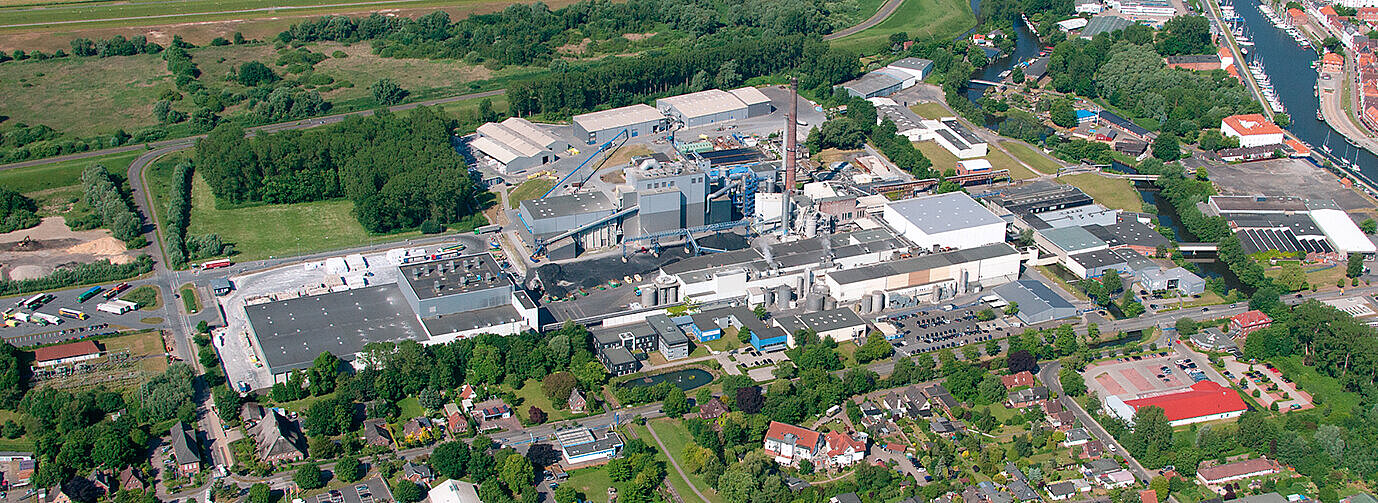
Steinbeis Papier has an annual electricity consumption of around 240 gigawatt hours, which is roughly equivalent to the energy requirements of 40,000 to 50,000 four-person households. Our 400 end devices and the few dozen blade servers are not that significant. Nevertheless, we also want to make our contribution to greater ecological sustainability in IT: by using energy-efficient IT workstations with central Citrix servers, we have been able to significantly reduce the power consumption of many Steinbeis Papier employees.
What is considered when purchasing new hardware?
We take care to use business equipment with the longest possible support. However, even the most powerful device reaches its efficiency limit at some point: on the one hand, modern systems consume significantly less energy due to continuous structural downsizing, and on the other hand, we cannot allow devices to fail one after the other at the end of their life cycle and possibly impair our production.
What happens to devices that have reached the end of their service life?
Last year, we carried out a comprehensive notebook replacement programme. Hardware that became available was given to colleagues working from home. Older models that were no longer suitable for our purposes were handed over to the school association here in Glückstadt in the spring - at the start of the first lockdown. They then prepared the laptops for homeschooling. Pupils without devices were thus able to follow the digital lessons adequately.
How can sustainable IT be reconciled with economic objectives?
Steinbeis Papier has always endeavoured to reconcile ecological and economic objectives. And we also make our contribution in IT. Some companies have fixed contract periods with hardware manufacturers, who then have the devices replaced every 36 months. We make a conscious decision as to when we want to invest and when not.
We are also concerned with digital sovereignty. Europe must not develop into a pure sales market for IT products from China and the USA. That is why Steinbeis Papier is focusing on technologies from European providers in order to strengthen the domestic market and the corresponding expertise.
What IT projects are coming up next?
We are about to roll out the new working environment for all IT users, including modern applications for collaboration and cooperation. Once we have created the technical prerequisites, we want to launch a major training campaign next year to familiarise employees with the use of the new digital tools.
You are responsible for the digital infrastructure at Steinbeis Papier - how important is paper to you personally?
I am still classically socialised. I actually still print out contracts and other important documents for proofreading. And I use paper for creative work phases. But I don't file everything away, because searching through an analogue mountain of folders is difficult and time-consuming. It's a different story in my private life: My wife works as a teacher - we have a powerful printing system at home and use a corresponding amount of paper. She is always relieved when another test order arrives from our web shop.
Cover picture: Steinbeis Papier
Author

As a senior editor, Benjamin Seibring specialises in developing content on sustainability, mobility, technology and lifestyle. An editorial traineeship at a German media group and his many years of experience in corporate publishing form the basis. With a high affinity for trend topics and innovative AI tools, he implements cross-media storytelling.