From throwing away to reusing: Repair cafés and the art of circular thinking
23.07.2024 - Repair cafés are examples of how broken objects can be brought back to life through repair, promoting a rethinking of cycles that favours community, sustainability and extending the lifespan of everyday objects. Discover a new way of conserving resources and sharing skills.
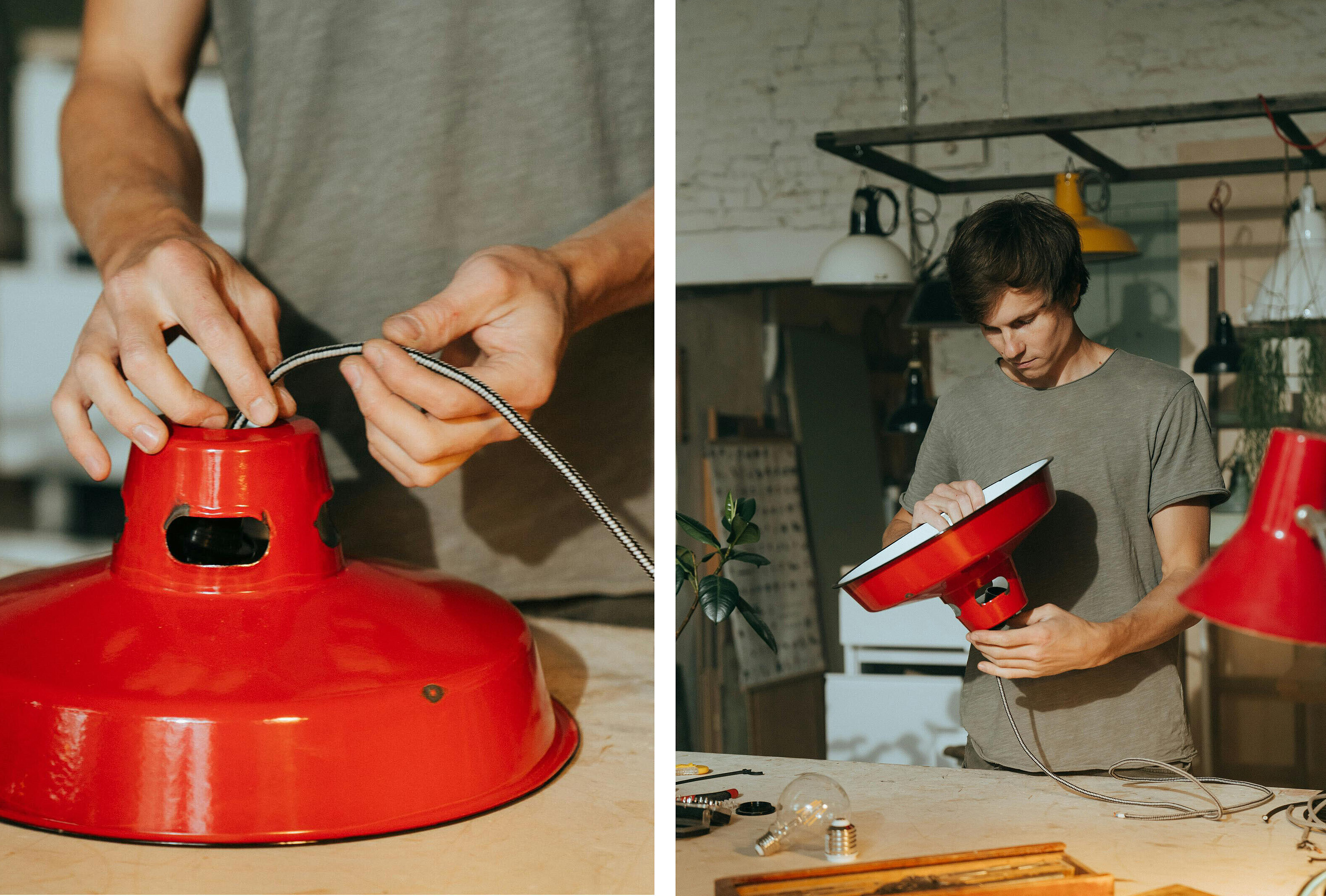
A broken pram or a defective laptop - at first glance, both seem destined for the rubbish bin. The first impulse is often to simply throw these items away. But there are other options. The Wille gGmbH Repair Café in Berlin is committed to the principle of "repairing instead of throwing away". The smell of freshly brewed coffee and the friendly smiles of the volunteers promise a solution to the problem at hand. A dedicated team of volunteers, often consisting of tinkerers, craftsmen and technology enthusiasts, is on hand to provide active help. The atmosphere in a Repair Café is characterised by community and a willingness to help. It's not just about getting things back in working order, but also about sharing knowledge and learning new skills. Every visit is an opportunity to be part of a movement that is committed to sustainability and resource conservation.
Rethinking the Repair Café around the corner
And the Repair Café movement is becoming increasingly important. More and more people are getting involved in repairing broken items instead of throwing them away. This sustainable approach not only promotes environmental protection, but also community and craftsmanship. Two platforms play a central role in this and provide significant support for this movement:
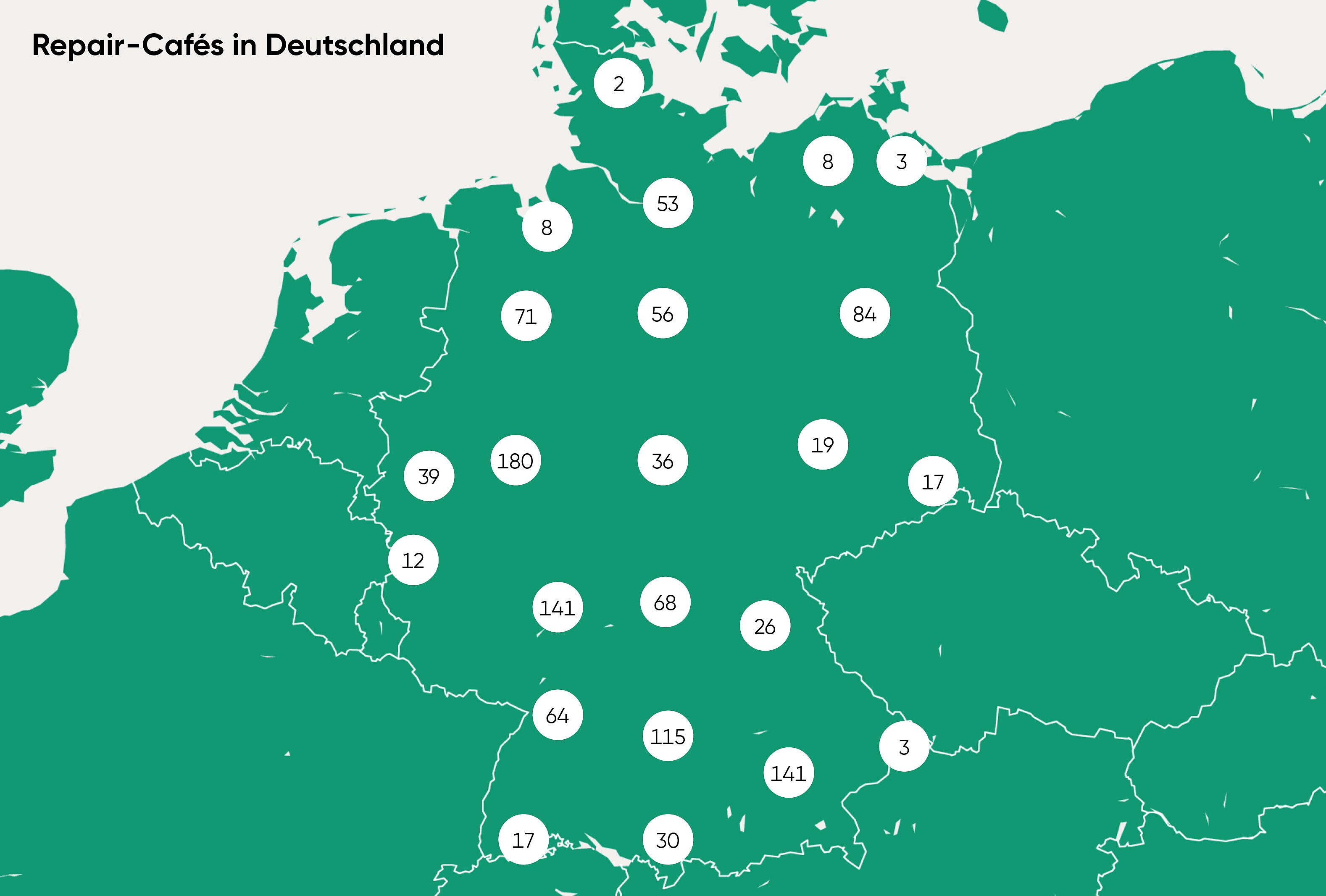
The website reparatur-initiativen.de is a platform for the Repair Café movement in Germany and plays a key role in promoting and networking these initiatives. As a comprehensive network for repair initiatives, it currently lists around 1060 repair cafés and offers a detailed database with addresses and dates. Visitors can use a calendar on the homepage to search for the next date of a repair meeting in their area, while a map function visualises the geographical distribution of the initiatives. The website also supports people who want to set up their own repair café with information, resources, advice and networking opportunities. An important aspect of the platform is the exchange of knowledge. Interested parties can find information about new developments, events and success stories from the Repair Café scene in the "News & Updates" section. The platform also organises online exchanges, webinars and workshops on various topics relating to repair initiatives. The website is operated by the non-profit foundation "anstiftung", which has been coordinating the Repair Initiatives Network since 2014. The site thus serves as a comprehensive source of information, networking platform and support tool for existing and new repair initiatives in Germany and makes a significant contribution to strengthening and expanding the Repair Café movement.
As part of the international Repair Café Foundation repaircafe.org/en provides a global perspective and networking beyond Germany. A key feature of the organisation is its comprehensive support for the establishment of new Repair Cafés. For around 50 euros, interested parties can purchase a starter kit containing flyers, posters and detailed instructions based on the experiences of successful repair cafés. The website also offers authentic information from the "Stichting Repair Café" foundation, a database of more than 3200 repair cafés worldwide and promotes dialogue between volunteers.
These two platforms form the backbone of the Repair Café movement in Germany and make a significant contribution to raising awareness of sustainability and resource conservation.
Everything goes under the screwdriver here
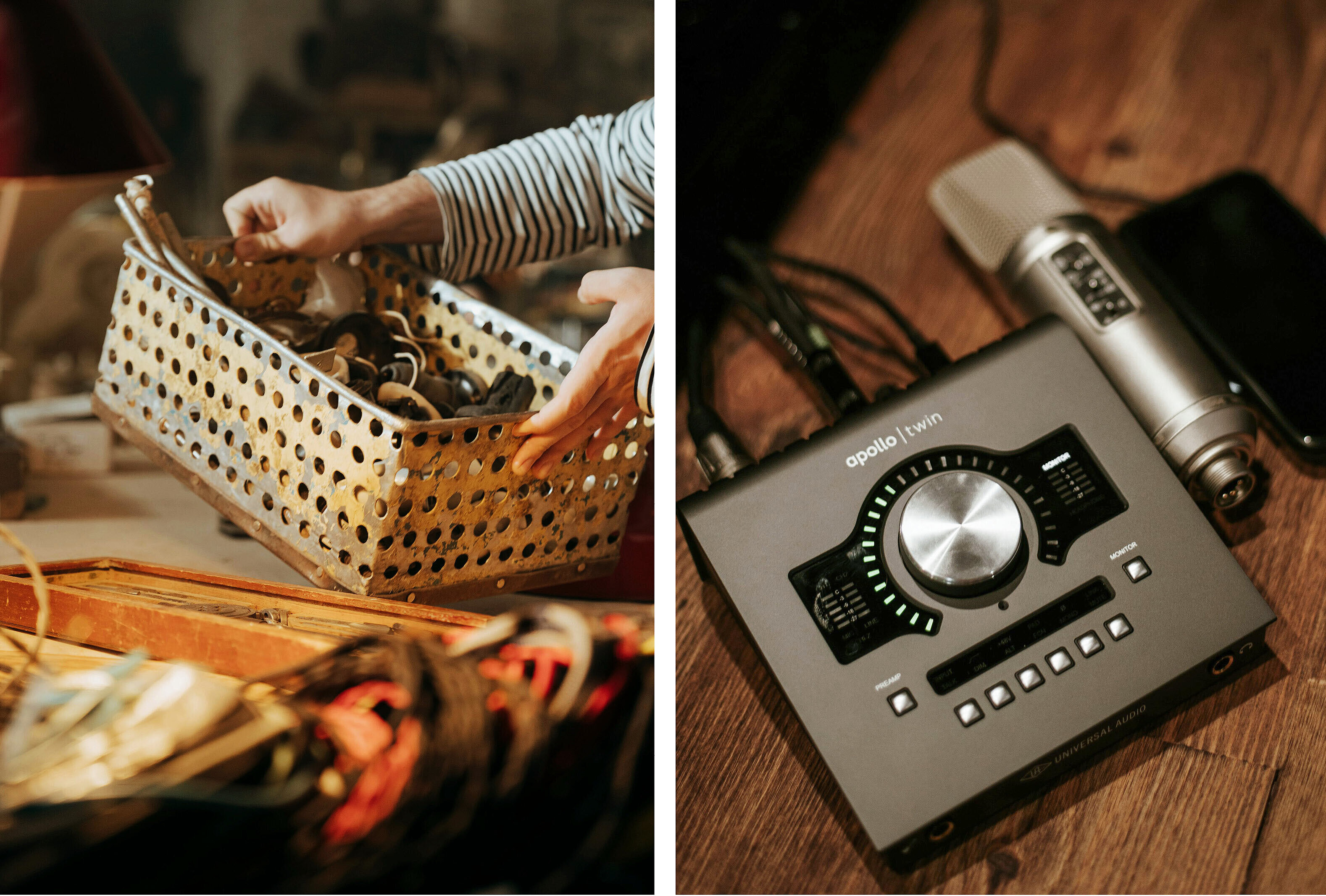
The range of items that can be repaired in a Repair Café is impressively diverse and reflects the everyday objects that can be found in every household. Depending on the available skills of the helpers and the needs of the visitors, the following categories can be covered:
Electrical appliances
Small household appliances such as toasters, coffee machines and hoovers are frequent guests at repair cafés. Modern electrical appliances such as smartphones, tablets and laptops are also regularly brought in for repair. In the case of a defective laptop, for example, the screen can be replaced, the hard drive exchanged or the operating system reinstalled. Handymen and women who are familiar with electronics take on the challenge of getting these devices up and running again.
Wooden objects
Pieces of furniture such as chairs, tables or shelves that have a wobbly base or are missing parts also find their way to the Repair Café. Wooden toys that need to be repaired or refurbished are also welcome projects. This is where talented helpers come in, who can not only repair but also give tips on how to care for and stabilise wooden objects.
Mechanical devices
Bicycles, pushchairs and walking frames are mechanical devices that are often brought to repair cafés. A flat bike, a pram with jammed brakes or a rollator with loose handles - all these problems can be solved in a repair café. The volunteers often have a passion for mechanics and look forward to making these devices roadworthy again.
Textiles
Sewing work is another important area in repair cafés. Whether it's torn clothing, worn soft toys or curtains with loose seams - the volunteer seamstresses are happy to take on these challenges. People seeking help can not only have their textiles repaired, but also work on sewing machines themselves and learn new skills that will help them to repair their own clothes in the future.
Garden tools
Lawn mowers, hedge trimmers and garden shears also find their way into repair cafés. These appliances are often expensive to buy and can be used for much longer with simple repairs and maintenance. The volunteer hobbyists show how to look after these appliances to extend their lifespan and repair them if necessary.
Sustainability in several dimensions
The Repair Café movement is a living example of how rethinking cycles can be implemented sustainably and holistically. Sustainability here encompasses not only ecological but also social dimensions. By repairing and reusing defective items, the consumption of resources is reduced and the environment is protected. This is in direct contrast to the throwaway mentality and promotes a more conscious use of limited resources. At the same time, repair cafés create social sustainability by promoting community and co-operation. People from different backgrounds come together to share their knowledge and skills. This intergenerational and transcultural exchange strengthens the social fabric and enables a transfer of knowledge that enriches everyone involved.
Cover picture: Chris Obrist/Unsplash
Author

As a senior editor, Benjamin Seibring specialises in developing content on sustainability, mobility, technology and lifestyle. An editorial traineeship at a German media group and his many years of experience in corporate publishing form the basis. With a high affinity for trend topics and innovative AI tools, he implements cross-media storytelling.