From Glückstadt into the world
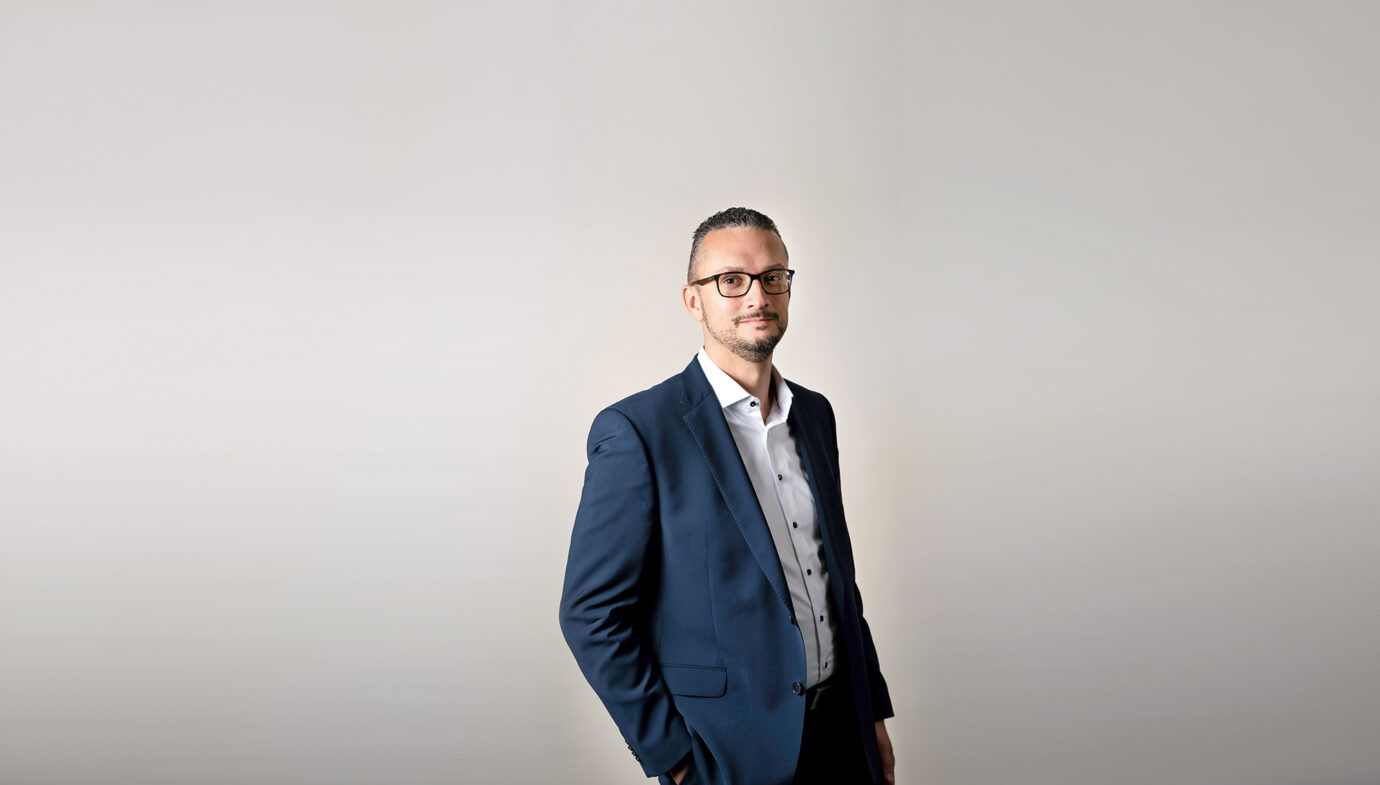
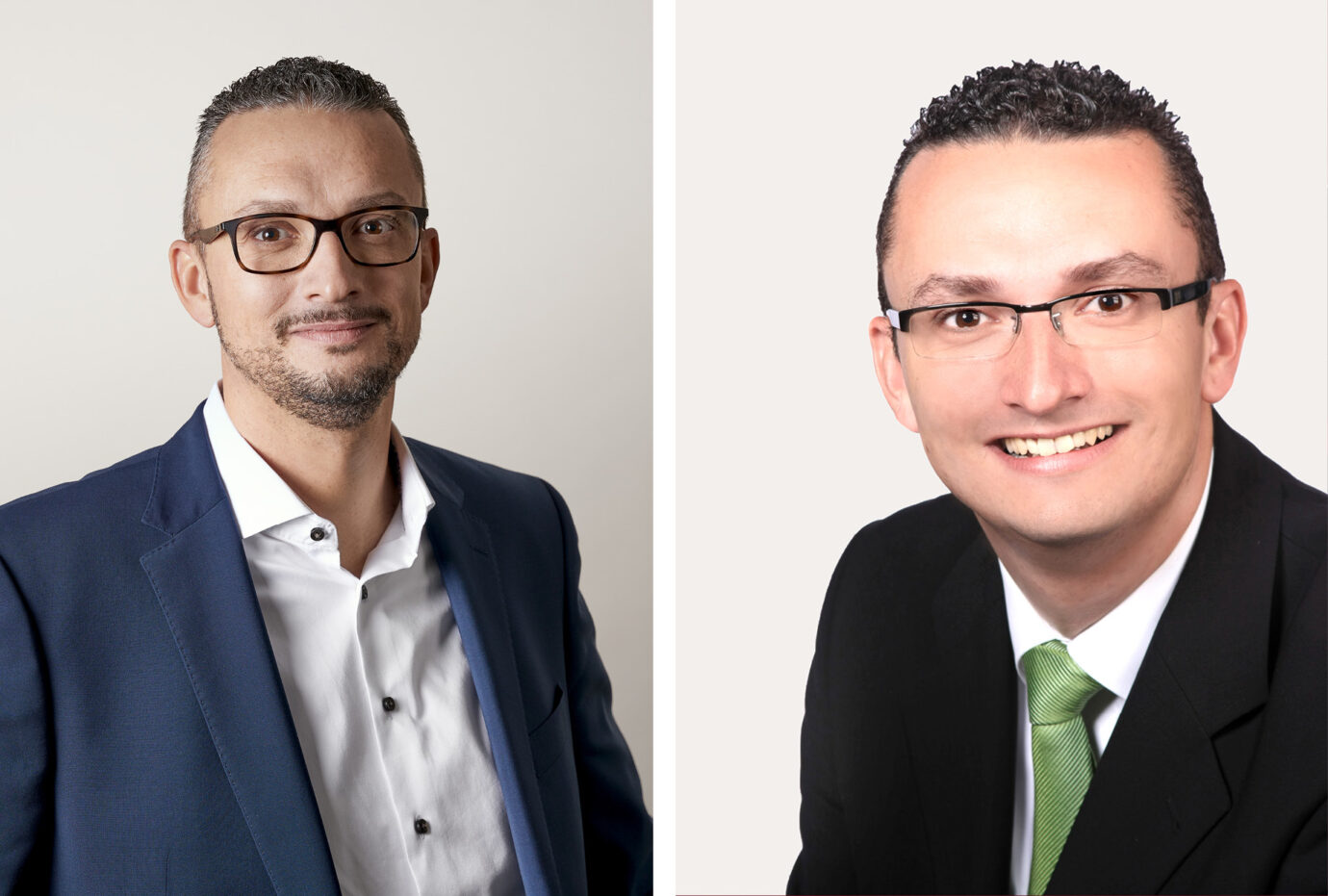
08.06.2020 - As the European market leader for recycled graphic paper made from 100 per cent recovered paper, Steinbeis Papier serves a huge range of customers in many countries. Sales Director Benjamin Höckendorf (40) is responsible for overall sales. In this interview, the father of two talks about his day-to-day work "on the road", his strategic approach to customers and his personal career from apprentice to management at Steinbeis Papier.
Mr Höckendorf, what does your working day look like?
I generally start my working day between 7.30 and 8 am. After checking my emails, I answer my colleagues' initial questions. They use the time when I don't have any external appointments. Customer contacts start at 9 a.m., during these times via video call. After that, it's mainly internal meetings.
How much customer contact do you have as a Sales Director?
Less and less in a coordinating role. Nevertheless, customer contact is very important to me, to be close to the base, to know what is happening with the customers. I also accompany the employees during important or critical customer meetings. For example, when we visit large printing companies, the managing directors are usually there too - that's when we at Steinbeis Papier need to have the right staff on site to be able to make decisions directly.
How much time do you spend in the office and how much at external appointments (if you look at the time before the pandemic)?
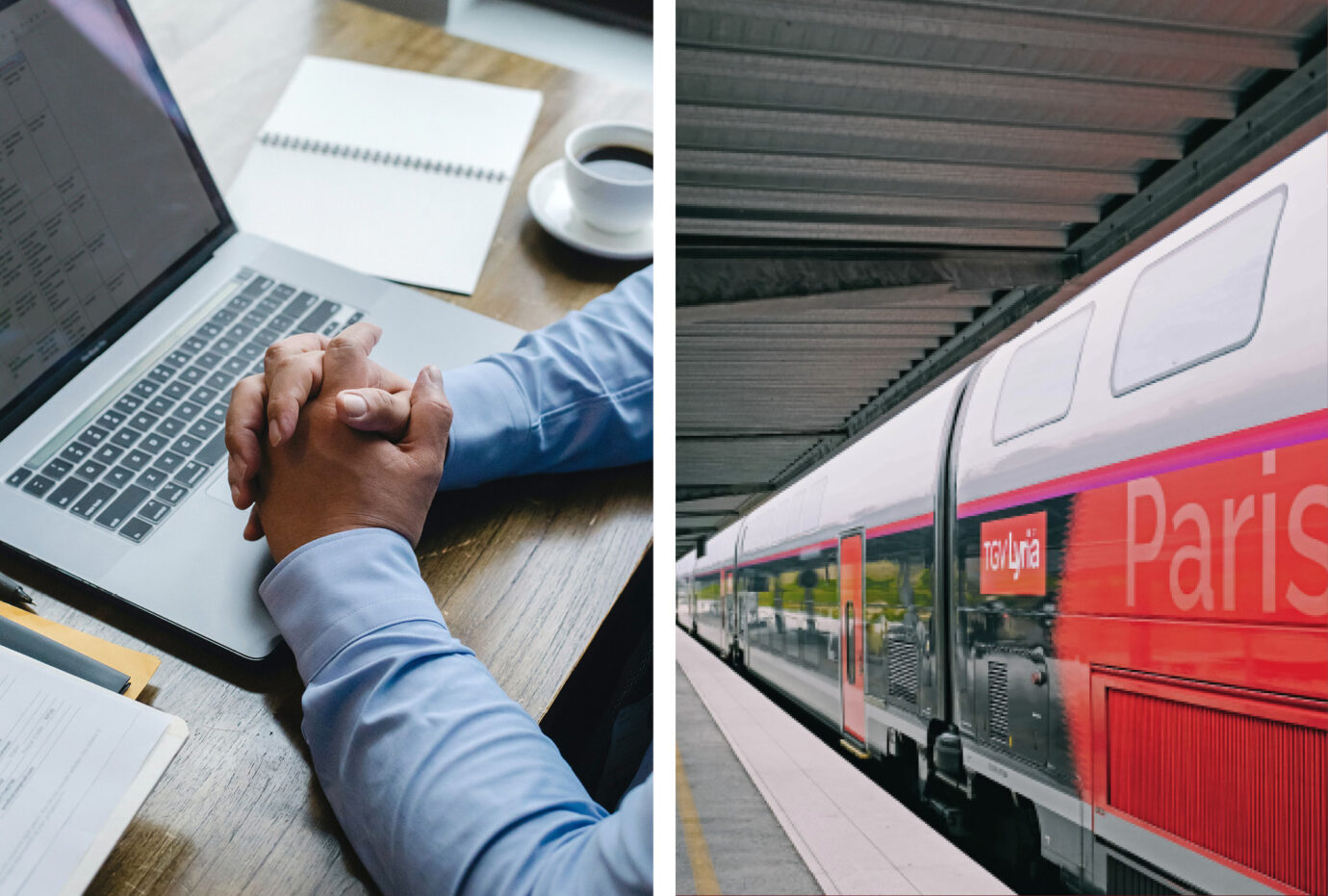
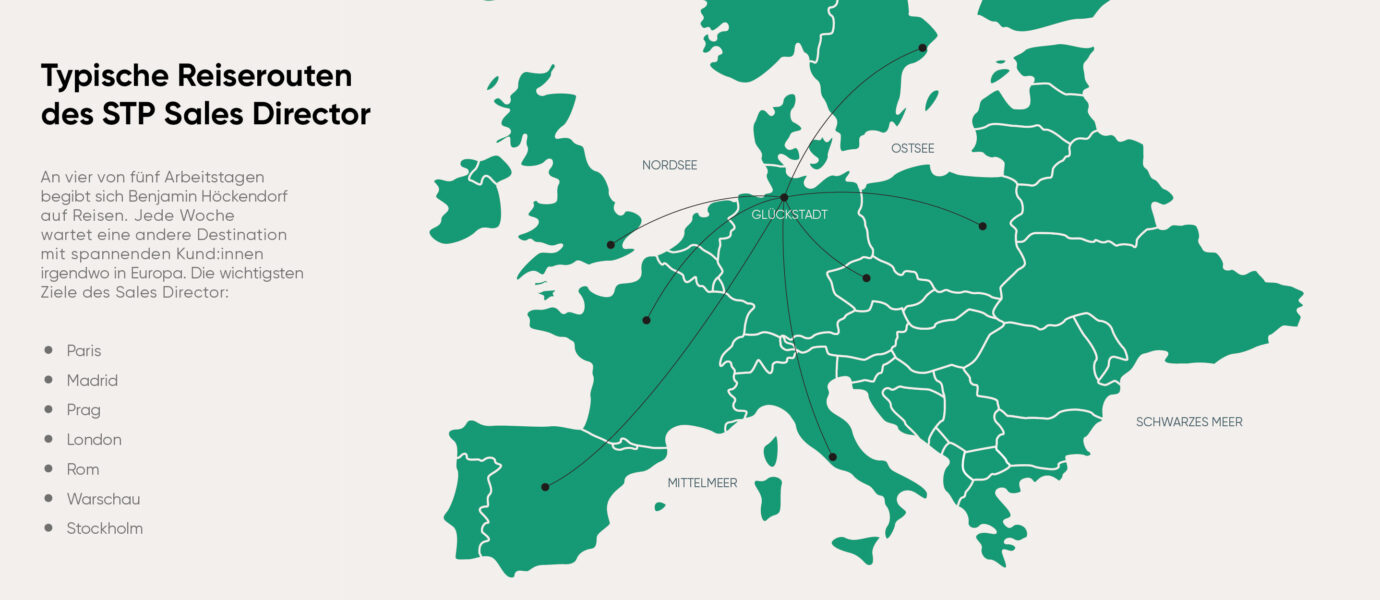
Monday is one of those days when I'm generally in the office. That's when meetings with the management take place, right through to the managing directors' meeting in the late afternoon. From Tuesday to Friday, I'm "on the road". A working day looks like this: I take the first plane and my destination is usually another European country. Once I arrive there, I talk to customers, have dinner with them and often spend the night in a hotel. Towards the end of the week, I often have appointments in Germany in addition to following up on visits and attending team meetings. And then it's off to the weekend.
Where do you see the biggest challenges in your area of responsibility?
My job is both challenging and exciting because my working days can hardly be planned. I know when it's going to start, but I can hardly say what specific tasks are waiting for me. We may have to comfort customers due to production delays and come up with appropriate solutions on the spur of the moment. But it's the multinational collaboration that makes my job as Head of Steinbeis Sales so exciting. One employee is Australian and lives in England, a Spanish colleague handles business for us in France - the daily dialogue takes place internationally, across Europe in English and German.
How are customer meetings conducted by Steinbeis Papier?
You can't think of it as a classic sales pitch. We want to convince customers of our philosophy so that they switch to Steinbeis Papier. With major customers, we often discuss conditions, quantities or previous performance. It is always important that we mentally put ourselves in the customer's shoes and take their perspective in order to address their concerns.
What new ways of working do you expect for the Sales division after the pandemic?
We will largely, but not 100 per cent, return to the old ways of working. Meetings in Paris or Madrid that are scheduled for two hours but involve travelling for twelve hours or more will probably be handled more digitally. Above all, the pandemic has established the possibility of spontaneous video conferencing. Sustainability also plays a role when the number of journeys is reduced. We are also increasingly switching to rail travel, which hardly makes a difference in terms of time compared to flying, especially when travelling within Germany.
What is the composition of Steinbeis Papier's customer portfolio?
In the magazine paper product area, we mainly deal with publishers and printers. We make contacts and agreements with them and finalise conditions. The office paper sector is characterised by an indirect business model. Wholesalers and office suppliers as well as end customers are our main clientele here.
What are Steinbeis Papier's sales arguments in addition to sustainability?
Continuity plays an important role. We are a company that has been established in the market for many decades, is well positioned competitively and will continue to work reliably in the future.
The "Made in Germany" seal has become more important again, especially for foreign customers. And the topic of "innovativeness" - we are constantly delivering new ideas and products.
How much environmental awareness do customers have?
We are already pioneers in Germany. But you can see that a lot is happening in this direction in other European countries such as Italy and Spain. France has even made the use of recycled paper mandatory in state institutions. Schools and administrations there are already using Steinbeis paper. The demand often starts with public authorities. However, we are also noticing increasing interest from the private sector. They are actively asking for products that, like ours, come from the circular economy.
Is it easier to sell recycled paper today?
It is fundamentally more difficult to sell paper as the market is characterised by overcapacity. However, the arguments that we used to have to repeat like a prayer wheel are now understood and accepted more quickly by customers. Customers are also much better prepared thanks to increased information via digital channels. The conversations then take place on a completely different level.
How important is personal customer contact?
The importance of personal dialogue is particularly clear now during the pandemic. As salespeople, we are trained to read body language. This is impossible in a video call. You can see a face and possibly a hand. But I can't recognise the reaction to be able to assess whether the message has been received correctly. Business is about relationships because you trust someone. These relationships cannot be maintained via a screen.
How do you argue when it comes to the "paper vs. digital" discourse?
We are constantly confronted with the argument that it is better to work digitally than with paper. But the digital alternative is anything but climate-neutral. When you search for something on the Internet, huge servers with immense energy consumption are set in motion. What's more, the written word is much easier to memorise on paper. But I also see synergies between paper and digital. Technologies such as augmented reality - when content printed on paper can be experienced digitally - build a bridge here.
What advantages do you see in the new product portfolio and the new brand image for your work?
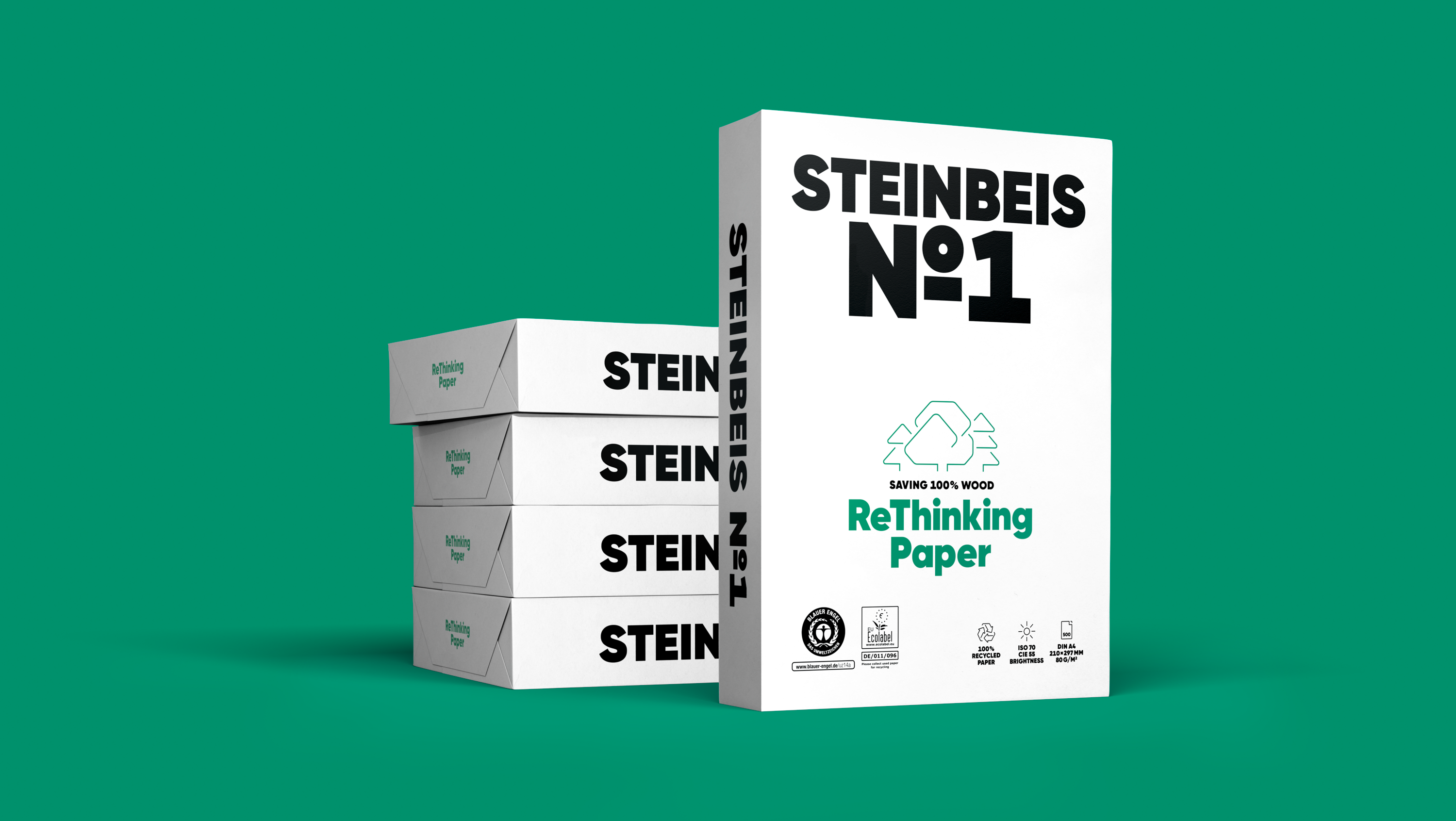
The debate in society as a whole is focussed on the fact that we need to rethink. Even before the coronavirus pandemic, people were arguing about how we use and save resources. Our topic "Rethinking paper" provides the perfect approach. The term "recycled paper" has also become outdated. People associate it with certain ideas that do not match our concept of this product. With ReThinkingPaper, we are once again setting a whole new standard, which helps us immensely in our argumentation with customers. And the response has been consistently positive.
What opportunities does the new online shop offer?
First of all, our online endeavours do not compete with our current business with major customers such as public authorities or office suppliers. We are targeting a customer group that Steinbeis Papier has not previously focussed on - small to medium-sized companies that are not served by our existing major customers. This could be a law firm or a small joinery that is prepared to organise its paper consumption sustainably.
Labels made from Steinbeis paper are set to expand the product portfolio. What is your strategy with regard to new products?
We have carried out a market segmentation for ourselves. It was important to see which companies themselves are pursuing major sustainability goals that are not yet covered by the use of current labels. Here, too, we received great approval from the respective contact persons.
From trainee to Sales Director - a remarkable career. How did you get there?
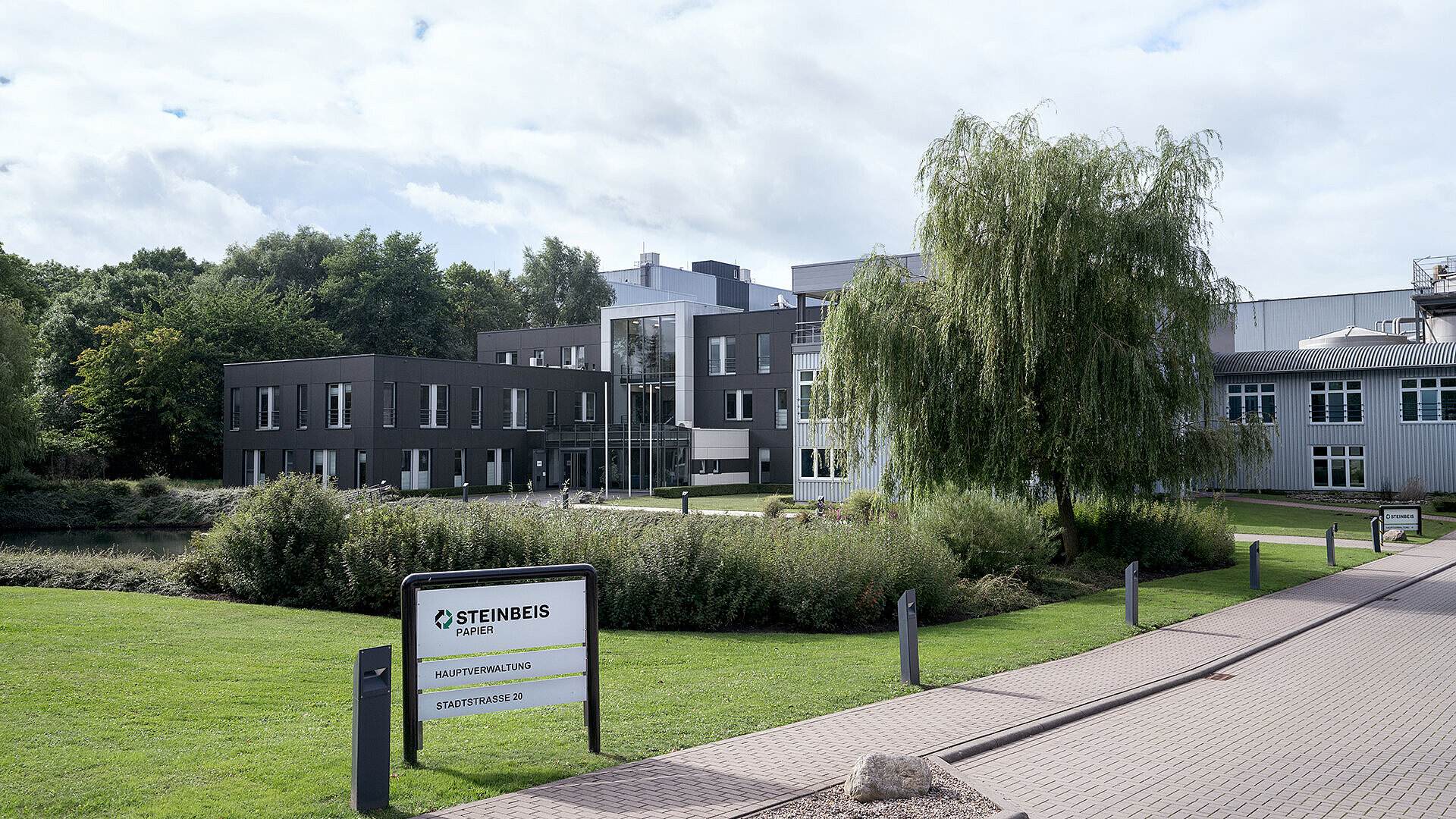
I started my apprenticeship at Steinbeis Papier in 1998. My whole family, right down to my great-grandfather, who fled from East Prussia to Glückstadt after the Second World War, worked at Steinbeis Papier. That's why I couldn't have afforded to start at any other company. During an internship at Steinbeis Papier as a 16-year-old, I quickly realised how much I enjoyed the work - the combination of industry and office.
Above all, however, the family atmosphere at Steinbeis Papier was then and still is today a decisive factor in my attachment to the company. I see the employees as extended family members. In 22 years, many friendships have developed there.
What part has Steinbeis Papier played in your professional career?
Steinbeis Papier and my unconditional will to perform have brought me to where I am now professionally. I was able to complete my studies with the support of the company. I then went through all the sales activities. My path then led me to the position of key account manager and then to market area manager, which is already middle management. Two years ago, I was then given the opportunity to move up to senior management to head up the entire sales organisation at Steinbeis Papier as part of the management team. Not every company gives you such a career path. I can clearly refute the cliché "once a trainee, always a trainee".
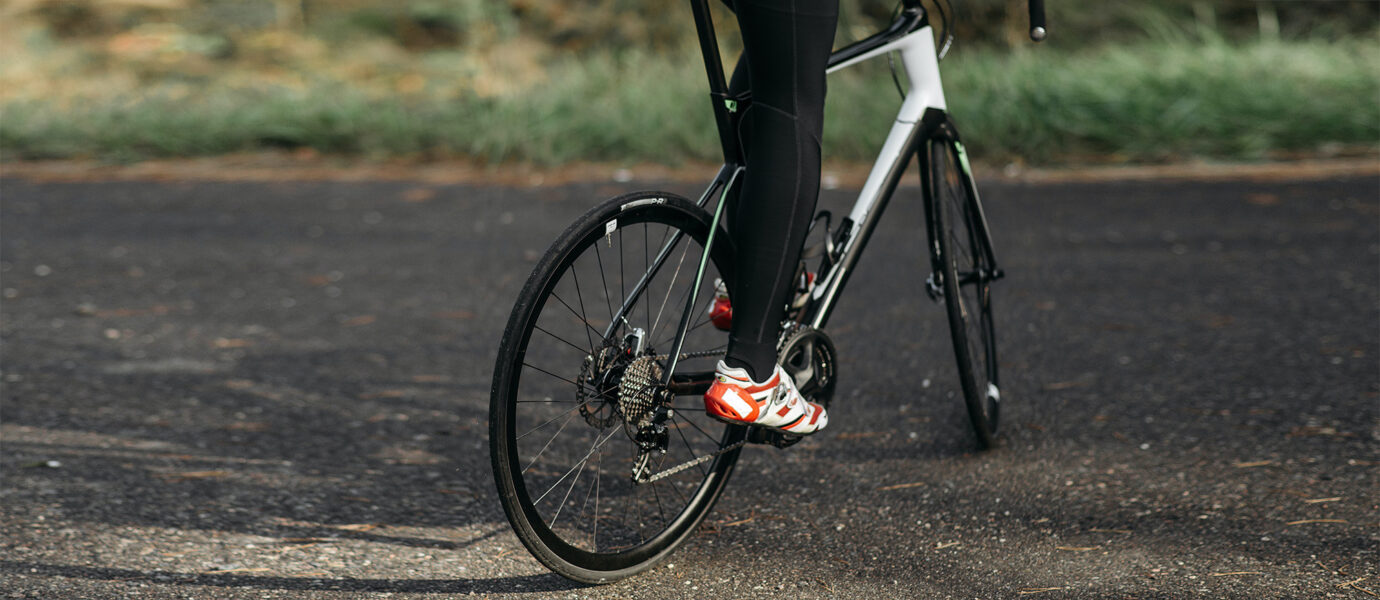
Another topic: Cycling 55 kilometres to work - what's the motivation behind it?
The idea actually came about during a beer bet. A friend spurred me on by telling me that I wouldn't manage to cycle five times from my home in Buxtehude to work in Glückstadt in 2020. Despite the most adverse weather conditions, I won the bet and have resolved to complete another ten such stages on my racing bike this year. And it's not a problem from an organisational point of view either. We have perfectly equipped sanitary facilities in the production area at Steinbeis Papier: I can take off my cycling gear, take a shower and put on my suit - the only way my colleagues recognise that I've already completed a tour is by the expensive racing bike I take into the office.
What is your personal eco-balance?
We have a consensus in the family that we no longer do errands in the immediate vicinity by car. As a result, I am now the only one who drives to get bread rolls in all weathers. I also notice that my children are becoming more and more aware of sustainability. My son recently pointed out that we should eat less meat. As a passionate barbecue fan, I have learnt that grilled vegetables can also be very tasty.
Cover picture: Florian Thoss for Steinbeis Papier
Author

As a senior editor, Benjamin Seibring specialises in developing content on sustainability, mobility, technology and lifestyle. An editorial traineeship at a German media group and his many years of experience in corporate publishing form the basis. With a high affinity for trend topics and innovative AI tools, he implements cross-media storytelling.