Flowering areas - sowing the future
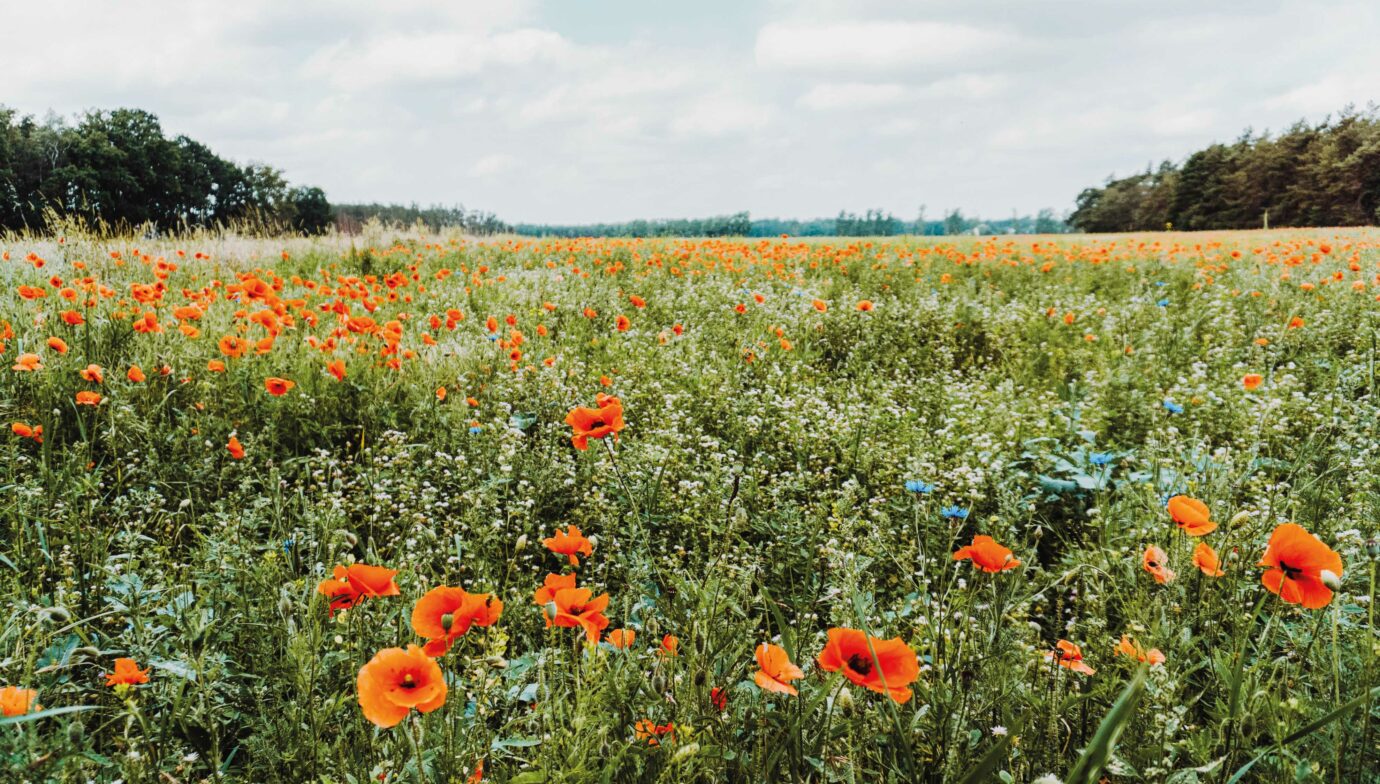
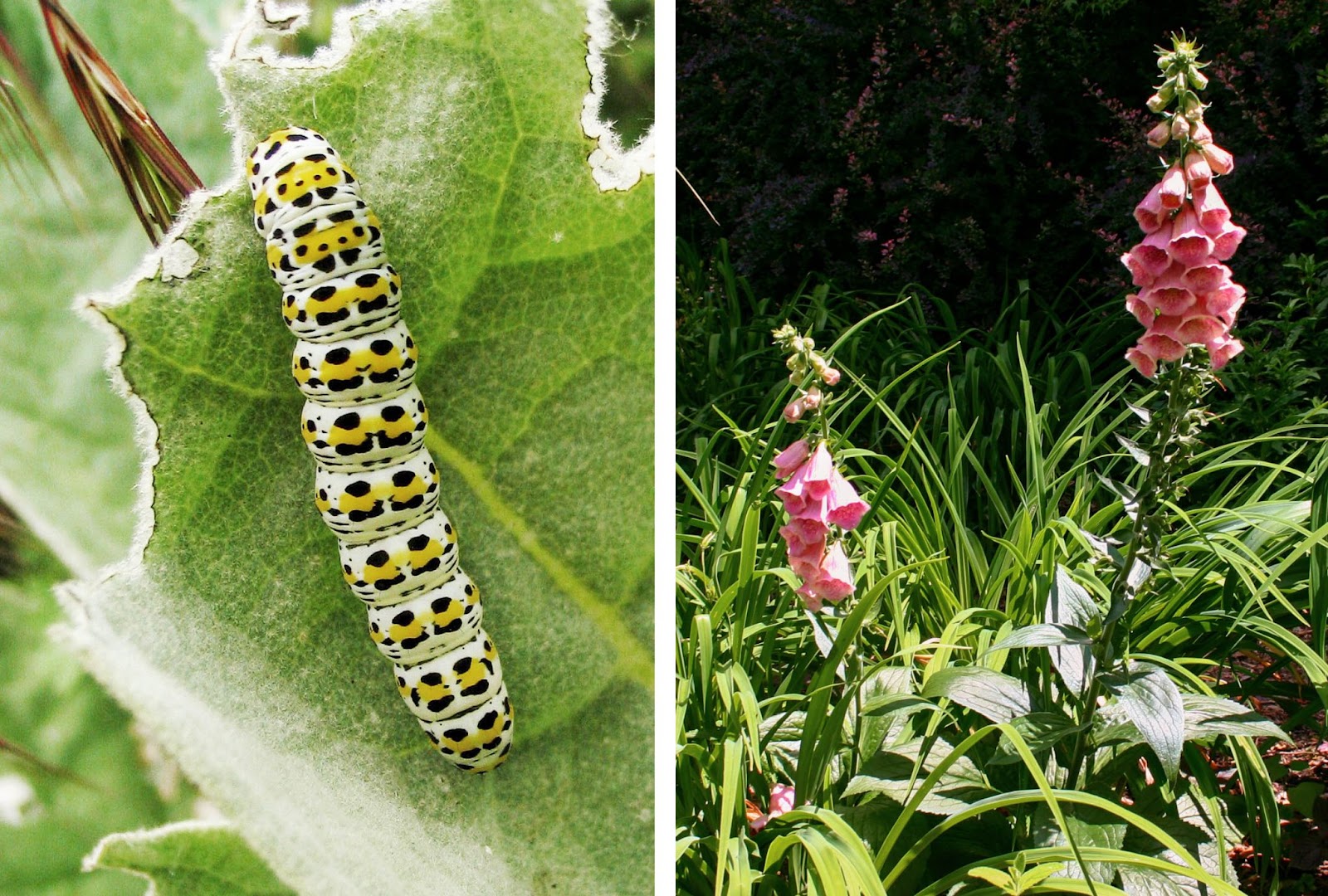
24.05.2022 - The Glückstädter Werkstätten, NABU and Steinbeis Papier have created a small biotope on an area of 1,000 square metres. So that the mullein monk, lapwing and fire-bellied toad can find an island to save them. In recent decades, wilderness has increasingly disappeared from nature and with it the diversity of species. This has gone so far that experts around the world are talking about an ecological Armageddon. Europe's insect species are under threat. Over the past three decades, their numbers have shrunk by more than 75 per cent. It is encouraging that more and more people are endeavouring to protect biodiversity and that farmers are also increasingly committed to biodiversity. This is one of the reasons why seed packets for flowering areas are sprouting from the shelves of DIY stores and supermarkets. The promise being sold: Doing good with little effort. A few seeds are supposed to help the local flora and fauna. However, the advertising promises should be treated with caution. Because not every flowering area is a guarantee for more biodiversity. A critical look at what flowering areas can really achieve and what needs to be considered when planting them.
Flower strips can bring a variety of ecological benefits. In an environment characterised by a cultivated landscape, they create refuges for numerous animals and plants and at the same time protect the soil surface from erosion - in summer and winter if they are planted correctly. What's more, if the flowering areas attract many beneficial insects, birds and amphibians, they help to keep pests at bay in a natural way, without the use of pesticides. So much for the theory.
Check who sows
However, the annual flowering mixtures available on the market often contain many "exotic" plants. In simple terms, this refers to plants that do not originally occur in our latitudes(see also H for native species). In some places, the newly sown "exotics" can increase biodiversity. Critical voices, however, warn of the possible negative effects. If the newcomers occupy the same ecological niches as native species, there will be a battle for space and nutrients. If the invasive species are better adapted or simply grow more vigorously, they completely displace the native species.1 Their extinction then not only reduces biodiversity, but also tears a gap in the food chain of many creatures.
In addition, "exotics" are usually annual plants that die off in winter, leaving the soil unprotected. One advantage of perennial native flowering areas is that many plants survive the winter as rosettes. In spring, they provide food for insects that are already active very early in the year and have little time to collect pollen to prepare their breeding nests.2
It all depends on the shape
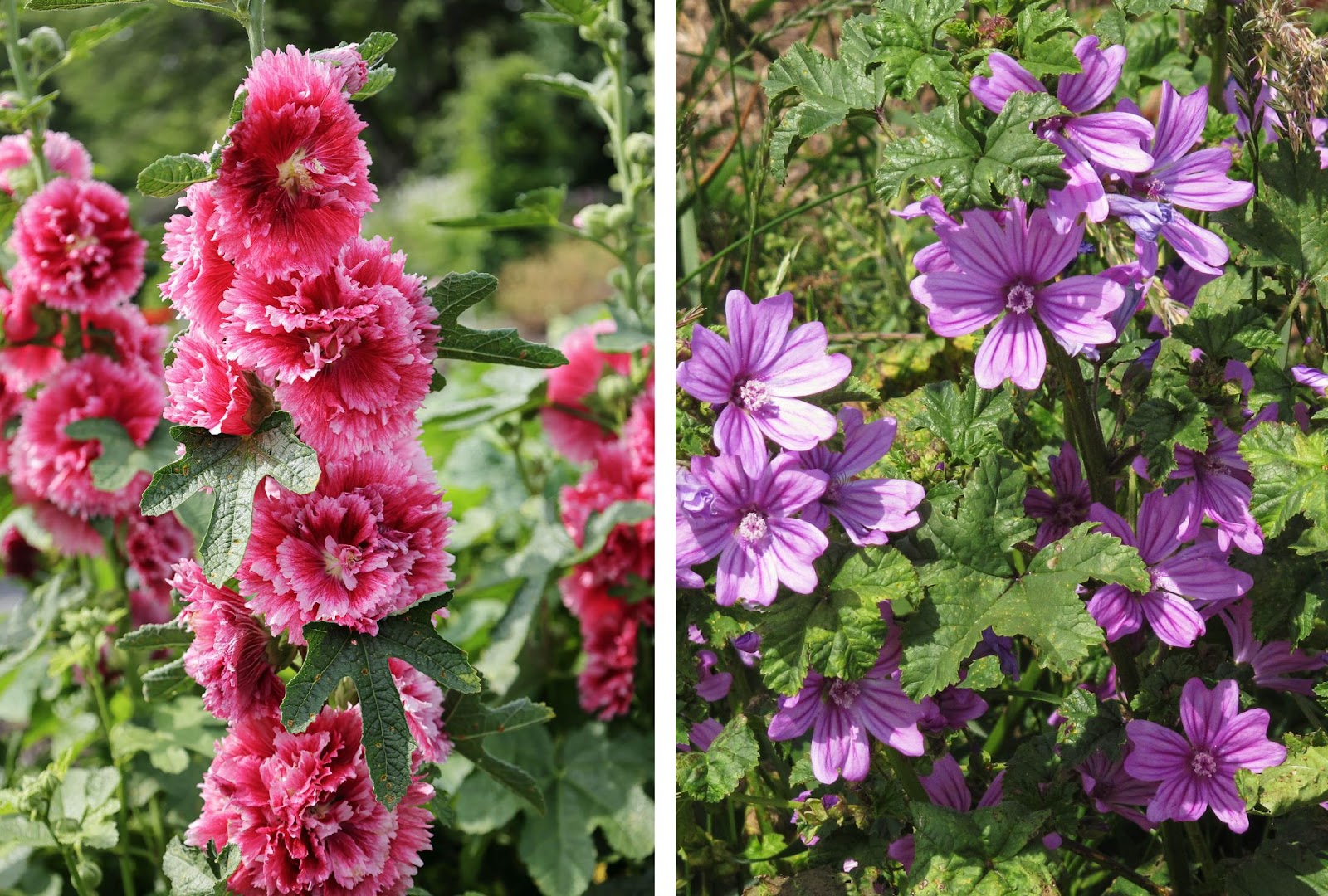
In addition, "exotics" in seed mixtures only serve as a limited source of food for insects. Certainly, flower colour and scent attract numerous pollinators. However, if at all, it is mainly generalists such as honeybees and dark bumblebees that find food here. However, endangered pollinating insects, such as around half of the 550 known wild bee species in Germany, are dependent on the flowers that are their favourite food source. Whether the insects can reach nectar and pollen depends largely on the shape of the flower. The length and shape of the insects' mouthparts are precisely matched to the size and shape of the flowers.3
To each animal its own
The palate of herbivorous insects is even more exclusive. In the race of evolution, each species of insect has adapted to certain defences that plants pass through in order to protect themselves. England's best-known bumblebee researcher and conservationist Dave Goulson writes: "Plants develop new defence mechanisms under evolutionary pressure, and the herbivorous insects follow them through the evolutionary landscape, developing solutions to the problems the plants present them with. "4 This means that the more insects specialise in certain plants, the more dependent they are on their occurrence. Conversely, this means that flowering areas with "exotic" plants lack the food supply for precisely these insects.
Know how!
A critical look at the seed mixtures from the supermarket shows: Not everything that shines is ecologically valuable. But the potential of flowering areas for preserving native biodiversity is enormous - if the right seed is used. This is why the choice of seed should depend on the location. So-called autochthonous seed is ideal. This indigenous seed is obtained by collecting wild plants in a specific region and later, usually after intermediate propagation, is replanted in this region. These "seeds from the region - for the region" are available online from various suppliers (depending on the region).
Where to put the flowering areas? Location factors explained
What else is important besides the seed? The location! Before buying the seeds, it is therefore important to find the right location. Depending on the size of the area, the right amount of seed can then be ordered directly. If you pay attention to the following four aspects when choosing a location, nothing will stand in the way of your insect paradise.
Soil: Up to 4,500 different native plants grow on poor soils such as sandy slopes, gravel pits or mountainous areas - only 90 on "rich" soils. It is therefore all the more important to ensure that the soil is not (and will not be) fertilised.
Location: The best place for insects to thrive is in the sun. But be careful! Flower strips only really offer added value in terms of biodiversity if they are planted on fallow land. If a naturally grown area is first ploughed up, the damage caused is greater than the ecological gain.
Period: The longer the plants are allowed to spread unhindered on the selected area, the better - preferably permanently, of course, but for at least five years.
Size: The size and shape of sown flowering areas are not decisive for insects. Every bit of plant diversity is helpful here. In an agricultural landscape, the flowering area should preferably not be narrower than three metres (preferably wider). The reason: other species groups such as birds or small mammals are at risk if the strip is too narrow.
Cover picture: Marina Reich/Unsplash
Sources:
1Theseinclude, for example, Japanese knotweed, glandular balsam and giant hogweed.
2Eco-farming: Perennial flowering areas: a strong lever for more biodiversity
3NABU: The sense and nonsense of flower strips
4DaveGoulson, Wildlife Gardening. The art of saving the world in your own garden (Munich, 2019). The constant development works like a motor for the entire development of the ecosystem, because insects themselves are in turn prey for other insects, birds, bats and amphibians, which in turn are prey for other animals.
Author

Valerie Bachert is a journalist, chief of staff and sustainability officer. She is interested in the areas of organic farming, conscious consumption, species extinction, social injustice and sustainable nutrition.