Fair gift giving: Eco jewellery from fremdformat
07.12.2021 - Industrial scrap, offcuts, punching waste - designers Julia and Steffi Gerner from the fremdformat label make jewellery from recycled materials. They often use scraps from the metalworking industry. Materials such as brass, copper or stainless steel are used to create sustainable pieces of jewellery with a clear, minimalist design.
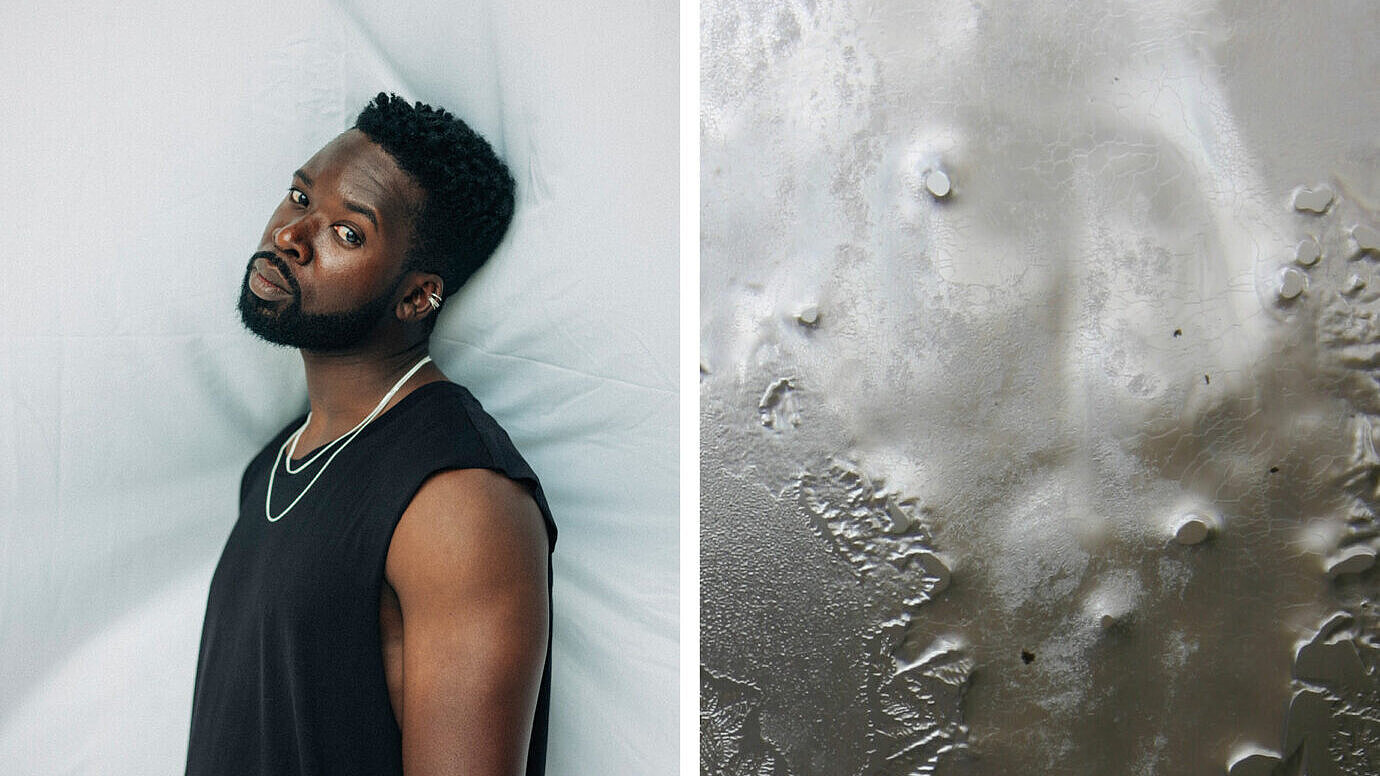
Jewellery formatted
Finding the right gift is not always easy - especially when it needs to be something special. A classic gift is carefully selected jewellery that matches the personality of the recipient and underlines their style. However, the glamour often conceals the dark side of conventional jewellery production, as earrings, necklaces and the like are often made under devastating conditions for the environment and workers. For example, one tonne of rock has to be moved to extract one gram of gold - what remains are crater landscapes. Mercury or cyanide is used to dissolve the precious metal from the rock. Rivers and groundwater are contaminated, animals die and local people fall ill. The same applies to industrial metals such as copper, the mining of which is considered no less toxic and dangerous. At the same time, copper is the most mined metallic raw material after iron and aluminium. The good news is that copper can be recycled as often as required without any loss of quality or function.

This is exactly where Julia and Steffi Gerner come in with their designs. Their label fremdformat stands for jewellery made from unusual materials with one goal: to conserve resources and use them in an environmentally conscious way. "We want to show that you can think differently about jewellery," emphasises Julia. Since 2014, the Heidelberg-based company has been making gender-neutral jewellery from industrial waste, using raw materials that are already available and don't have to be mined first. There are also no long transport routes for their raw materials. Instead, they source the materials from metalworking companies in the Heidelberg region, where leftovers are produced every day during the manufacturing process. Before these are fed back into the cycle in recycling processes, fremdformat comes into play.
Shiny raw materials
For a long time, they mainly made their designs from brass, copper or stainless steel. Initially, however, it wasn't easy for Julia and Steffi to get hold of the raw materials: "We usually didn't receive a reply to enquiries sent by email to various metalworking companies. Unfortunately, we were turned down on the phone," explains Julia. For a while, the designers rummaged directly through the companies' "rubbish" and salvaged their treasures. In this way, however, they usually only got hold of leftovers from individual orders and not a reliable, scalable quantity to offer as a collection online and for retailers without running the risk of not being able to order all of them. However, the designers have since found cooperation partners, including companies in the jewellery industry that offer their products made from recycled materials. This has enabled Steffi and Julia to expand their selection of materials to include 925 eco-recycled silver and recycled 14-carat gold.

Theoretically, there is also ecological, fair gold on the market, which is mined on the surface and washed out using the gravity method, making the use of chemicals superfluous. Over 3,000 tonnes of gold are currently mined every year. Fairtrade gold accounts for less than one per cent of this, which is nowhere near enough to meet the massive demand from the jewellery industry. Julia and Steffi prefer to focus on recycling here too and refer to eco-silver and eco-gold when the material is made from 100 per cent recycled raw materials. For example, products from the jewellery, medical and electrical industries are melted down.
Breaking new ground
Right from the design phase, Julia and Steffi focus on utilising existing materials as efficiently as possible. It is ideal if melting down can even be avoided and the industrial waste can be reused directly. The design often results from the shapes of the supposed waste, as with the Evin, Charly or Mechthild necklaces - entire collections can also be created in this way.
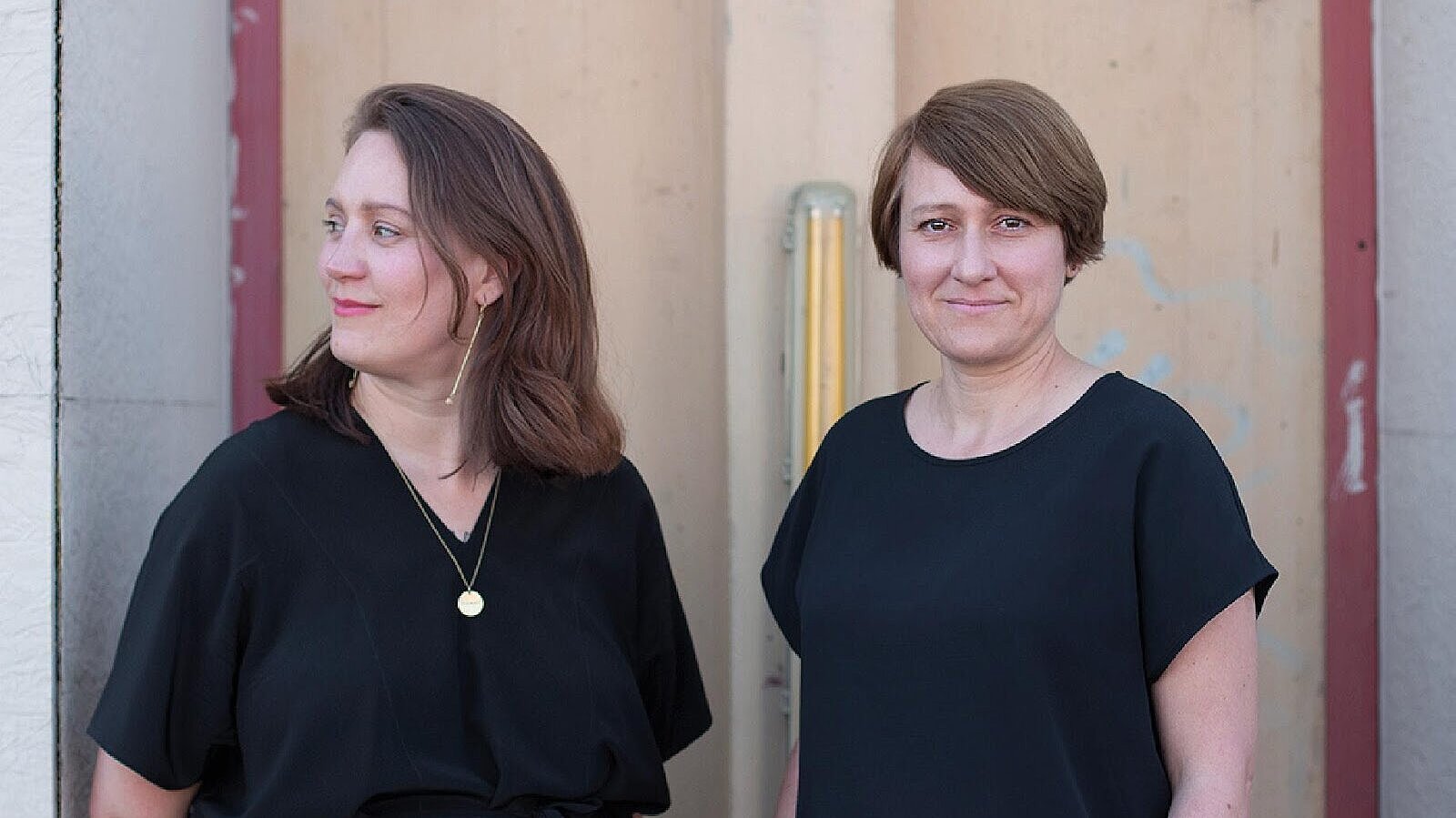
Julia is currently usually responsible for the processing. She taught herself the necessary skills, as there are hardly any goldsmiths in Germany who also work with base metals such as brass and stainless steel and could have taught her how to process industrial residues. "That also characterises our style: We do things differently - in terms of the materials and the workmanship," she emphasises. If a piece of jewellery breaks, Steffi and Julia's motto is: repair it instead of buying new. That also means sustainability to them. That's why they like to repair their customers' jewellery whenever possible.
360 degree resource conservation
Fremdformat also attaches great importance to conserving resources in other respects. The designers work exclusively with products of non-animal origin. This means that there will never be any pieces of jewellery with elements made of leather or similar materials. Leftover materials are melted down or used in new designs. Components, such as clasps or chain links, which they have to buy in to make jewellery, are sourced exclusively from Germany. They completely dispense with plastic for packaging and shipping. Instead, the gift boxes produced in Germany, for example, are made from grey recycled cardboard. Only recycled paper is used for advertising materials too - without finishing techniques such as varnishes or foils, which would make further recycling unnecessarily difficult. They also supply B2B customers with cardboard boxes that have already seen more of the world. The trend is clearly towards second-, third- or fifth-life cardboard. Shipping is carried out with DHL Go Green, a DHL programme that promotes climate-friendly deliveries. For all customers from Heidelberg and the surrounding area, they also offer "pick-up at STUDIO". Elsewhere, they rely on digital processes to conserve resources. For example, the team generally only sends invoices and delivery notes to end customers digitally. "We only enclose them on request, but that hasn't happened once so far. That shows once again how great our customers are," says Julia. In the office, in the workshop, electricity is used everywhere that comes one hundred per cent from renewable energy sources - even where their servers are located. "You don't have to talk about it, because it should be a matter of course," says Julia. Perhaps it will be at some point, but at the moment they are proving that they are no exception. The fremdformat concept is designed to be sustainable all round and shows that a nice gift doesn't have to cost the earth.
The couple's path to their own jewellery studio was not as straightforward as their jewellery. "I always wanted to be a jewellery designer, but I couldn't find an apprenticeship after finishing secondary school," explains Julia. "But my heart always beat for working with my hands." She shares a passion for art and design with Steffi: "In my free time, I do photography, painting, graphic and web design. fremdformat initially grew out of an art project. When I met Julia, she added a new exciting area: jewellery." Steffi and Julia founded the company on the side - alongside their full-time jobs. When they realised that the double burden was becoming too much, Julia quit to devote herself entirely to jewellery design. At the beginning, they experienced a lot of headwind. "Even now, some people think that we're "just doing a bit of handicraft" in the workshop," Julia smiles. But the two women have a vision that they are sticking to.
Cover picture: fremdformat
Author
Valerie Bachert is a journalist, chief of staff and sustainability officer. She is interested in the areas of organic farming, conscious consumption, species extinction, social injustice and sustainable nutrition.