DIY papermaking trend: sustainably creative with your own handwriting

Paper-making is celebrating its comeback as a creative and sustainable trend. In workshops such as the St. Pauli Paper Studio, hobbyists are transforming old materials into unique works of art. The result is not only aesthetic objects, but also a greater awareness of the value of resources. This craft encourages creativity and offers a welcome break from hectic everyday life. A real statement in favour of sustainability and individuality.
On a large wooden table in the St. Pauli Paper Studio in Hamburg, colourful scraps of fabric, dried flowers and leaves lie in a lively, creative arrangement. The atmosphere in the room is concentrated but relaxed. A hand slowly dips a handmade paper frame into a water bath infused with fine pulp - a mixture of frayed materials. The frame is carefully lifted out and the thin, moist layer of a future paper emerges on the screen. What is created here is more than just a handmade sheet: it is a unique piece, a combination of artistic expression, deliberate choice of materials and traditional craftsmanship. This artisanal process consists of several steps that require both patience and creativity:
- Preparation of the materials: Firstly, materials such as old clothing, plant remains or waste paper are torn into small pieces. These fibres are soaked in water to prepare them for processing. The resulting pulp forms the basis for the future paper.
- Skimming: The pulp pulp is skimmed off with a deckle frame, which allows the fibres to be evenly distributed on the screen. Creative elements such as leaves or dried flowers can also be incorporated. The frame is then pulled out of the water to bring the fibres together into a single layer.
- Drying and pressing: The freshly scooped paper must now be dried. Excess water is squeezed out and the paper is laid out to dry in a clean place. If necessary, it can also be pressed to achieve a smoother surface.
- Finishing: After drying, the paper is smoothed and moulded into the desired shape. The edge is often finished by hand to avoid sharp edges. The paper can then be further processed or used for creative projects.
Papermaking as a creative trend with a sustainable impact
Papermaking is currently experiencing a renaissance in Germany and is becoming a trendy hobby that combines sustainability and art in a unique way. In workshops such as the St. Pauli Paper Studio in Hamburg, people come together to transform old materials into handmade paper. The result is not only creative works of art, but also an awareness of the value of resources. What makes papermaking so special is the opportunity to give free rein to your own creativity. Materials such as plant fibres, flowers or fabric scraps can be individually combined. Leaves are incorporated into the pulp, colours and textures vary. For many hobbyists, creating is a form of slowing down and meditation: working with your hands directs your focus to the moment and offers a pleasant change from the hectic pace of everyday life. The trendy hobby also has a clear social message. In view of paper consumption figures - Germany leads the world with around 19 million tonnes per year - and the increasing environmental impact, more and more people are turning to recycling and reuse. Creating paper is thus becoming a tangible symbol for a more conscious use of resources and a more sustainable life.

From ancient China to the recycling trend
The history of papermaking has its roots in China, where around 105 AD the Chinese court official Cai Lun developed a pioneering method of paper production. By using natural materials such as mulberry bast, used fishing nets, hand waste and old textiles (rags), he was able to create a flexible, thin material that became known as paper. This early process began with pounding the fibres in a stone mortar to crush them before adding water to create a pulpy mass. This mass was scooped through a sieve to distribute the fibres evenly and then pressed to remove the excess water. The resulting paper sheets were dried in the sun and then smoothed with stones to strengthen their structure. The first documented paper mill on European soil began production in 1144 in Xàtiva near Valencia, and the first German paper mill was built in Nuremberg in 1390. During the Middle Ages, the papermaking techniques were constantly improved, although the basic steps - preparing, scooping, pressing and drying fibres - were always retained.
On a small and large scale
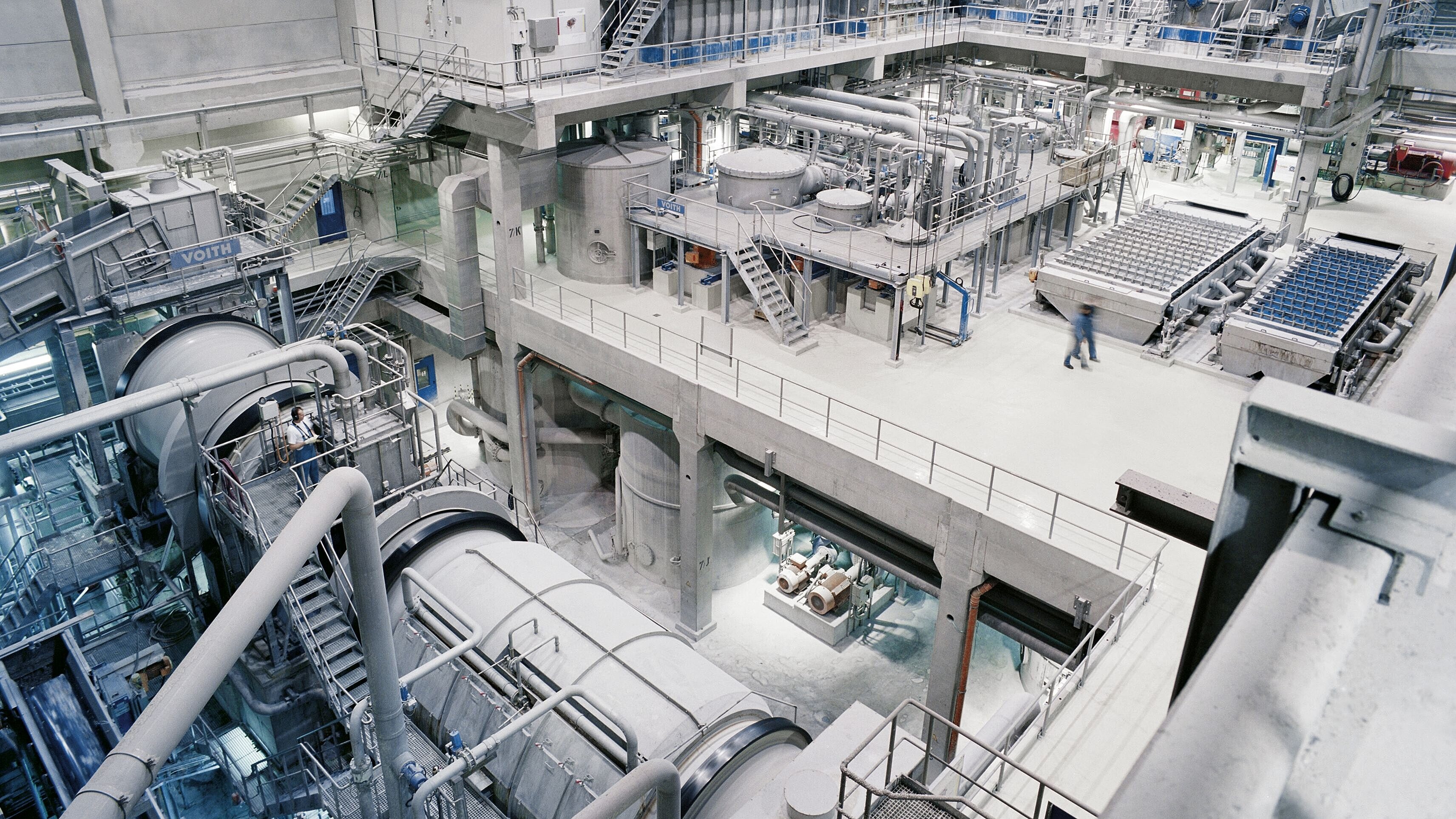
At first glance, creative papermaking as a hobby and industrial recycled paper production at Steinbeis Papier seem to have little in common. However, both methods share the same basic idea: the principle of recycling and the sustainable use of resources. The aim is to breathe new life into old materials and return valuable materials to the cycle through recycling. While hobbyists transform old items of clothing, plant waste or other materials into individual works of paper art, Steinbeis Papier uses modern technologies to produce high-quality recycled paper from waste paper. On an industrial scale, Steinbeis processes over 300,000 tonnes of waste paper every year - a resource that would otherwise end up as waste. The company relies on a regional system in which materials from the surrounding area are used to manufacture new products. This not only saves on transport routes and reduces CO₂ emissions, but also promotes a sustainable local economy.
The principle of the cycle, which begins as creative manual labour in paper making, is echoed in industrial paper production. Both forms of recycling - whether on a small or large scale - illustrate how the reuse of materials can result in both creative and ecological solutions. They show that something new can be created from something old and that recycling is far more than just a necessity - it is an opportunity for innovation and artistic development.
DIY paper dreams: creative and sustainable self-made
Paper-making combines creativity with sustainability and offers a wonderful opportunity to recreate old things. Whether in a group or alone, on site or online - every course opens doors to new forms of creative expression:
- TheSt. Pauli Paper Studio offers a creative space where participants can learn the art of papermaking with natural materials such as flowers and leaves in a relaxed atmosphere. Here, the process of papermaking is taught as a meditative and creative experience.
- Kiss My World is another studio in Hamburg that specialises in creating paper from natural materials. Here, participants learn how to make unique paper from flowers, plants and other environmentally friendly raw materials. The course promotes both creativity and the sustainable use of resources.
- In theCraftschöpferey in Berlin, participants can learn about the entire paper-making process in small groups. In addition to the production of pulp and creative papermaking, the programme also includes designing with various natural materials. This is an ideal programme for anyone who wants to learn the craft of papermaking in an inspiring environment.
- Paptera offers experiential workshops in which participants can experience the creation of paper from various raw materials. The course is aimed at anyone who wants to discover both the traditional and creative techniques of papermaking. Ideal for those who appreciate paper as an art form and creative medium.
In addition to specialised studios such as these, there are numerous adult education centres and artists' studios throughout Germany that also offer papermaking as a creative and sustainable activity. It's worth taking a look at the programmes on offer locally or online to experience paper-making for yourself.
Cover picture: Ron Lach/Pexels
Author

As a senior editor, Benjamin Seibring specialises in developing content on sustainability, mobility, technology and lifestyle. An editorial traineeship at a German media group and his many years of experience in corporate publishing form the basis. With a high affinity for trend topics and innovative AI tools, he implements cross-media storytelling.