Climate protection@home - five tips
19.10.2021 - Heat, storms, floods - climate change is already manifesting itself in extreme forms. There is an acute need for action. But it's not just entire societies, the economy and politics that need to reduceCO2 emissions on a large scale. We are all called upon to make a contribution. And even small adjustments can have a big impact without our lifestyle having to suffer. We show you how to act in a climate-friendly way in everyday situations.
1. Clever travelling
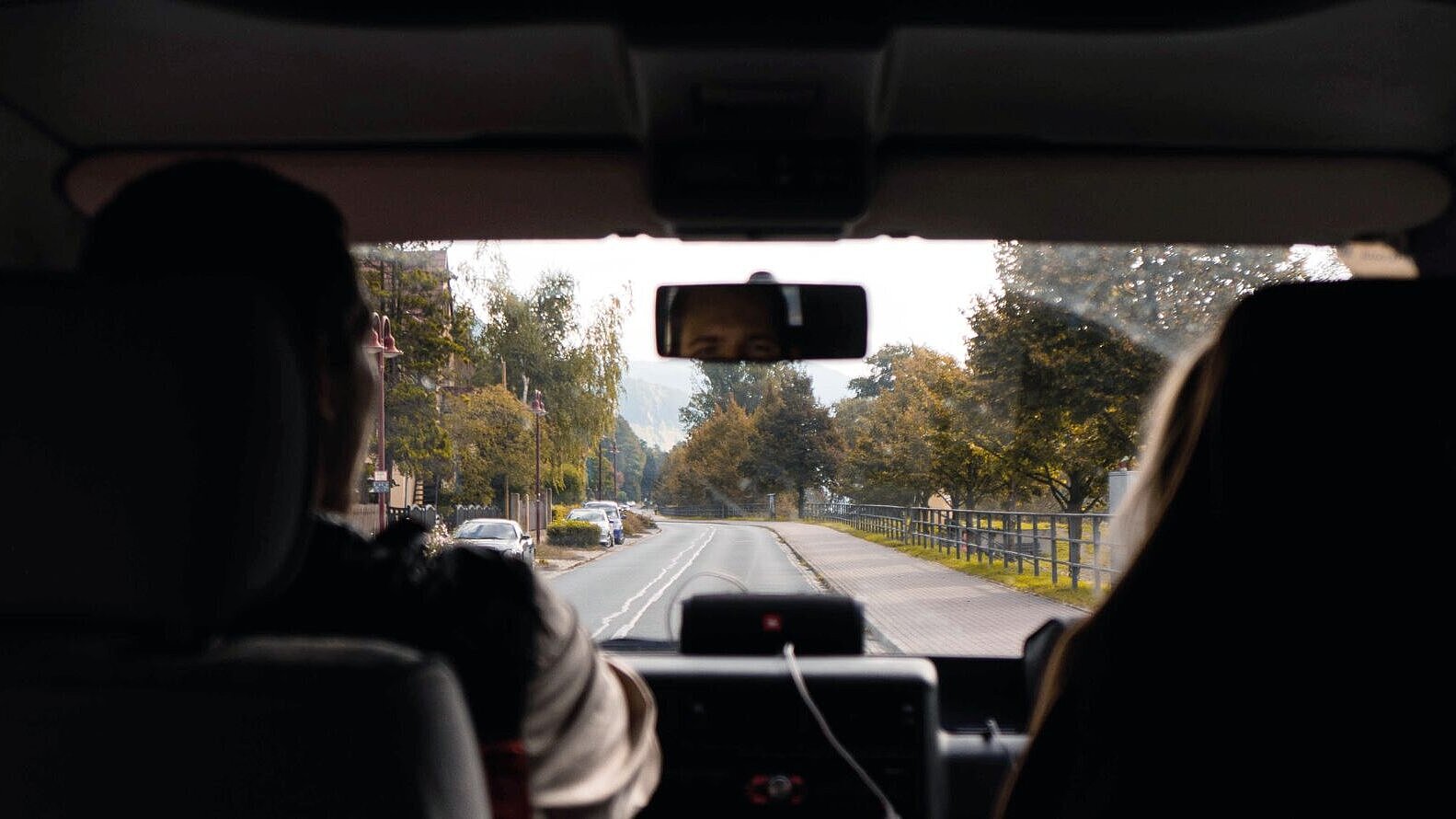
Almost a fifth of theCO2 emissions produced in Germany are caused by the way we travel. 61 percent of all journeys in this country are made by car, although half of all journeys are less than six kilometres. So it makes sense to check whether you actually have to take the car every time or perhaps switch to another mode of transport such as a bike, bus or train. But if there is no other option, there are a few things you can consider:
- Obvious and yet often unrecognised - tyre pressure. You should check your tyre pressure at regular intervals.
- Anticipatory driving is not just about safety. Lower revs and fewer braking manoeuvres also mean lower fuel consumption.
- Carpooling is worthwhile: if one other person leaves their car behind, you save 255 kg ofCO2 per year over a distance of five kilometres.
- It doesn't hurt to take a look in the boot: Removing an unnecessary load of 50 kilos from the vehicle means saving 50 litres of fuel for every 15,000 kilometres driven.
- Switch off the engine during stops: 20 seconds of silence results in 85 kgof CO2 savings per year.
2. Sustainably energised
Heating and electricity account for a fifth of per capita emissions in this country - meaning that houses and flats are in no way inferior to the mobility sector in terms of their greenhouse gas emissions. This results in a very simple calculation: the smaller the living space, the lessCO2 is produced. Of course, every additional square metre has to be heated in the cold seasons. However, moving into a tiny house straight away is not an option for everyone. These measures can improve the carbon footprint within your own four walls:
- Switch to green electricity providers: When researching, you should look out for seals of approval such as the "ok-power seal" or the "green electricity label". Electricity providers with this type of certificate undertake to promote the expansion of wind or solar power plants. Participation in nuclear or coal-fired power stations must be excluded. A household of two people living in 70 square metres can save one tonne ofCO2 per year by switching to the right green electricity provider with just a few clicks.
- Installing high-tech thermostats: The obvious thing to do is to apply the savings lever exactly where the energy is consumed. Lowering the room temperature by just one degree in the flat described above means saving up to 160 kg ofCO2 per year. Thermostats with automatic control are the method of choice here. They can be programmed to certain temperatures at certain times of the day and night.
- A simple and economical trick is shock ventilation. This smart approach results in 340 kilograms less greenhouse gas emissions per year instead of airing with the windows tilted open.
- For homeowners, other measures such as a new heating system, new façade insulation and new windows are of course also worthwhile. For a single-family home, this can mean savings of several hundred kilograms ofCO2. It is also worth consulting an energy-saving expert, who can precisely calculate the efficiency of new purchases.

3. Little climate tricks in the household
In a highly technologised world, we sometimes hardly notice how many electrical appliances make our everyday lives easier. This makes it all the more important to take a closer look at where the big power guzzlers are hiding in our own four walls:
- Refrigerators run day and night. It's important to weigh up exactly when it makes sense to buy a new one, as a huge amount of emissions are produced during the manufacturing process. They can then be replaced after twelve years at the latest - energy efficiency class A+++ is a matter of course when buying a new appliance.
- Classic light bulbs can still be found in many lamp sockets. Here it is easy to switch to halogen or LED.
- TVs, laptops, tablets and smartphones are all power guzzlers if they run in standby mode day and night. It is worth switching them off completely and pressing the power switch on the power strip.
- Smartphones and tablets should also be used for as long as possible, as batteries and other components cause a lot of greenhouse gas emissions.

4. A conscious treat for the palate
Animal products are among the biggestCO2 emitters in our diet. For every kilogramme of beef, 13 kilogrammes of greenhouse gases are emitted into the air. Even if pork, poultry or organic beef perform better, it is worth switching to a non-animal diet. Meat eaters have an average dietary footprint of 1760 kg ofCO2 per year. Vegetarians have 1160 kg and vegans only 960 kg.
- Ultimately, however, it also depends on the origin of the food. A long-standing trend is the use of regional and seasonal fruit and vegetables. Ideally and in a climate-friendly way, this comes from the market and unpackaged. Frozen and tinned products travel long production and transport routes, which in turn mean further greenhouse gas emissions.
- We should also reconsider our own throwaway culture. If you consciously buy fresh and in edible quantities, you will throw away less afterwards and thus live in a more climate-friendly way.
5. Clothing and paper
Conventionally produced cotton clothing is particularly harmful to the environment: water consumption, use of chemical pesticides and fertilisers as well as environmentally harmful dyeing techniques. This all adds up before the jumper hangs in the shop. But synthetic clothing also has its pitfalls; it is not biodegradable. Plastic fibres can dissolve during washing and enter the water cycle as microplastics. You can avoid this dilemma by paying attention to labelling and seals when buying clothes:
- The abbreviation "kbA" ("controlled organic cultivation") refers to natural fabrics.
- Support fair working conditions with "Fairtrade" and "Fair Wear".
- Consuming "Cradle to Cradle" goods and browsing second-hand shops or flea markets is part of the sustainable recycling approach.
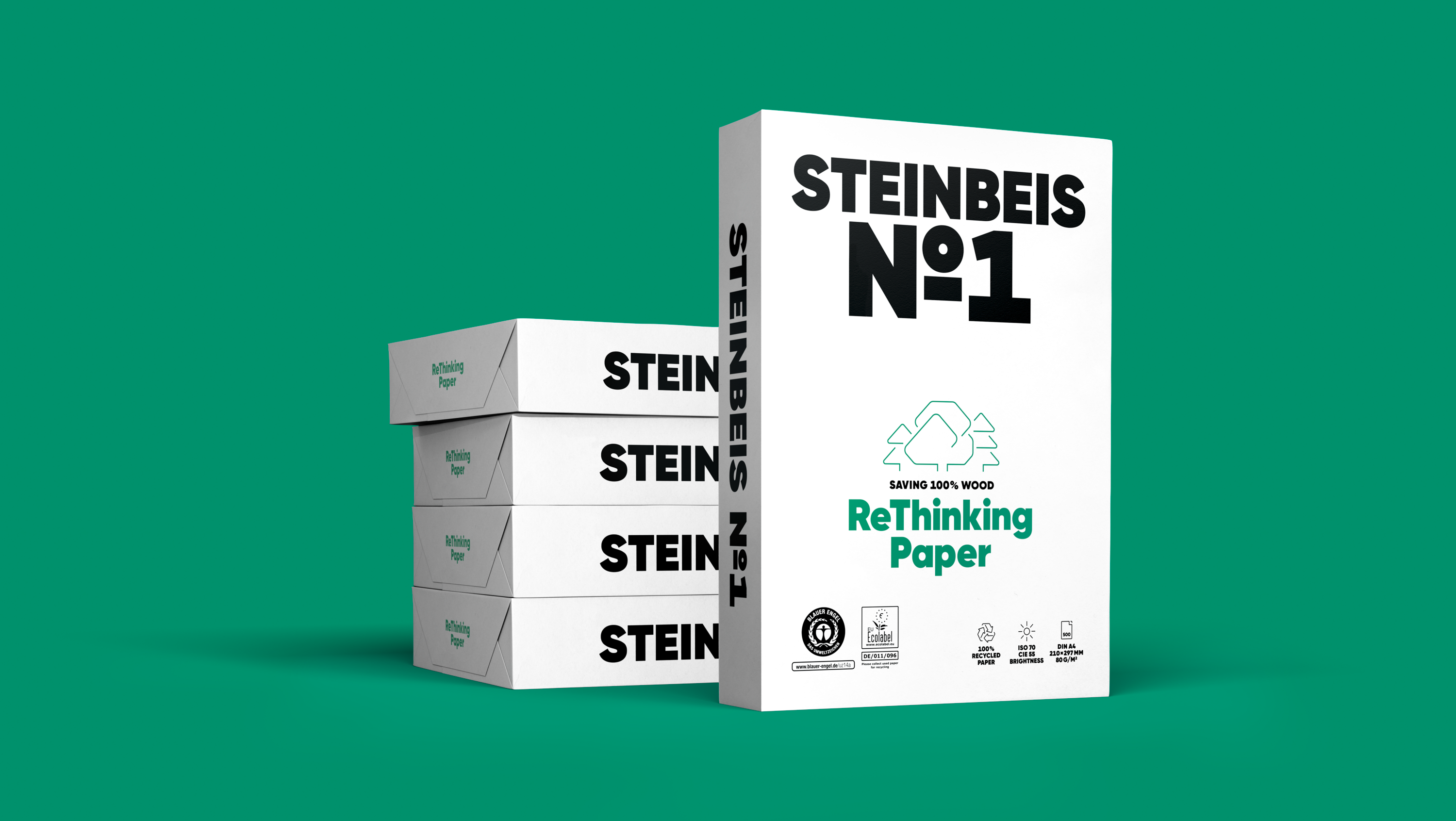
On the subject of recycling - like clothing, paper is an integral part of our everyday lives, even in the digital age. And here, too, we can rely on climate-friendly alternatives: Recycled paper with the Blue Angel is made from 100 per cent recycled waste paper. A wide range of different types of waste paper from private households, industry and commerce are used. If this recycled paper ends up in the Blue Angel bin, it can be fed into the cycle for the production of new recycled paper.
On our Steinbeis Papier blog, we have even more tips on aCO2-reducing lifestyle: In The renewable office, we show the possibilities of a "green office". SustainableInvestments is about investing money in a climate-friendly way. Recently, we also focussed on minimalism as an alternative lifestyle - which can sometimes help to reduce greenhouse gas emissions.
Cover picture: Zbynek Burival/Unsplash
Author

As a senior editor, Benjamin Seibring specialises in developing content on sustainability, mobility, technology and lifestyle. An editorial traineeship at a German media group and his many years of experience in corporate publishing form the basis. With a high affinity for trend topics and innovative AI tools, he implements cross-media storytelling.