Archives, the guardians of invaluable knowledge. The technical challenge for papers.
04.12.2018 - In an article published in 2015, Wirtschaftswoche predicted that professions such as referee, packer, bank teller and financial analyst were threatened with extinction. Computer programmes and robots are increasingly taking over their work. Interestingly, the custodian and guardian of documents, manuscripts, files and records, the archivist, is not among them. Even if digital media are also forcing their way into this professional field. There are good reasons why archives can successfully hold their own against the digital invasion.
A tangible interface of history
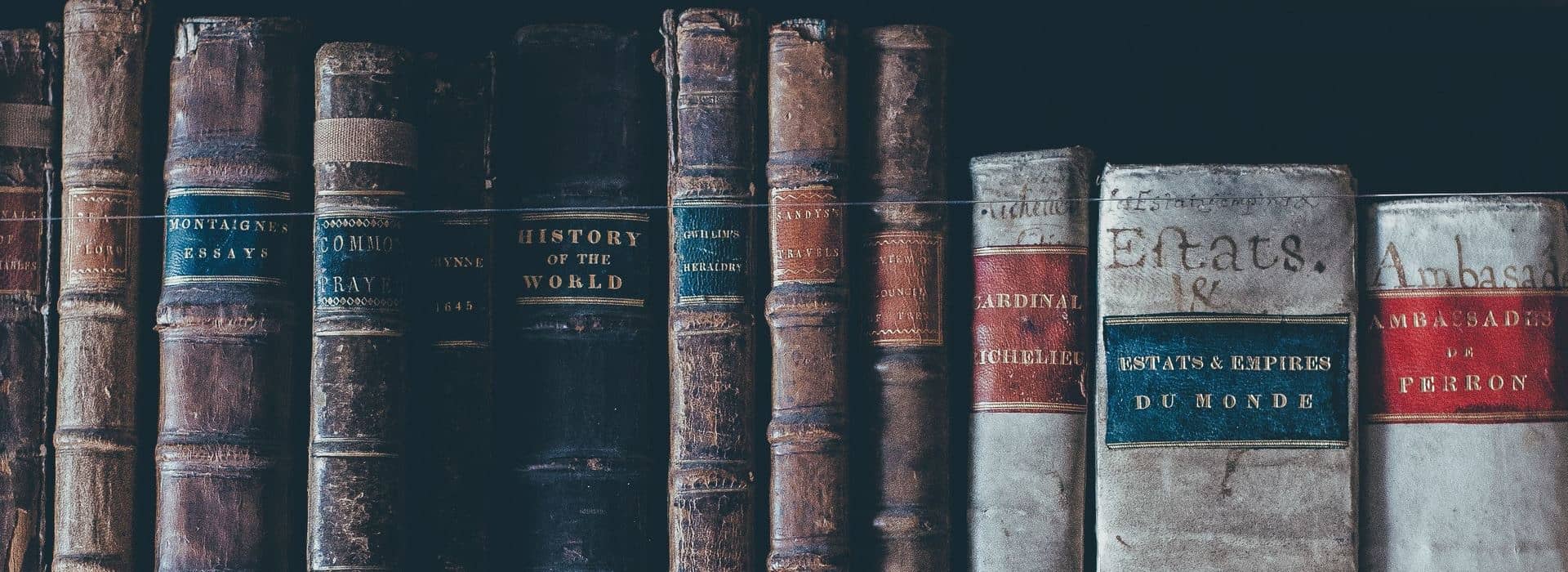
Archives with important cultural-historical writings and books cannot simply be digitised. That would also be a poor trade-off for the marvellous originals. Just think of the Duchess Anna Amalia Library in Weimar, which preserves literary testimonies from the 9th to the 21st century as sources of cultural history. Under its roof is the oldest literary archive in Germany, the Goethe-Schiller Archive. Also impressive is the Vatican Apostolic Library with over 150,000 manuscript volumes, which is one of the most valuable libraries in the world. Also impressive are the Bavarian State Archives with around 44 million archival records.
Archives are the interface of a tangible contemporary history. They preserve and store valuable documents and provide access to the ideas of past eras. They manage the decisions of regional and state governments, store administrative documents and all forms of information carriers that have been used in the administration over many centuries. Files, documents, maps and plans as well as audiovisual media are administered.
Public administration archives
Whether at federal, state or municipal level, the majority of archives are made of paper. Special attention must be paid to their preservation. The demands on the longevity and archivability of the papers used are high, although only around 2 per cent of the printing and copying papers used are actually archived in the long term. Their composition must be resistant to "acid corrosion", which can still occur with historical books due to the acidic paper production at the time. Fortunately, this is a thing of the past. For more than 25 years, only paper in the neutral to alkaline range has been produced in Europe and it also has a sufficient alkali reserve in the form of calcium carbonate (chalk) as a filler.
Preservation, another speciality of archivists, also includes knowledge of paper types and the required ISO certifications for ageing-resistant papers. The basic requirement is that papers must be archivable - in plain language this means: infinitely long life without decay. This is a requirement that state and federal archives in particular place on today's printing and copying papers that are used in administration .
The standards of ageing resistance
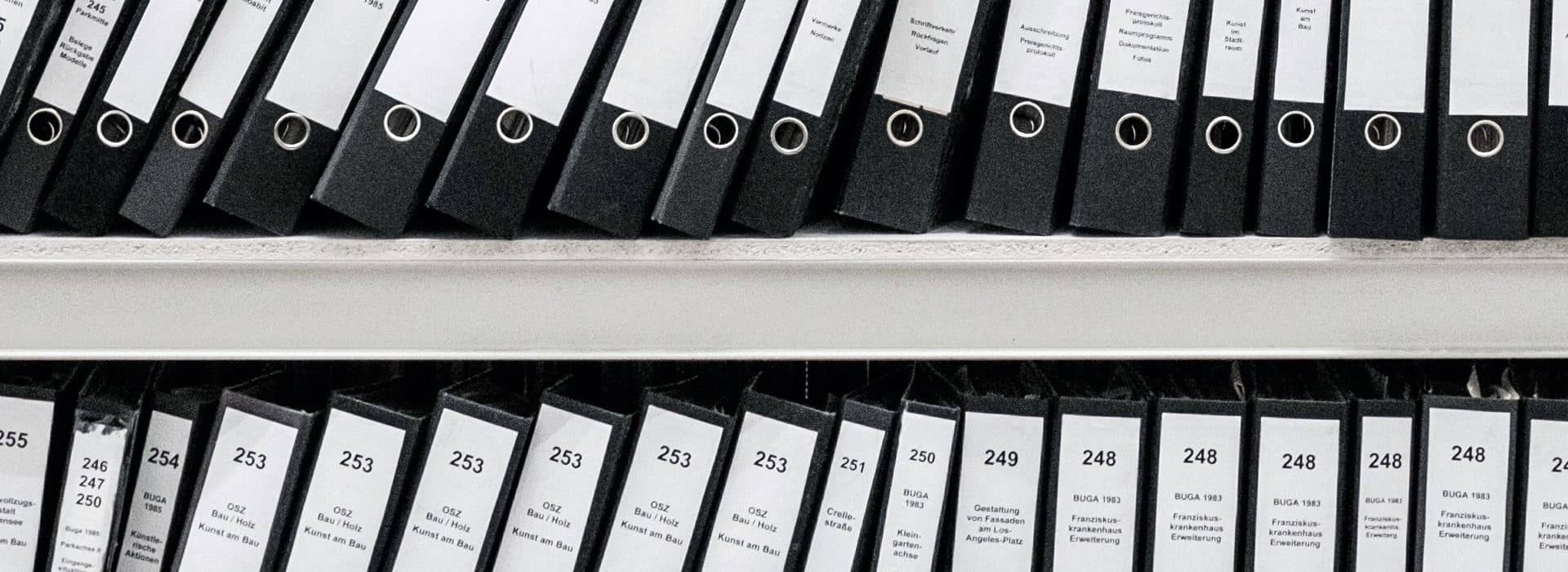
In the archives of public administration, we find long walls of shelves filled with folders and hanging files full of important papers. Certificates, attestations and documents that are subject to retention requirements. When is paper resistant to ageing and when is it not and who determines this? There are currently three different standards for determining ageing resistance. ISO 9706 and DIN 6738 are the most frequently cited standards in public sector paper tenders. ISO 20494 is brand new - three standards for one thing, which can be a little confusing. What is the difference between the standards and what do they have in common?
ISO 9706 LOOKS AT THE COMPOSITION OF THE PAPER
In this standard, the assessment of ageing resistance is based on the composition of the paper. This procedure basically excludes certain papers - regardless of whether they are resistant to ageing or not. This applies, for example, to recycled papers due to their lignin content, although it has been scientifically proven that the lignin content has no influence on ageing resistance.
DIN 6738 IS BASED ON ACCELERATED AGEING
This standard assesses ageing resistance using a method in which paper samples are subjected to accelerated ageing in the laboratory. Depending on the result, the papers are categorised into four different service life classes. Papers with LDK 24-85 are considered to be resistant to ageing. This standard does not specify neutral/alkaline production or the alkali reserve, which is essential to prevent deterioration. However, the alkali reserve has been state of the art in European paper production for years.
ISO 20494 ACCORDING TO THE LATEST FINDINGS
The new ISO 20494 standard takes into account the contents of ISO 9706 and DIN 6738 as well as the scientific findings of recent years. The requirements for the stability and storage of graphic papers therefore relate to their strength properties after accelerated ageing, pH value and alkali reserve. In summary, ISO 20494 is a further development of DIN 6738 and also incorporates the contents of ISO 9706. Graphic papers that fulfil the requirements of ISO 20494 retain their functionality permanently under suitable storage conditions. All relevant aspects are taken into account in ISO 20494 and leave no doubt as to their suitability for use in public administration.
They are therefore an important criterion in the specification of printing and copying papers for tendering bodies in public administration.
ISO 20494 is a further development of DIN 6738 and also incorporates the contents of the ISO 9706 standard. It is based on the latest research findings.
For all documents and formats from the "non-acid-free" period of paper production, it is to be hoped that the conservators of historical archives and libraries will be able to preserve the valuable exhibits for posterity for a long time to come, despite the paper production of that time.
Cover picture: iStockphoto
Author

Responsible for marketing, social media and e-business at Steinbeis Papier. Circular economy, recycling and biodiversity are the topics close to the heart of the graduate business economist. Enthusiastic blogger for the Steinbeis editorial team.