A #milkrevolution - plain and simple
18.02.2020 - Sustainable consumption alternatives are more diverse than we think. The use of recycled paper, waste separation and cycling are obvious. But what about food? Cow's milk, for example? It was long regarded as a healthy food - good for teeth and bones, among other things. Today, however, we know that milk does not make you big and strong. Instead, it can cause problems with intolerances. What's more, industrial dairy farming is damaging our planet's ecosystem. That's why more and more people are looking for alternatives. In spring 2020, pläin, a plant-based milk alternative that can do everything that cow's milk can do, will be launched on the market - at least that's what Julia Deuter, Michael Sysoev and Jonathan Herrmann, the founders of the start-up, claim.
How do you convince cow's milk fans of plant-based milk? By offering an alternative that can do everything that cow's milk can do. With this vision, Michael started his first experiments in his home kitchen in 2014. Put all the ingredients in the blender, shred, taste, repeat. When he realised that he wasn't getting anywhere with his kitchen experiments, he joined forces with Weihenstephan University of Applied Sciences as a cooperation partner, not to be confused with the dairy company. From 2016, he was able to use the laboratories there, other colleagues joined him and the first prototypes gradually became a product to be taken seriously. Fellow students, lab assistants, friends, mum, granddad - the latest pläin prototypes are tasted by everyone. "Some of it tasted pretty horrible," says Julia, who has been on board since 2017. In the interview, she explains the hurdles the team had to overcome during the market launch and why a sustainable rethink is urgently needed so that we can still achieve the 1.5-degree target.
Soya, cashew, hazelnut, oat, almond, millet, lupin - there are now numerous types of plant-based milk on the market, which is growing by around 20 per cent every year. What sets pläin apart from other brands?
First of all, there is the obvious: pläin is available in 500 ml glass bottles. This is connected to the deposit system. Tetra Paks are otherwise common on the market. At first glance, this is understandable: they are convenient and cost-saving, the product is full to the top, the space on the shelf is perfectly utilised thanks to the square shape and the box itself does not weigh much. However, Tetra Paks consist of many different layers of material and can therefore only be recycled in very few cases. Our glass bottles, on the other hand, can be reused by connecting them to the deposit system.
Glass bottles generally have higherCO2 emissions during transport due to their weight. How do you intend to deal with this in future?
At the moment, pläin is produced in the technical centre at Weihenstephan University using green electricity and is only delivered within a radius of up to 200 kilometres. If we expand sales, we could deliver pläin from several bottling sites. That way, the bottles wouldn't have to be transported across Germany. But that's all still up in the air and just one of many ideas. In terms of packaging, a lot is also changing at the moment because demand is huge and continues to grow. It could be that at some point we will be bottling pläin in sustainable packaging that we don't even know about yet.
One of your most important guiding principles is that you produce food with the aim of making people's lives easier. That's a clear statement and also a big promise.
Yes, we know that. A look at the Internet shows that there is a great need for education on the use of the respective alternative. The changeover is therefore very complex. pläin is not just a plant-based milk alternative. It is a cow's milk substitute with all the properties that we have learnt to appreciate in cow's milk, and in organic quality. It can be whipped into a stable, creamy froth, does not precipitate during cooking and baking and has a more balanced nutritional profile. So you don't have to do without anything, but you still get a plant-based product.

What do you do differently from the others?
Conventional plant milks usually consist of one ingredient that is liquefied. The special thing about pläin is the mixture of different ingredients. While oat milk mainly contains carbohydrates, pläin contains fat, proteins and carbohydrates. This gives it a different consistency and a more complex nutritional profile. The ingredients are Freisinger brewing water, rice, coconut, sunflower oil, plant-based proteins and plant-based lecithins from sunflowers.
B12 is an important issue for anyone who follows a plant-based diet. It is therefore added to some plant milks on the market. Is that also the case with you?
Not at the moment, but we're not ruling it out.
What was the biggest hurdle you had to overcome during product development?
The patent was a tough nut to crack. Our mentor and companion, Prof Dr Thomas Lötzbeyer, a doctor of food chemistry, was very supportive. He has already founded food start-ups himself and knows how things work. Patents are not so common in the food industry, and the ones that do exist are older because the whole sector was pretty sleepy until 15 years ago. All the new food start-ups have turned this on its head.
What are the next steps for pläin?
First of all, we want to see how the product works on the market and whether it is accepted. Once it has established itself a little, we will definitely think about follow-up products. For example, milkshakes, yoghurt or cheese. There are many possibilities because plant milk can be a building block for many foods.

Why was the production of plant milk a relevant topic for you?
i started studying food technology in 2012. You are inevitably confronted with how milk is produced. I was already aware that conventional cow's milk production usually involves factory farming and that the animals suffer. This is not only absurd, but also unnecessary. I believe that no animal should be tortured for milk froth. During my studies, I then realised the burden that conventional cow's milk farming places on the ecosystem - that really shocked me because it is also so unnecessary. When I realised this, it triggered a fundamental rethink in me.

How do you rate the current developments in terms of zero waste, sustainability and the climate crisis?
I think they're mega, but also really overdue. For the last two or three years, I've had the feeling that things are gaining momentum and that something is moving among the masses. Supermarkets are banning plastic from their shelves because there is a demand for it. Because consumers no longer want to buy double-wrapped cucumbers. This is particularly noticeable in the generation that follows us. My half-brother Maximilian (20) is studying in France and doesn't fly, even though travelling by train and bus is much more complicated and takes longer. He accepts this before he blows massive amounts ofCO2 into the environment. And because the children demand it, the parents are also starting to rethink. At our product tastings, parents often tell us that their children refuse cow's milk and plastic packaging.
How will we eat in 50 years' time?
Much more plant-based, regional and seasonal. I can already see that in my brother's generation. They all don't eat meat and no longer want dairy products. But not because it's a trend, but because they have a real awareness of the issue, take it seriously and are actually committed to climate protection out of deep conviction. They know that it is not good for the environment and that animals have to suffer. What's more, they not only know it, they really feel it. The feeling is completely different.
How important is it to you to live sustainability in your private life as well?
Very important. For example, I only go shopping at the market and avoid products that I think are unnecessary, such as napkins. The other day, my family came round for dinner and complained that there weren't any. In situations like this, it's important to me not to lecture anyone. If anything, I want to try and inspire others. Simply by setting an example and showing them how easy it can be. Last Christmas, my mum had washable cloth napkins at dinner instead of disposable napkins.
Do you think we can still achieve the 1.5-degree target?
Of course, I have no doubt about that. But a lot more needs to happen - especially on the government side. Train and bus tickets need to become much cheaper, whereas plane tickets need to become much, much more expensive. Money plays a major role when it comes to sustainability. But also convenience. That's why it sometimes makes sense to simply ban pointless things like a straw.
Photos: munichfoodstyling
Author
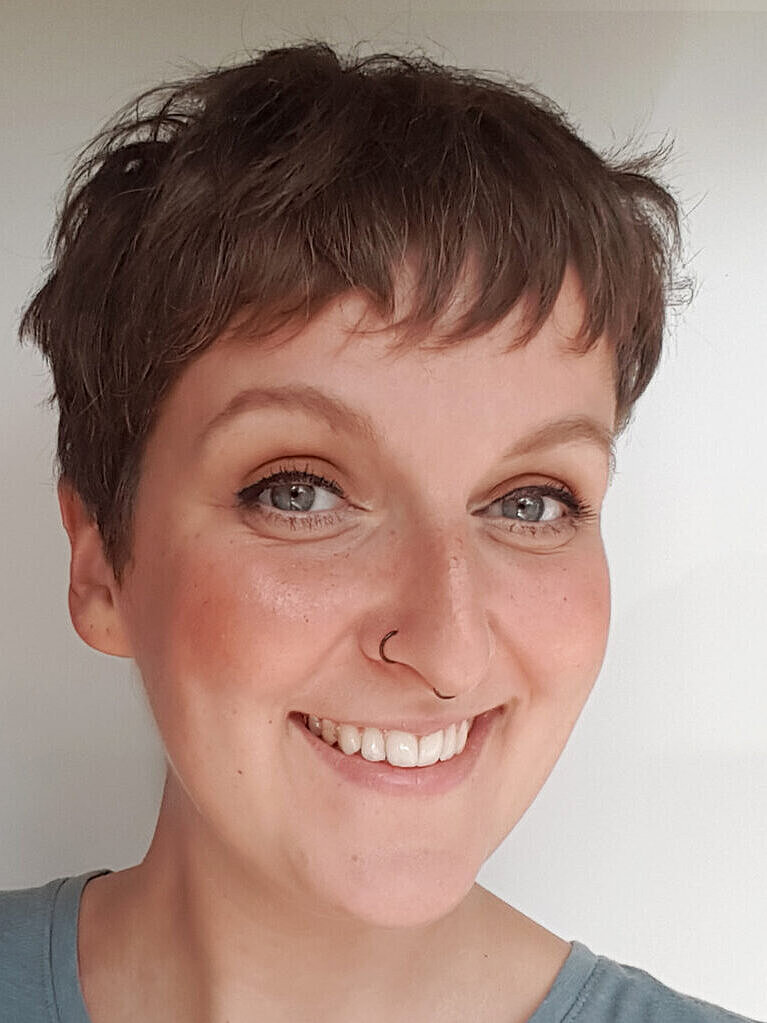
Valerie Bachert is a journalist, chief of staff and sustainability officer. She is interested in the areas of organic farming, conscious consumption, species extinction, social injustice and sustainable nutrition.